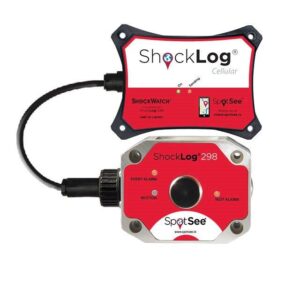
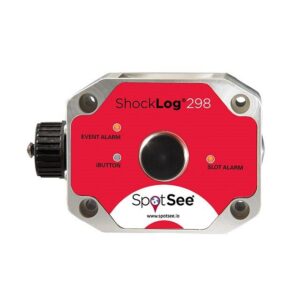
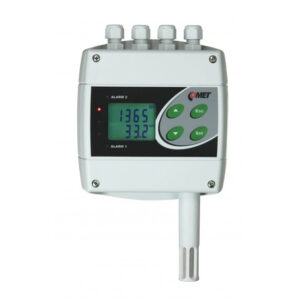
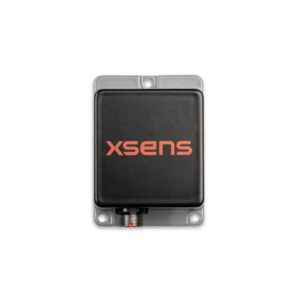
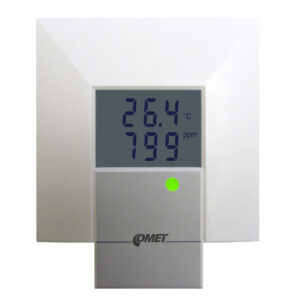
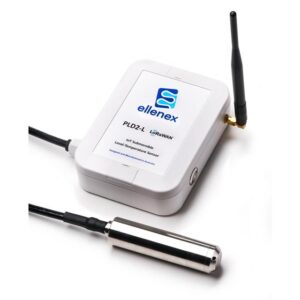
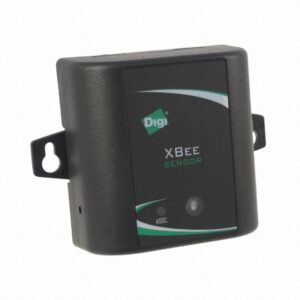
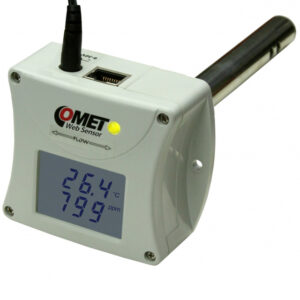
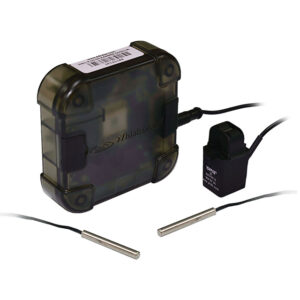
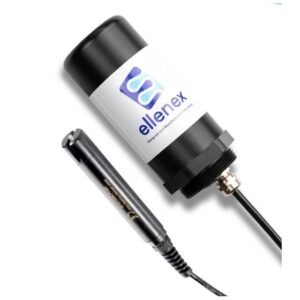
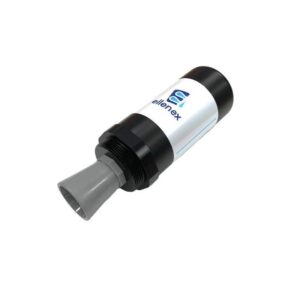
Multifunction sensors and transducers incorporate two or more individual sensors with driving and output conditioning circuitry. The data is communicated via a single output type such as Bluetooth, USB, CAN bus, Ethernet, I2C, SPI, or RS-485. Combination examples include accelerometer-magnetometer, humidity-pressure-temperature, humidity-light-pressure-sound-temperature-tilt-vibration, and accelerometer-gyroscope.
ScreenDefaultRankingPrice By Date
Multifunction Sensors: Features and Specifications
Function in the design. A multifunction sensor reports more than one measured quantity from a shared device or module. Start with the role the component plays in the measurement assembly. Check accuracy, response time and interface for each required channel. A related catalog entry helps explain the distinction. A magnet provides the field used by a compatible magnetic sensing element. Compare the role of each in the assembly before choosing between the two categories; a similar name does not necessarily describe the same job.
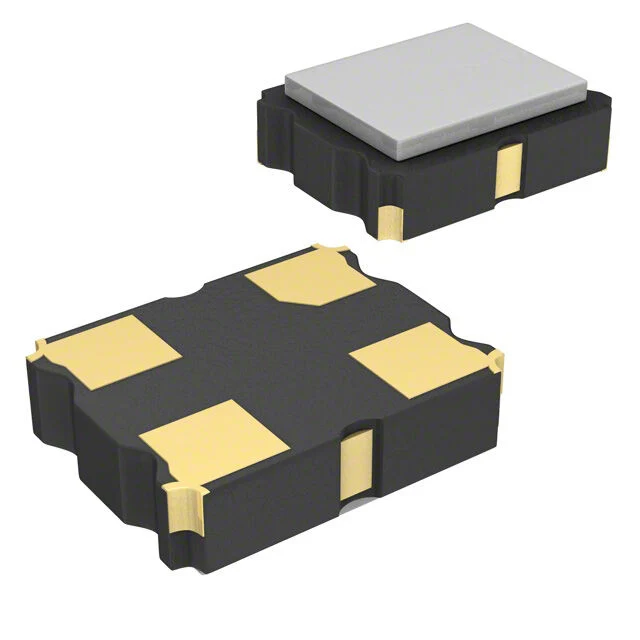
ISM303DACTR at a glance. The listing for ISM303DACTR gives sensor type as Accelerometer and Magnetometer, output type as I2C, SPI, operating temperature as -40°C ~ 85°C. Read these entries together with the manufacturer’s description. They belong to this ordering code; another device in the same family can have a different implementation. Open the product record before copying a value into a bill of materials, and retain the units and any qualifiers alongside the number so that a later comparison uses the same definition.
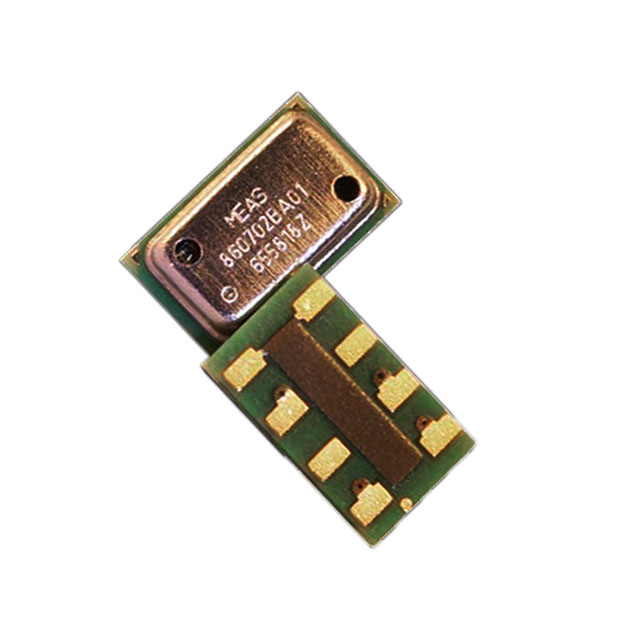
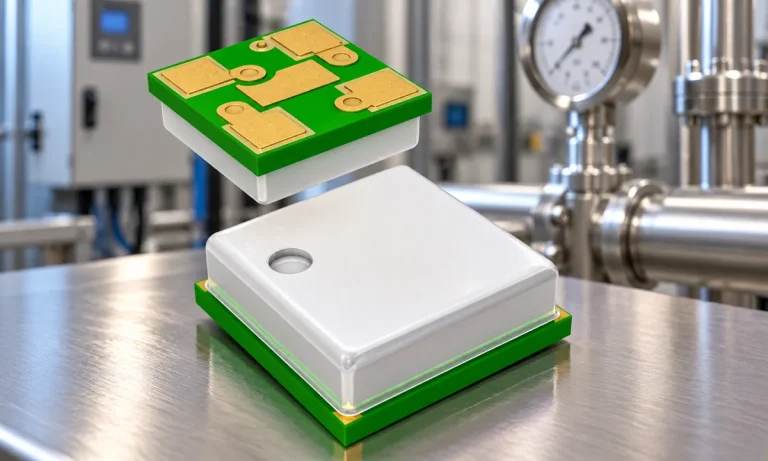
Differences within the range. For sensor type, ISM303DACTR is listed as Accelerometer and Magnetometer and MS860702BA01-50 as Humidity, Pressure, Temperature. When comparing multifunction, distinguish a property shown for an individual model from a requirement shared by the whole design. Two rows can appear similar when only their short descriptions are visible. Look at the full entry, then use the manufacturer’s drawing or characteristic table to resolve any difference that would affect assembly, operation or the acceptance test.
Multifunction Sensors in Circuit Design
Typical operating conditions. It reduces board area in systems that monitor multiple environmental or physical conditions. For this use, specify the physical quantity of interest, expected range, response time and influence of the mounting arrangement. Write down the condition that matters to the finished equipment before narrowing the list of parts. A prototype that works at a single bench setting can still miss the requirement when installed. Include at least one representative operating case and the most demanding credible case in the comparison.
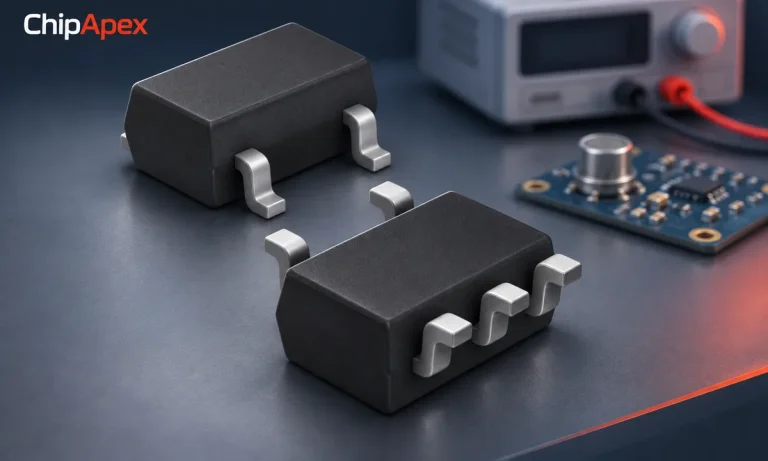
Integration example. The listing for MS860702BA01-50 gives output type as I2C, operating temperature as -40°C ~ 85°C (TA), sensor type as Humidity, Pressure, Temperature. In an application review, mark which of these properties the surrounding design fixes and which can still change. A second catalog example gives another point of comparison. The listing for SCC2130-D08-05 gives sensor type as Accelerometer, Gyroscope, 3 Axis, output type as SPI, operating temperature as -40°C ~ 125°C (TA). When the design has to fit an established interface, use the documentation for that interface alongside the product record, and resolve discrepancies before committing the layout or ordering evaluation quantities.
Checks on the prototype. Test the complete measurement path, including mounting and signal conditioning. A repeatable reading at one point does not establish accuracy across the full range. Record the setup, the operating conditions and the observed result so another engineer can repeat the check. For multifunction, pay particular attention to the requirement behind this selection guidance: check accuracy, response time and interface for each required channel. If the result is marginal, change one condition at a time and compare it with the original measurement before attributing the difference to the component.
How to Select Multifunction Sensors
Define the acceptance criteria. Check accuracy, response time and interface for each required channel. Put the nonnegotiable requirements in a short comparison table before looking at price. For this category, useful starting columns from the catalog include sensor type, output type, operating temperature. Give each critical value a unit and an acceptable range. Where a catalog entry leaves a field blank, flag it for confirmation in the datasheet rather than assigning a value from another member of the family.
Compare exact ordering codes. The listing for SCC2130-D08-05 gives operating temperature as -40°C ~ 125°C (TA), sensor type as Accelerometer, Gyroscope, 3 Axis, output type as SPI. Check the complete manufacturer part number, including suffixes, against the ordering table for the device you intend to buy. For operating temperature, the respective entries for MS860702BA01-50 and SCC2130-D08-05 are -40°C ~ 85°C (TA) and -40°C ~ 125°C (TA). Check which of these values the assembly drawing or design specification requires. A typical value measured under one set of conditions is a poor acceptance limit unless the manufacturer also specifies the relevant guarantee under your operating conditions.
Prepare the purchase specification. For a quotation, identify the required multifunction by manufacturer and complete part number. If alternatives are acceptable, state which differences require engineering approval. Include quantity, delivery requirements and any packaging constraint imposed by the assembly process. Before approving an alternative for the measurement assembly, compare it against the same acceptance criteria used for the original part and keep the comparison with the released bill of materials.
 ChipApex | Global Electronic Components Supplier