ChipApex | Global Electronic Components Supplier

SEARCH
Search Product
Search Post
Search productSearch post

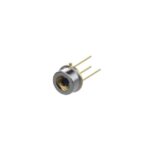
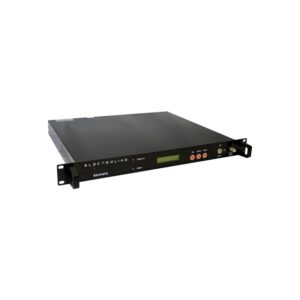
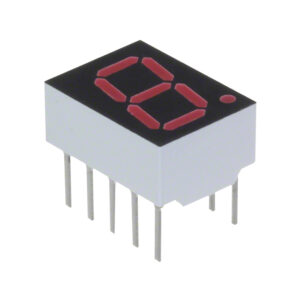
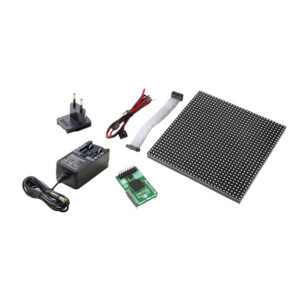
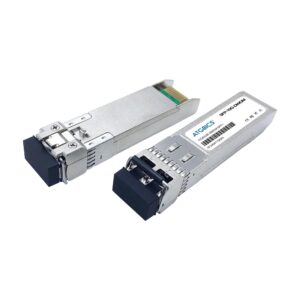
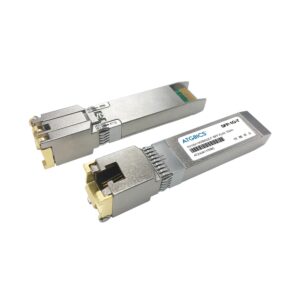
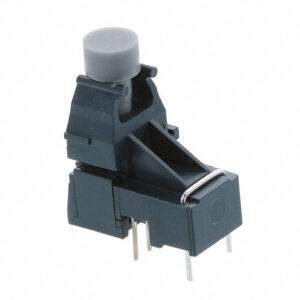
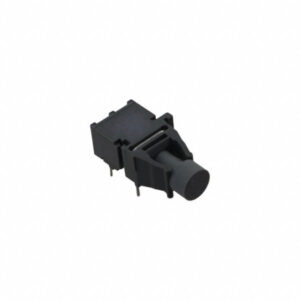
Broadly defined, optoelectronic products are devices that convert electricity to light, and accessory or supporting items such as reflectors or mounting hardware designed for use with such products. It is a diverse product category, including LEDs, fiber optic transmitters and receivers, LCD, OLED, and VFD displays, EL wire, incandescent lamps, lasers, light pipes and xenon flash tubes, among many other product types.
| Select products | Mfr | Description | Package | Supplier Device Package | Mounting Type | Series | Operating Temperature |
|---|---|---|---|---|---|---|---|
| Axetris | IR SOURCE, TO39 WITH CAP, FRONT | Bulk | Through Hole | - | -40°C ~ 125°C (TA) | ||
 EMIRS200 600.451 $315.00 | Axetris | IR SOURCE, TO39 WITH REFLECTOR 1 | Bulk | Through Hole | - | -40°C ~ 125°C (TA) | |
 EMIRS200 601.612 $236.25 | Axetris | IR SOURCE, TO39 WITH REFLECTOR 3 | Bulk | Through Hole | - | -40°C ~ 125°C (TA) | |
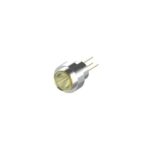 EMIRS200 601.800 $252.00 | Axetris | IR SOURCE, TO39 WITH REFLECTOR 3 | Bulk | Through Hole | - | -40°C ~ 125°C (TA) | |
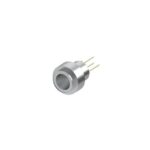 EMIRS200 601.937 $178.20 | Axetris | IR SOURCE, TO39 WITH REFLECTOR 3 | Bulk | Through Hole | - | -40°C ~ 125°C (TA) | |
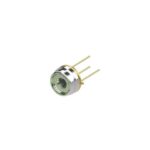 EMIRS200 602.839 $279.00 | Axetris | IR SOURCE, TO39 WITH REFLECTOR 4 | Bulk | Through Hole | - | -40°C ~ 125°C (TA) | |
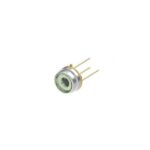 EMIRS200 602.853 $279.00 | Axetris | IR SOURCE, TO29 WITH REFLECTOR 4 | Bulk | Through Hole | - | -40°C ~ 125°C (TA) | |
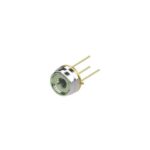 EMIRS200 602.903 $205.20 | Axetris | IR SOURCE, TO39 WITH REFLECTOR 4 | Bulk | Through Hole | - | -40°C ~ 125°C (TA) |
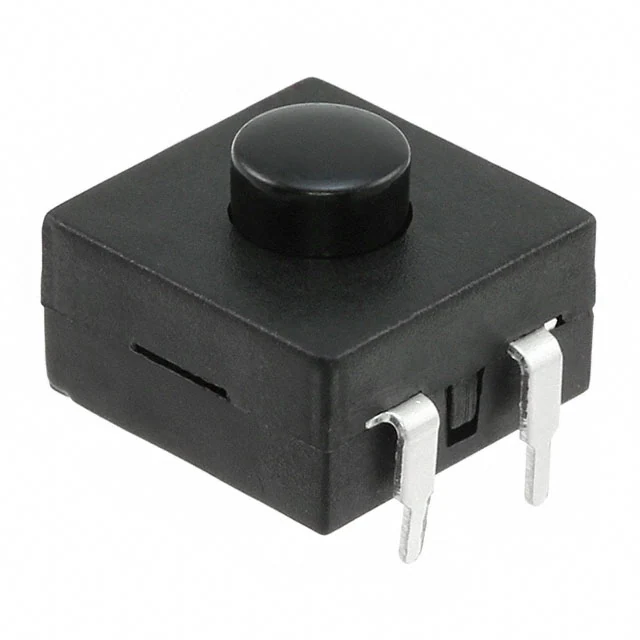
Compare momentary and latching push button switches. Check NO/NC contacts, micro-load current, illumination terminals, panel fit and replacement requirements.
Read More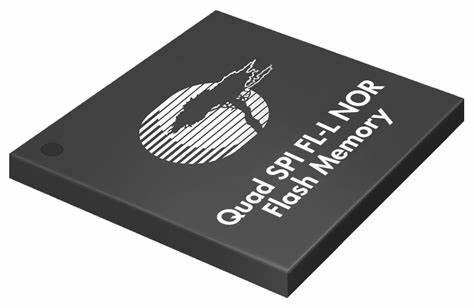
What Is NOR Flash? Why It Still Powers Critical Embedded Systems When your car’s engine control unit boots in milliseconds… When a medical device…
Read More
The rapid advancement of artificial intelligence (AI) is transforming industries across the globe, and the world of electronic components is no exception. From smarter…
Read More
Understand how oscillators generate timing signals, how they differ from crystals, and which frequency, output and stability specs matter when choosing one.
Read More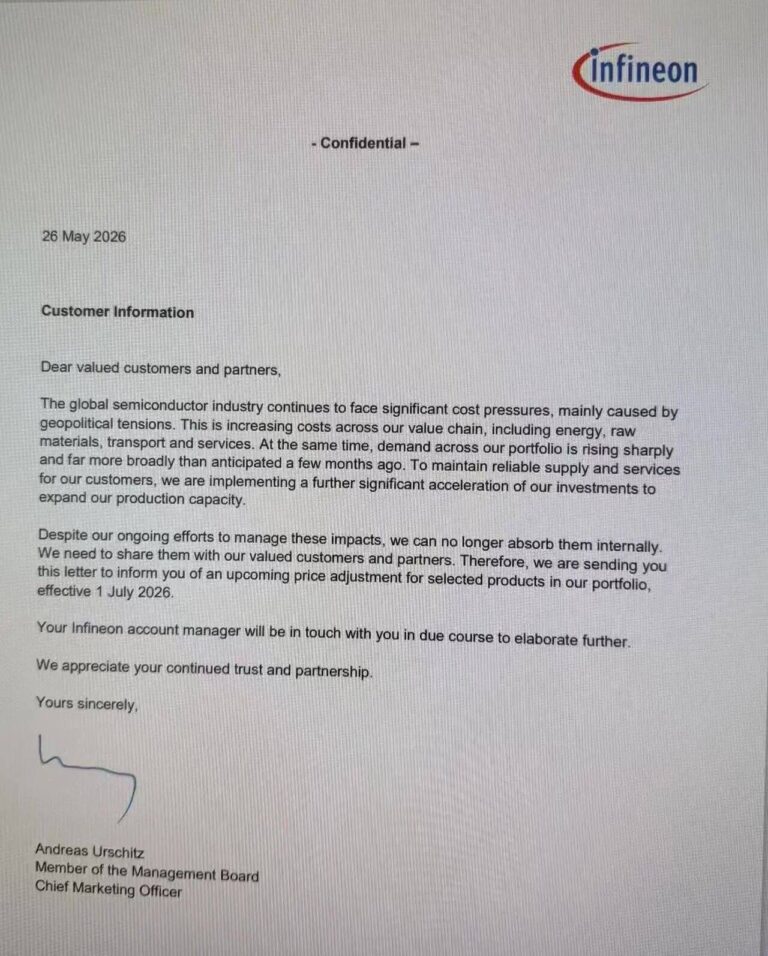
Munich, Germany – May 26, 2026 – Power semiconductor and automotive chip giant Infineon Technologies AG has formally notified customers worldwide of a second…
Read More
Choose a limit switch by actuator, travel, contact ratings and environment. Understand pretravel, overtravel and practical checks for machine integration.
Read More
Choose a vibration sensor for machine monitoring. Compare sensing methods, bandwidth, noise and mounting, then define the signal-chain requirements.
Read More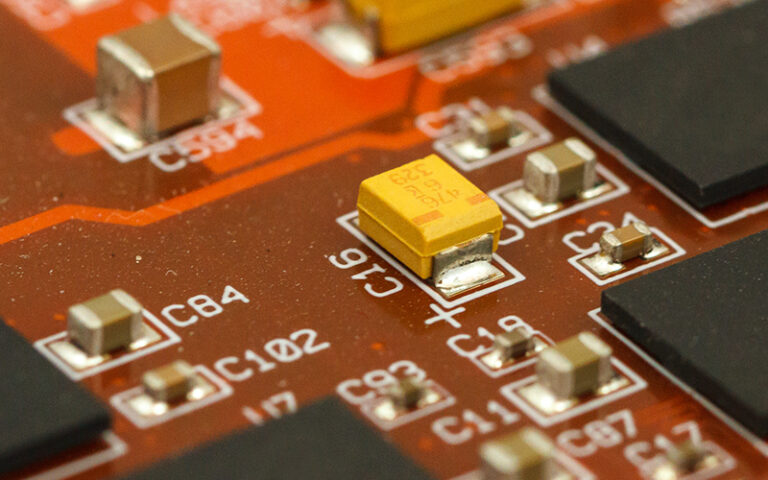
The global electronics industry is facing an escalating shortage of tantalum capacitors, a critical passive component, as surging demand from AI servers, automotive electronics,…
Read More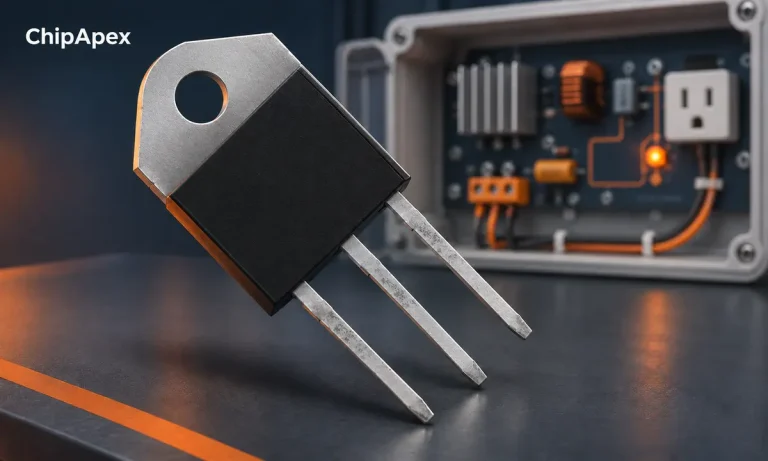
Learn how a TRIAC switches AC loads. Understand triggering, latching, holding current, phase control and thermal limits before choosing a component.
Read More
A perfect storm of surging demand and supply chain disruptions is roiling the global electronic components market, with advanced semiconductors and critical materials now…
Read More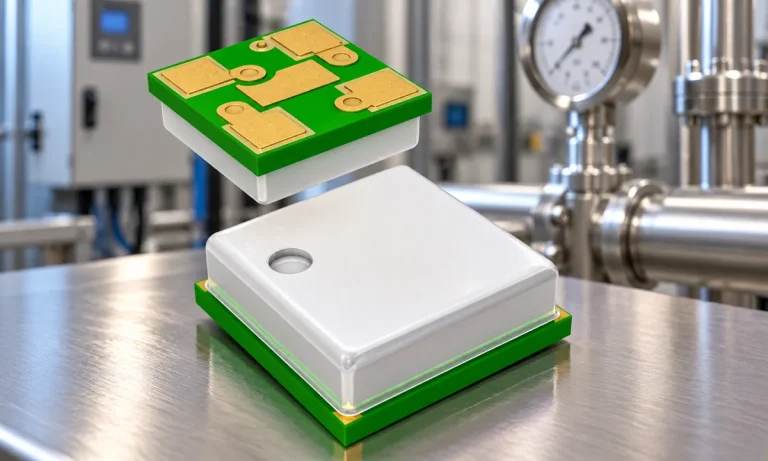
Learn how a pressure transducer converts pressure into voltage, current, or digital output, and compare pressure references and key selection specs.
Read More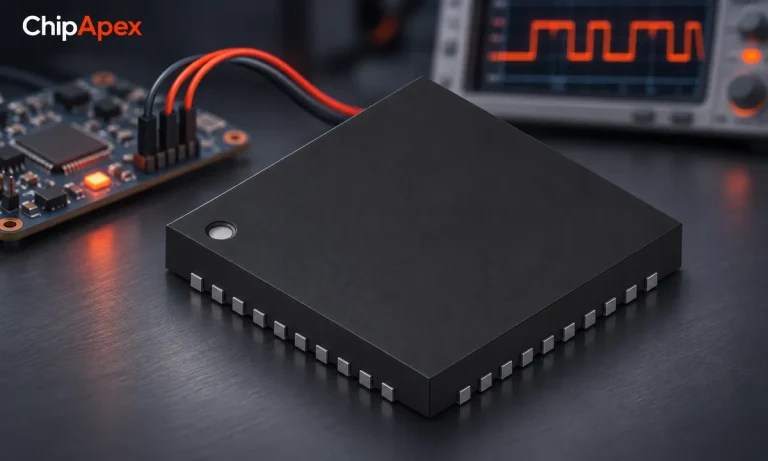
Understand UART protocol framing, baud rate and electrical interfaces. Learn 8N1 timing, TX/RX wiring, buffering and practical troubleshooting steps.
Read More
The activity of extra discounts on wholesale prices is in full swing…
Please fill in your contact information and we will send you the latest wholesale price list.