ChipApex | Global Electronic Components Supplier

SEARCH
Search Product
Search Post
Search productSearch post

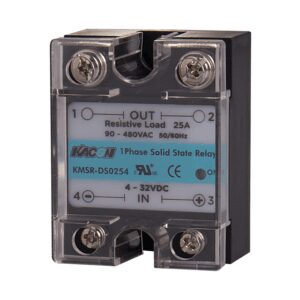
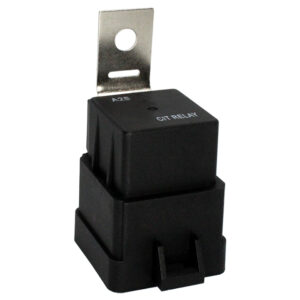
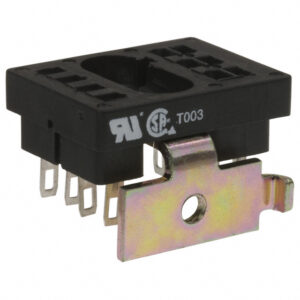
Relays and contactors are devices used to switch or interrupt the flow of electrical current in one or more circuits, using a control signal which is galvanically isolated from the circuit(s) being controlled, with various sub-groups demarcated along lines of device construction or intended application. Traditionally and still-commonly based on the use of an electromagnet to open or close a set of mechanical switch contacts, newer devices using solid-state technologies are also widely available, with both types having characteristics to recommend them under different application conditions.
| Select products | Mfr | Description | Package | Supplier Device Package | Mounting Type | Series | Operating Temperature |
|---|---|---|---|---|---|---|---|
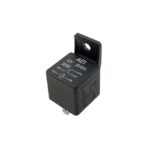 BU5035 $2.37 | BEULER | Relay 30/40 Amp, 12 VDC, SPDT | Tape & Box (TB) | Chassis Mount | - | - | |
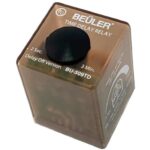 BU509TD $19.47 | BEULER | Time Delay Relay delay to OFF | Bulk | Socketable | - | - | |
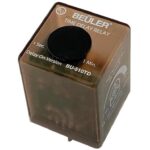 BU510TD $19.47 | BEULER | Time Delay Relay delay to ON | Bulk | Socketable | - | - |
A relay lets one control signal switch a separate load path through contacts or a semiconductor output.
Relays switch power, route signals and isolate control electronics from a load.
Choose the switching technology and check the load type, inrush and control requirements.
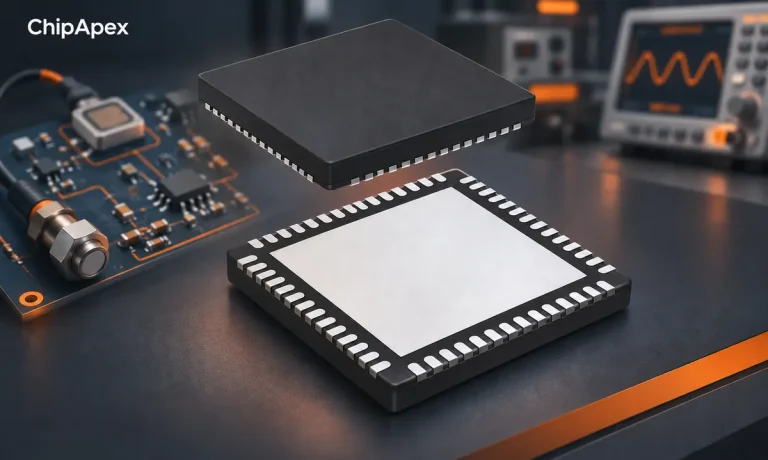
Learn how an analog front end conditions sensor signals. Compare gain, noise, filtering, ADC settling and integration options before selecting components.
Read More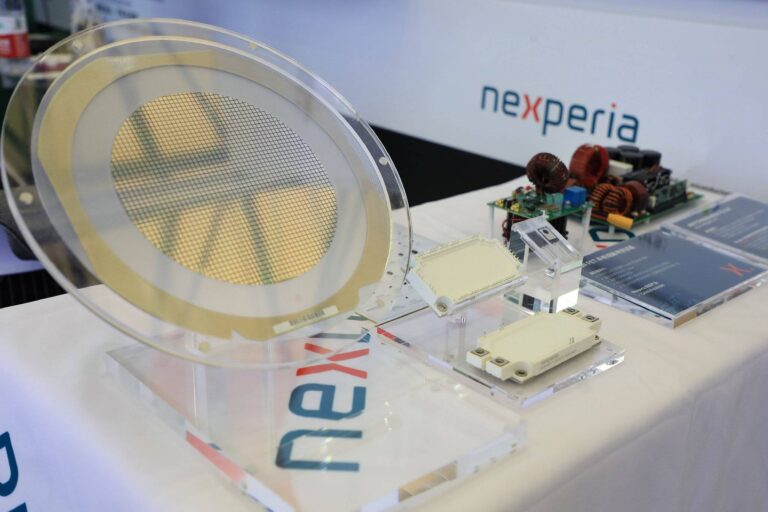
Dutch authorities announced on November 7 the lifting of control measures on Nexperia (formerly NXP Semiconductors' Standard Products division), marking the end of a…
Read More
Recently, the global electronic component market has witnessed a series of new developments. The strategic layouts and market collaborations of major enterprises are constantly…
Read More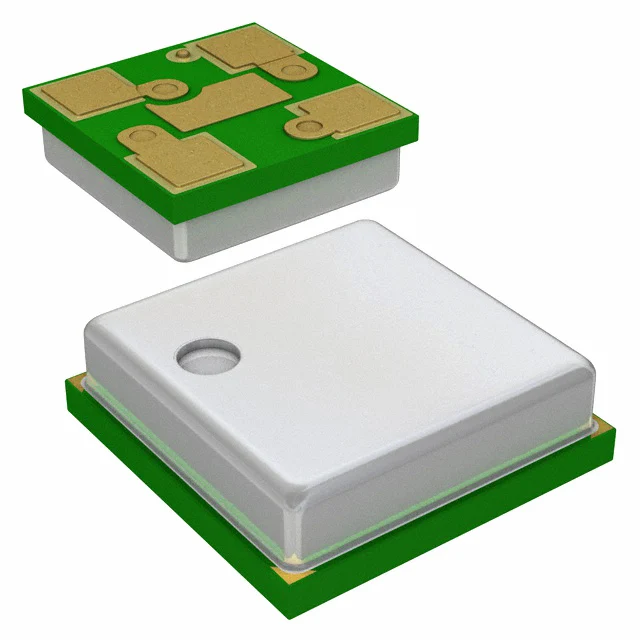
Interpret MAP sensor readings using local atmospheric pressure, convert a ratiometric signal to kPa and distinguish a pressure change from a signal fault.
Read More
As the backbone of modern technology, electronic components are undergoing revolutionary changes, driven by advancements in materials science, miniaturization, and smart manufacturing. From ultra-efficient…
Read More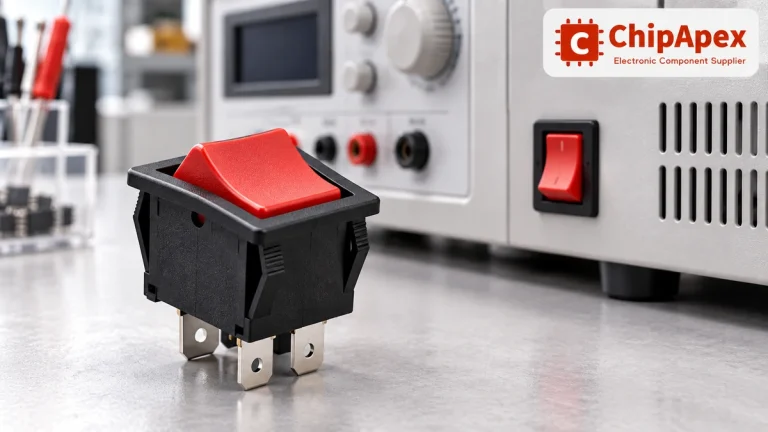
Choose a rocker switch by AC/DC ratings, contact arrangement, illumination, panel fit and sealing. Get practical checks for engineering and component sourcing.
Read More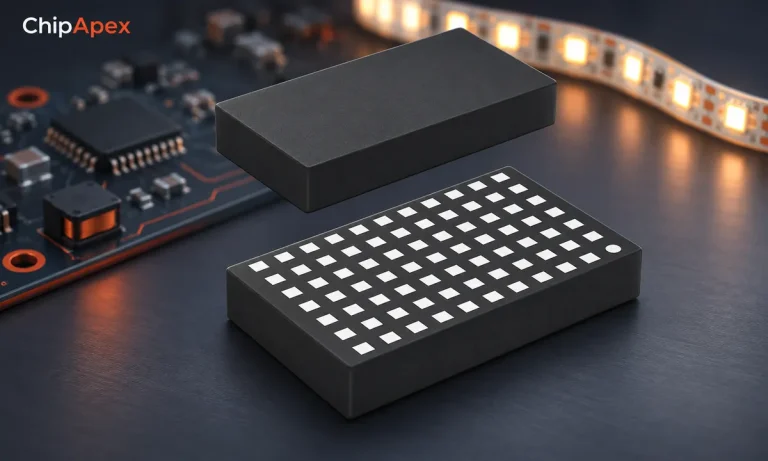
Choose LED drivers by current, string voltage, dimming and thermal limits. Understand constant-current operation and the checks needed for your load.
Read More
A perfect storm of surging demand and supply chain disruptions is roiling the global electronic components market, with advanced semiconductors and critical materials now…
Read More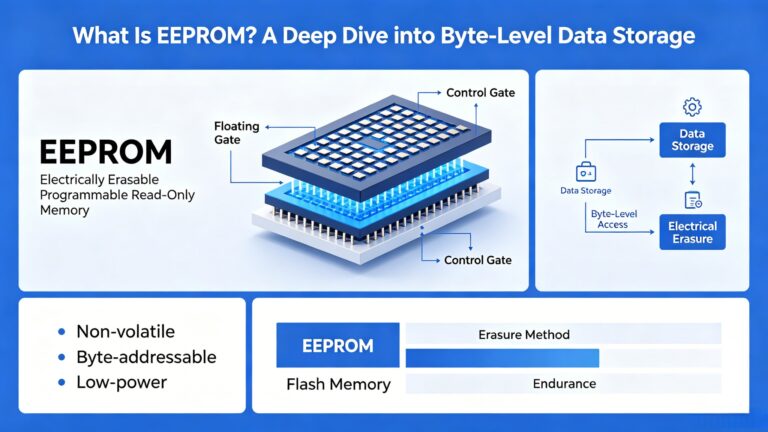
In the vast landscape of memory technology, EEPROM (Electrically Erasable Programmable Read-Only Memory) often plays the unsung hero. While NAND Flash grabs headlines for…
Read More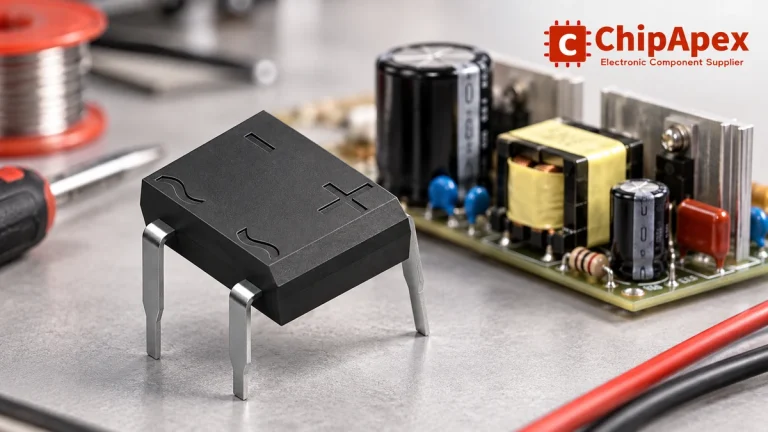
Select a bridge rectifier by reverse voltage, capacitor charging current, startup surge and cooling. Work through a stated DC voltage and ripple example.
Read More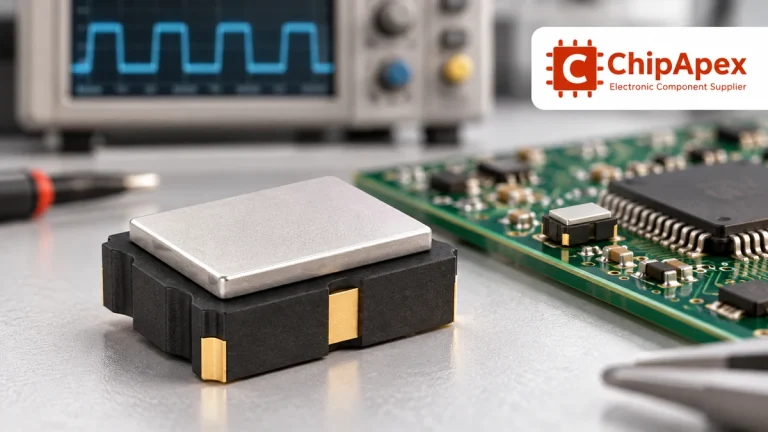
Compare RC, crystal and MEMS oscillator circuits. Check ppm, jitter, load capacitance, startup margin and output compatibility before choosing a clock source.
Read More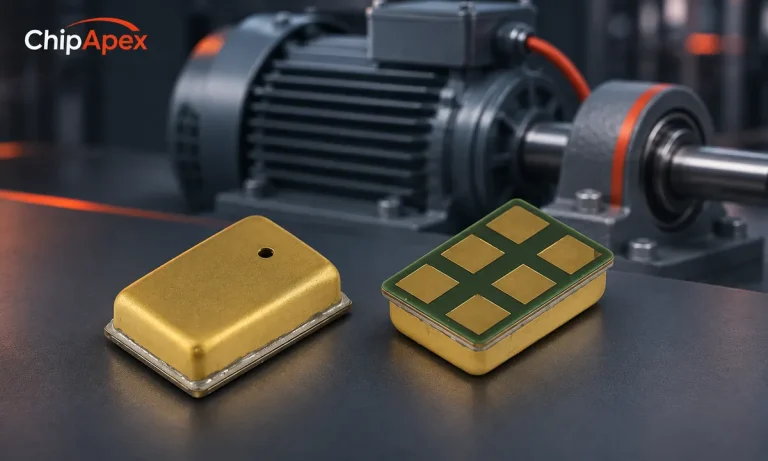
Choose a vibration sensor for machine monitoring. Compare sensing methods, bandwidth, noise and mounting, then define the signal-chain requirements.
Read More
The activity of extra discounts on wholesale prices is in full swing…
Please fill in your contact information and we will send you the latest wholesale price list.