 ChipApex | Global Electronic Components Supplier

SEARCH
Search Product
Search Post
— IC芯片 | 连接器 | 传感器 | 被动器件 —
Search productSearch post
— IC芯片 | 连接器 | 传感器 | 被动器件 —
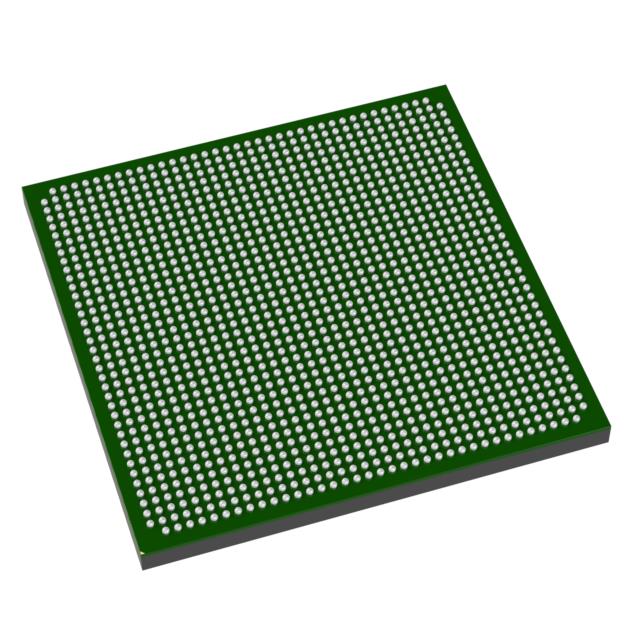
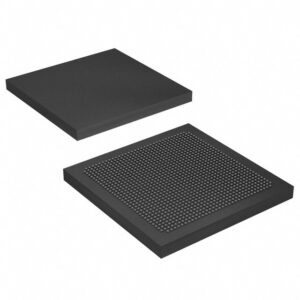
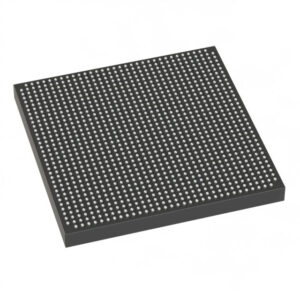
A Field Programmable Gate Array (FPGA) is a programmable integrated circuit that allows users to implement customized hardware logic configurations after manufacturing. FPGAs are user-configurable and are widely used for performing logical operations and information processing, often in applications demanding real-time performance and extremely high speeds. With a very high level of integrated functionality, FPGAs can replace general-purpose microprocessors in systems where known operations—such as receiving and processing data from high-speed data converters—need to be executed rapidly and deterministically. Unlike fixed-function chips, FPGAs are reprogrammable, meaning they can be configured multiple times using hardware description languages like Verilog. At the heart of an FPGA are configurable logic blocks (CLBs), programmable interconnects, logic gates, and flip-flops, which are organized into a flexible architecture called a gate array. These components support complex logic creation, digital signal processing, and extensive parallel processing. Typically, FPGAs require an external memory device—often flash memory or read-only storage—to hold the configuration data and reload it upon each startup. This makes them particularly well-suited for telecommunications, data center infrastructure, and advanced embedded systems where both performance and low power consumption are critical. FPGAs serve as a software-defined hardware platform, allowing designers to build custom processor logic or accelerate functions beyond what a typical microcontroller can handle. The flexibility to reconfigure them makes FPGAs a key technology for prototyping, evolving product designs, and deploying real-time hardware solutions.
 5SGXMB5R3F43I4NView Product
 EP4SGX360KF43C2View Product
 5SGSMD3E2H29C1NView Product
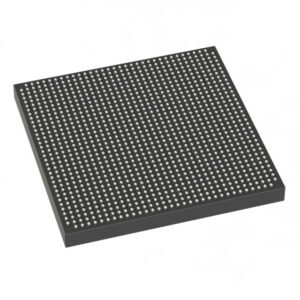 EP3SL110F1152C3GView Product
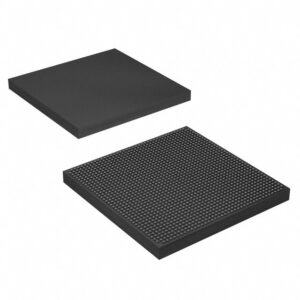 10AX115R1F40E1SGView Product
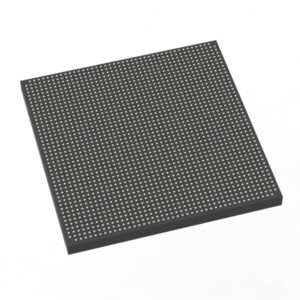 5SGXEA5N3F45I3LNView Product5SGXMA7N2F45I3LNView Product
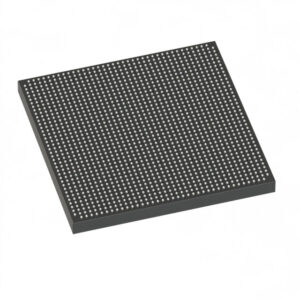 5SGXEABK2H40C3GView Product
 10AX048K2F35I1SGView ProductEP4SGX110HF35C2View Product
 5SGXMA5K2F35C3WNView Product
 XC2VP70-7FFG1704CView Product
Learn how a pressure transducer converts pressure into voltage, current, or digital output, and compare pressure references and key selection specs.
Read More
Recently, the global electronic components market has been constantly evolving, and different regions and enterprises have witnessed new moves in aspects such as technological…
Read More
Learn how a JFET works and how to compare bias, leakage, noise and pinout. Review practical selection questions for high-impedance analog circuits.
Read More
The global memory market is entering an unprecedented supply-constrained phase as soaring demand from artificial intelligence (AI) infrastructure collides with strategic capacity reallocations by…
Read More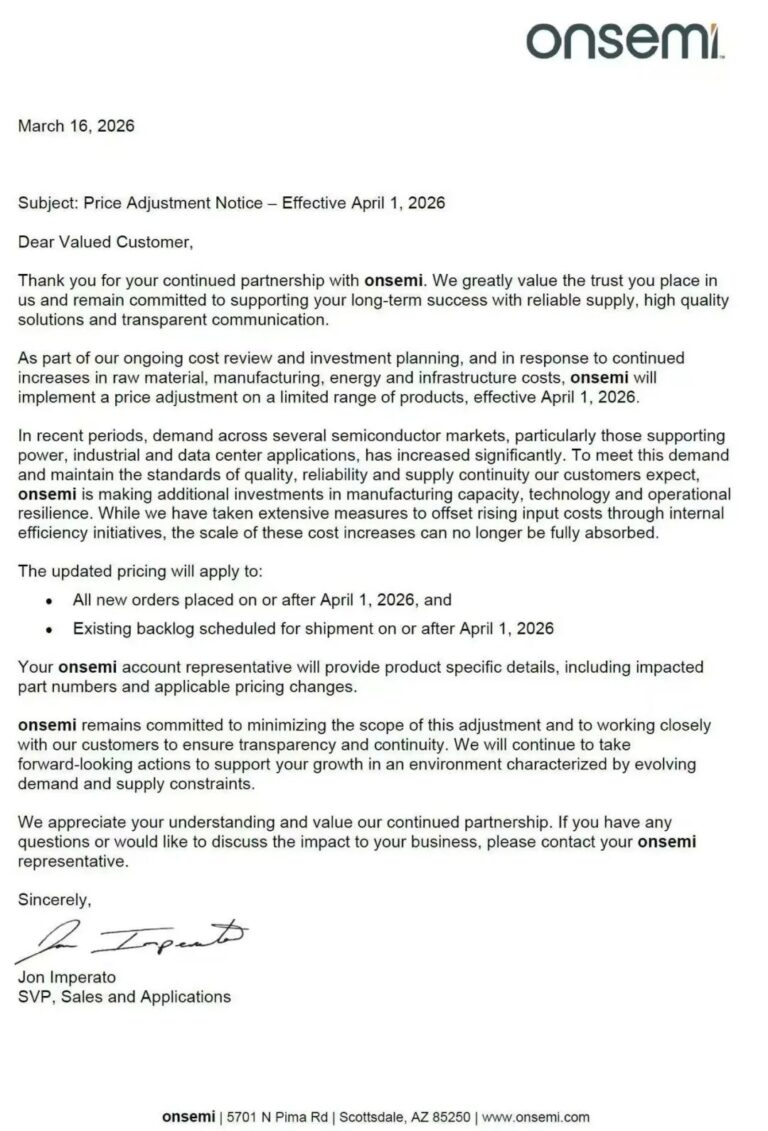
ON Semiconductor (onsemi), a global leader in intelligent power and sensing technologies, has announced plans to implement price adjustments for select product lines, effective…
Read More
The multilayer ceramic capacitor (MLCC) market has fallen into a severe structural supply crunch in the third quarter of 2026, driven by explosive demand…
Read More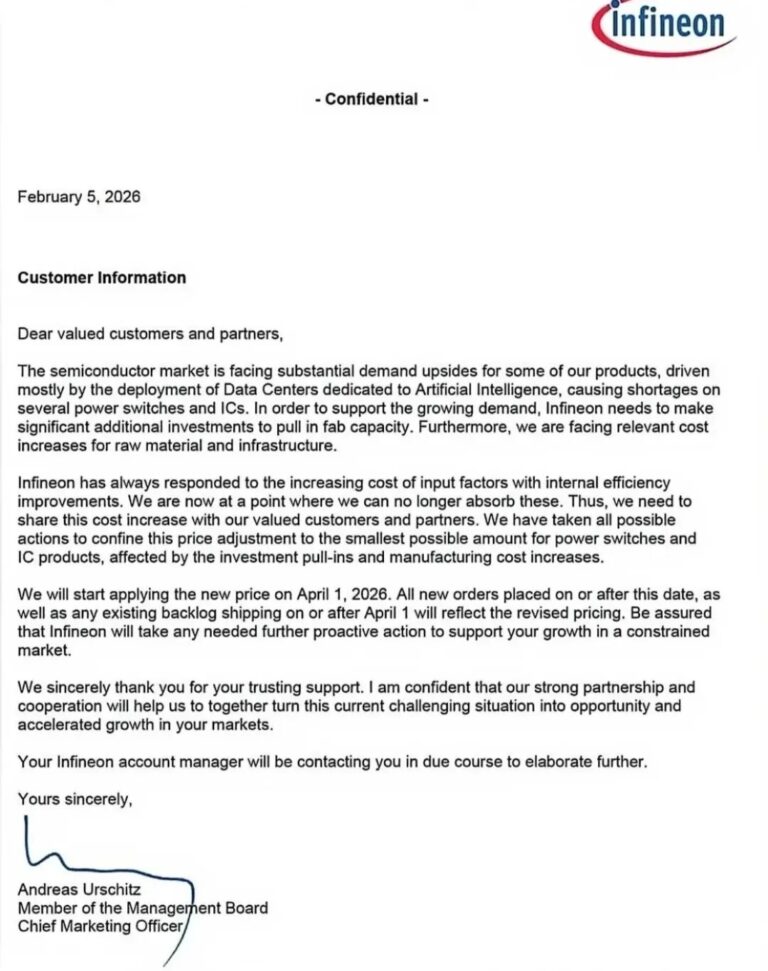
Munich, Germany – February 8, 2026 — Infineon Technologies, the German semiconductor giant, officially issued a price increase notice on February 5, announcing that…
Read More
Understand UART protocol framing, baud rate and electrical interfaces. Learn 8N1 timing, TX/RX wiring, buffering and practical troubleshooting steps.
Read More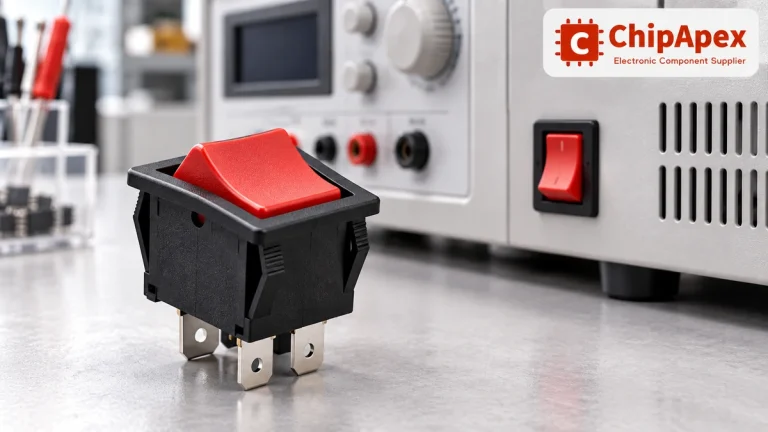
Choose a rocker switch by AC/DC ratings, contact arrangement, illumination, panel fit and sealing. Get practical checks for engineering and component sourcing.
Read More
Vishay Intertechnology, Inc., a global leader in discrete semiconductors and passive electronic components, has officially announced a price adjustment for its Metal-Oxide-Semiconductor Field-Effect Transistors…
Read More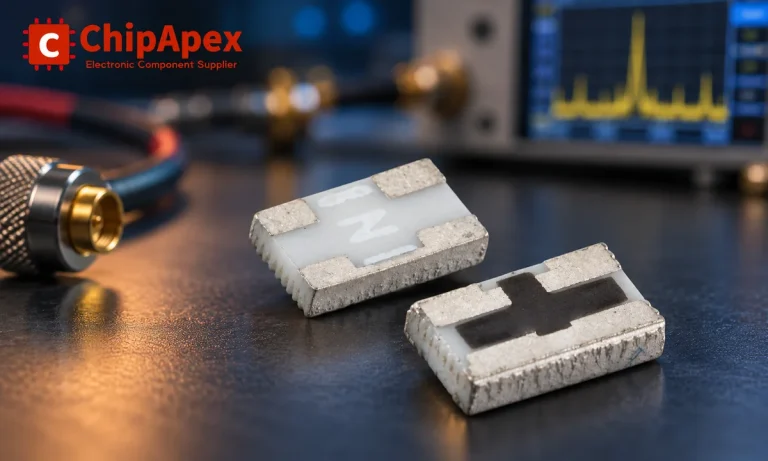
Understand RF attenuator dB values, fixed and programmable types, impedance, power limits and noise tradeoffs before choosing parts for an RF signal path.
Read More
If you’ve spent any time staring at a schematic, you’ve seen the triangle. Two inputs, one output, and a gain symbol that looks deceptively…
Read More
The activity of extra discounts on wholesale prices is in full swing…
Please fill in your contact information and we will send you the latest wholesale price list.

