ChipApex | Global Electronic Components Supplier

SEARCH
Search Product
Search Post
— IC芯片 | 连接器 | 传感器 | 被动器件 —
Search productSearch post
— IC芯片 | 连接器 | 传感器 | 被动器件 —

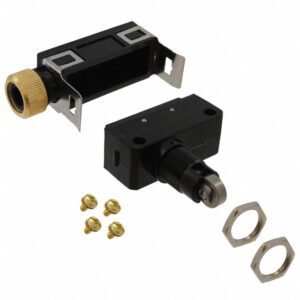
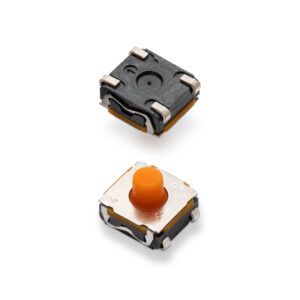
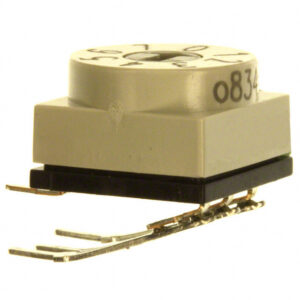
Safety and Emergency Switches Cable Pull Switch: Used in conveyor or industrial systems, these switches allow users to shut down equipment by pulling a cable from any point along its length. Emergency Stop Switch: A large, easily accessible pushbutton designed to immediately stop machinery in an emergency. Disconnect Switch: Completely isolates electrical equipment from its power source for safety during maintenance. Interlock Switch: Prevents equipment from operating when a guard or door is open; often used for safety compliance. Mechanical Control Switches Pushbutton Switch: A basic, momentary or latching switch activated by pressing a button; common in machinery and user controls. Toggle Switch: A manual lever-style switch for simple on/off control; widely used in panels and power controls. Rocker Switch: A switch that rocks back and forth; commonly found in power strips and appliances. Rotary Switch: Allows selection between multiple positions or settings by rotating a knob. Selector Switch: Similar to rotary switches but often used with key or lever mechanisms for mode selection. Slide Switch: Small, compact switch activated by sliding a button; used in handheld electronics and small devices. Input and Interface Switches DIP Switch: A set of small switches on a circuit board used to configure settings manually, such as in computer hardware. Keypad Switch: A grid of switches beneath buttons that allows multi-key input, as seen on telephones or entry systems. Programmable Display Switch: Combines a digital display and switch, allowing customized visual feedback and input. Tactile Switch: A small, surface-mount switch that provides a physical click when pressed; common in keyboards and control panels. Thumbwheel Switch: A rotary-style switch operated by the thumb, often used to set numerical values directly.

Choose a DIP switch by contact type, coded positions, footprint and signal ratings. Check logic polarity, assembly conditions and PCB configuration behavior.
Read More
Understand how oscillators generate timing signals, how they differ from crystals, and which frequency, output and stability specs matter when choosing one.
Read More
Tokyo / Munich / Tessenderlo, December 24, 2025As the global semiconductor industry enters the first year of the 2nm process era, international electronic component…
Read More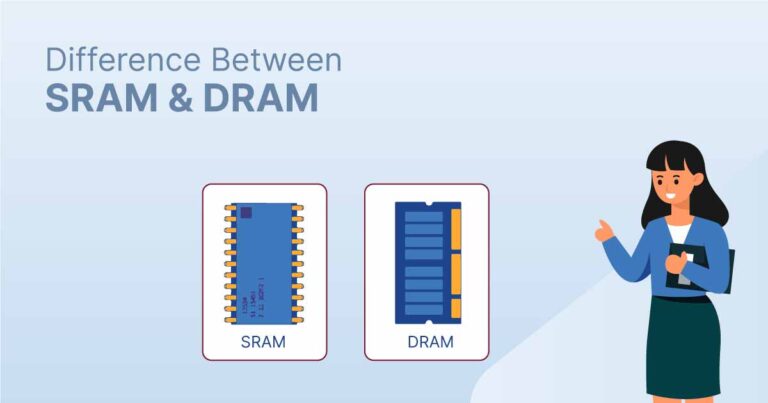
In an era dominated by AI accelerators with terabytes of HBM memory and consumer devices racing toward LPDDR5X bandwidth, it’s easy to wonder: why…
Read More
Compare RC, crystal and MEMS oscillator circuits. Check ppm, jitter, load capacitance, startup margin and output compatibility before choosing a clock source.
Read More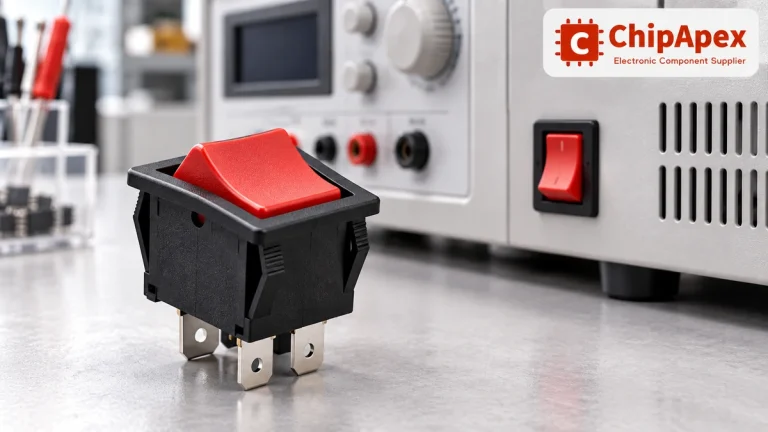
Choose a rocker switch by AC/DC ratings, contact arrangement, illumination, panel fit and sealing. Get practical checks for engineering and component sourcing.
Read More
Recently, a survey by the Electronic Components Industry Association (ECIA) revealed that the sales sentiment of global electronic components remained optimistic in the third…
Read More
If you’ve spent any time staring at a schematic, you’ve seen the triangle. Two inputs, one output, and a gain symbol that looks deceptively…
Read More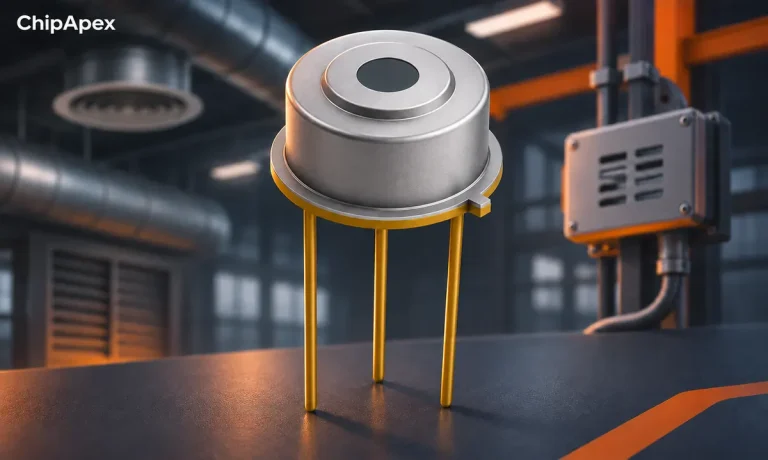
Compare gas sensor technologies, cross-sensitivity and calibration needs. Define the gas, range and environment before choosing a sensing component.
Read More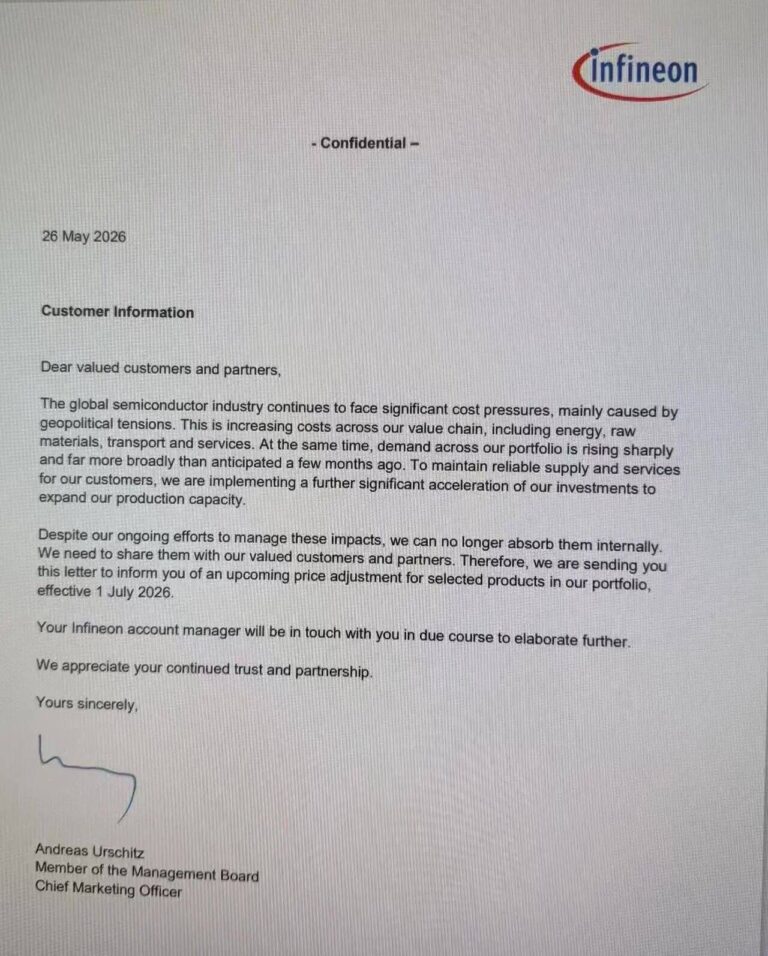
Munich, Germany – May 26, 2026 – Power semiconductor and automotive chip giant Infineon Technologies AG has formally notified customers worldwide of a second…
Read More
See how a MEMS gyroscope measures angular rate, why its angle estimate drifts, and which range, noise, interface and temperature specs to compare.
Read More
Understand UART protocol framing, baud rate and electrical interfaces. Learn 8N1 timing, TX/RX wiring, buffering and practical troubleshooting steps.
Read More
The activity of extra discounts on wholesale prices is in full swing…
Please fill in your contact information and we will send you the latest wholesale price list.