 ChipApex | Global Electronic Components Supplier

SEARCH
Search Product
Search Post
Search productSearch post
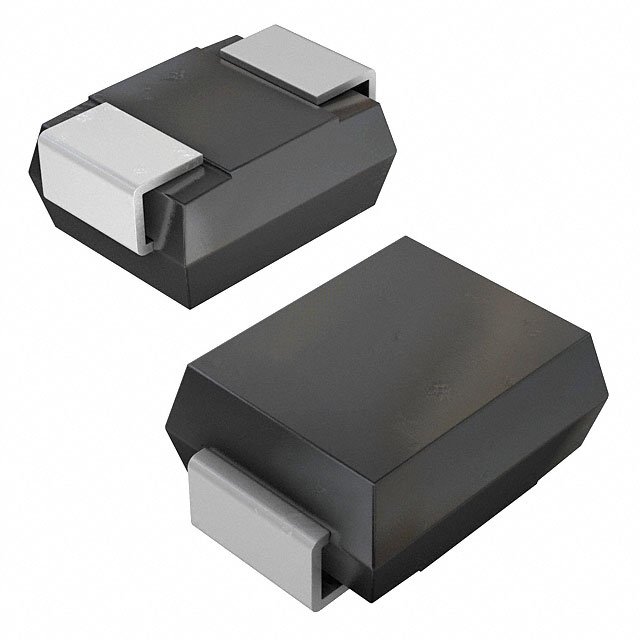
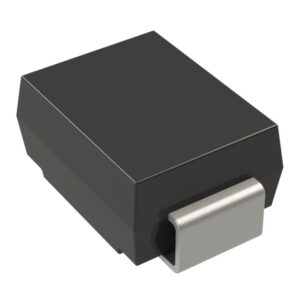
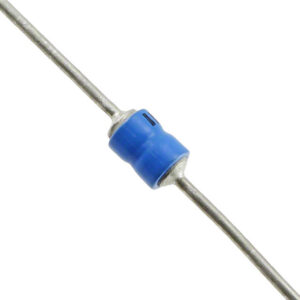
TVS Diodes are a semiconductor device designed to limit or stop surges in a specific voltage level. The items in this family are designed using diodes (a component that conducts in just one direction). TVS is an acronym for Transient Voltage Suppression (Suppressor). The types are steering (rail to rail) or Zener with the characteristics of unidirectional channels, bidirectional channels, voltage – reverse standoff, voltage – breakdown, voltage – clamping, current – peak pulse, power – peak pulse, and power line protection.
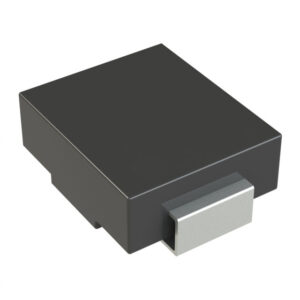 MSMCJLCE11A/TRView Product
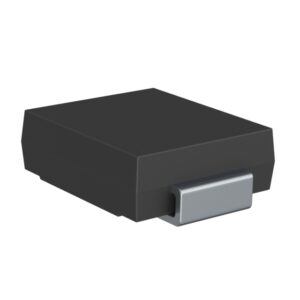 1SMC85CA TR13 PBFREEView Product
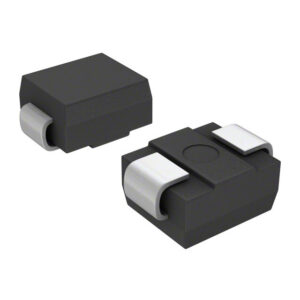 SM6T12AHE3_B/IView Product
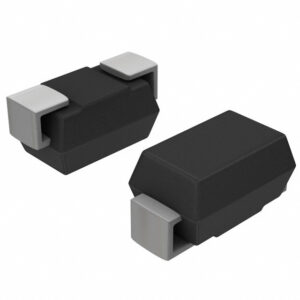 824501222View Product
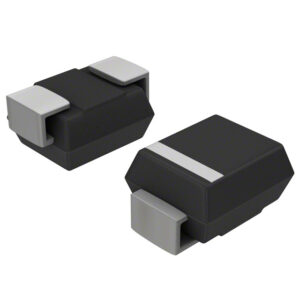 SMAJ26CA-TRView Product
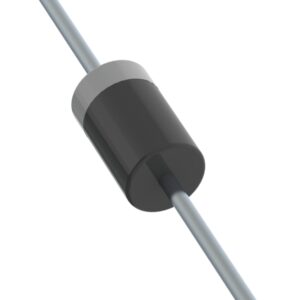 1.5KE33CA_R2_00001View Product
 30KPA54AE3/TR13View Product
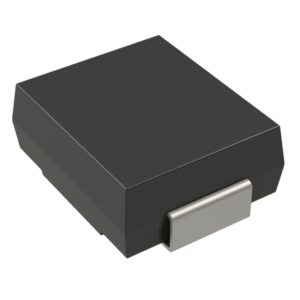 SMCJ188AHM3_A/IView Product
 3.0SMCJ7.5A-13View ProductMXLDA3KP16AView Product
 SMF36AView Product
 JANTX1N6127View Product
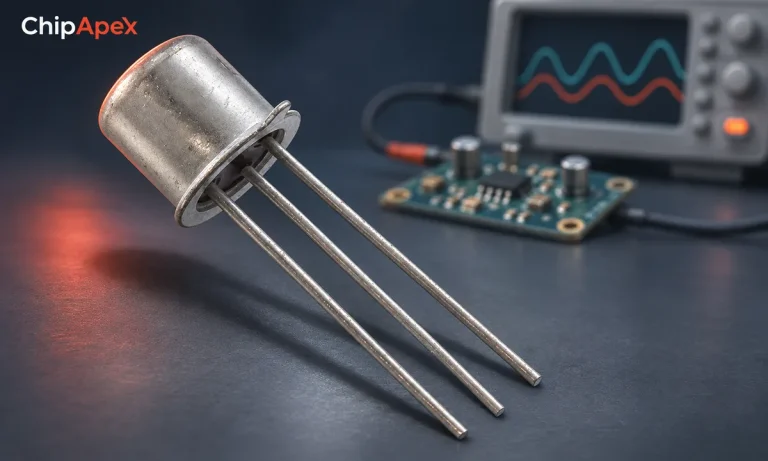
Learn what a transistor does in a circuit. Compare switching and amplification, BJT and MOSFET drive, operating limits and practical component selection.
Read More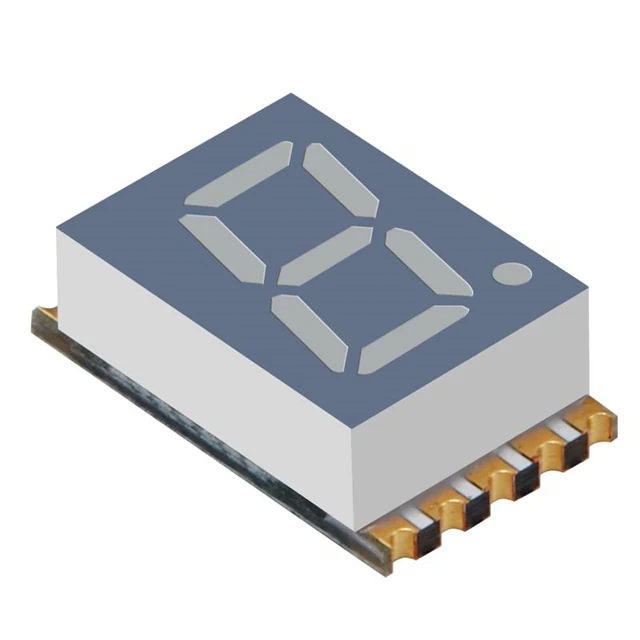
Identify common-anode and common-cathode seven-segment displays, calculate segment resistors and check driver current and four-digit multiplex timing.
Read More
Recently, the global electronic components market has been constantly evolving, and different regions and enterprises have witnessed new moves in aspects such as technological…
Read More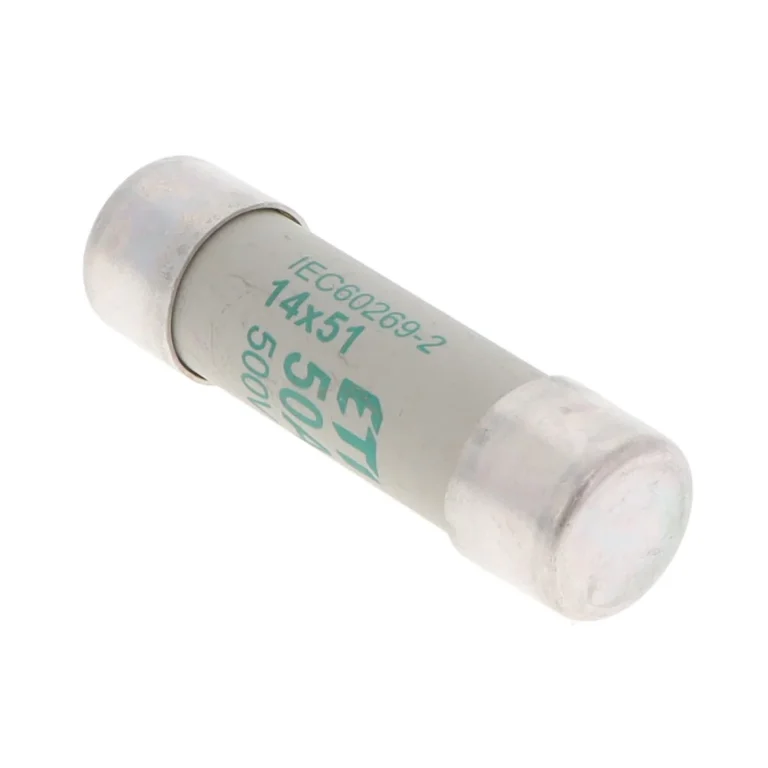
Understand HRC fuse breaking capacity, voltage and current ratings, time-current curves, and the checks needed for motor, feeder and converter protection.
Read More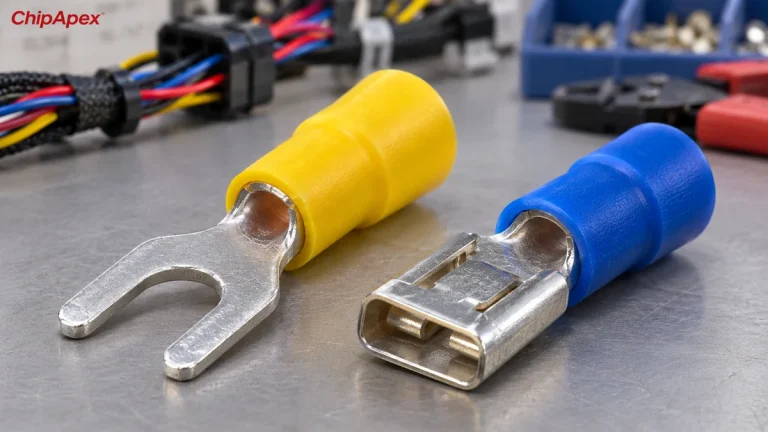
Identify fork terminals and flat-blade spade connectors. Match wire size, tab thickness, insulation and crimp tooling before selecting a replacement.
Read More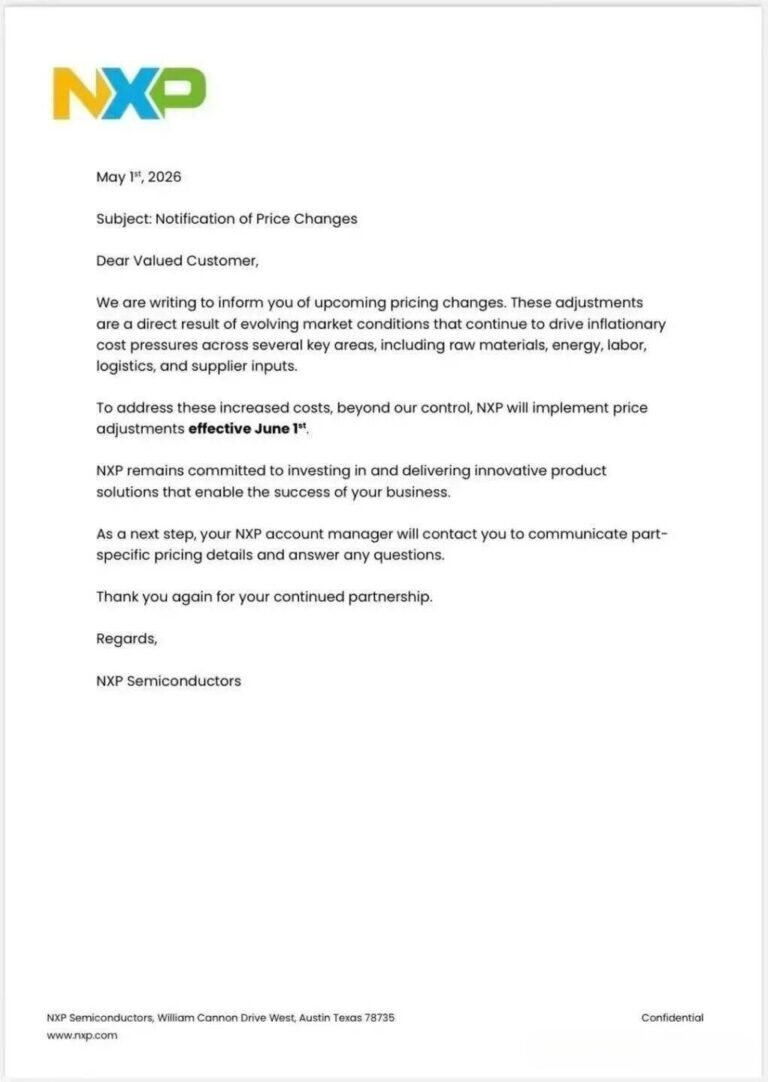
May 8, 2026 – Eindhoven, Netherlands NXP Semiconductors (NXPI), a global leader in automotive and industrial semiconductor solutions, has officially notified its worldwide channel…
Read More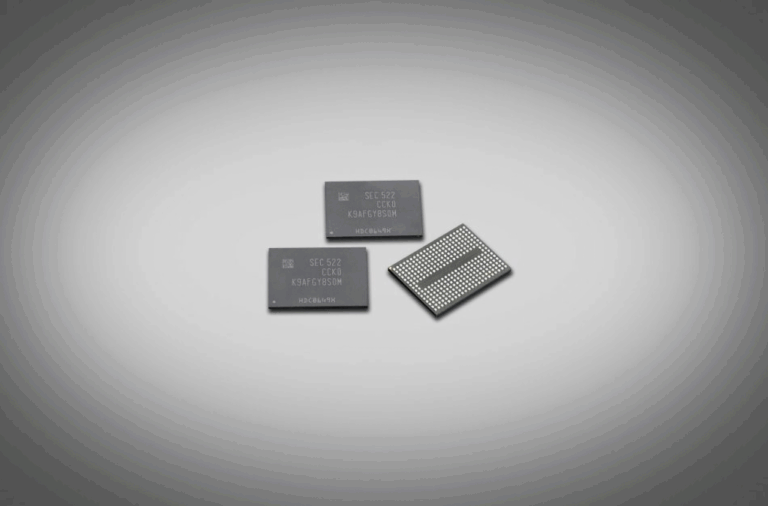
Date: May 13, 2026 The global memory industry is facing an unprecedented supply crunch in legacy MLC NAND Flash. Leading manufacturers including Samsung Electronics…
Read More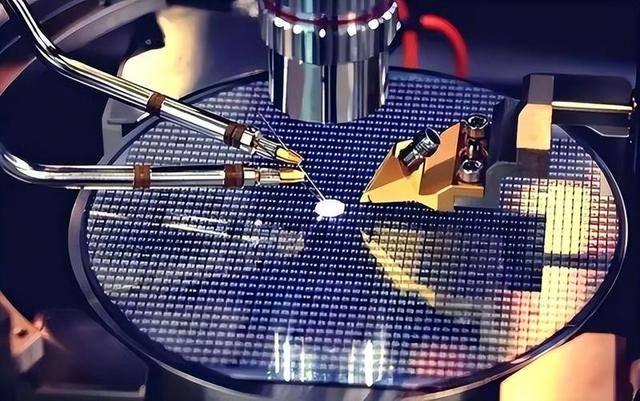
On September 22nd, it was reported that Samsung Electronics, the South Korean tech giant, had successfully passed NVIDIA's certification test for its 12-layer HBM3E…
Read More
Plan electronics thermal management with power-loss estimates, thermal metrics, sensor placement and fan control. Check heat paths and validate your system.
Read More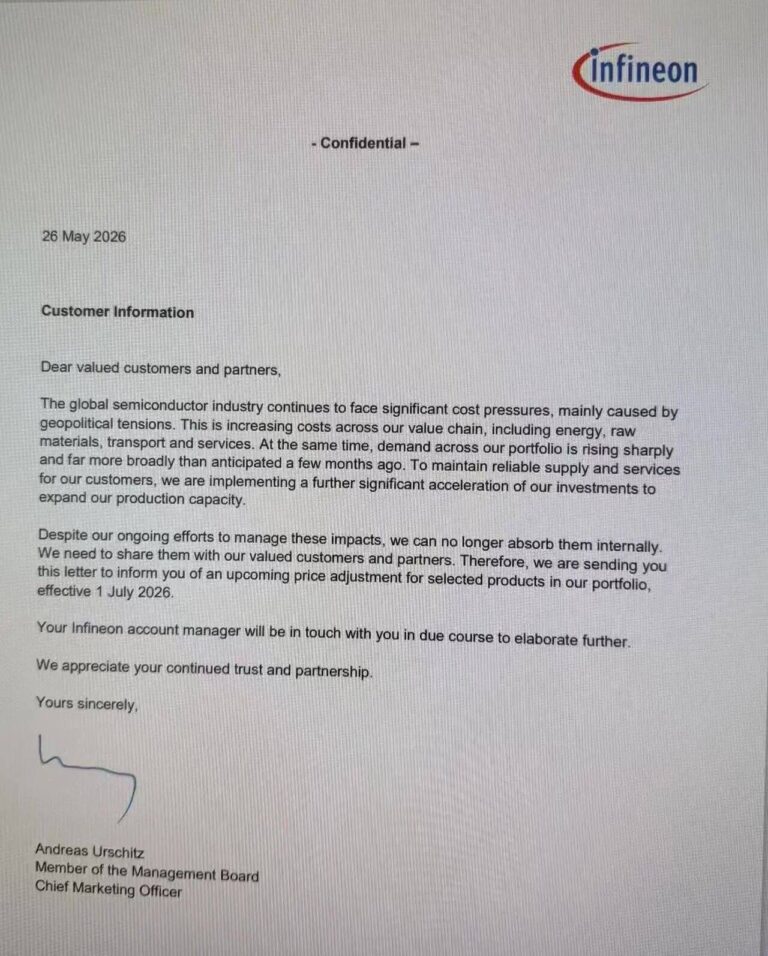
Munich, Germany – May 26, 2026 – Power semiconductor and automotive chip giant Infineon Technologies AG has formally notified customers worldwide of a second…
Read More
TOKYO, July 31, 2026 — Renesas Electronics Corporation has officially announced a major domestic manufacturing restructuring, confirming plans to gradually discontinue all wafer fabrication…
Read More
CHICAGO, USA – May 27, 2026 – Global leading interconnect manufacturer Molex officially issued a global distributor price adjustment notice on May 27, confirming…
Read More
The activity of extra discounts on wholesale prices is in full swing…
Please fill in your contact information and we will send you the latest wholesale price list.

