 ChipApex | Global Electronic Components Supplier

SEARCH
Search Product
Search Post
Search productSearch post
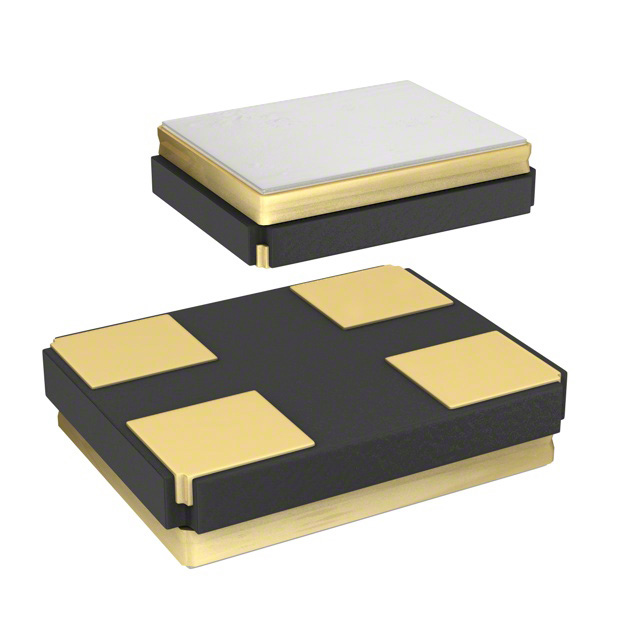
Crystal products are passive components most commonly used as time or frequency references in electronic systems. Consisting of a piezoelectric crystal that mechanically vibrates at a known frequency, their use requires provision of an external oscillator circuit with carefully designed capacitance, drive voltage, and series resistance characteristics, to generate a signal at the indicated crystal frequency that operates successfully over the operating temperature range, without damaging the crystal element. Active devices which integrate this additional necessary circuitry are considered oscillators and are catalogued separately.
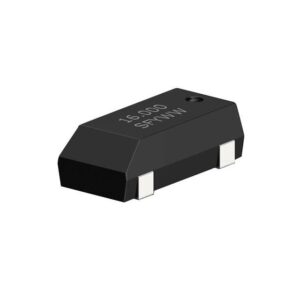 SXT83418FD48-20.000MView Product
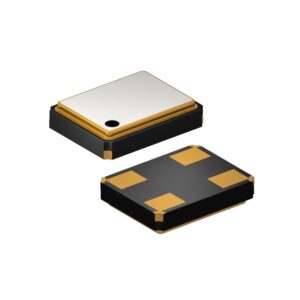 SXT21413CC07-50.000MView Product
 ECS-.327-6-12RR-TRView Product
 E3SB24E004000EView Product
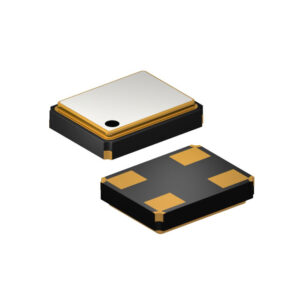 SXT32412ED38-27.000MView ProductSXT32412BA16-18.432MView Product
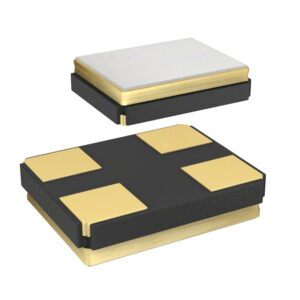 402F160XXCJRView ProductSXT21420EC16-50.000MView Product
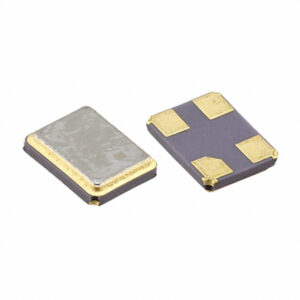 7M25000032View ProductSXT22420CB07-14.7456MView Product
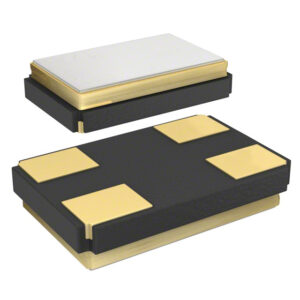 435F480X5GDTView ProductSXT21412CC38-38.400MView Product
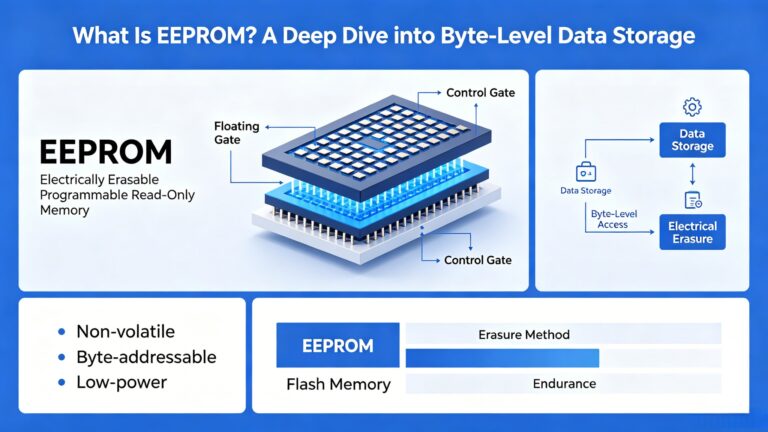
In the vast landscape of memory technology, EEPROM (Electrically Erasable Programmable Read-Only Memory) often plays the unsung hero. While NAND Flash grabs headlines for…
Read More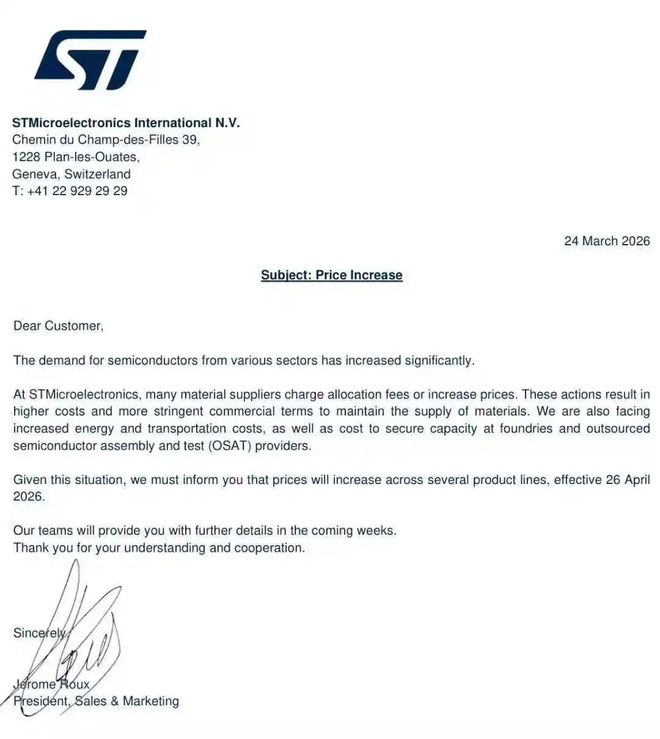
Geneva, Switzerland – March 25, 2026 – STMicroelectronics N.V. (NYSE: STM), a global semiconductor leader serving customers across the electronics applications spectrum, has announced…
Read More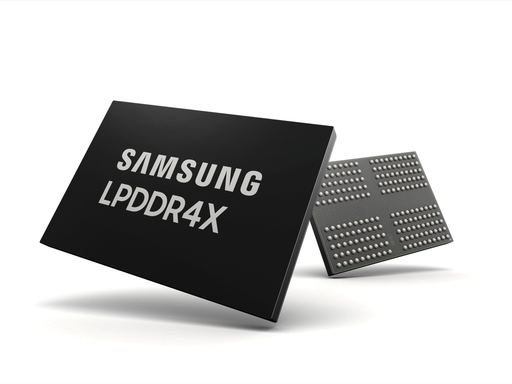
Samsung Electronics, the world's largest memory chip manufacturer, has officially confirmed the end-of-life (EOL) for its LPDDR4 and LPDDR4X low-power DRAM products, marking a…
Read More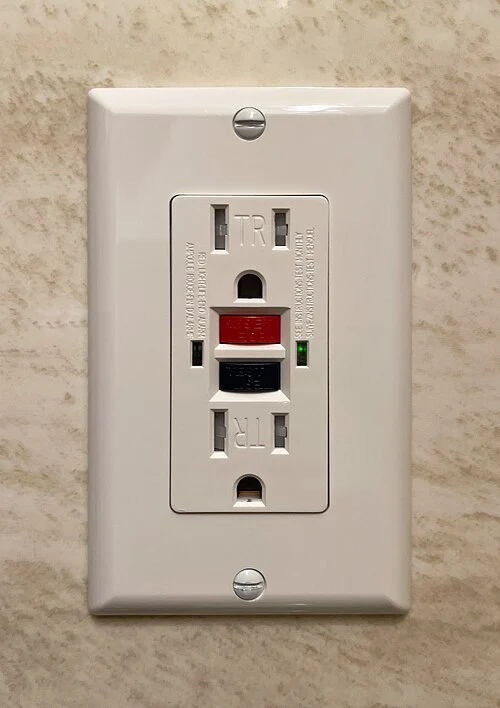
Compare standard breakers, GFCI receptacles and GFCI breakers, including the faults each detects and the ratings and listings to check before specifying.
Read More
Learn how an analog front end conditions sensor signals. Compare gain, noise, filtering, ADC settling and integration options before selecting components.
Read More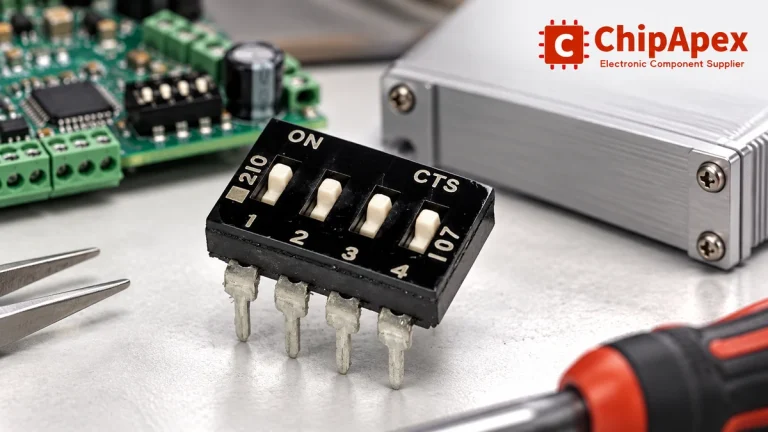
Choose a DIP switch by contact type, coded positions, footprint and signal ratings. Check logic polarity, assembly conditions and PCB configuration behavior.
Read More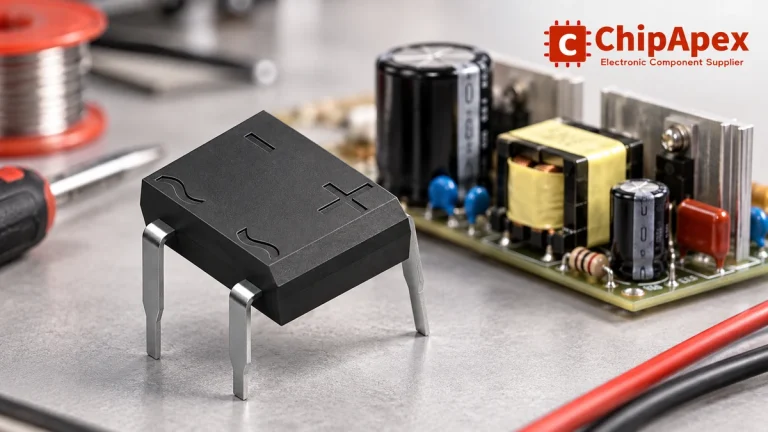
Select a bridge rectifier by reverse voltage, capacitor charging current, startup surge and cooling. Work through a stated DC voltage and ripple example.
Read More
A perfect storm of surging demand and supply chain disruptions is roiling the global electronic components market, with advanced semiconductors and critical materials now…
Read More
What Is NOR Flash? Why It Still Powers Critical Embedded Systems When your car’s engine control unit boots in milliseconds… When a medical device…
Read More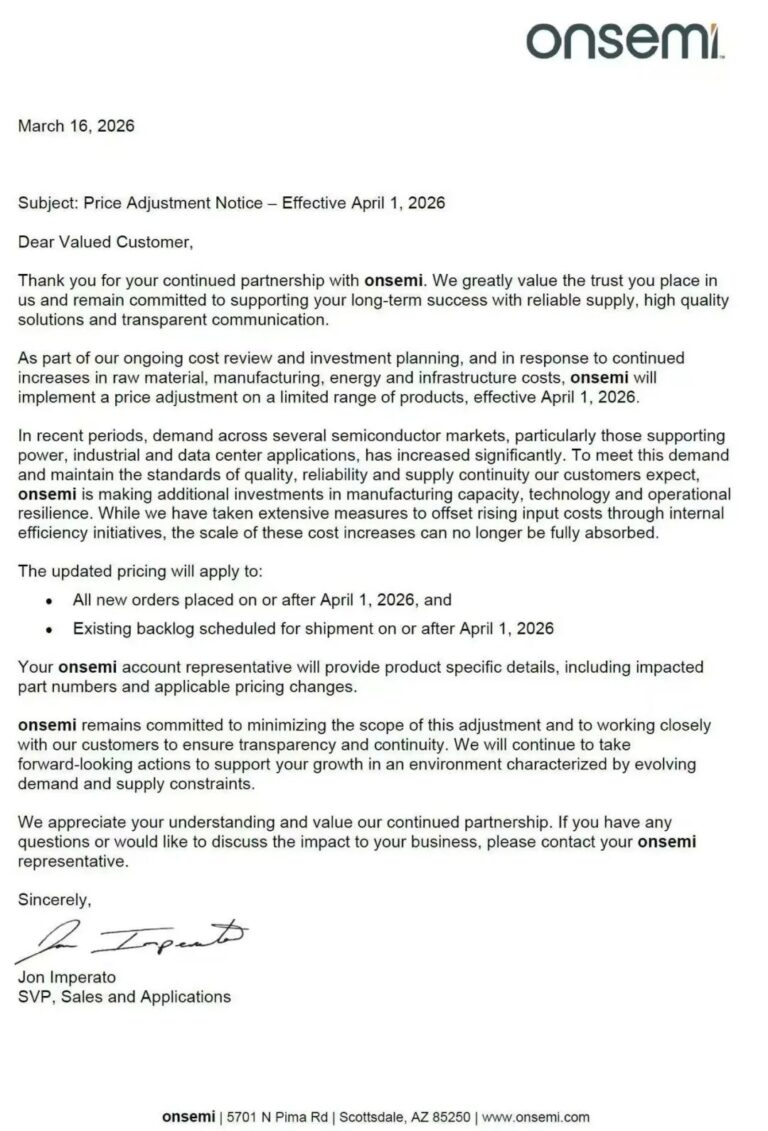
ON Semiconductor (onsemi), a global leader in intelligent power and sensing technologies, has announced plans to implement price adjustments for select product lines, effective…
Read More
Understand motor controller types, driver functions, startup current, feedback and braking. Use practical checks to match control electronics to your motor.
Read More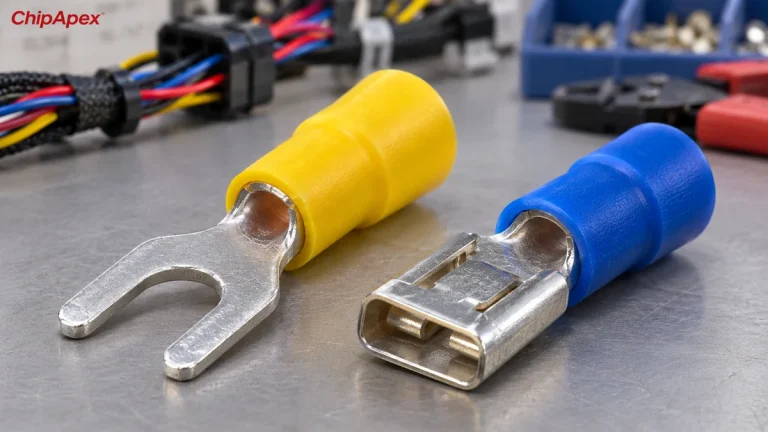
Identify fork terminals and flat-blade spade connectors. Match wire size, tab thickness, insulation and crimp tooling before selecting a replacement.
Read More
The activity of extra discounts on wholesale prices is in full swing…
Please fill in your contact information and we will send you the latest wholesale price list.

