 ChipApex | Global Electronic Components Supplier

SEARCH
Search Product
Search Post
Search productSearch post
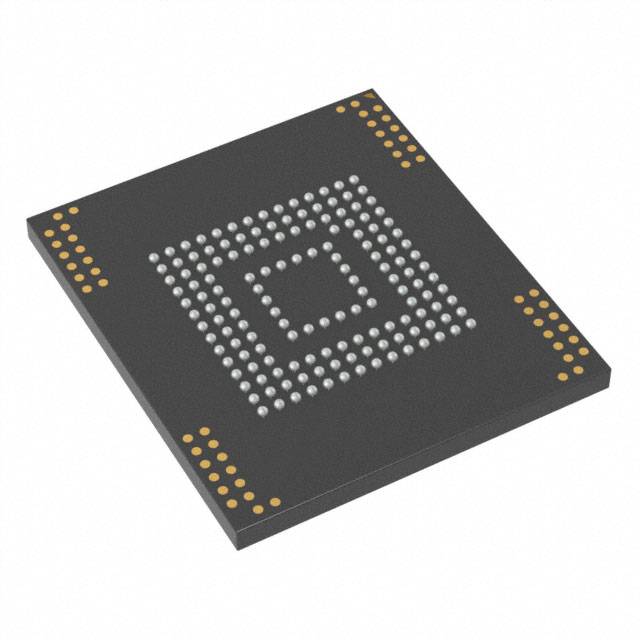
Memory is a semiconductor device that is used as data storage device on an integrated circuit. These devices are available in several formats CBRAM, DRAM, EEPROM, EERAM, EPROM, Flash, FRAM, NVSRAM, PCM (PRAM), PSRAM, RAM, and SRAM in either Non-Volatile or Volatile. These devices memory sizes range from 64 b to 6 Tb with the interface being I2C, MMC, Parallel, eMMC, Serial, Single Wire, SPI, UFS, Xccela Bus, and 1-Wire.
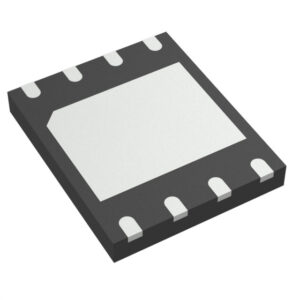 W25Q64FWZPIF TRView Product
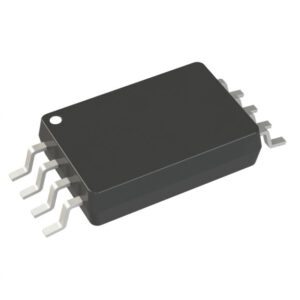 24FC16-E/STView Product
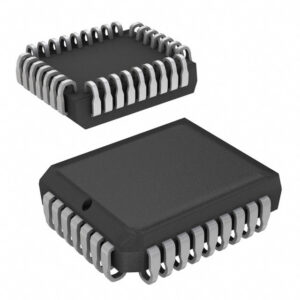 AT49F001ANT-45JIView Product
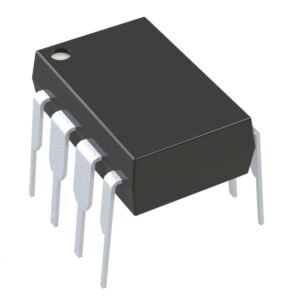 24LC00/PView Product
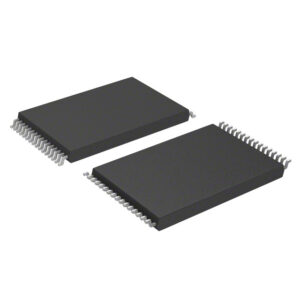 AT49BV001ANT-55VIView Product
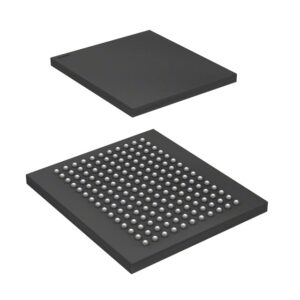 CY7C1514V18-200BZXIView Product
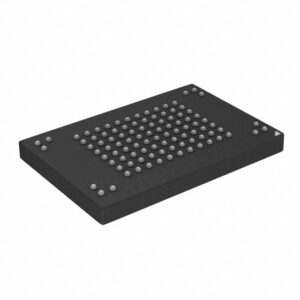 MT29F128G08AKCABH2-10Z:A TRView Product
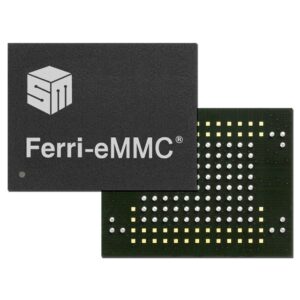 SM662GBF BFSTView Product
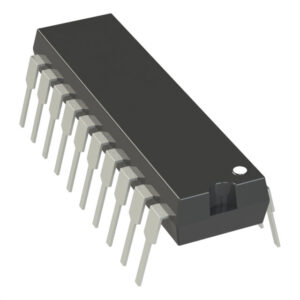 AT27C512R-90PCView Product
 W25Q20EWBYIG TRView Product
 MT48LC8M16A2B4-6A AAT:L TRView Product709269S15PFGView Product
As the backbone of modern technology, electronic components are undergoing revolutionary changes, driven by advancements in materials science, miniaturization, and smart manufacturing. From ultra-efficient…
Read More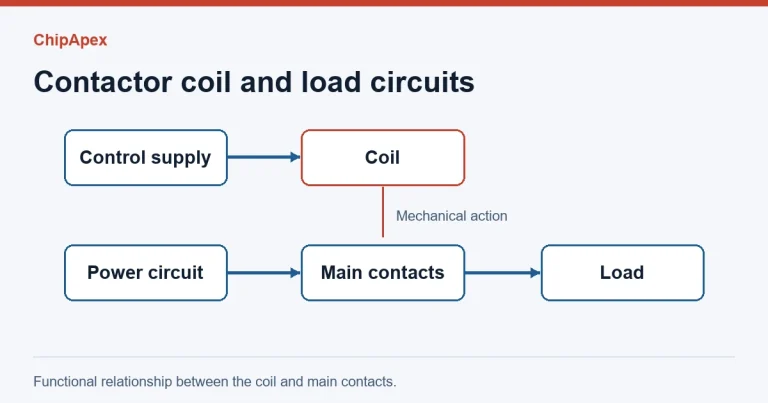
Learn what a contactor does, how it differs from a relay or starter, and how to check coil voltage, motor duty and protection before…
Read More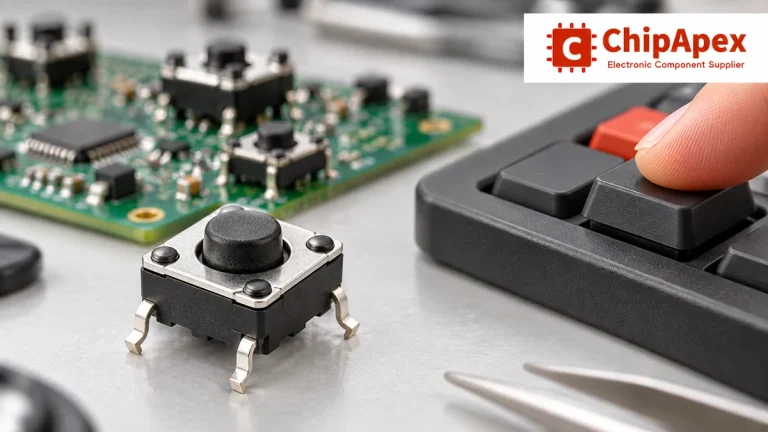
Understand tactile switches, PCB and keyboard differences, four-pin wiring, debounce, force, travel and replacement checks for reliable control inputs.
Read More
Learn how a JFET works and how to compare bias, leakage, noise and pinout. Review practical selection questions for high-impedance analog circuits.
Read More
WILMINGTON, Mass. – August 11, 2026 — Analog Devices, Inc. (NASDAQ: ADI), the global leading supplier of high-performance analog, mixed-signal and digital signal processing…
Read More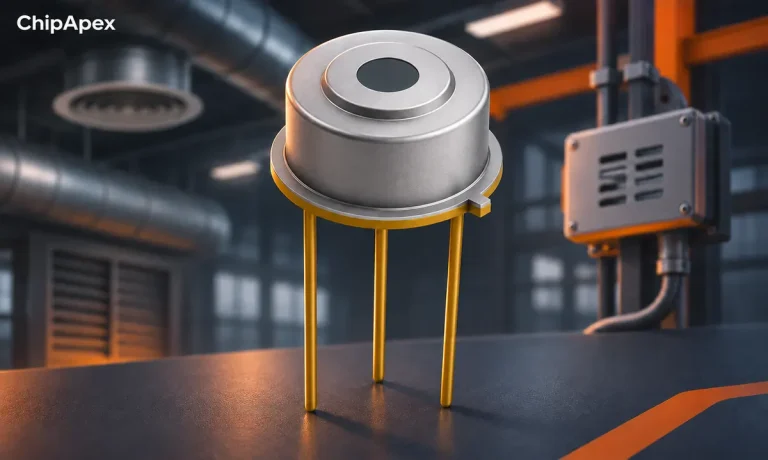
Compare gas sensor technologies, cross-sensitivity and calibration needs. Define the gas, range and environment before choosing a sensing component.
Read More
Choose a solid-state relay by AC or DC load, leakage, switching mode and heat. Review practical SSR limits and prepare component requirements for ChipApex.
Read More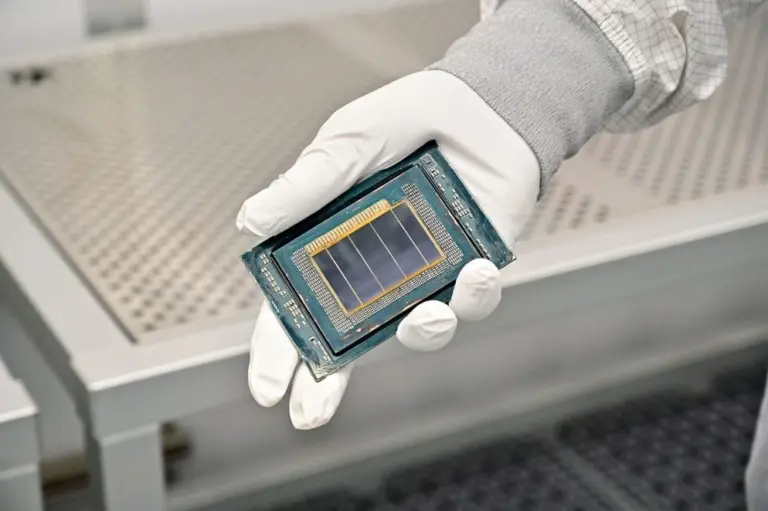
Recently, global semiconductor manufacturers have been constantly taking actions and presenting numerous new developments in aspects such as process technology and product research and…
Read More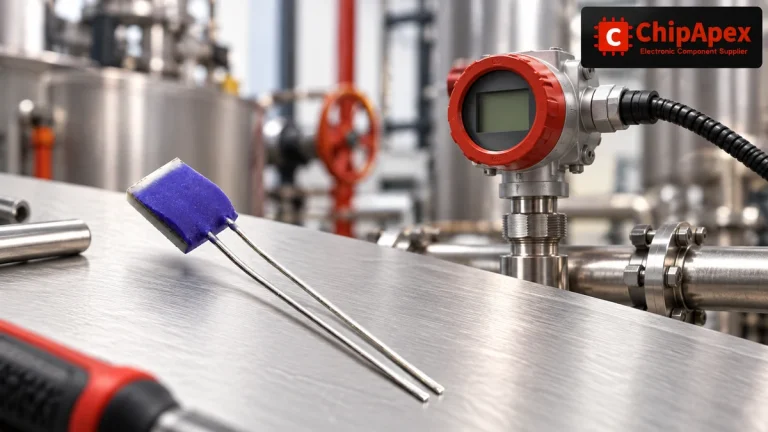
Compare Pt100 and Pt1000 RTDs, two-, three- and four-wire connections, excitation and self-heating. Build an error budget from element to reported temperature.
Read More
Recently, global semiconductor manufacturers have been constantly making moves in aspects such as technological cooperation, product manufacturing processes, and market layout, demonstrating the rapid…
Read More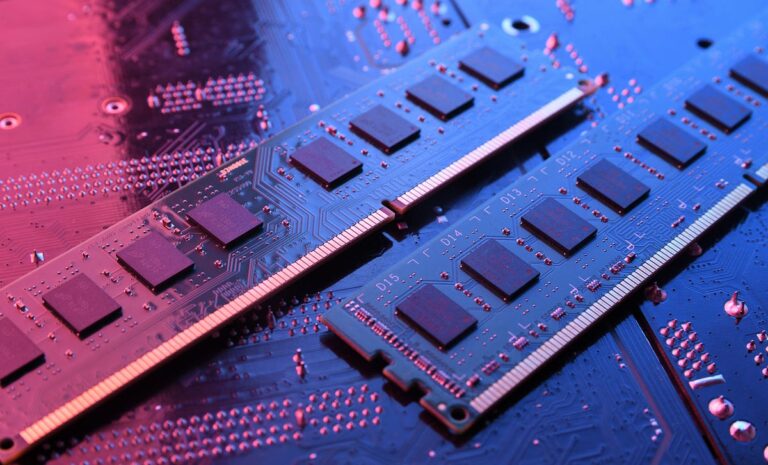
In the world of electronics, memory components play a critical role in system performance—and DRAM (Dynamic Random-Access Memory) is one of the most widely…
Read More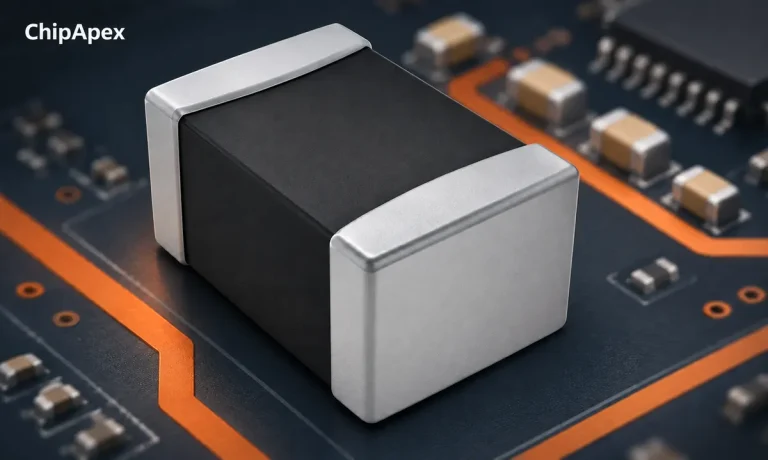
Learn how to use ferrite beads for noise filtering. Check impedance, DC bias, placement, resonance and load-step behavior before selecting a part.
Read More
The activity of extra discounts on wholesale prices is in full swing…
Please fill in your contact information and we will send you the latest wholesale price list.

