 ChipApex | Global Electronic Components Supplier

SEARCH
Search Product
Search Post
— IC芯片 | 连接器 | 传感器 | 被动器件 —
Search productSearch post
— IC芯片 | 连接器 | 传感器 | 被动器件 —
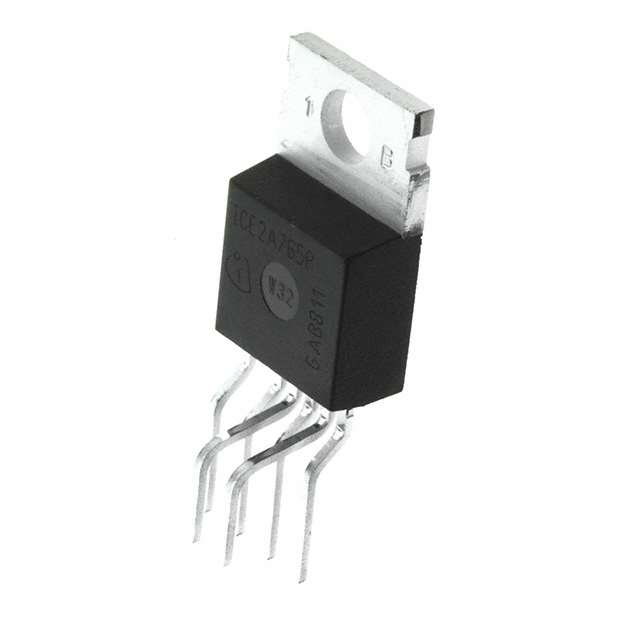
Power Management Integrated Circuits (PMICs) are multi-functional chips that manage the flow of electrical power within an electronic device. They combine several power management functions into a single, compact package, simplifying circuit design and reducing board space. Included in this category is PMICs for AC/DC Converters, Gate Drivers, Power Supply Controllers, Supervisors, and more! The key features and benefits of PMICs include: Multiple Integrated Functions: Can perform a variety of tasks such as voltage regulation, battery charging and management, load switching, and power sequencing, eliminating the need for multiple discrete components. Improved Efficiency: Optimize power conversion and reduce overall system power consumption, leading to extended battery life in portable devices and lower operating costs. Space Saving Design: Reduce board size and complexity by integrating multiple functions into a single chip, making them ideal for space-constrained applications. Enhanced System Stability: Provide features like power sequencing and inrush current limiting to ensure stable operation and protect sensitive electronic components. Simplified Design: Reduce design complexity by offering pre-defined configurations and programmable features, allowing engineers to focus on core functionalities of their devices. PMICs are widely used in a variety of electronic devices, including smartphones, laptops, tablets, wearables, portable medical devices, internet of things (IoT) devices, and industrial control systems. Their ability to efficiently manage power, save space, and simplify design makes them a critical component for modern electronics.
 UBA2016AT/1,118View Product
 P9221S-4AHGIView Product
 MIC5158YNView ProductLN8282View Product
 SI3400-BZ-GMView Product
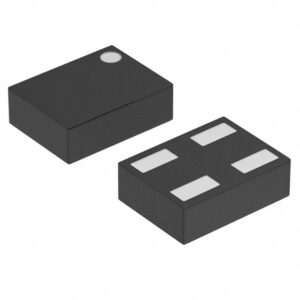 XC6129C54L7R-GView Product
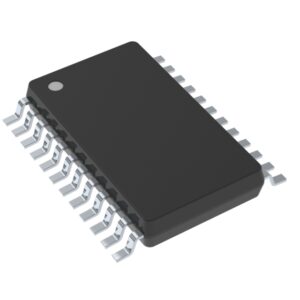 CS5460AK-BSZView Product
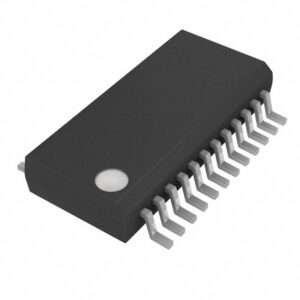 LC74772V-9015-EView Product
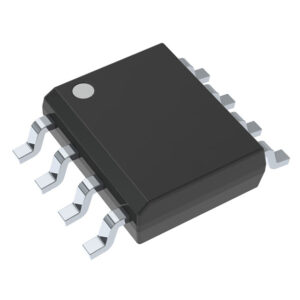 LM2907M-8/NOPBView Product
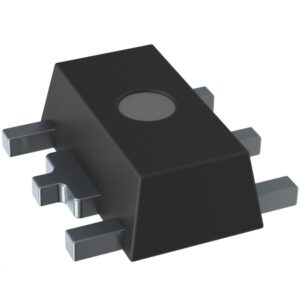 RP111H251B-T1-FEView Product
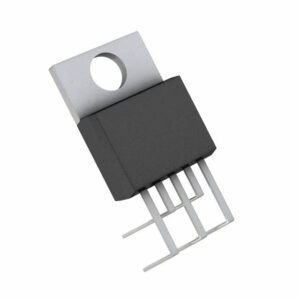 LT1170HVCT#30PBFView Product
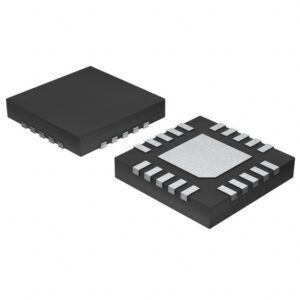 MAX16838ATP/V+TView Product
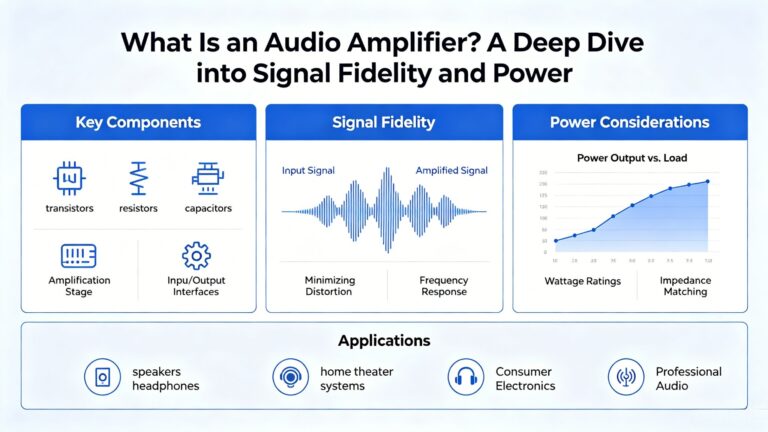
In the world of embedded electronics, getting a device to “think” is only half the battle. The other half is getting it to communicate…
Read More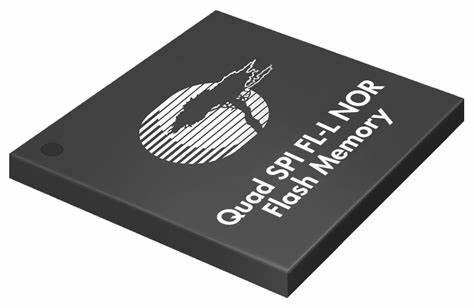
What Is NOR Flash? Why It Still Powers Critical Embedded Systems When your car’s engine control unit boots in milliseconds…When a medical device executes…
Read More
Choose a DIP switch by contact type, coded positions, footprint and signal ratings. Check logic polarity, assembly conditions and PCB configuration behavior.
Read More
Compare thermistors, RTDs, thermocouples and temperature ICs. Learn how range, accuracy, response, interfaces and mounting affect component selection.
Read More
Understand how oscillators generate timing signals, how they differ from crystals, and which frequency, output and stability specs matter when choosing one.
Read More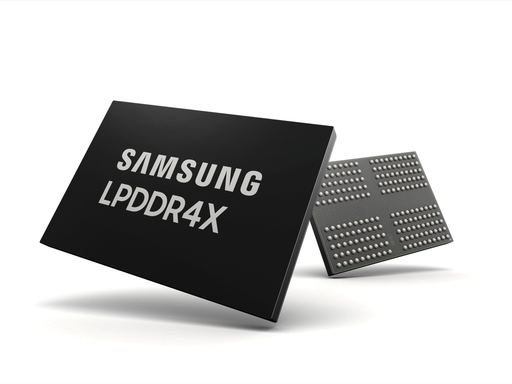
Samsung Electronics, the world’s largest memory chip manufacturer, has officially confirmed the end-of-life (EOL) for its LPDDR4 and LPDDR4X low-power DRAM products, marking a…
Read More
Learn what an integrated circuit is, how ICs work, the main types and the specs to check before choosing a part for your design…
Read More
TOKYO, July 31, 2026 — Renesas Electronics Corporation has officially announced a major domestic manufacturing restructuring, confirming plans to gradually discontinue all wafer fabrication…
Read More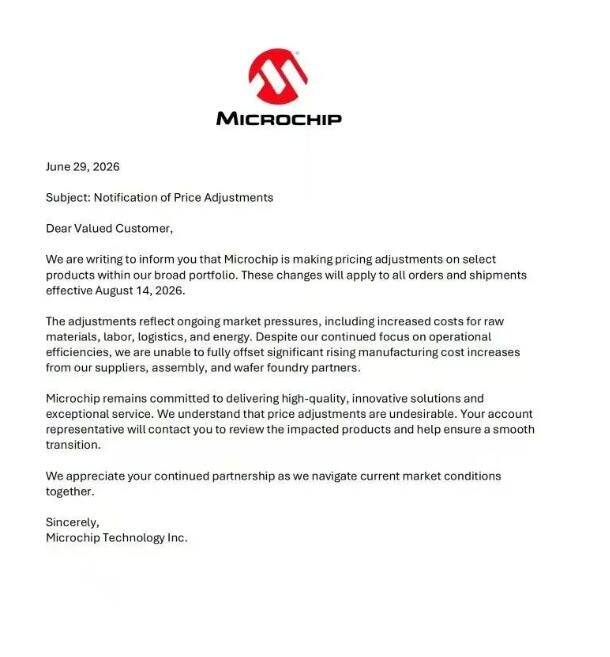
Tempe, Arizona‑based semiconductor giant Microchip Technology has formally rolled out selective product price increases across its MCU, power‑management IC, memory controller and analog component…
Read More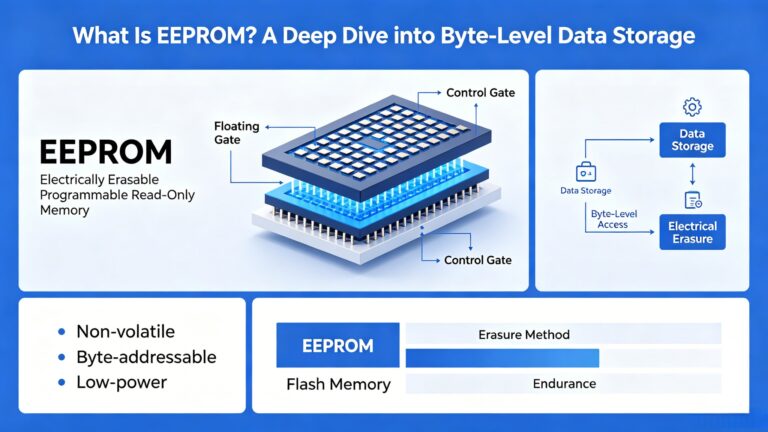
In the vast landscape of memory technology, EEPROM (Electrically Erasable Programmable Read-Only Memory) often plays the unsung hero. While NAND Flash grabs headlines for…
Read More
Compare RC, crystal and MEMS oscillator circuits. Check ppm, jitter, load capacitance, startup margin and output compatibility before choosing a clock source.
Read More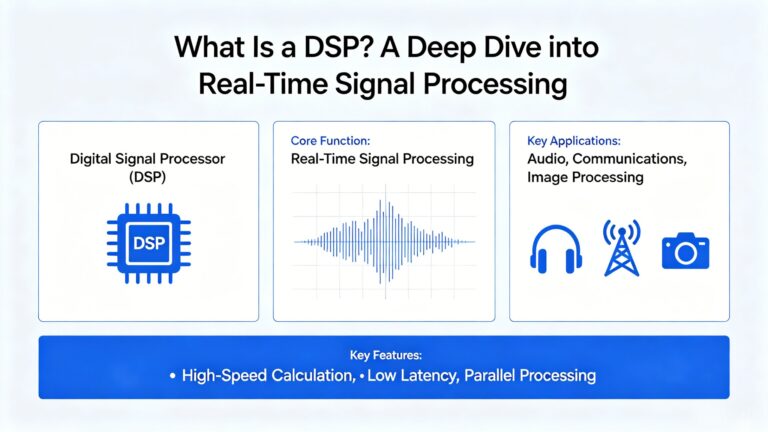
In the embedded world, general-purpose CPUs are great at running operating systems, and MCUs excel at logic control. But when you need to process…
Read More
The activity of extra discounts on wholesale prices is in full swing…
Please fill in your contact information and we will send you the latest wholesale price list.

