ChipApex | Global Electronic Components Supplier

SEARCH
Search Product
Search Post
Search productSearch post
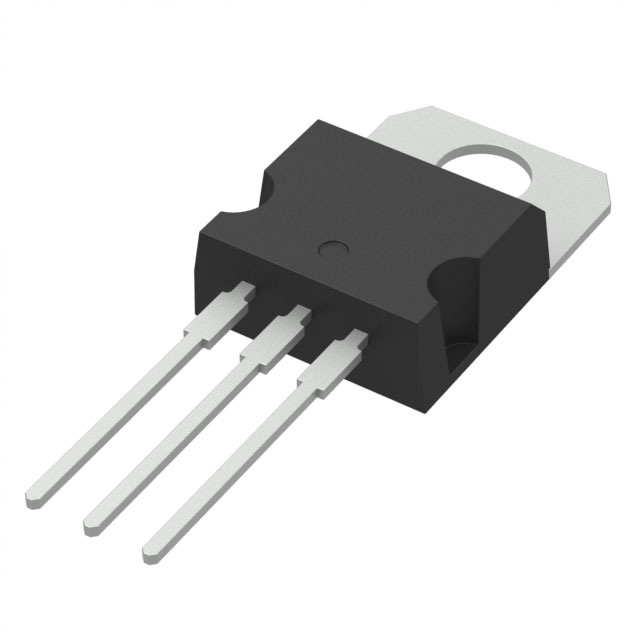
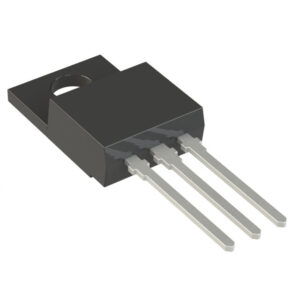
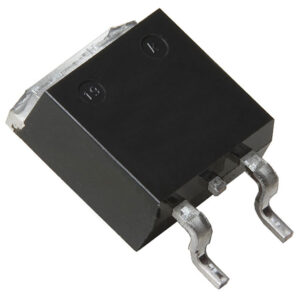
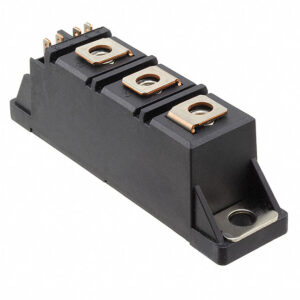
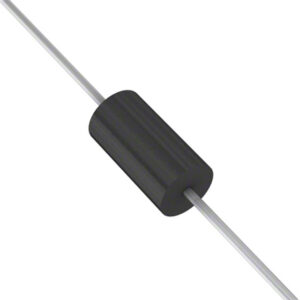
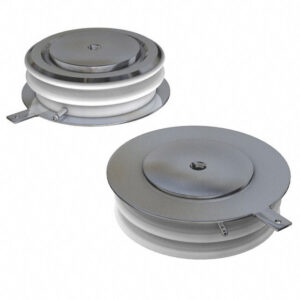
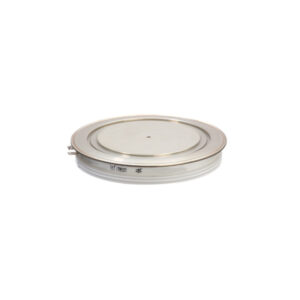
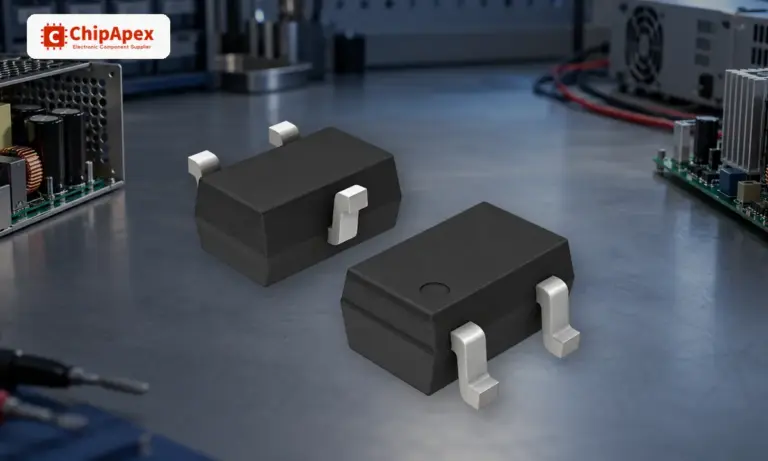
A thyristor is a solid-state semiconductor device composed of a four-layer p-n-p-n structure that operates as a bistable switch. Once triggered—typically by a small gate current—it allows current to flow between the anode and cathode and continues to conduct as long as it remains forward-biased. Thyristors are especially valued in power electronics for their ability to handle high voltages and currents efficiently. They are widely used in applications such as AC and DC motor drives, power supplies, light dimmers, and voltage regulation systems. The most recognized type is the Silicon Controlled Rectifier (SCR), ideal for circuits requiring precise control of power, particularly in unidirectional and high-power environments. There are four main types of thyristors, each suited to specific applications: SCR (Silicon Controlled Rectifier): A unidirectional thyristor that turns on when a gate pulse is applied and stays on as long as the current remains above a holding level. Ideal for DC motor drives, controlled rectifiers, and high-power switching. TRIAC (Triode for Alternating Current): A bidirectional thyristor that can conduct in both directions, commonly used in AC power control applications such as light dimmers, fan speed controllers, and domestic appliances. DIAC(Diode for Alternating Current): A bidirectional trigger device without a gate, used to trigger TRIACs by breaking down at a specific voltage threshold. Often found in timing and phase control circuits. SIDAC (Silicon Diode for Alternating Current): Similar in function to the DIAC but capable of handling higher voltages and currents. Typically used in overvoltage protection and high-energy pulse circuits. When choosing a thyristor, it\'s crucial to consider factors such as whether the application is AC or DC, the need for bidirectional vs. unidirectional conduction, the required voltage and current ratings, and the triggering method. This ensures optimal performance, longevity, and safety in your power control design.
Learn how a diode conducts, how to identify anode and cathode, and when to choose rectifier, TVS, Zener or photodiode types for a circuit.
Read More
Understand UART protocol framing, baud rate and electrical interfaces. Learn 8N1 timing, TX/RX wiring, buffering and practical troubleshooting steps.
Read More
Recently, a survey by the Electronic Components Industry Association (ECIA) revealed that the sales sentiment of global electronic components remained optimistic in the third…
Read More
Learn how a TPS reports throttle angle to the ECU, compare potentiometer and magnetic sensors, and see what to verify before diagnosing or replacing…
Read More
Learn the relay definition, coil and contact operation, NO and NC forms, load ratings and suppression choices. Compare mechanical, reed and solid-state types.
Read More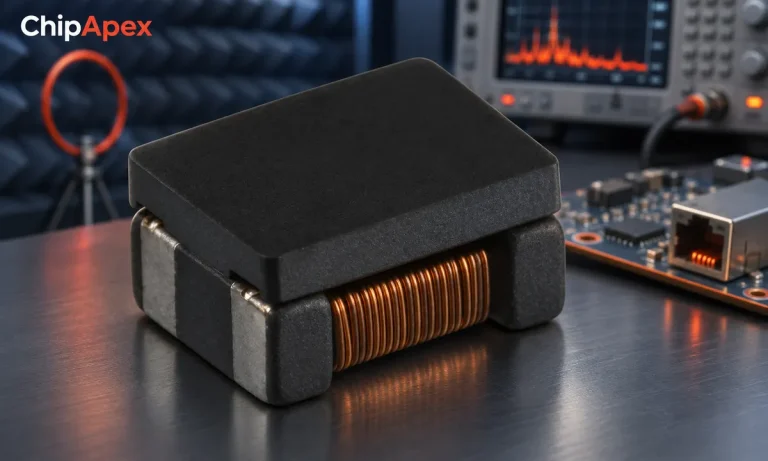
Select a common mode choke using noise frequency, current, insulation and signal integrity. Understand impedance curves, layout and filter limitations.
Read More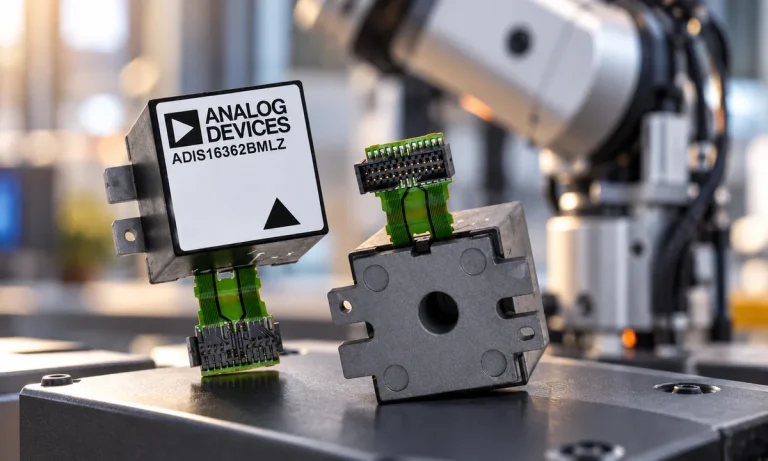
Learn what an IMU measures, how accelerometers and gyroscopes work together, why orientation estimates drift, and what to compare.
Read More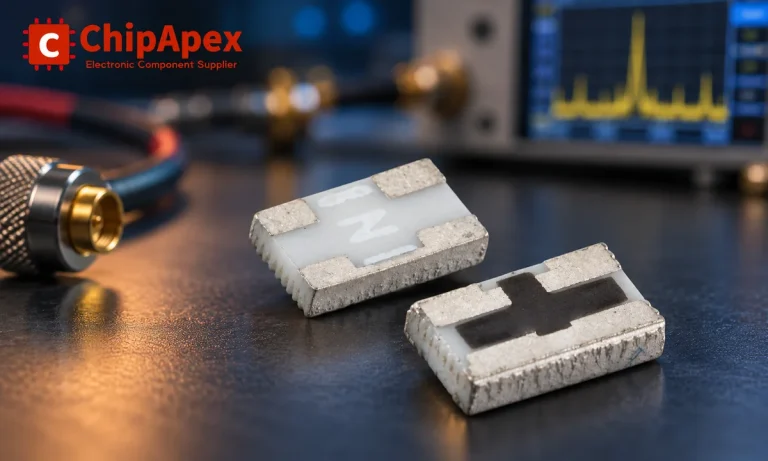
Understand RF attenuator dB values, fixed and programmable types, impedance, power limits and noise tradeoffs before choosing parts for an RF signal path.
Read More
Learn how an analog front end conditions sensor signals. Compare gain, noise, filtering, ADC settling and integration options before selecting components.
Read More
What Is NOR Flash? Why It Still Powers Critical Embedded Systems When your car’s engine control unit boots in milliseconds… When a medical device…
Read More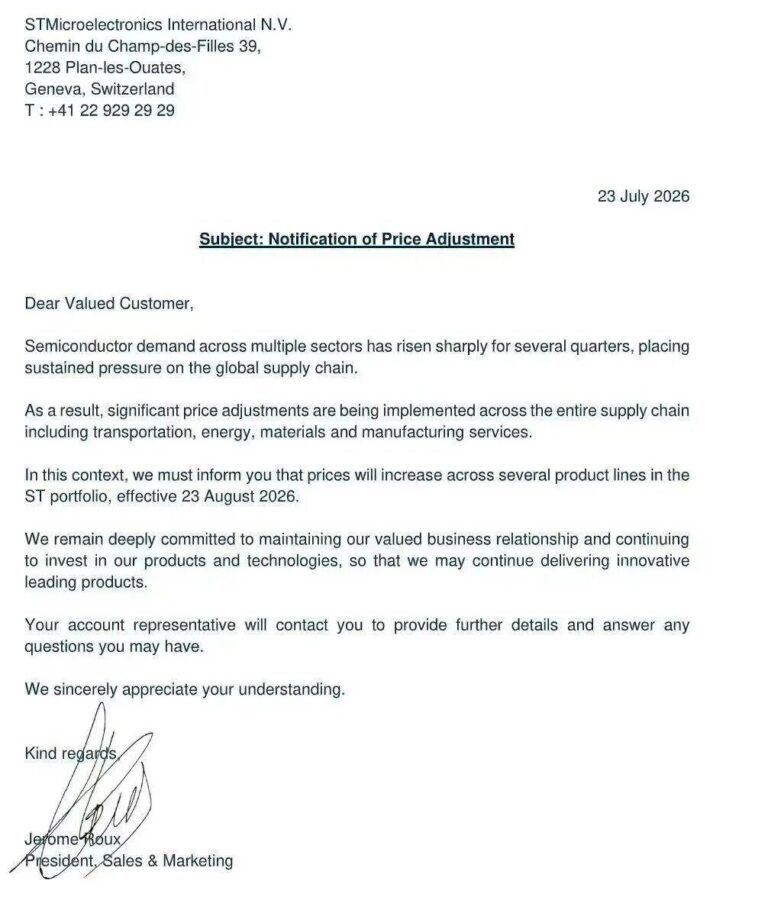
Geneva, Switzerland – August 20, 2026 – Global leading semiconductor manufacturer STMicroelectronics (ST) has officially issued a new global price adjustment notice to global…
Read More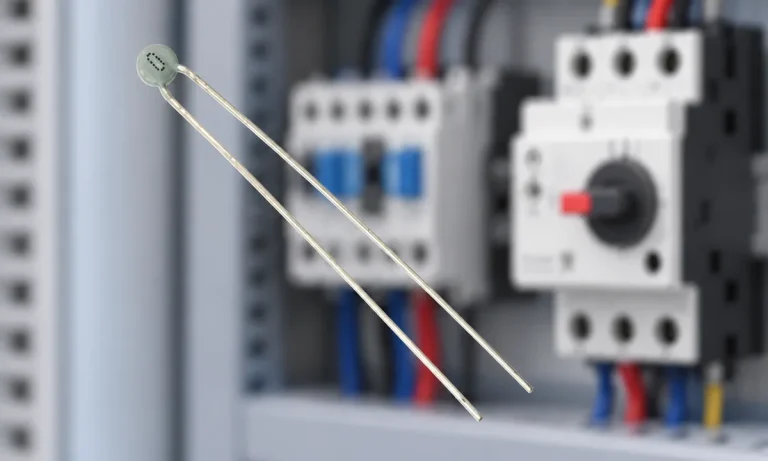
Learn why PTC resistance rises with temperature, how it differs from NTC, and which ratings matter for sensing and protection.
Read More
The activity of extra discounts on wholesale prices is in full swing…
Please fill in your contact information and we will send you the latest wholesale price list.