ChipApex | Global Electronic Components Supplier

SEARCH
Search Product
Search Post
— IC芯片 | 连接器 | 传感器 | 被动器件 —
Search productSearch post
— IC芯片 | 连接器 | 传感器 | 被动器件 —
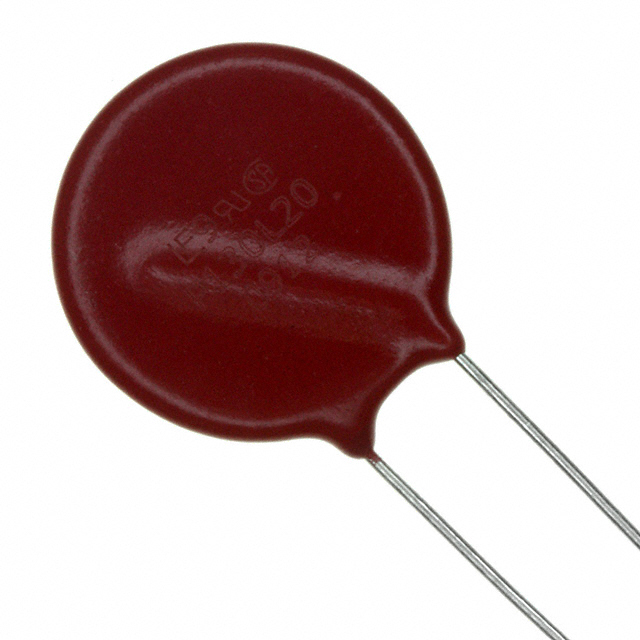
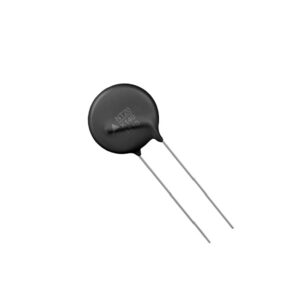
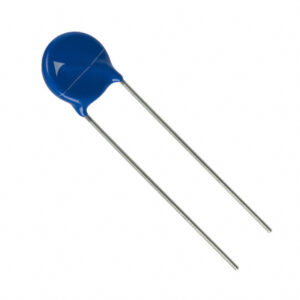
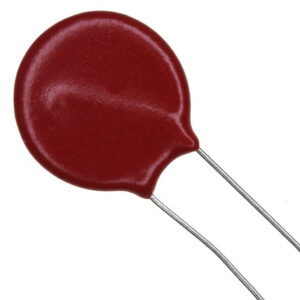
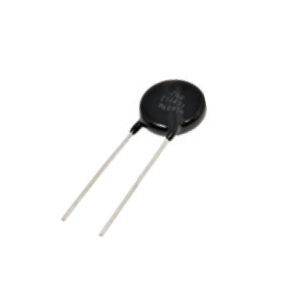
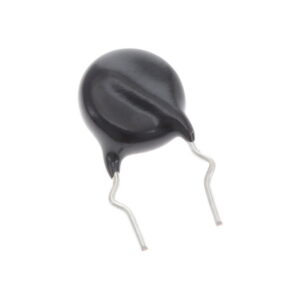
A varistor, also known as a Metal Oxide Varistor (MOV), is an electronic component with a variable resistance that changes with applied voltage. This nonlinear semiconductor device functions as a protective element in electronic circuits by responding to voltage transients and surges that exceed normal operating levels. When exposed to typical circuit voltages, varistors maintain high resistance, allowing them to remain essentially invisible in the circuit. However, when voltage spikes occur, the varistor\'s resistance dramatically decreases, creating a low-resistance path that diverts excess energy away from sensitive components. MOVs are widely used in surge protectors, power supplies, and industrial equipment where protection from overvoltage conditions is critical, with zinc oxide (ZnO) being the most common material used in their construction. When a varistor fails, it typically does so in one of two ways: it may fail as an open circuit after absorbing multiple surges over time that gradually degrade its structure, or more catastrophically, it may fail as a short circuit, potentially causing overheating, smoke, or even fire if not properly fused. While varistors are indeed surge protectors, they represent just one component within comprehensive surge protection systems. Other characteristics that define varistors include: 1) fast response times typically measured in nanoseconds, 2) voltage ratings that must be selected to match the circuit\'s normal operating conditions, 3) energy absorption capabilities measured in joules that determine how much transient energy they can safely dissipate, and 4) leakage current specifications that indicate how much current passes through the device during normal operation.
A digital-to-analog converter (DAC) turns a digital number into an analog voltage or current. It lets a controller set a physical output, such as…
Read More
The Dutch government’s intervention in the control of Nexperia (Anshi Semiconductor) is triggering a chain reaction of turmoil in the global power semiconductor market.…
Read More
Recently, the global electronic component market has witnessed a series of new developments. The strategic layouts and market collaborations of major enterprises are constantly…
Read More
As the backbone of modern technology, electronic components are undergoing revolutionary changes, driven by advancements in materials science, miniaturization, and smart manufacturing. From ultra-efficient…
Read More
Learn the relay definition, coil and contact operation, NO and NC forms, load ratings and suppression choices. Compare mechanical, reed and solid-state types.
Read More
Compare Pt100 and Pt1000 RTDs, two-, three- and four-wire connections, excitation and self-heating. Build an error budget from element to reported temperature.
Read More
Every audio power amplifier design starts with the same fundamental challenge: converting a low-voltage line-level signal into the high-current drive required by a reactive…
Read More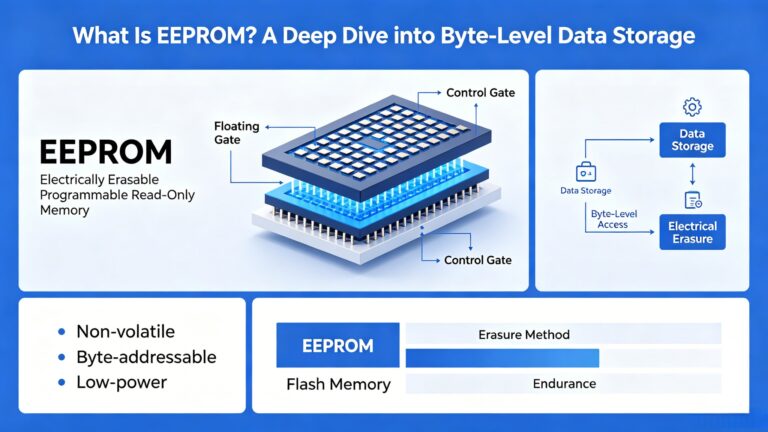
In the vast landscape of memory technology, EEPROM (Electrically Erasable Programmable Read-Only Memory) often plays the unsung hero. While NAND Flash grabs headlines for…
Read More
In the world of electronics, memory components play a critical role in system performance—and DRAM (Dynamic Random-Access Memory) is one of the most widely…
Read More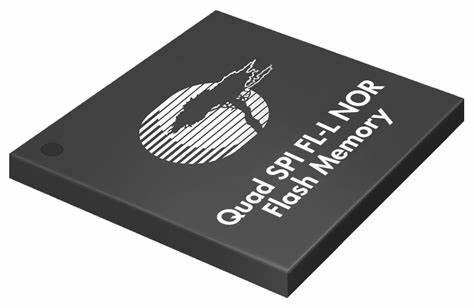
What Is NOR Flash? Why It Still Powers Critical Embedded Systems When your car’s engine control unit boots in milliseconds…When a medical device executes…
Read More
Understand how oscillators generate timing signals, how they differ from crystals, and which frequency, output and stability specs matter when choosing one.
Read More
On September 22nd, it was reported that Samsung Electronics, the South Korean tech giant, had successfully passed NVIDIA’s certification test for its 12-layer HBM3E…
Read More
The activity of extra discounts on wholesale prices is in full swing…
Please fill in your contact information and we will send you the latest wholesale price list.