ChipApex | Global Electronic Components Supplier

SEARCH
Search Product
Search Post
— IC芯片 | 连接器 | 传感器 | 被动器件 —
Search productSearch post
— IC芯片 | 连接器 | 传感器 | 被动器件 —

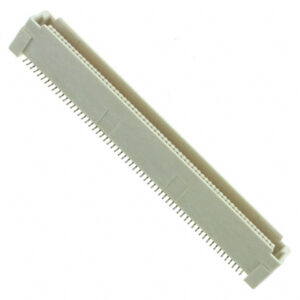
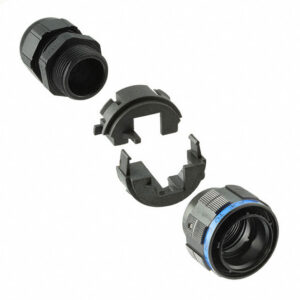
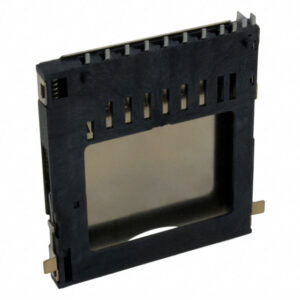
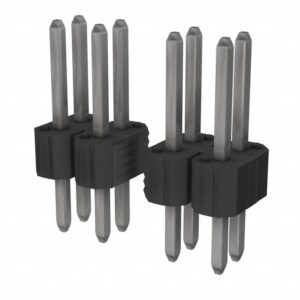
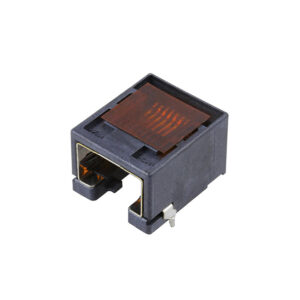
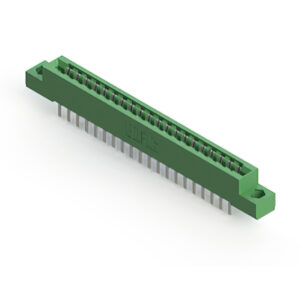
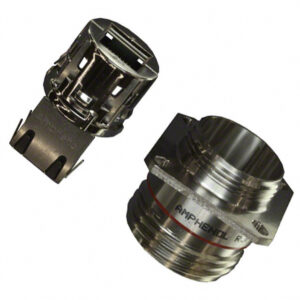
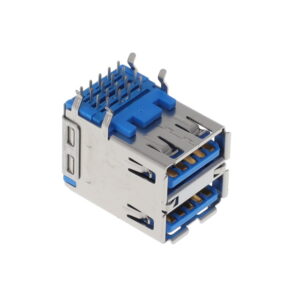
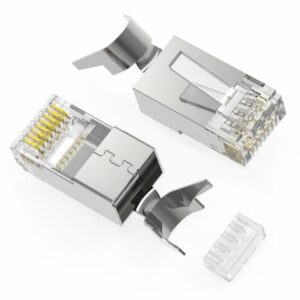
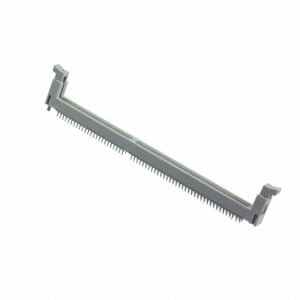
Connectors and interconnects are essential components that enable the connection of electrical circuits or fiber optic cables. They provide a reliable and reusable method for transmitting electrical signals or light pulses between different parts of an electronic system. The vast array of connector and interconnect designs caters to a wide range of applications and functionalities. A wide variety of styles are available for most applications, including banana plugs for lab equipment, coaxial connectors for RF, sockets for transistors and integrated circuits, standard AC power connectors, headphone plugs and jacks, high-voltage connectors, USB connectors, and more! The key features and benefits of connectors and interconnects include: Electrical Connection: Establish a secure and reliable path for electrical signals or light pulses to flow between components. Mating and Unmating: Allow for easy connection and disconnection of circuits, facilitating maintenance, repair, and modularity in electronic systems. Environmental Protection: Shield connections from dust, moisture, and other environmental elements to ensure reliable performance. Signal Integrity: Maintain signal quality by minimizing signal loss or distortion, particularly in high-frequency applications. Standardization: Many connector types adhere to industry standards, ensuring compatibility between components from different manufacturers. Connectors and interconnects are ubiquitous in modern electronics. They are found in everything from computers and smartphones to industrial machinery and medical devices. The specific type of connector chosen depends on factors like voltage, current rating, required bandwidth, environmental conditions, and desired mating mechanism.

Tokyo / Munich / Tessenderlo, December 24, 2025As the global semiconductor industry enters the first year of the 2nm process era, international electronic component…
Read More
Compare thermistors, RTDs, thermocouples and temperature ICs. Learn how range, accuracy, response, interfaces and mounting affect component selection.
Read More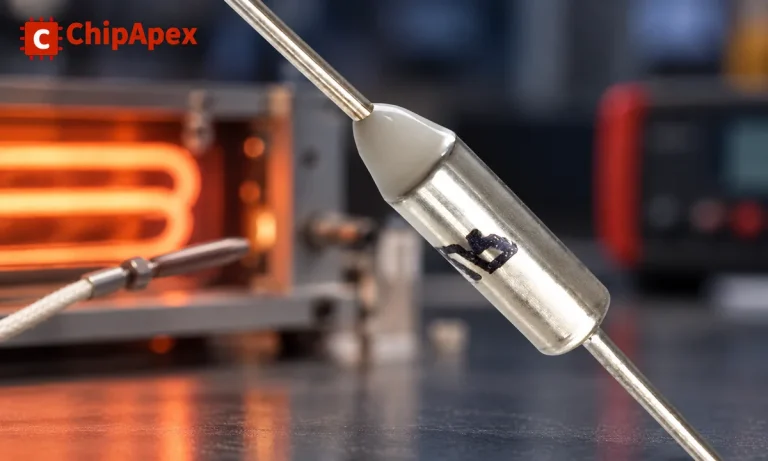
Understand thermal fuse operation, Tf, Th and Tm, electrical ratings and mounting. Check temperature limits and replacement requirements for your design.
Read More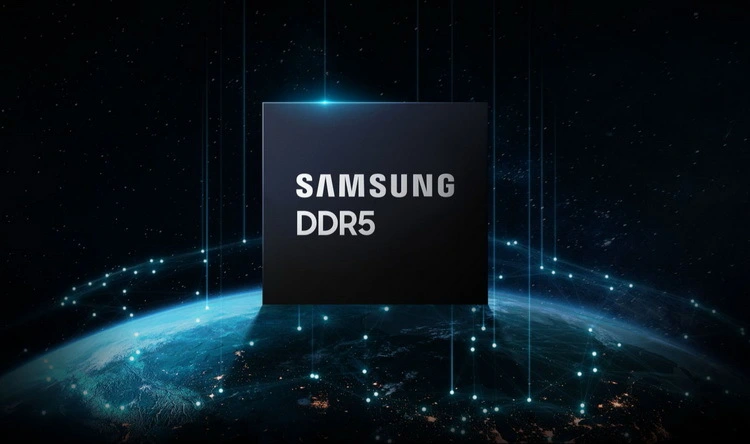
The global memory market is entering an unprecedented supply-constrained phase as soaring demand from artificial intelligence (AI) infrastructure collides with strategic capacity reallocations by…
Read More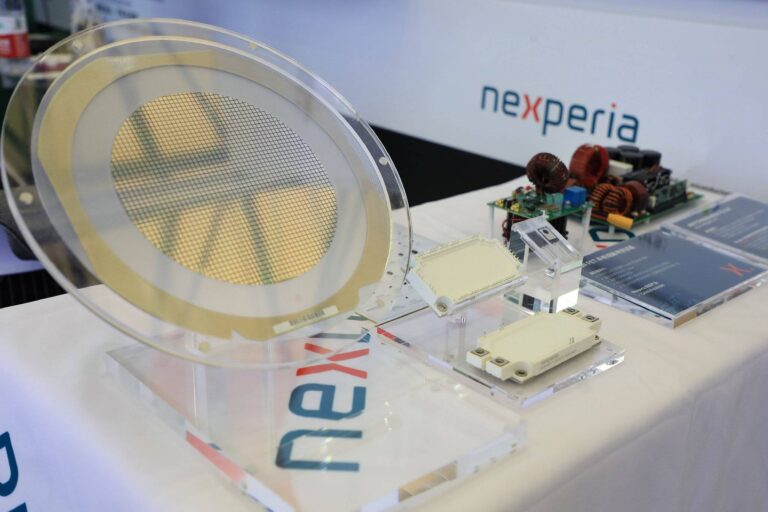
Dutch authorities announced on November 7 the lifting of control measures on Nexperia (formerly NXP Semiconductors’ Standard Products division), marking the end of a…
Read More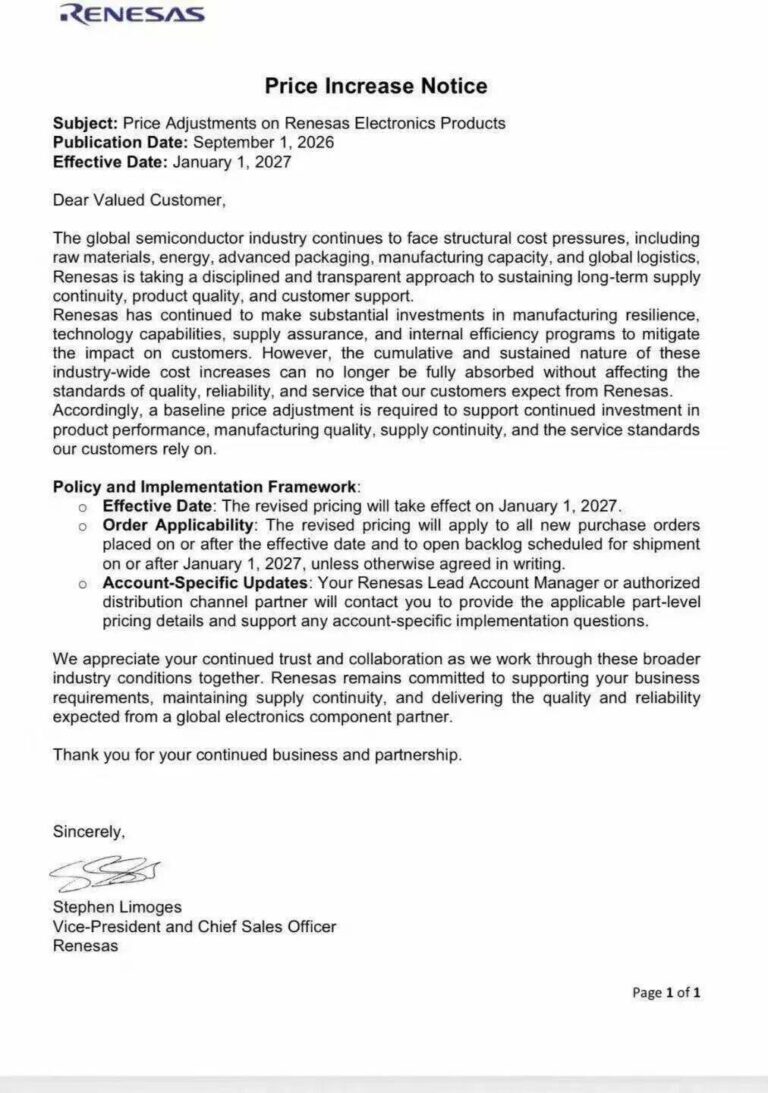
TOKYO — Global leading semiconductor and power electronic components manufacturer Renesas Electronics officially issued a new price adjustment notice in early September 2026, confirming…
Read More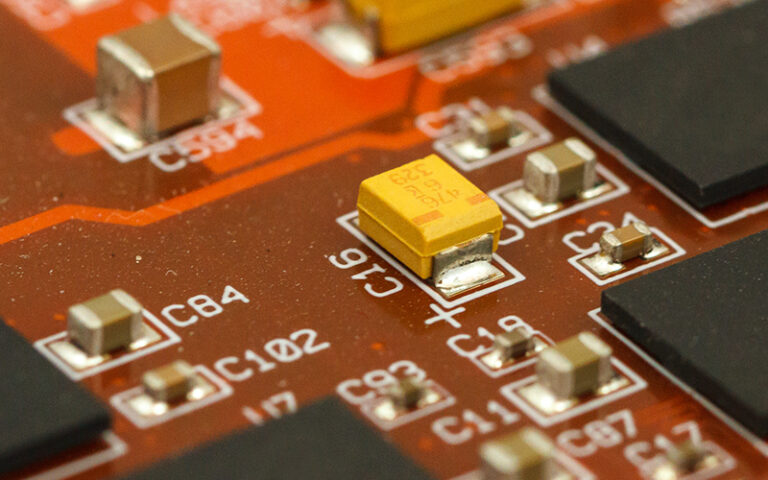
The global electronics industry is facing an escalating shortage of tantalum capacitors, a critical passive component, as surging demand from AI servers, automotive electronics,…
Read More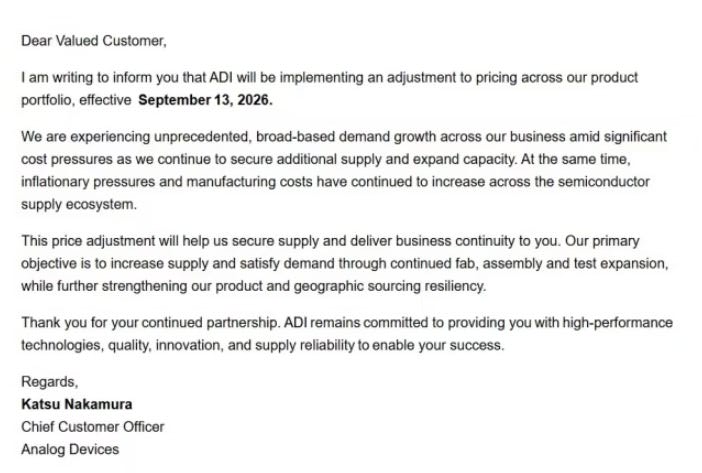
WILMINGTON, Mass. – August 11, 2026 — Analog Devices, Inc. (NASDAQ: ADI), the global leading supplier of high-performance analog, mixed-signal and digital signal processing…
Read More
Understand how oscillators generate timing signals, how they differ from crystals, and which frequency, output and stability specs matter when choosing one.
Read More
Wilmington, Mass. & Milpitas, Calif. – May 19, 2026 – Analog Devices, Inc. (NASDAQ: ADI), a global leader in high-performance analog and mixed-signal semiconductors,…
Read More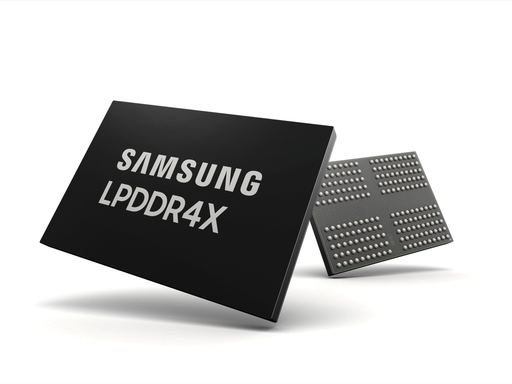
Samsung Electronics, the world’s largest memory chip manufacturer, has officially confirmed the end-of-life (EOL) for its LPDDR4 and LPDDR4X low-power DRAM products, marking a…
Read More
Compare RC, crystal and MEMS oscillator circuits. Check ppm, jitter, load capacitance, startup margin and output compatibility before choosing a clock source.
Read More
The activity of extra discounts on wholesale prices is in full swing…
Please fill in your contact information and we will send you the latest wholesale price list.