 ChipApex | Global Electronic Components Supplier

SEARCH
Search Product
Search Post
— IC芯片 | 连接器 | 传感器 | 被动器件 —
Search productSearch post
— IC芯片 | 连接器 | 传感器 | 被动器件 —

Crystals, Oscillators, and Resonators serve as critical components in frequency control applications, each offering unique characteristics that make them suitable for different electronic design requirements. Crystals, typically crafted from precision-cut quartz, represent the foundational frequency-generating element, providing stability and precise frequency references with low aging rates and minimal temperature drift. Unlike standalone components, crystals require external oscillator circuitry to generate a usable clock signal, which can be both an advantage and limitation in circuit design. Oscillators build upon crystal technology by integrating the crystal with supporting circuitry, creating a self-contained frequency source that eliminates the need for additional external components. This integration offers advantages in complexity reduction and reliability. Advanced oscillator variants like TCXOs (Temperature-Compensated Crystal Oscillators) and VCXO (Voltage Controlled Crystal Oscillator) further enhance frequency stability through temperature compensation mechanisms, making them ideal for high-precision applications such as telecommunications, GPS systems, and network timing infrastructure. Resonators, in contrast, represent a more cost-effective alternative, typically manufactured from ceramic or Surface Acoustic Wave (SAW) materials. While inherently less precise than quartz crystals, resonators excel in applications prioritizing size, cost, and durability over extreme frequency accuracy. Their compact form factor and design make them particularly attractive for consumer electronics, automotive systems, and microcontroller-based designs where moderate frequency stability is acceptable. Resonators typically offer frequency tolerances in the range of ±0.5% to ±0.1%, compared to crystals\' remarkable ±0.005% to ±0.05% precision. The selection between these components ultimately depends on a nuanced evaluation of application-specific requirements. Designers must carefully balance factors including frequency accuracy, temperature stability, power consumption, physical size, environmental resilience, and total system cost. For mission-critical systems demanding exceptional precision, quartz crystals and high-grade oscillators remain irreplaceable. Conversely, for cost-sensitive, less demanding applications, ceramic resonators provide an elegant and economical solution. For questions and further information on Crystals, Oscillators, or Resonators visit the Tech Forum. Some common frequencies are: 32.768 kHz – Used in real-time clocks (RTCs) and low-power timing applications. 32768Hz is 215 Hz. Allows binary division for 1 second intervals. 1.8432 MHz – Common for UART baud rate communication in microcontrollers. 1.8342MHz can be divided easily to create standard rates: 115,200 = 1843200/16, 57,600 =1843200/32, etc 16.000 MHz – Frequently used with microcontrollers such as the ATmega328P (Arduino), Zigbee, and Bluetooth BLE. 19.200 MHz – Found in wireless communication devices, such as mobile phones. Used as a reference clock for CDMA/GSM 23.104 MHz – Used for a reference clock for some GPS systems.
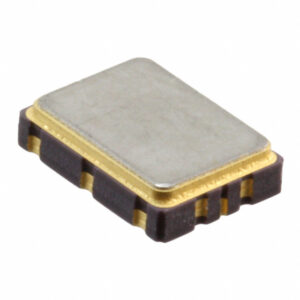 534AB000377DGRView Product
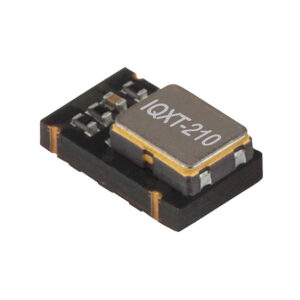 LFTCXO063784BULKView Product
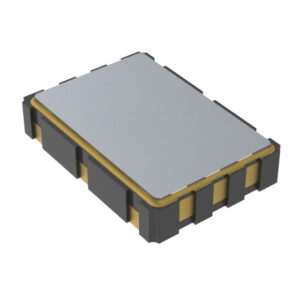 532AA000035DGView Product
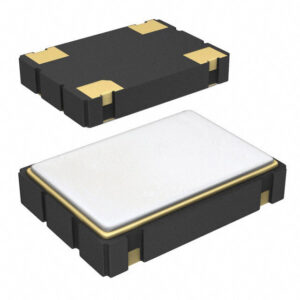 SG-9101CA-D40PHBABView Product
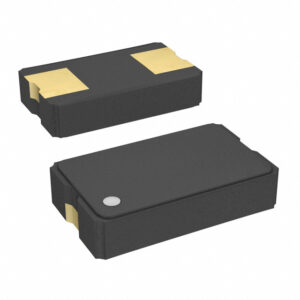 445C33B16M00000View ProductSG-8101CA 162.4500M-TCHSA0View Product
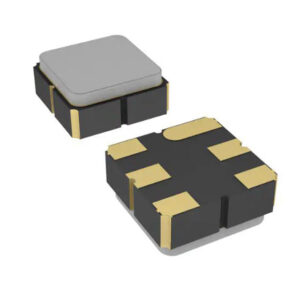 RO3150EView Product
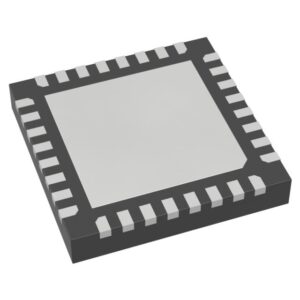 HMC1164LP5ETRView Product
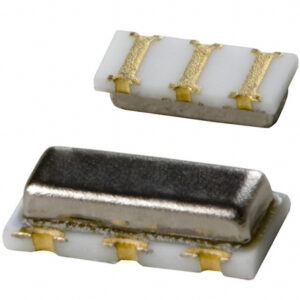 CSTNE16M9V53L00ZR0View Product
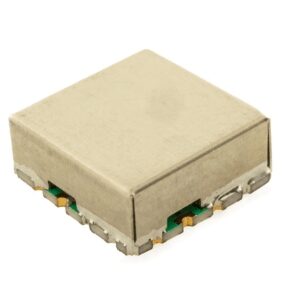 RQRA-1400-1624View Product
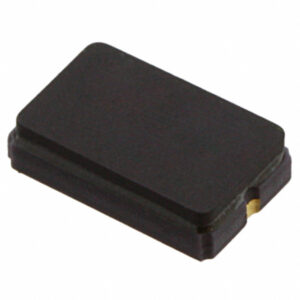 AA16070004View Product
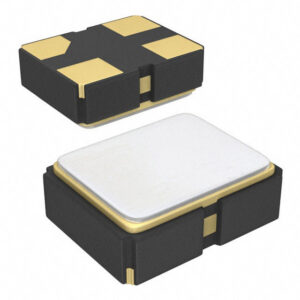 SG-9101CB-D05SGBCAView Product
A perfect storm of surging demand and supply chain disruptions is roiling the global electronic components market, with advanced semiconductors and critical materials now…
Read More
Understand how a comparator switches at a voltage threshold, why hysteresis prevents chatter, and which output and input specs matter.
Read More
Every audio power amplifier design starts with the same fundamental challenge: converting a low-voltage line-level signal into the high-current drive required by a reactive…
Read More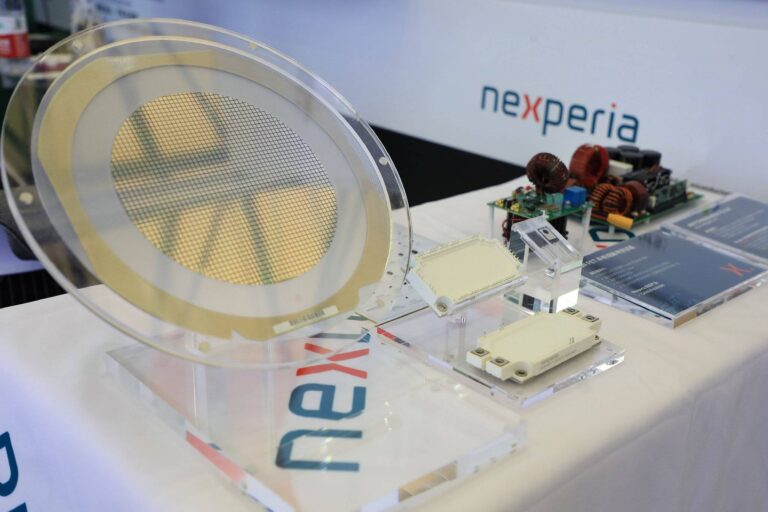
Dutch authorities announced on November 7 the lifting of control measures on Nexperia (formerly NXP Semiconductors’ Standard Products division), marking the end of a…
Read More
If you’ve spent any time staring at a schematic, you’ve seen the triangle. Two inputs, one output, and a gain symbol that looks deceptively…
Read More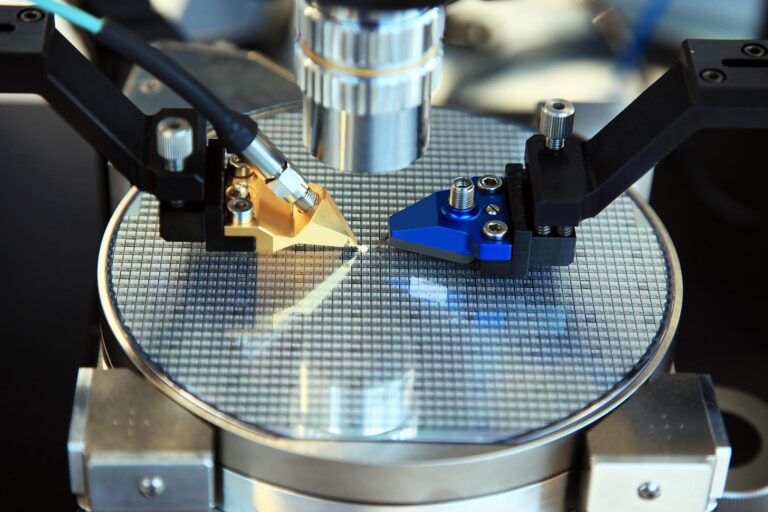
May 4, 2026 — The global power semiconductor market is grappling with a worsening supply crunch, as lead times for key components have extended…
Read More
Find out when a bare shock switch needs a pull resistor, when an MCU internal pull-up is enough, and why sensor modules and piezo…
Read More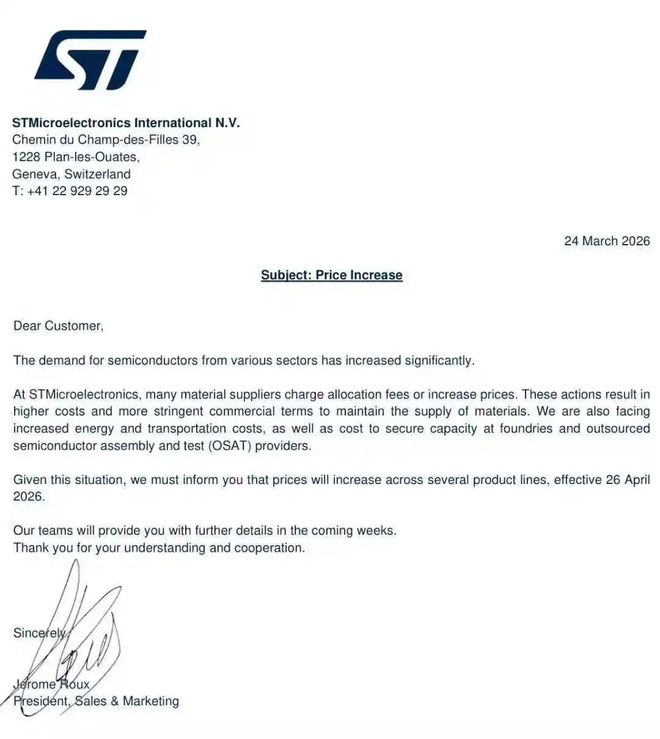
Geneva, Switzerland – March 25, 2026 – STMicroelectronics N.V. (NYSE: STM), a global semiconductor leader serving customers across the electronics applications spectrum, has announced…
Read More
Compare Pt100 and Pt1000 RTDs, two-, three- and four-wire connections, excitation and self-heating. Build an error budget from element to reported temperature.
Read More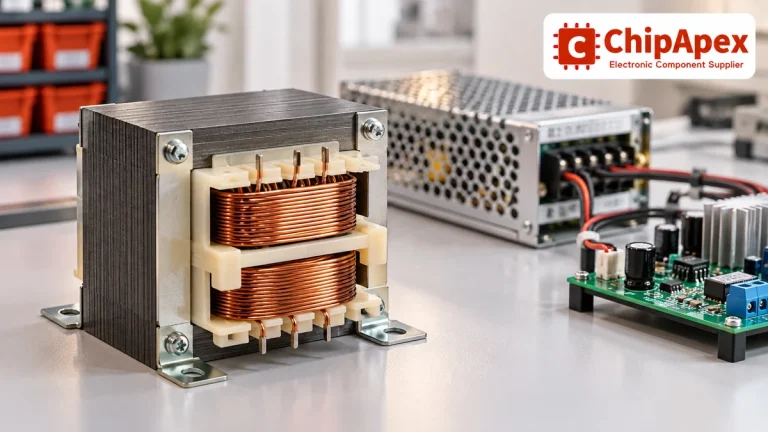
Select power transformers by input frequency, secondary VA, rectifier load, isolation, regulation and inrush. Build a clearer specification for your next RFQ.
Read More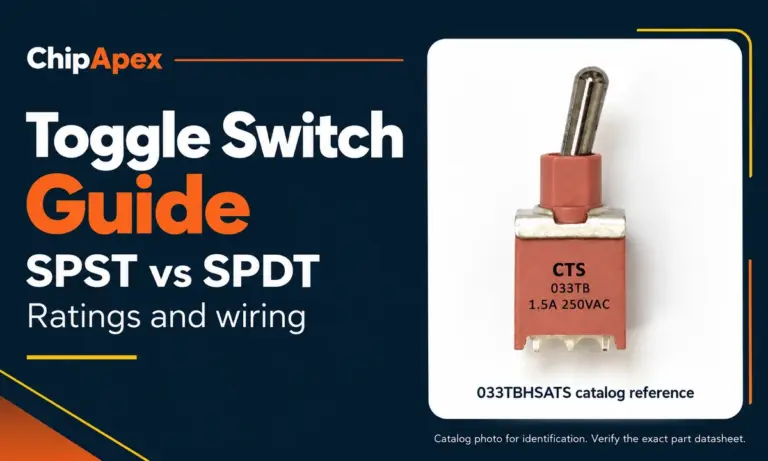
Compare SPST and SPDT toggle switches, understand AC/DC ratings, and follow wiring examples. Check contact action, mounting and parts in the ChipApex catalog.
Read More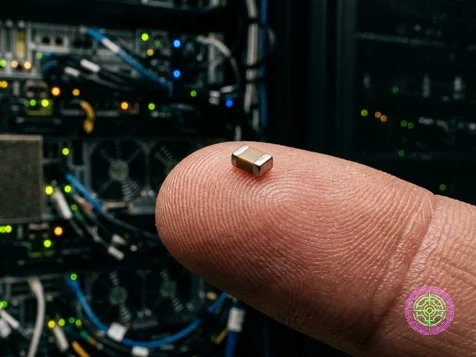
The multilayer ceramic capacitor (MLCC) market has fallen into a severe structural supply crunch in the third quarter of 2026, driven by explosive demand…
Read More
The activity of extra discounts on wholesale prices is in full swing…
Please fill in your contact information and we will send you the latest wholesale price list.

