 ChipApex | Global Electronic Components Supplier

SEARCH
Search Product
Search Post
Search productSearch post
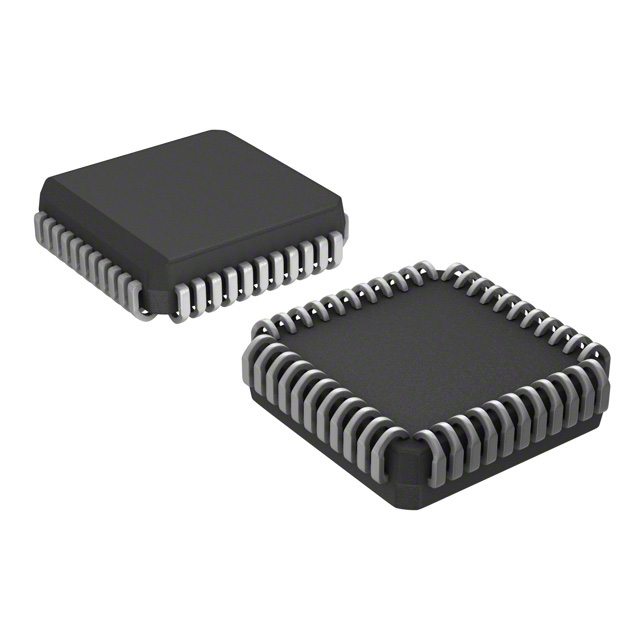
CPLDs are user-configurable integrated circuit products used for performing logical operations and information processing, which incorporate a higher level of functionality (i.e. more logic gates) than is characteristic of PLD or PAL devices, though less than that of FPGAs. Characteristically, CPLDs incorporate non-volatile configuration memory that enables storage and retention of the user\'s desired configuration directly on the device, with retention of this information when power to the device is removed.
 EPM7128BUC49-10View Product
 ATV2500BQ-25JCView Product
 LC4256ZC-45T100CView Product
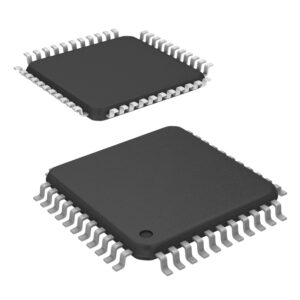 LC4032V-10TN44IView Product
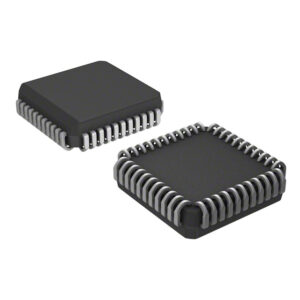 ISPLSI 1016-60LJView Product
 CY39100V256B-83BBCView Product
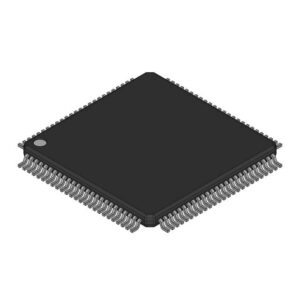 ISPLSI2064VL-165LT100View Product
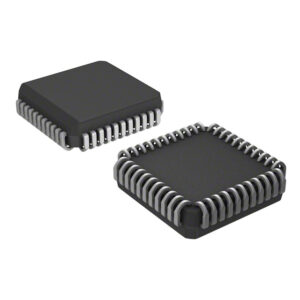 ATV2500BQL-25KIView Product
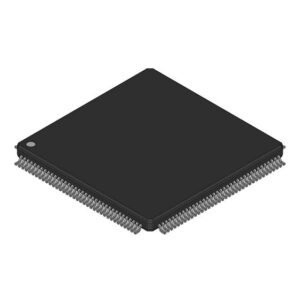 EPM7256BTI144-7View Product
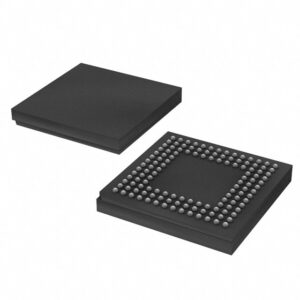 XC2C256-7CPG132IView Product
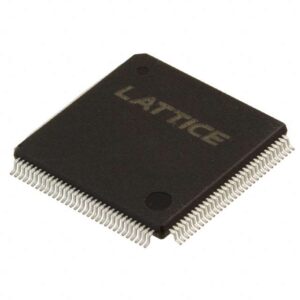 LC4128V-75TN128EView ProductLC4256B-75TN100CView Product
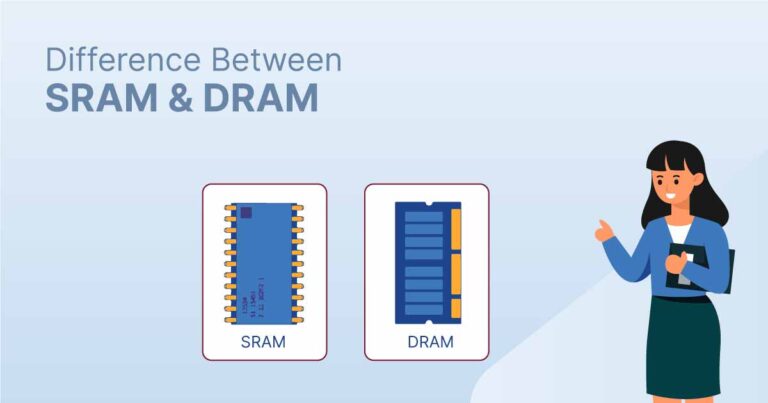
In an era dominated by AI accelerators with terabytes of HBM memory and consumer devices racing toward LPDDR5X bandwidth, it’s easy to wonder: why…
Read More
Compare Hall, shunt, current transformer and Rogowski sensing. Check AC/DC capability, accuracy, isolation, heat and response before selecting a sensor.
Read More
Dutch authorities announced on November 7 the lifting of control measures on Nexperia (formerly NXP Semiconductors' Standard Products division), marking the end of a…
Read More
Latest updates from leading semiconductor manufacturers: Wolfspeed launches new SiC modules, AMD reveals MI430X with HBM4, TSMC eyes third Japan fab, and Samsung samples…
Read More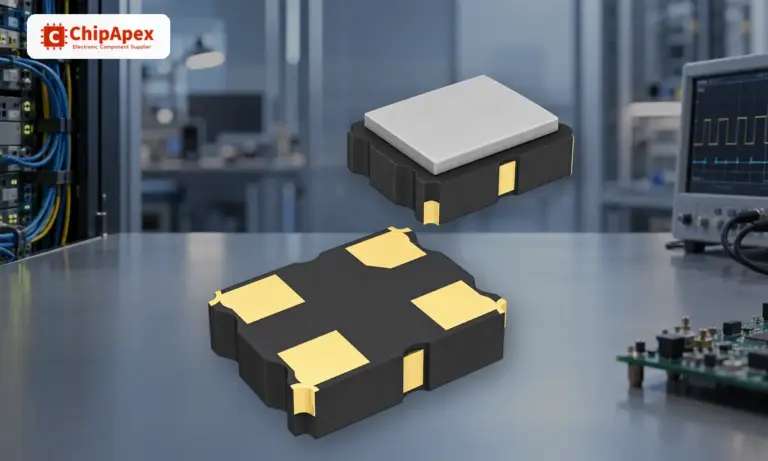
Understand how oscillators generate timing signals, how they differ from crystals, and which frequency, output and stability specs matter when choosing one.
Read More
Recently, the global electronic component market has witnessed a series of new developments. The strategic layouts and market collaborations of major enterprises are constantly…
Read More
Compare variable capacitor types and varactor tuning. Understand capacitance-voltage curves, Q, bias and LC resonance before choosing a component.
Read More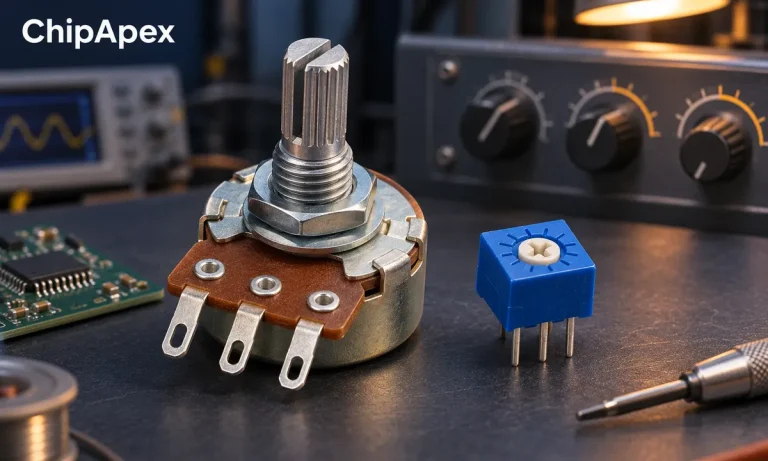
Compare rheostat and potentiometer wiring and functions. Understand divider loading, wiper current, track power and practical component selection.
Read More
Understand RF detector response, dynamic range and calibration. Compare envelope, logarithmic and RMS behavior before choosing a measurement component.
Read More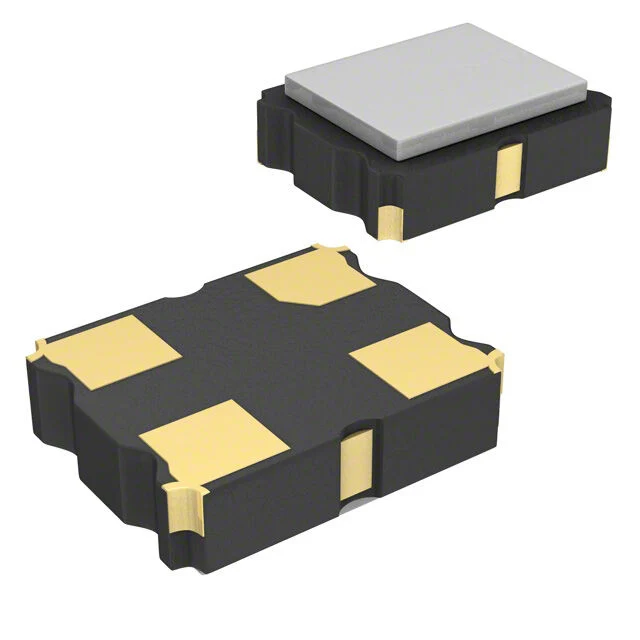
Calculate high-side and low-side local oscillator frequencies, locate the receiver image and check how much LO drive reaches the RF mixer input port.
Read More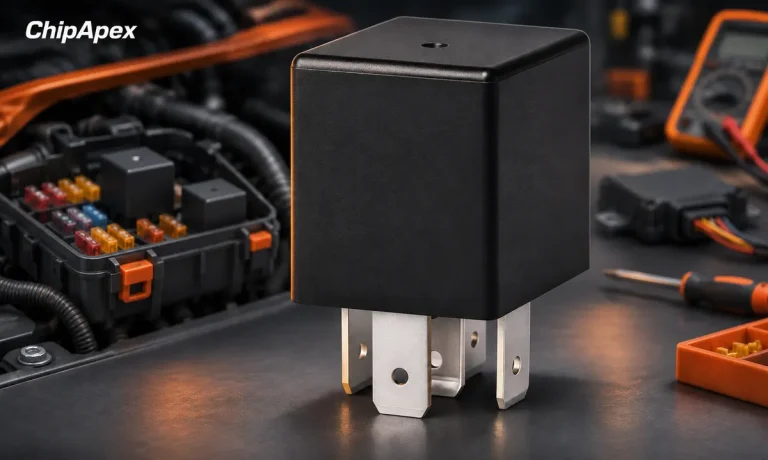
Understand automotive relay terminals, coil suppression and load ratings. Check inrush, socket compatibility and temperature before selecting a replacement.
Read More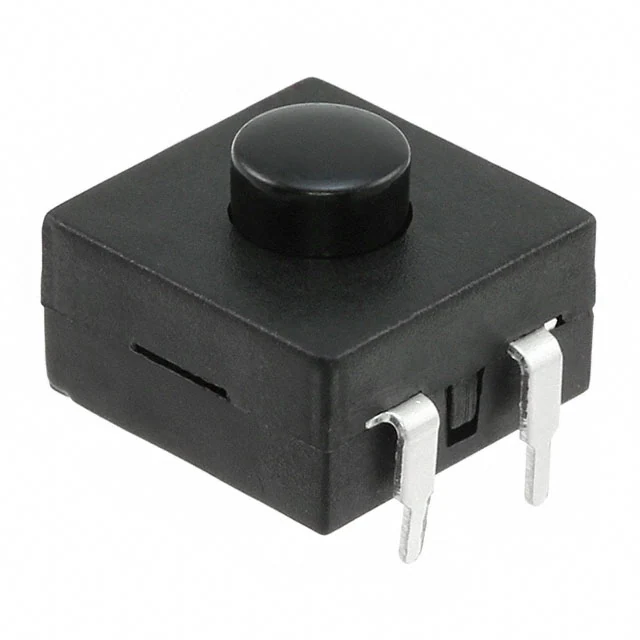
Compare momentary and latching push button switches. Check NO/NC contacts, micro-load current, illumination terminals, panel fit and replacement requirements.
Read More
The activity of extra discounts on wholesale prices is in full swing…
Please fill in your contact information and we will send you the latest wholesale price list.

