 ChipApex | Global Electronic Components Supplier

SEARCH
Search Product
Search Post
Search productSearch post
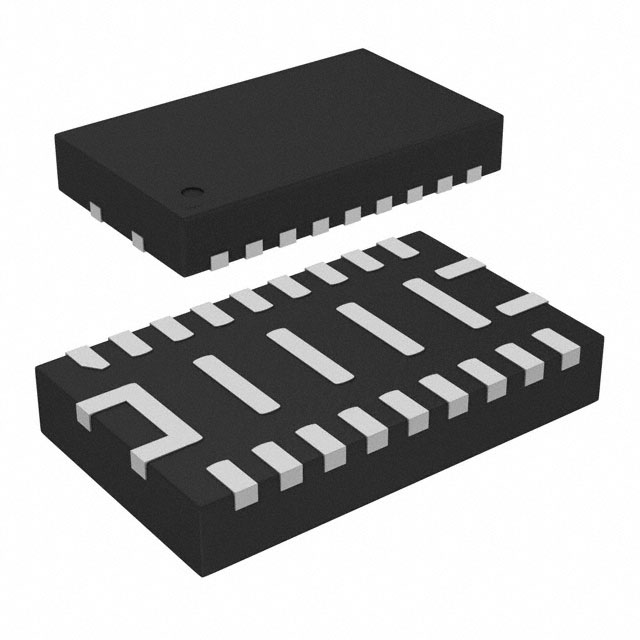
PMIC - Hot Swap Controllers are semiconductors that provide the in-circuit protection and control features needed to allow other components to be inserted or removed from a circuit while there is live power. Useful in computer networking and general-purpose power systems, hot swap controllers are mainly differentiated by features such as output current, number of controlled channels and special features such auto retry, fault timeout and protections.
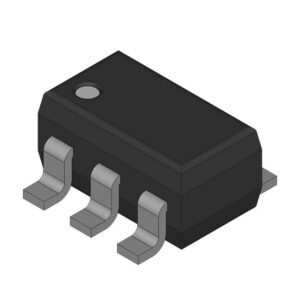 MAX5901LBEUTView Product
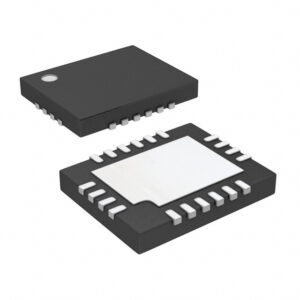 LTC4227CUFD-4#TRPBFView Product
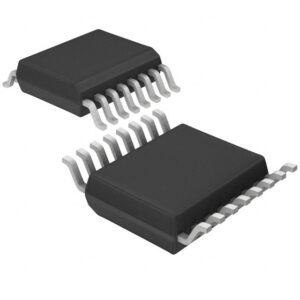 LTC1642IGN#TRPBFView Product
 LTC4282IUH#WPBFView Product
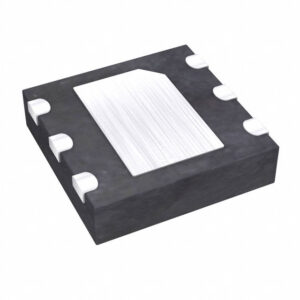 MAX5902LCETT+View Product
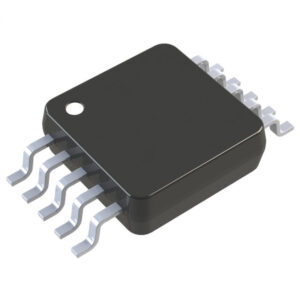 LTC4224CMS-2#TRPBFView Product
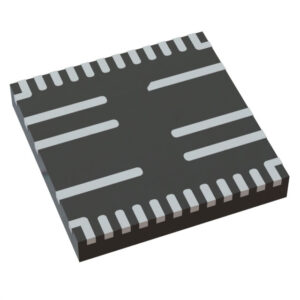 MP5048AGU-ZView Product
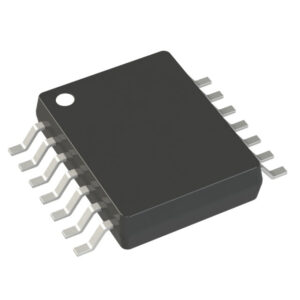 ADM1073ARU-REELView Product
 MAX5903ACETT-TView ProductMAX5900AAEUT-TView Product
 MAX5919AEEE+View Product
 LM5068MMX-1/NOPBView Product
Learn how a diode conducts, how to identify anode and cathode, and when to choose rectifier, TVS, Zener or photodiode types for a circuit.
Read More
Learn how a JFET works and how to compare bias, leakage, noise and pinout. Review practical selection questions for high-impedance analog circuits.
Read More
Hsinchu, Taiwan – April 18, 2026 – United Microelectronics Corporation (UMC, NYSE: UMC), a leading global semiconductor foundry specializing in mature process technologies, has…
Read More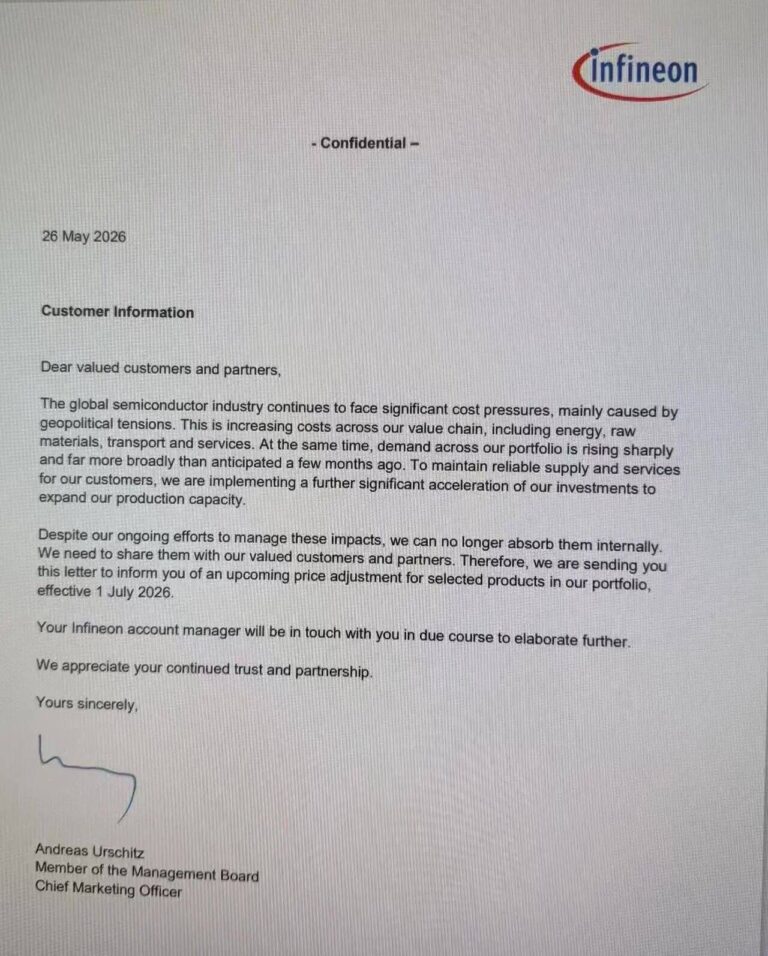
Munich, Germany – May 26, 2026 – Power semiconductor and automotive chip giant Infineon Technologies AG has formally notified customers worldwide of a second…
Read More
As the backbone of modern technology, electronic components are undergoing revolutionary changes, driven by advancements in materials science, miniaturization, and smart manufacturing. From ultra-efficient…
Read More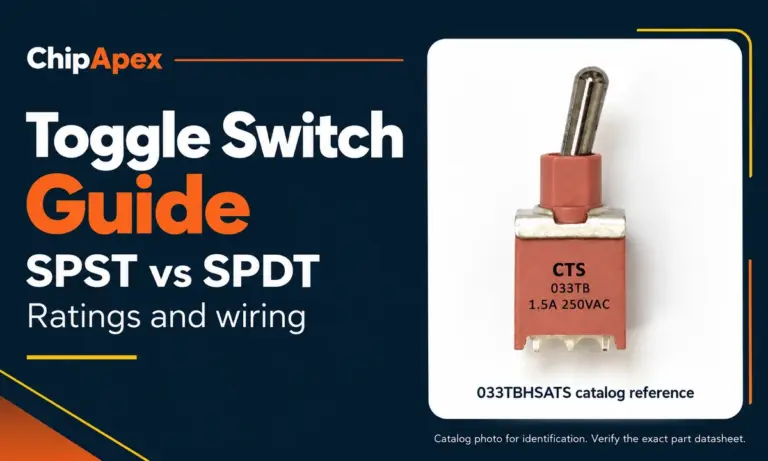
Compare SPST and SPDT toggle switches, understand AC/DC ratings, and follow wiring examples. Check contact action, mounting and parts in the ChipApex catalog.
Read More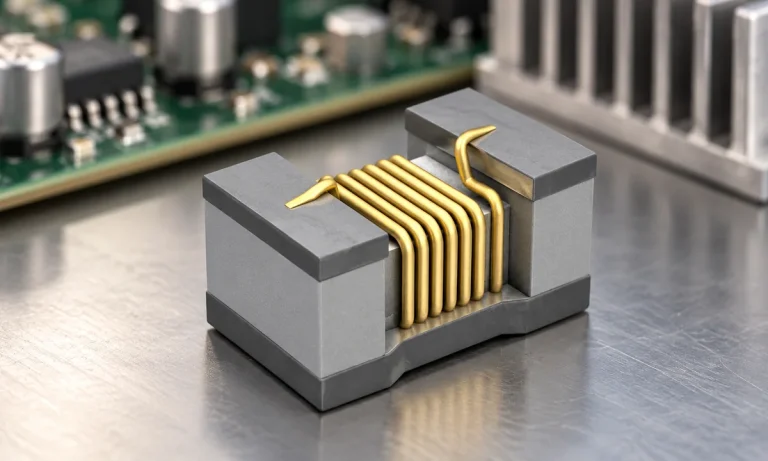
See when an inductor behaves linearly, how DC bias and saturation reduce inductance, and which current and temperature curves to check.
Read More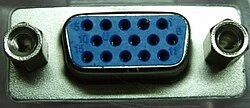
Identify a VGA DE-15 connector, check RGB, sync and DDC pin groups, and choose the right adapter direction for a legacy analog display or…
Read More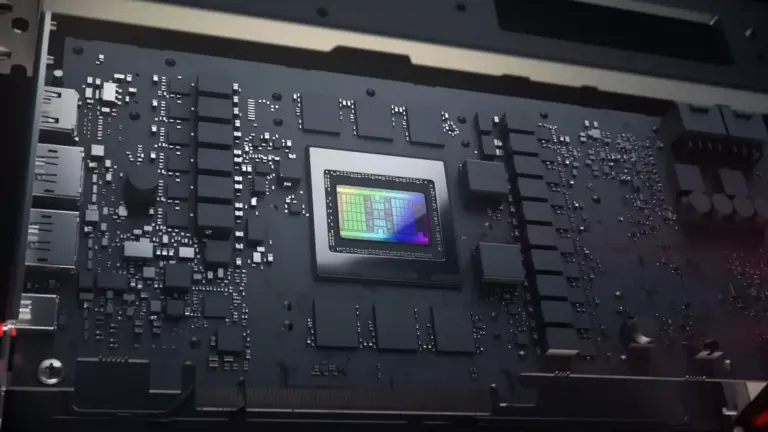
Latest updates from leading semiconductor manufacturers: Wolfspeed launches new SiC modules, AMD reveals MI430X with HBM4, TSMC eyes third Japan fab, and Samsung samples…
Read More
Compare linear and switching voltage regulators with a worked power-loss example and practical checks for dropout, load transients, ripple, heat and EMI.
Read More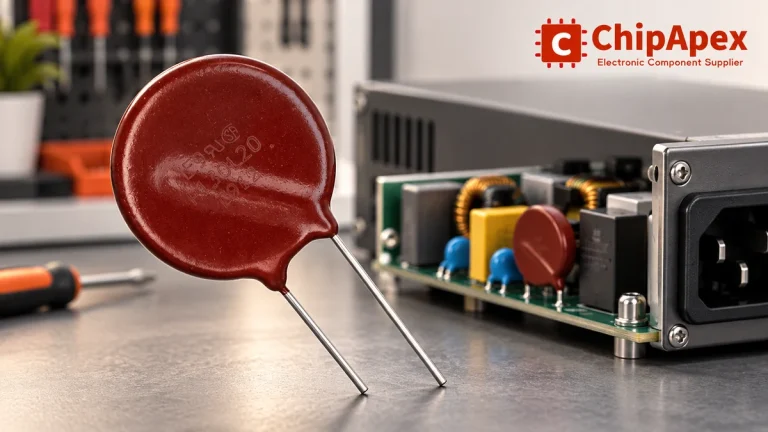
Select MOV varistors by continuous voltage, clamping behavior, surge waveform and repetition. Check thermal disconnection, fuse coordination and replacements.
Read More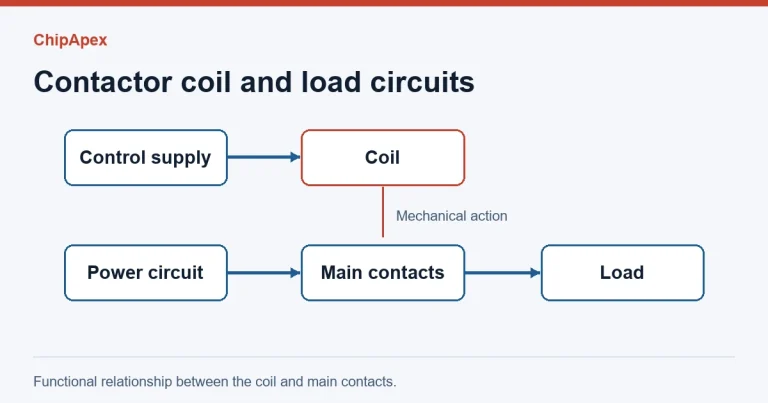
Learn what a contactor does, how it differs from a relay or starter, and how to check coil voltage, motor duty and protection before…
Read More
The activity of extra discounts on wholesale prices is in full swing…
Please fill in your contact information and we will send you the latest wholesale price list.

