 ChipApex | Global Electronic Components Supplier

SEARCH
Search Product
Search Post
Search productSearch post
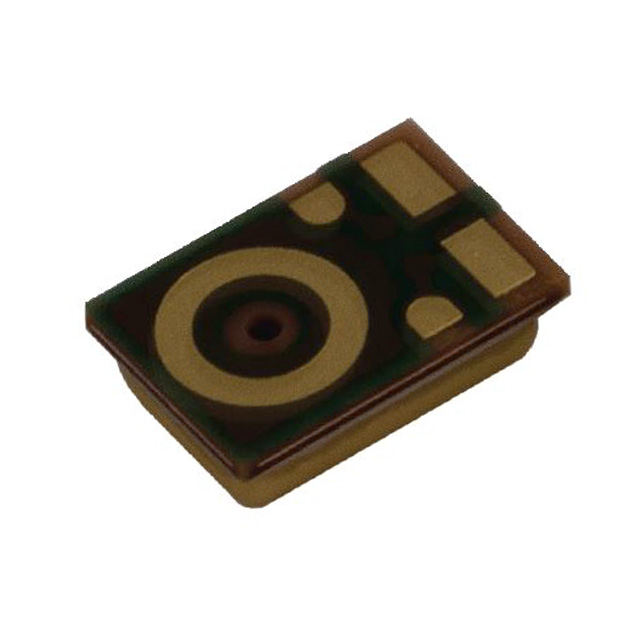
Microphones are transducers that convert sound into an electrical signal for storage, transmission and/or rebroadcasting. Ranging from large boom style microphones to small and popular MEMS types, they are differentiated by impedance, voltage rating, sensitivity, frequency range, port location, overall size and mounting type. Analog, I2S, PDM and TDM output interfaces are available.
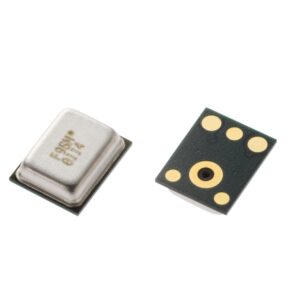 3SM121MZB1UAView Product
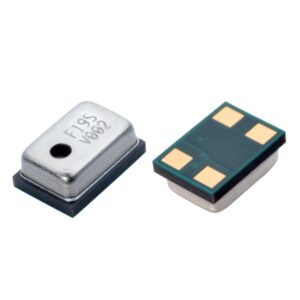 3SM122KZT1VAView Product
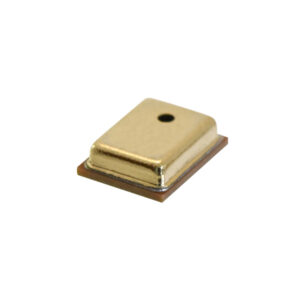 CMM-3729AT-42108-TRView Product
 3SM121F4T1UEView Product
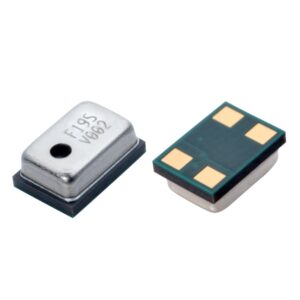 3SM123E4T1VA-002-RView Product
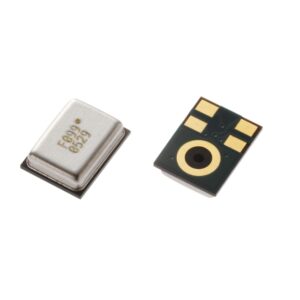 3SM121LZB1HAView Product
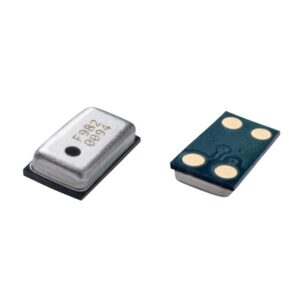 3SM123C4T1QAView Product
 SPK2611HM7H-1-6View Product
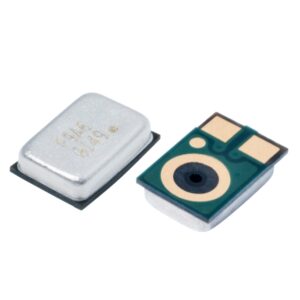 3SM122KZB1VD-002-RView Product
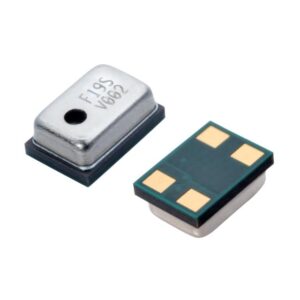 3SM122KZT1VA-002-RView Product
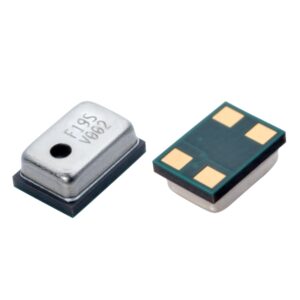 3SM123C4T1VA-RView Product
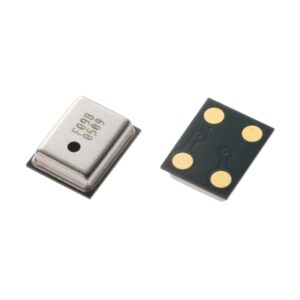 3SM121MZT1UAView Product
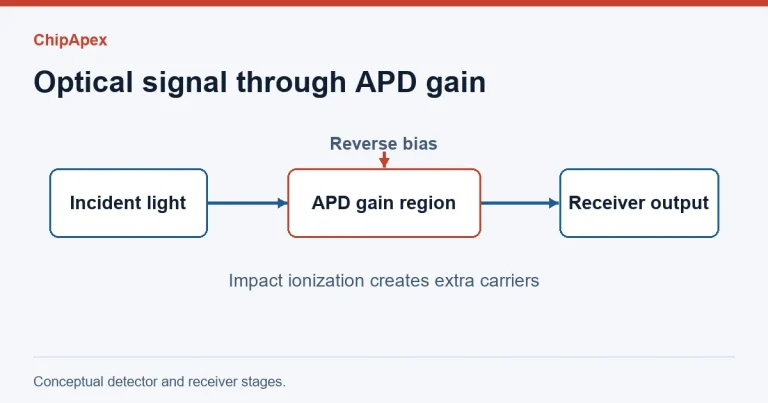
See how avalanche photodiodes multiply photocurrent and compare APD and PIN detectors by gain, noise, bias, bandwidth and operating temperature.
Read More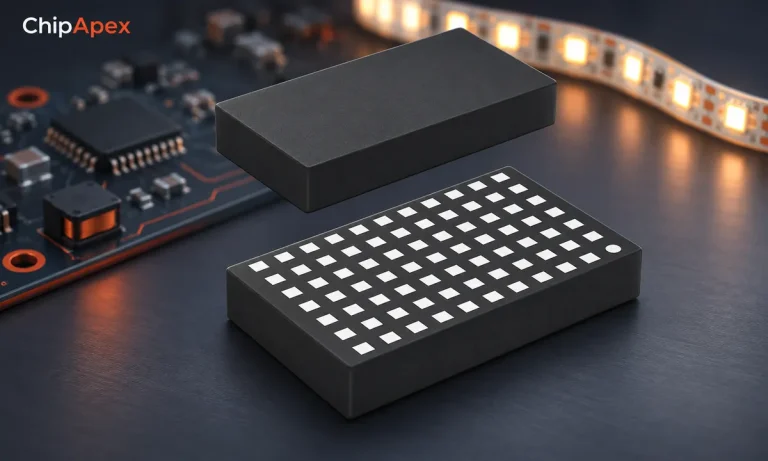
Choose LED drivers by current, string voltage, dimming and thermal limits. Understand constant-current operation and the checks needed for your load.
Read More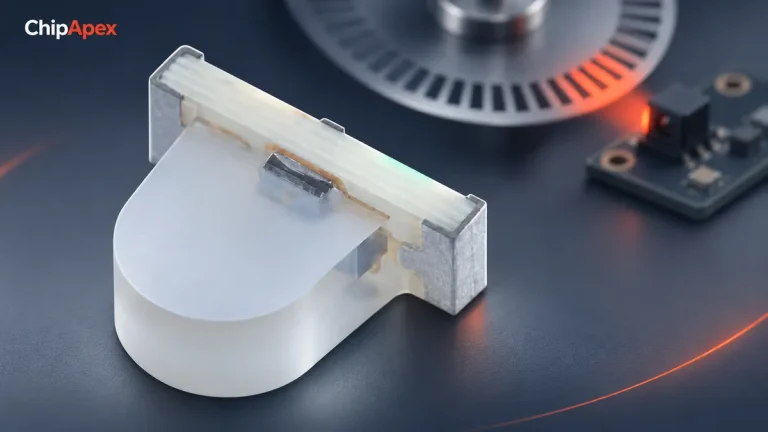
Understand phototransistor operation, load-resistor selection, saturation and response time. Compare detector types and prepare component sourcing requirements.
Read More
Date: May 13, 2026 The global memory industry is facing an unprecedented supply crunch in legacy MLC NAND Flash. Leading manufacturers including Samsung Electronics…
Read More
PLANO, Texas – March 20, 2026 – Diodes Incorporated (Nasdaq: DIOD), a leading global manufacturer and supplier of high-quality application-specific standard products in the…
Read More
Hsinchu, Taiwan – April 18, 2026 – United Microelectronics Corporation (UMC, NYSE: UMC), a leading global semiconductor foundry specializing in mature process technologies, has…
Read More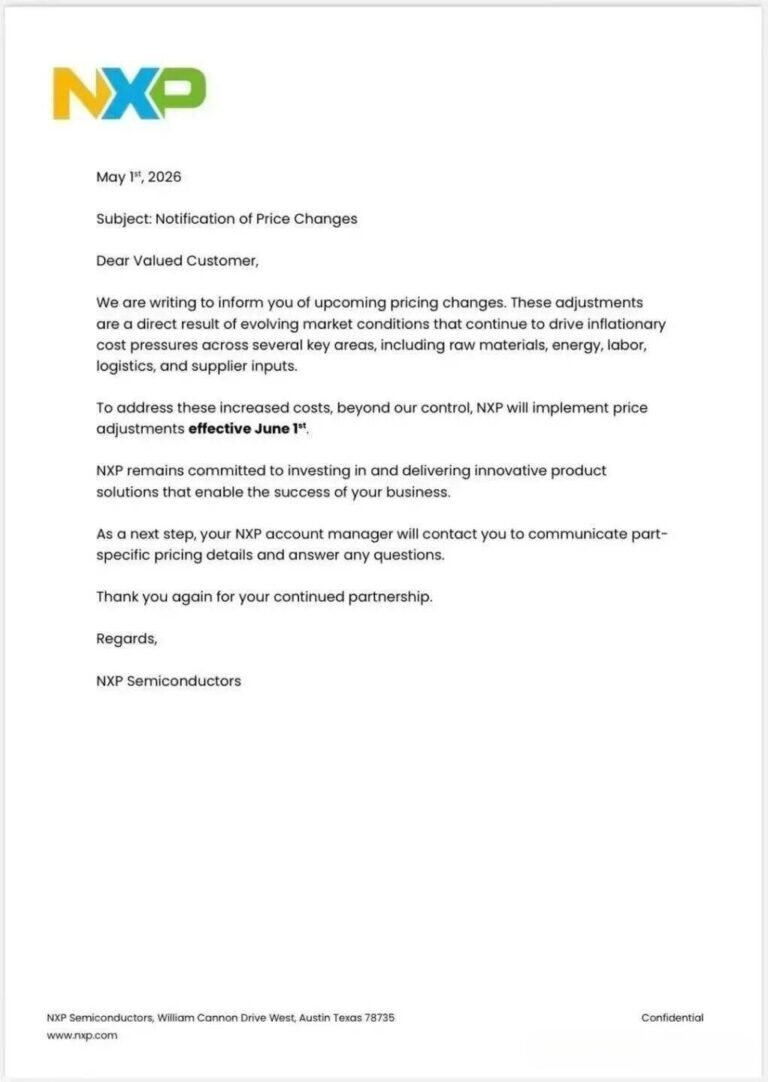
May 8, 2026 – Eindhoven, Netherlands NXP Semiconductors (NXPI), a global leader in automotive and industrial semiconductor solutions, has officially notified its worldwide channel…
Read More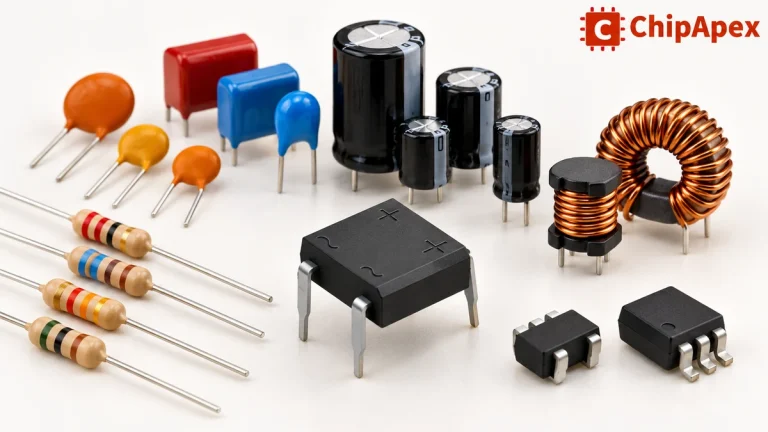
Explore electronic component types, functions, packages and datasheets. Learn selection, replacement and BOM checks before ordering parts for your PCB.
Read More
CHICAGO, USA – May 27, 2026 – Global leading interconnect manufacturer Molex officially issued a global distributor price adjustment notice on May 27, confirming…
Read More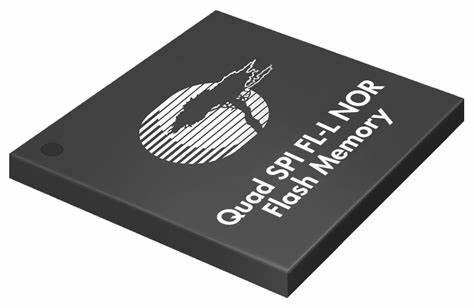
What Is NOR Flash? Why It Still Powers Critical Embedded Systems When your car’s engine control unit boots in milliseconds… When a medical device…
Read More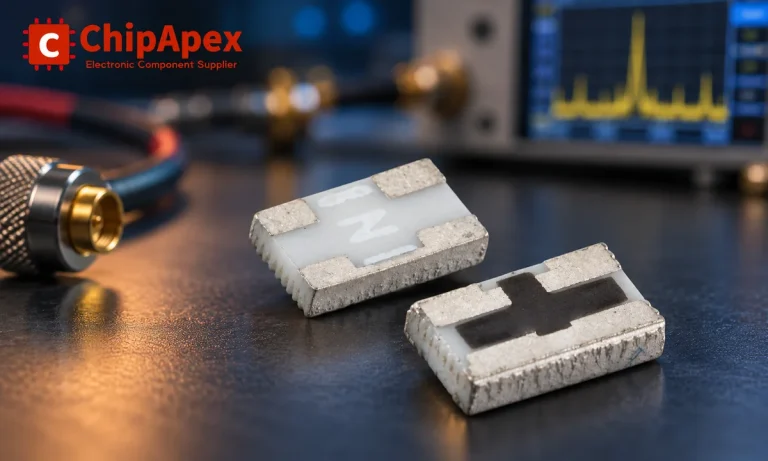
Understand RF attenuator dB values, fixed and programmable types, impedance, power limits and noise tradeoffs before choosing parts for an RF signal path.
Read More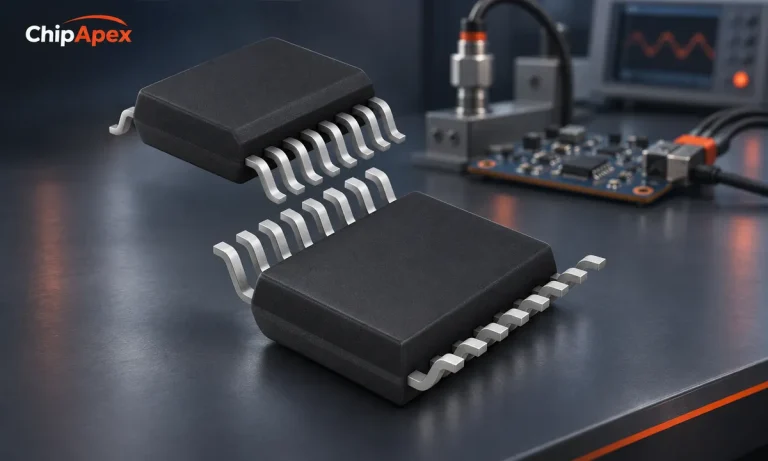
Choose an ADC converter by resolution, sample rate, noise and input design. Review practical tradeoffs and prepare component requirements for ChipApex.
Read More
The activity of extra discounts on wholesale prices is in full swing…
Please fill in your contact information and we will send you the latest wholesale price list.

