ChipApex | Global Electronic Components Supplier

SEARCH
Search Product
Search Post
— IC芯片 | 连接器 | 传感器 | 被动器件 —
Search productSearch post
— IC芯片 | 连接器 | 传感器 | 被动器件 —

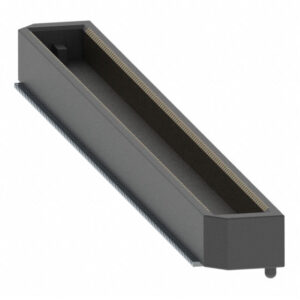
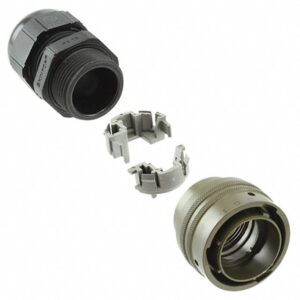
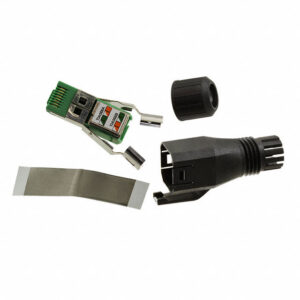
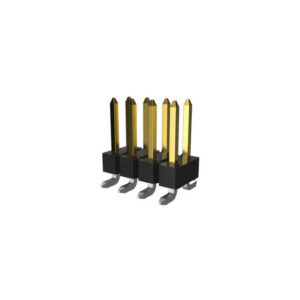
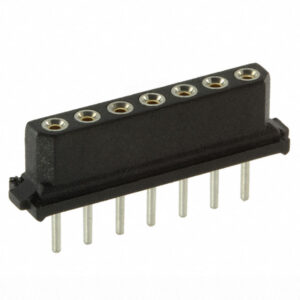
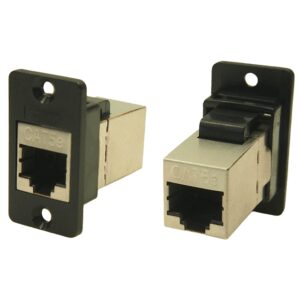
Connectors and interconnects are essential components that enable the connection of electrical circuits or fiber optic cables. They provide a reliable and reusable method for transmitting electrical signals or light pulses between different parts of an electronic system. The vast array of connector and interconnect designs caters to a wide range of applications and functionalities. A wide variety of styles are available for most applications, including banana plugs for lab equipment, coaxial connectors for RF, sockets for transistors and integrated circuits, standard AC power connectors, headphone plugs and jacks, high-voltage connectors, USB connectors, and more! The key features and benefits of connectors and interconnects include: Electrical Connection: Establish a secure and reliable path for electrical signals or light pulses to flow between components. Mating and Unmating: Allow for easy connection and disconnection of circuits, facilitating maintenance, repair, and modularity in electronic systems. Environmental Protection: Shield connections from dust, moisture, and other environmental elements to ensure reliable performance. Signal Integrity: Maintain signal quality by minimizing signal loss or distortion, particularly in high-frequency applications. Standardization: Many connector types adhere to industry standards, ensuring compatibility between components from different manufacturers. Connectors and interconnects are ubiquitous in modern electronics. They are found in everything from computers and smartphones to industrial machinery and medical devices. The specific type of connector chosen depends on factors like voltage, current rating, required bandwidth, environmental conditions, and desired mating mechanism.

Choose a DIP switch by contact type, coded positions, footprint and signal ratings. Check logic polarity, assembly conditions and PCB configuration behavior.
Read More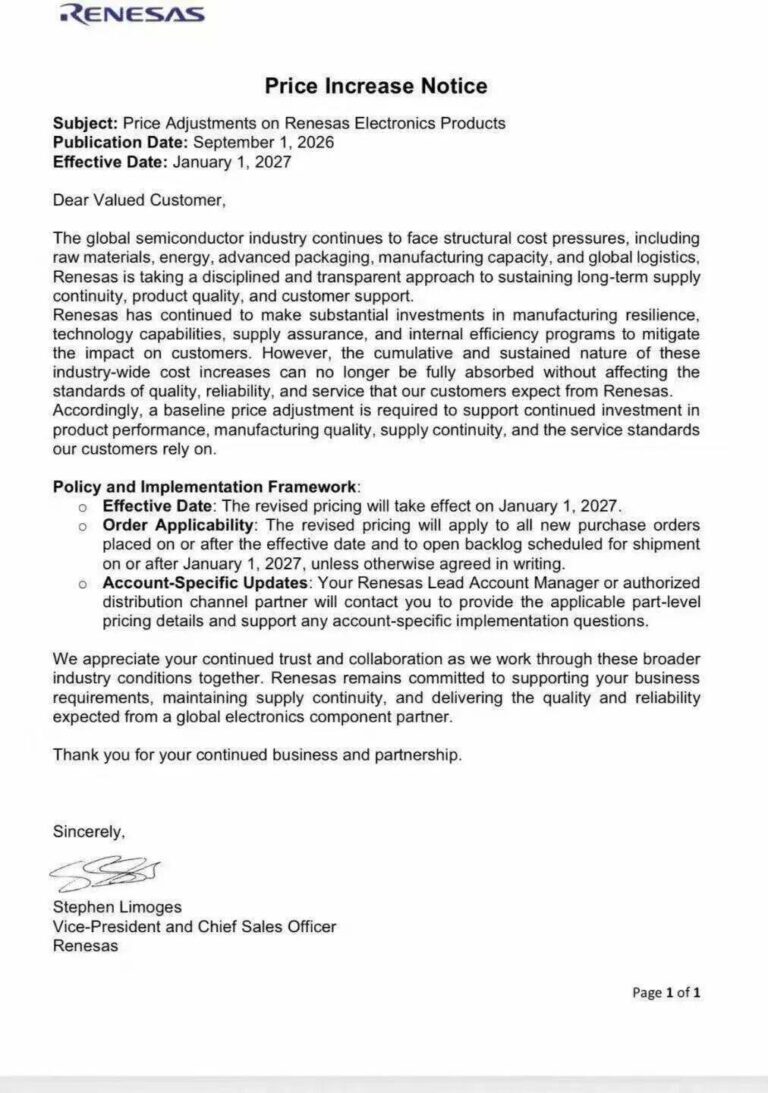
TOKYO — Global leading semiconductor and power electronic components manufacturer Renesas Electronics officially issued a new price adjustment notice in early September 2026, confirming…
Read More
Learn why PTC resistance rises with temperature, how it differs from NTC, and which ratings matter for sensing and protection.
Read More
Learn how a diode conducts, how to identify anode and cathode, and when to choose rectifier, TVS, Zener or photodiode types for a circuit.
Read More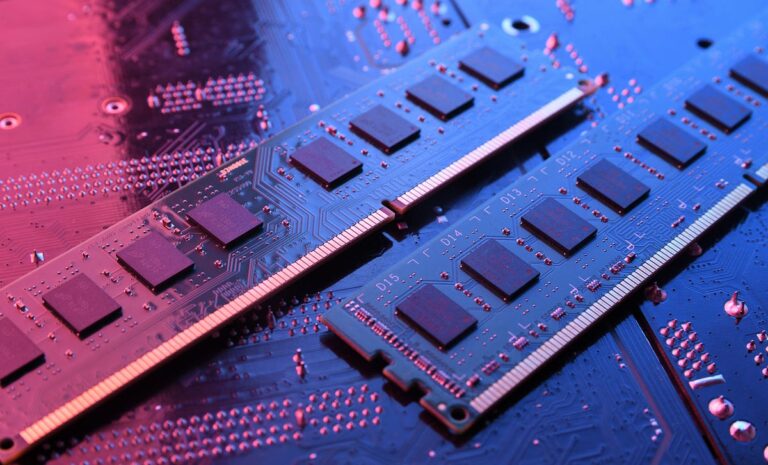
In the world of electronics, memory components play a critical role in system performance—and DRAM (Dynamic Random-Access Memory) is one of the most widely…
Read More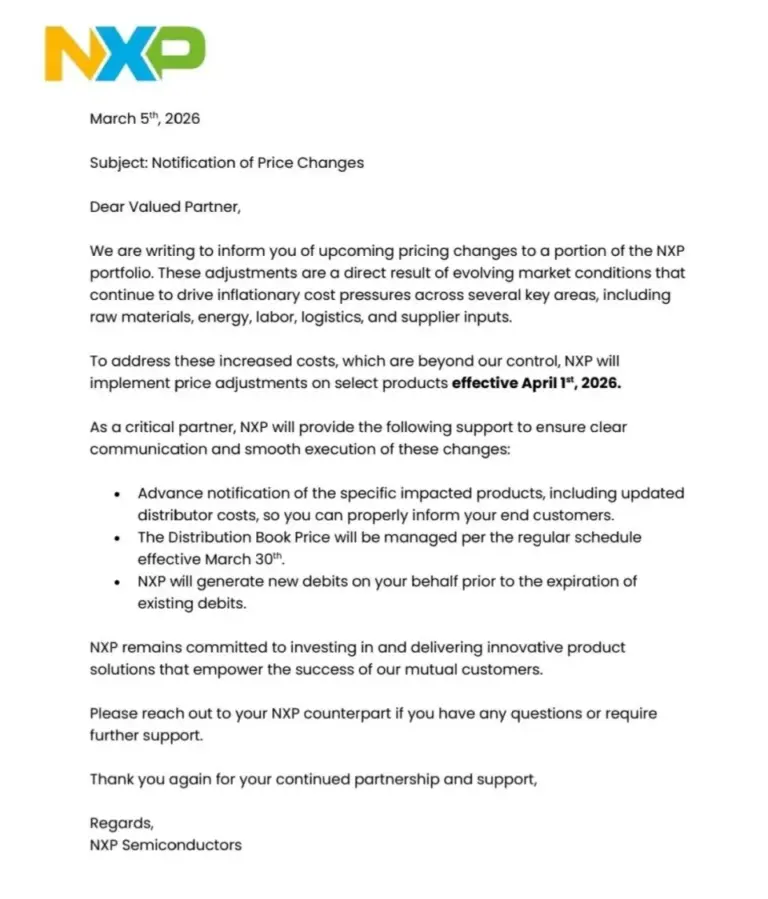
NXP Semiconductors (NASDAQ: NXPI), a global leader in automotive, industrial, and IoT semiconductors, has officially notified customers of an upcoming price adjustment for select…
Read More
Learn the relay definition, coil and contact operation, NO and NC forms, load ratings and suppression choices. Compare mechanical, reed and solid-state types.
Read More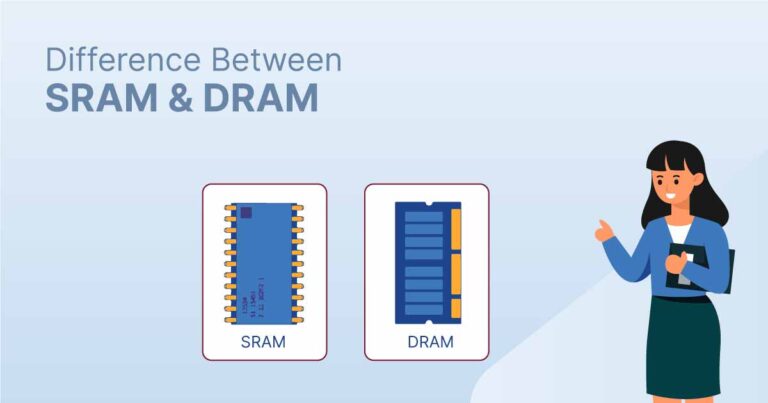
In an era dominated by AI accelerators with terabytes of HBM memory and consumer devices racing toward LPDDR5X bandwidth, it’s easy to wonder: why…
Read More
Recently, global semiconductor manufacturers have been constantly making moves in aspects such as technological cooperation, product manufacturing processes, and market layout, demonstrating the rapid…
Read More
[Shenzhen/Shanghai/Beijing, January 2025] — As global digital transformation accelerates, the electronic components industry has reached a critical inflection point in 2025. Emerging fields such…
Read More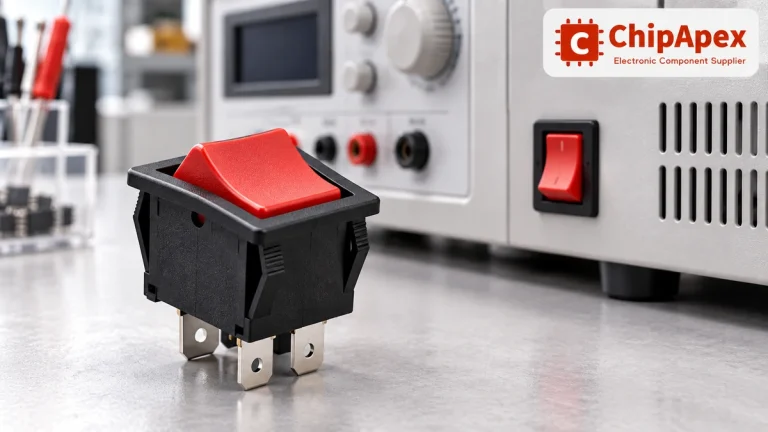
Choose a rocker switch by AC/DC ratings, contact arrangement, illumination, panel fit and sealing. Get practical checks for engineering and component sourcing.
Read More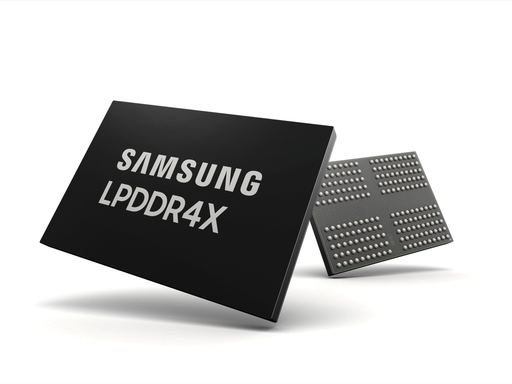
Samsung Electronics, the world’s largest memory chip manufacturer, has officially confirmed the end-of-life (EOL) for its LPDDR4 and LPDDR4X low-power DRAM products, marking a…
Read More
The activity of extra discounts on wholesale prices is in full swing…
Please fill in your contact information and we will send you the latest wholesale price list.