ChipApex | Global Electronic Components Supplier

SEARCH
Search Product
Search Post
Search productSearch post
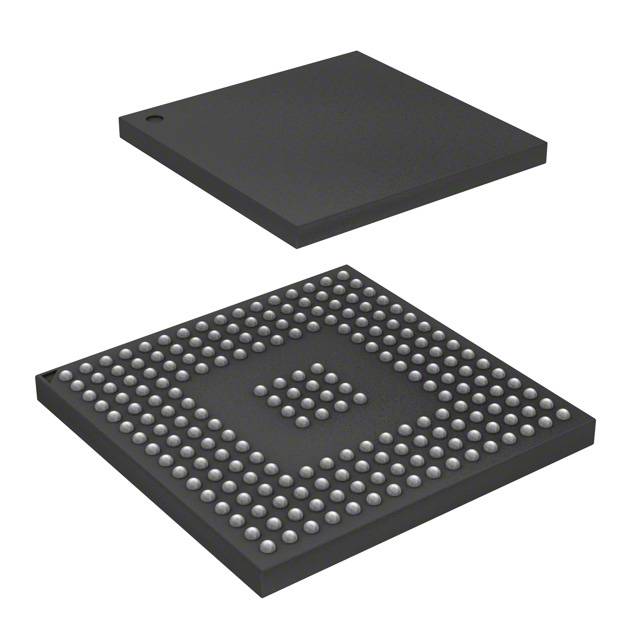
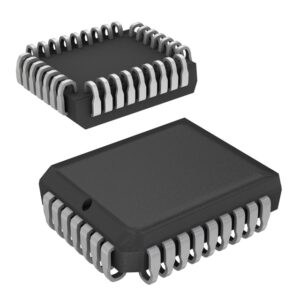
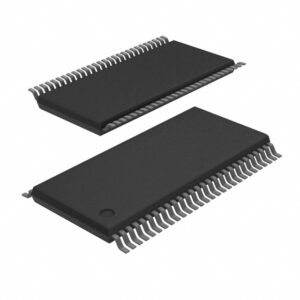
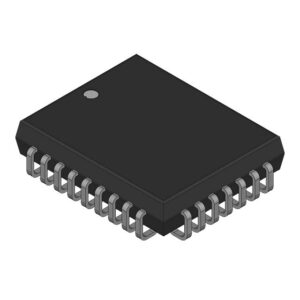
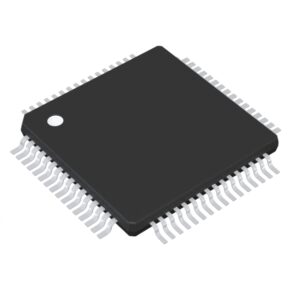
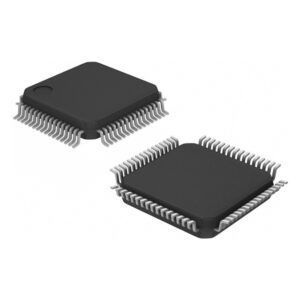
First-In, First-Out (FIFO) memory devices are used for short-term storage of digital information, with retrieval of information occurring in the same order and sequence that the information was stored. Also called queue or buffer memories, they are commonly used for exchange of information between separate devices, particularly in cases where data is generated and consumed at different rates or at slightly different points in time.
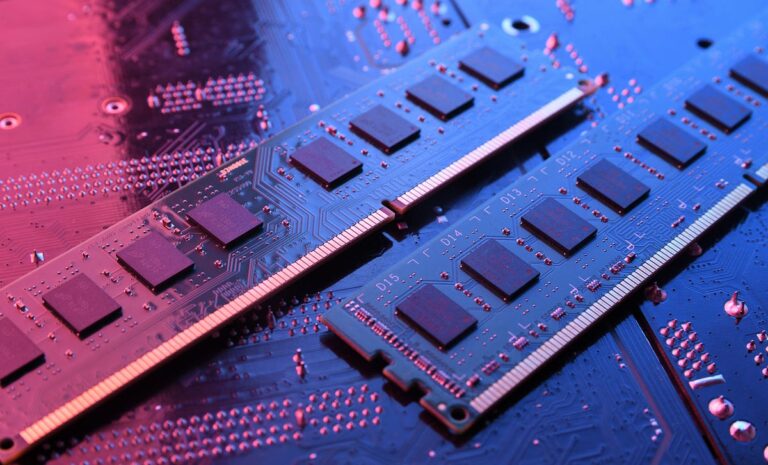
In the world of electronics, memory components play a critical role in system performance—and DRAM (Dynamic Random-Access Memory) is one of the most widely…
Read More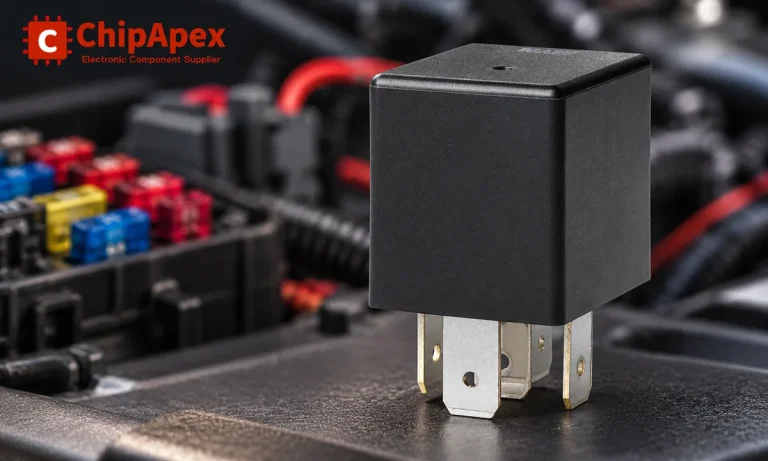
Learn the relay definition, coil and contact operation, NO and NC forms, load ratings and suppression choices. Compare mechanical, reed and solid-state types.
Read More
Compare linear and switching voltage regulators with a worked power-loss example and practical checks for dropout, load transients, ripple, heat and EMI.
Read More
September 16, 2026 – Global — Leading semiconductor manufacturer ON Semiconductor (onsemi, NASDAQ: ON) has officially issued a formal price adjustment letter to global…
Read More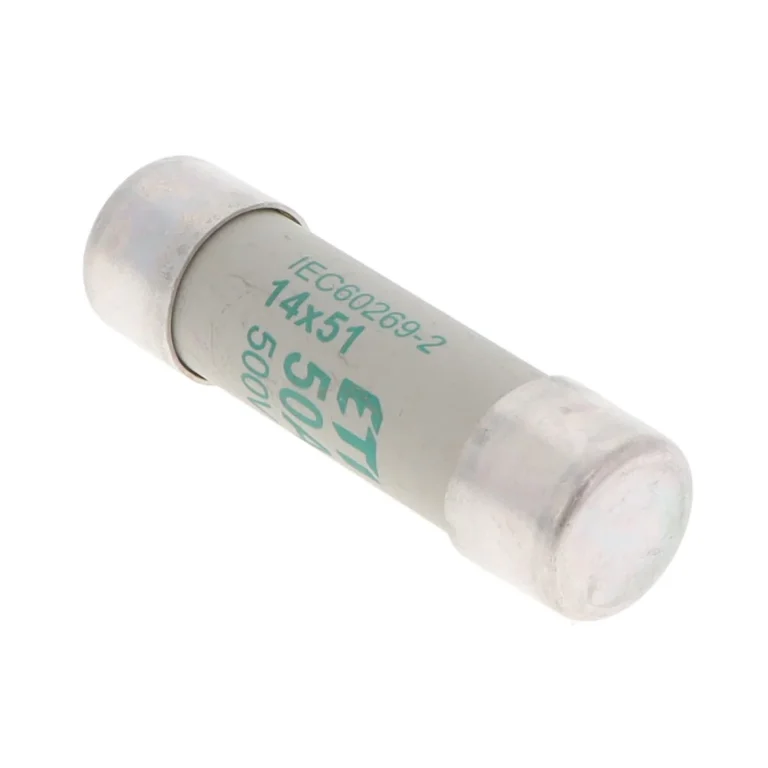
Understand HRC fuse breaking capacity, voltage and current ratings, time-current curves, and the checks needed for motor, feeder and converter protection.
Read More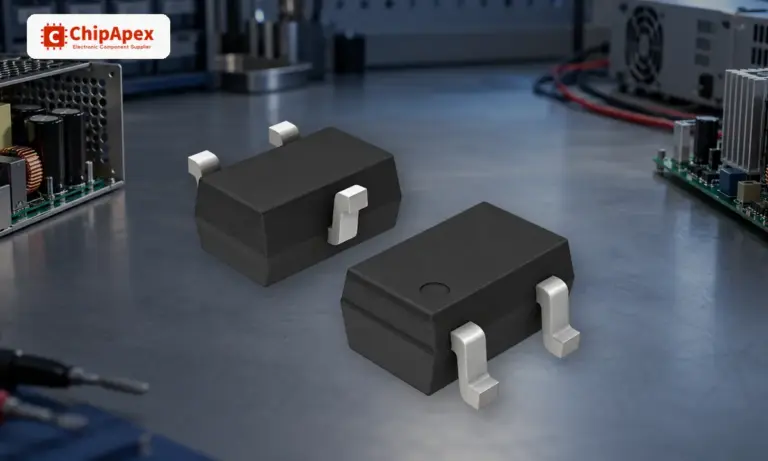
Learn how a diode conducts, how to identify anode and cathode, and when to choose rectifier, TVS, Zener or photodiode types for a circuit.
Read More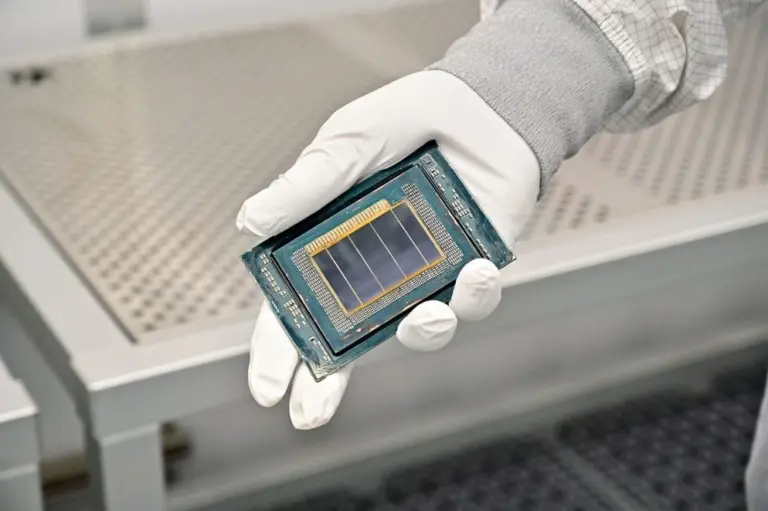
Recently, global semiconductor manufacturers have been constantly taking actions and presenting numerous new developments in aspects such as process technology and product research and…
Read More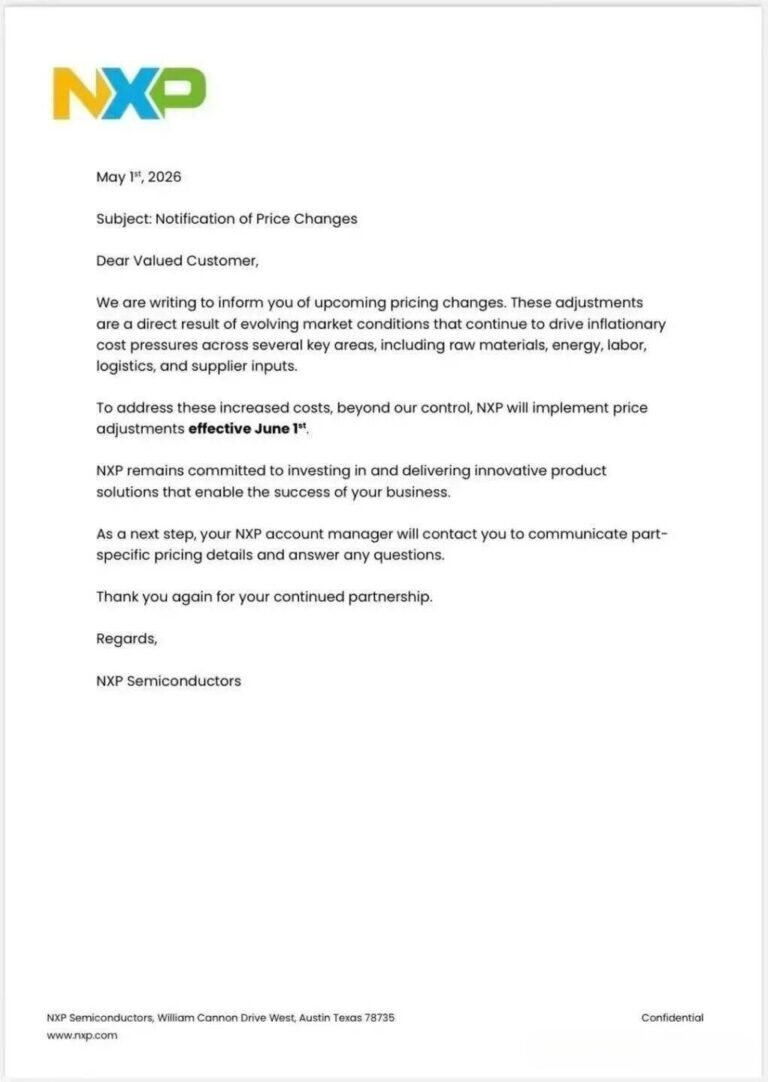
May 8, 2026 – Eindhoven, Netherlands NXP Semiconductors (NXPI), a global leader in automotive and industrial semiconductor solutions, has officially notified its worldwide channel…
Read More
Recently, global semiconductor manufacturers have been constantly making moves in aspects such as technological cooperation, product manufacturing processes, and market layout, demonstrating the rapid…
Read More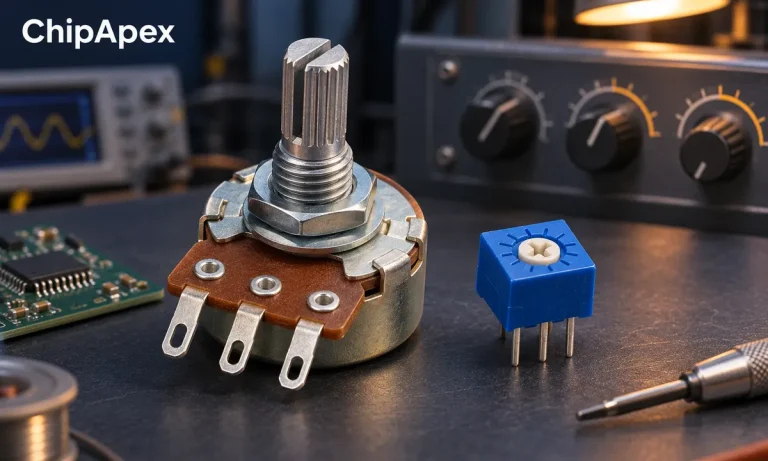
Compare rheostat and potentiometer wiring and functions. Understand divider loading, wiper current, track power and practical component selection.
Read More
As 2025 draws to a close, the global semiconductor industry stands at a crossroads. Intertwined with escalating geopolitical tensions, supply chain disruptions, and groundbreaking…
Read More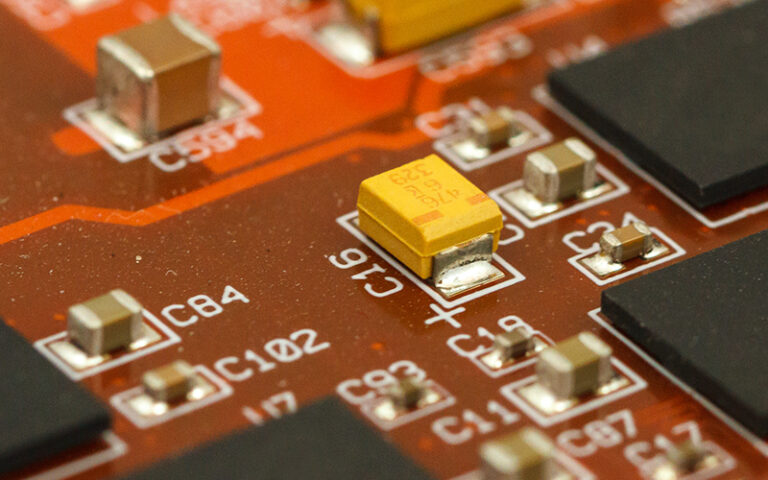
The global electronics industry is facing an escalating shortage of tantalum capacitors, a critical passive component, as surging demand from AI servers, automotive electronics,…
Read More
The activity of extra discounts on wholesale prices is in full swing…
Please fill in your contact information and we will send you the latest wholesale price list.