 ChipApex | Global Electronic Components Supplier

SEARCH
Search Product
Search Post
Search productSearch post

Integrated circuits combine a large number of transistors and other elementary electronic components in miniaturized form into a single physical device, that is designed for a specific purpose or function and characterized by its performance of that function rather than by the behavior of its component pieces. Examples include microcontrollers, battery monitors and charge controllers, analog to digital converters, operational amplifiers, logic gates, voltage regulators, gate drivers, motor controllers, and others.
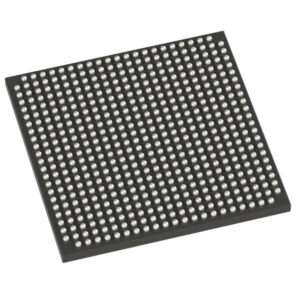 LS1020ASN7MQBView Product
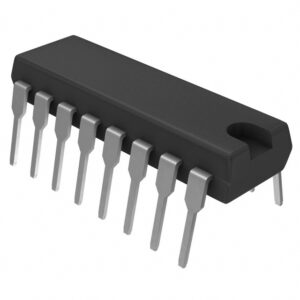 NJW4301DView Product
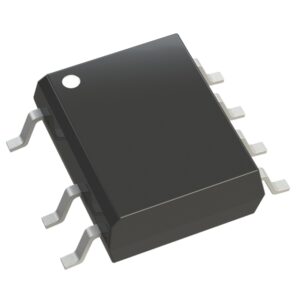 LYT2002D-TLView Product
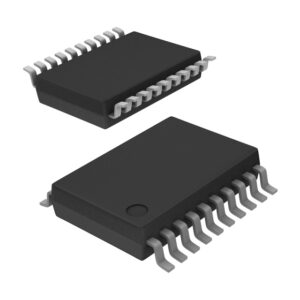 PCM1720E/2KView Product
 LM2901QDRSVView Product
 TAS5101IDAPG4View Product
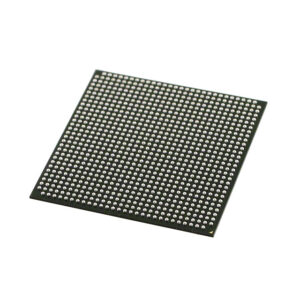 5AGXBB3D4F31C5GView Product
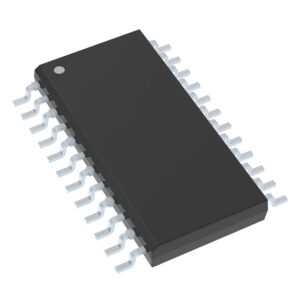 DM74ALS874BWMXView Product
 TLE9861QXA20XUMA2View Product
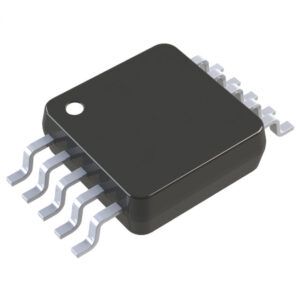 SI5350A-B05042-GTRView Product
 SN74LVC2G04DRLRG4View Product
 ISPLSI81080V-90LB272View Product
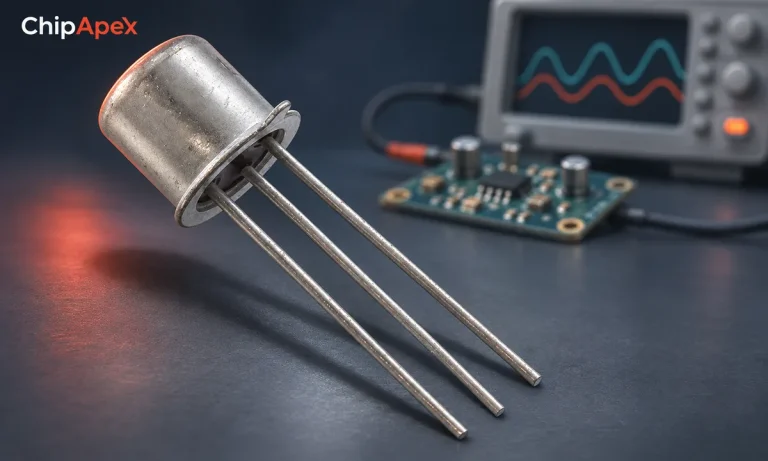
Learn what a transistor does in a circuit. Compare switching and amplification, BJT and MOSFET drive, operating limits and practical component selection.
Read More
See how a MEMS gyroscope measures angular rate, why its angle estimate drifts, and which range, noise, interface and temperature specs to compare.
Read More
Wilmington, Mass. & Milpitas, Calif. – May 19, 2026 – Analog Devices, Inc. (NASDAQ: ADI), a global leader in high-performance analog and mixed-signal semiconductors,…
Read More
Understand UART protocol framing, baud rate and electrical interfaces. Learn 8N1 timing, TX/RX wiring, buffering and practical troubleshooting steps.
Read More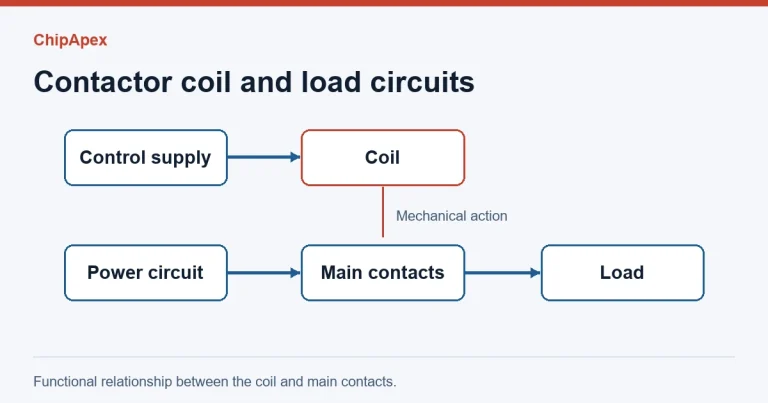
Learn what a contactor does, how it differs from a relay or starter, and how to check coil voltage, motor duty and protection before…
Read More
Compare RC, crystal and MEMS oscillator circuits. Check ppm, jitter, load capacitance, startup margin and output compatibility before choosing a clock source.
Read More
As the backbone of modern technology, electronic components are undergoing revolutionary changes, driven by advancements in materials science, miniaturization, and smart manufacturing. From ultra-efficient…
Read More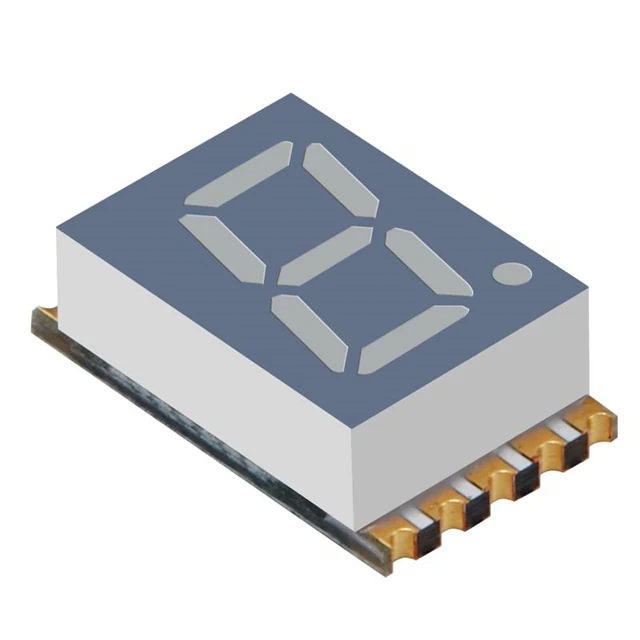
Identify common-anode and common-cathode seven-segment displays, calculate segment resistors and check driver current and four-digit multiplex timing.
Read More
A perfect storm of surging demand and supply chain disruptions is roiling the global electronic components market, with advanced semiconductors and critical materials now…
Read More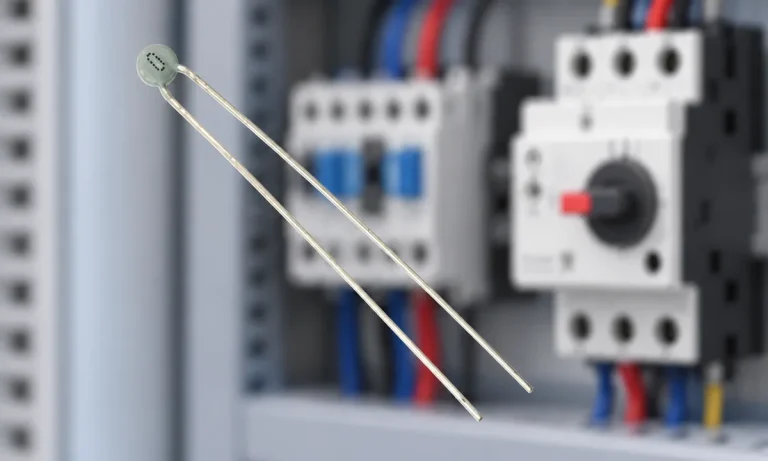
Learn why PTC resistance rises with temperature, how it differs from NTC, and which ratings matter for sensing and protection.
Read More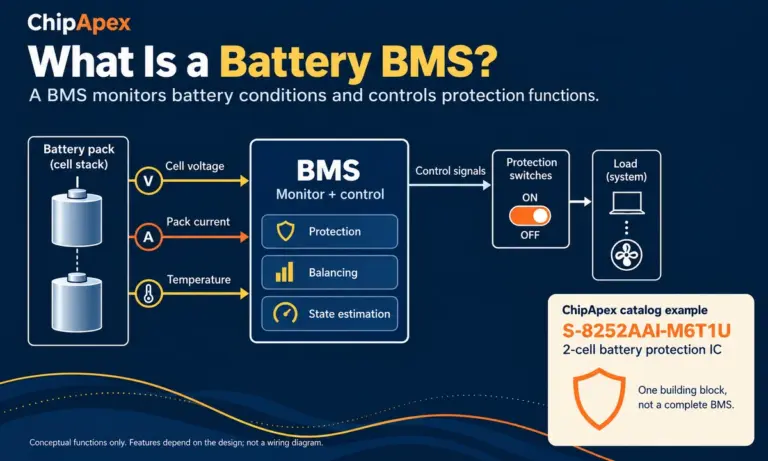
Learn what a battery BMS does, how protection differs from charging, and which pack specifications to check when sourcing BMS components through ChipApex.
Read More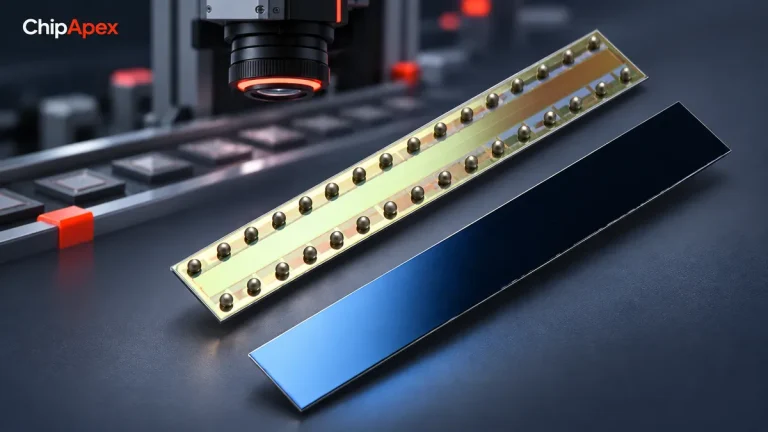
Learn how optical sensing works, compare detection methods, and select sensors by target surface, ambient light, response time and electrical interface.
Read More
The activity of extra discounts on wholesale prices is in full swing…
Please fill in your contact information and we will send you the latest wholesale price list.

