 ChipApex | Global Electronic Components Supplier

SEARCH
Search Product
Search Post
Search productSearch post
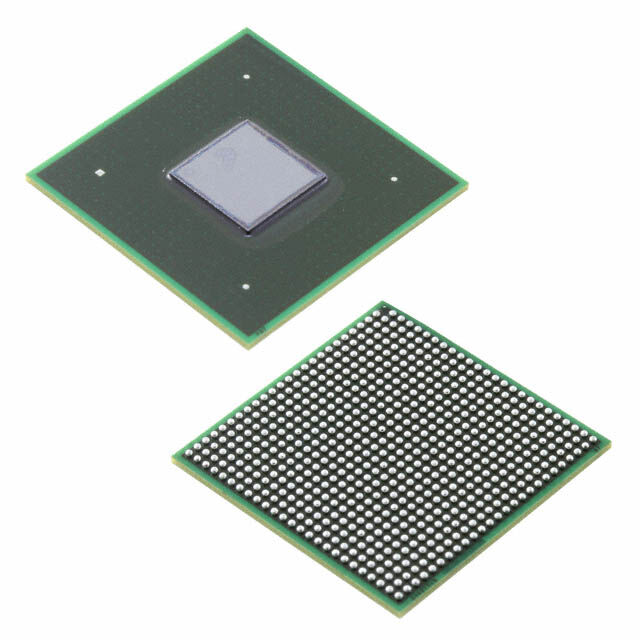
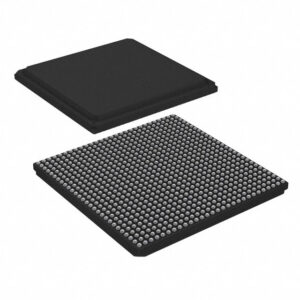
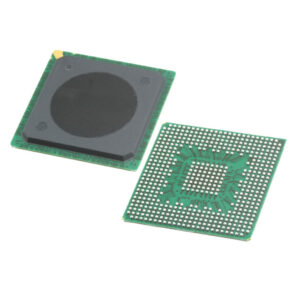
Microprocessor products are integrated circuits used for information and data processing. They are differentiated from similar products that are considered microcontrollers primarily by the manufacturer\'s choice of term, though by tradition microprocessors do not integrate working memory within the device, are less likely to integrate mixed-signal peripherals, and likely to be used under more complex software paradigms involving the use of an operating system to manage the concomitant execution of multiple tasks.
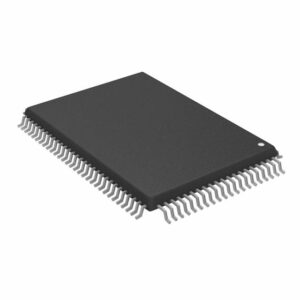 MC68EC020FG25View Product
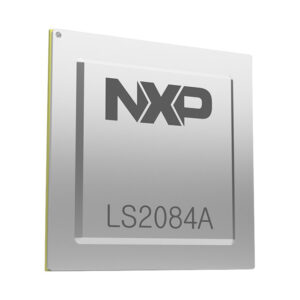 LS2084ASN7V1BView Product
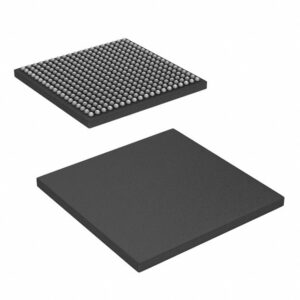 OMAPL138EZWT3View Product
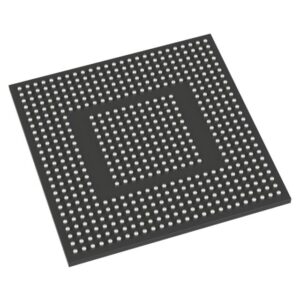 R9A07G044L18GBG#BC0View Product
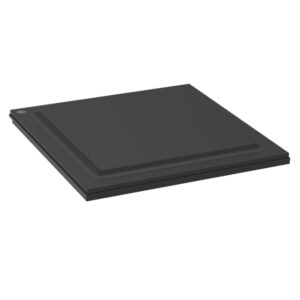 MCIMX6QP4AVT8ABView Product
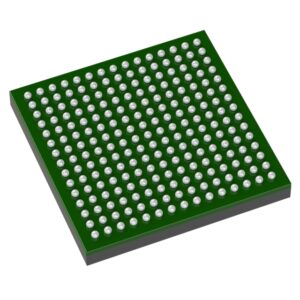 AM2731CLSFHQNZNRQ1View Product
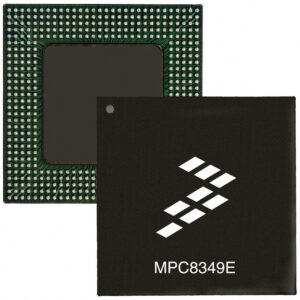 MPC8347ECVVAGDBView Product
 LS1023ASN8KQBView Product
 MPC8321ECVRADDCAView ProductKMPC8270CVRMIBAView Product
 MPC8378ECVRALGAView ProductR9A07G054L28GBG#BC0View Product
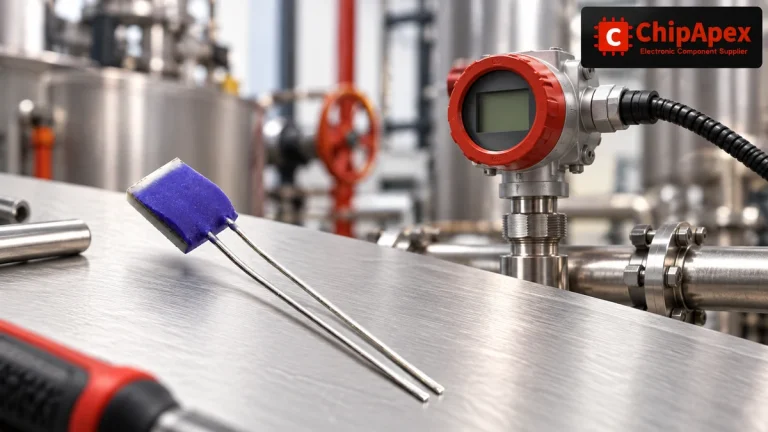
Compare Pt100 and Pt1000 RTDs, two-, three- and four-wire connections, excitation and self-heating. Build an error budget from element to reported temperature.
Read More
PLANO, Texas – March 20, 2026 – Diodes Incorporated (Nasdaq: DIOD), a leading global manufacturer and supplier of high-quality application-specific standard products in the…
Read More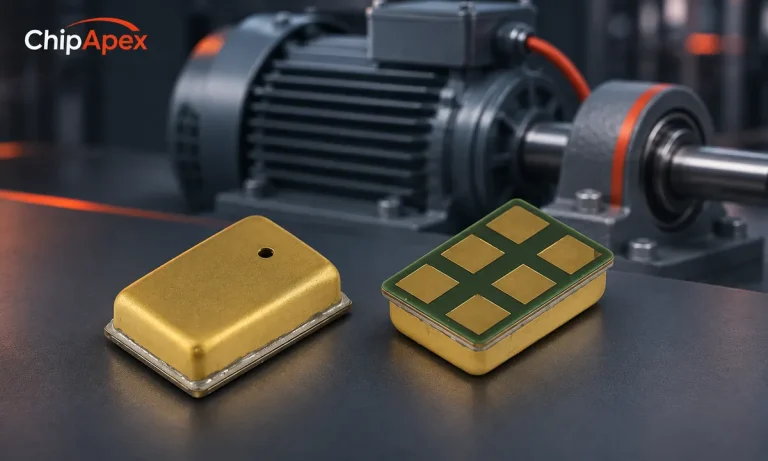
Choose a vibration sensor for machine monitoring. Compare sensing methods, bandwidth, noise and mounting, then define the signal-chain requirements.
Read More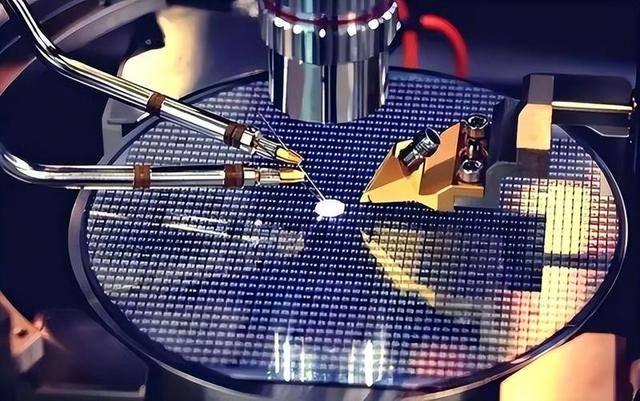
On September 22nd, it was reported that Samsung Electronics, the South Korean tech giant, had successfully passed NVIDIA's certification test for its 12-layer HBM3E…
Read More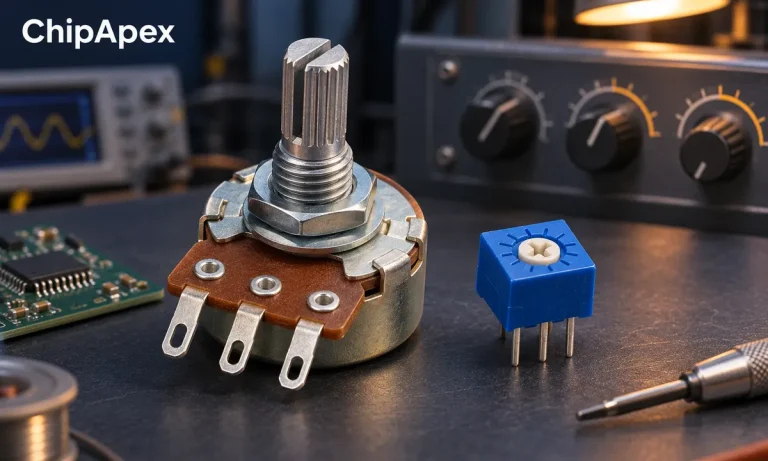
Compare rheostat and potentiometer wiring and functions. Understand divider loading, wiper current, track power and practical component selection.
Read More
Recently, the global electronic component market has witnessed a series of new developments. The strategic layouts and market collaborations of major enterprises are constantly…
Read More
See how a MEMS gyroscope measures angular rate, why its angle estimate drifts, and which range, noise, interface and temperature specs to compare.
Read More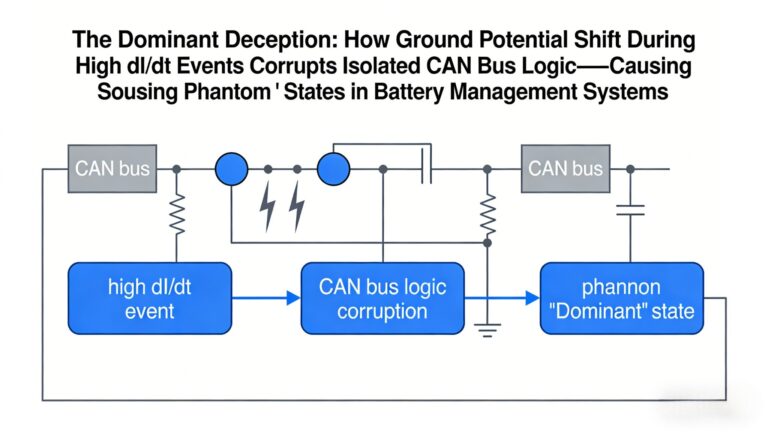
Stay ahead with ChipApex Insights — technical deep dives, market trends, and sourcing tips for memory, microcontrollers, power management, and industrial-grade components. Trusted by…
Read More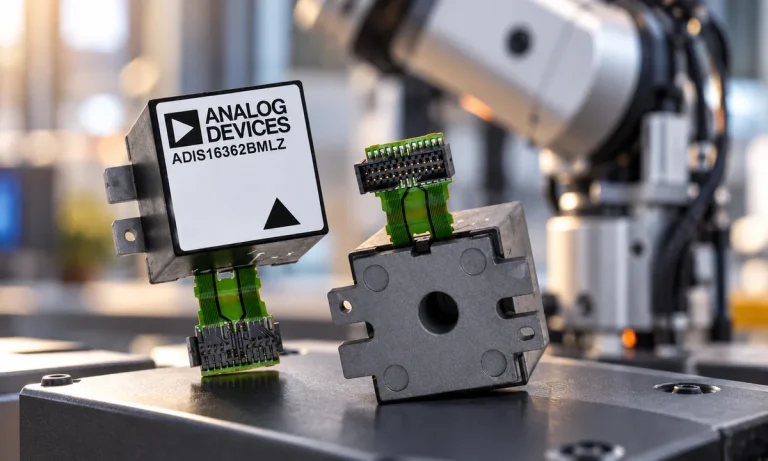
Learn what an IMU measures, how accelerometers and gyroscopes work together, why orientation estimates drift, and what to compare.
Read More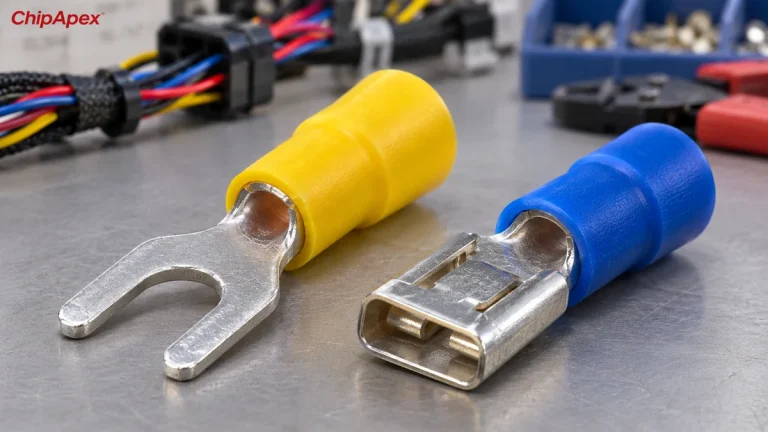
Identify fork terminals and flat-blade spade connectors. Match wire size, tab thickness, insulation and crimp tooling before selecting a replacement.
Read More
Calculate high-side and low-side local oscillator frequencies, locate the receiver image and check how much LO drive reaches the RF mixer input port.
Read More
As 2025 draws to a close, the global semiconductor industry stands at a crossroads. Intertwined with escalating geopolitical tensions, supply chain disruptions, and groundbreaking…
Read More
The activity of extra discounts on wholesale prices is in full swing…
Please fill in your contact information and we will send you the latest wholesale price list.

