ChipApex | Global Electronic Components Supplier

SEARCH
Search Product
Search Post
Search productSearch post
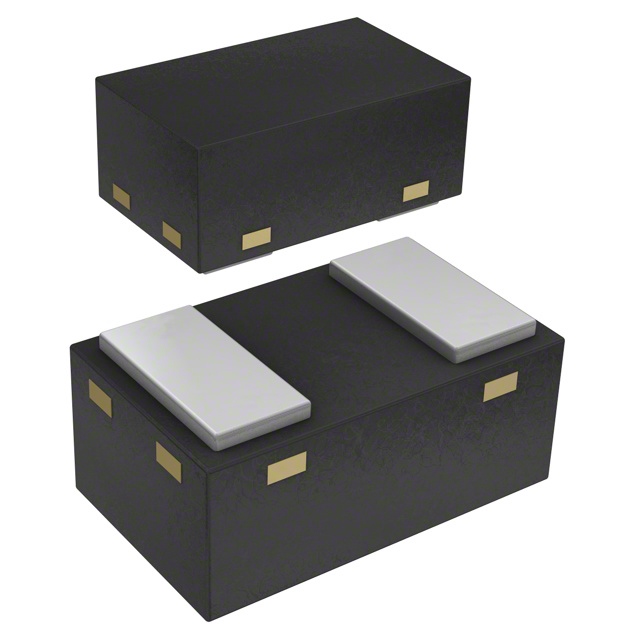
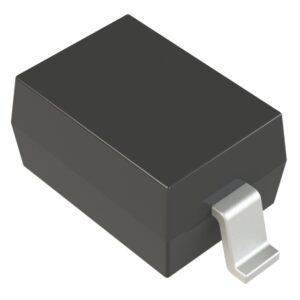
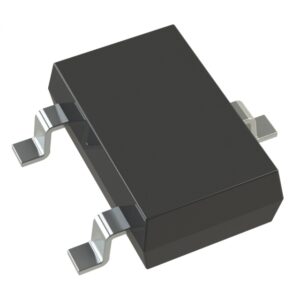
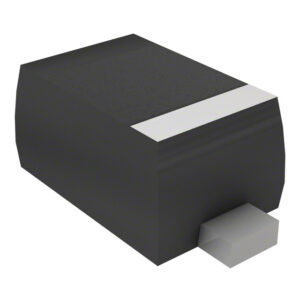
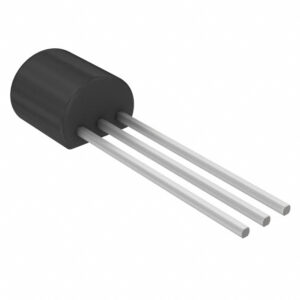
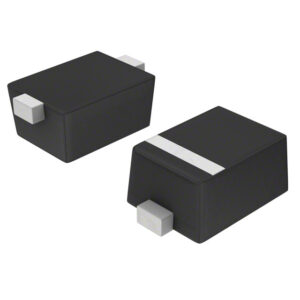
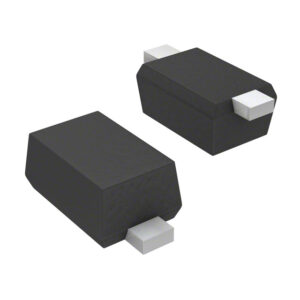
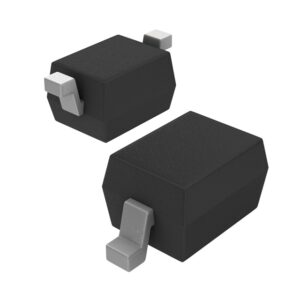
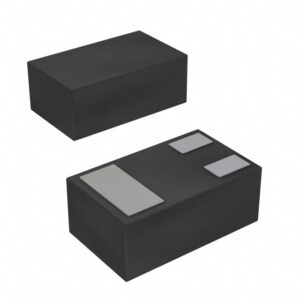
A varactor diode—also known as a varicap or tuning diode—is a type of semiconductor diode designed to operate in reverse bias, where it behaves like a variable capacitor rather than a typical rectifier. Its core function is to exploit the voltage-dependent capacitance of a reverse-biased PN junction, where the width of the depletion region changes with applied voltage, altering the capacitance. This feature makes varactors indispensable in electronic tuning applications, such as frequency modulation (FM), phase-locked loops (PLLs), voltage-controlled oscillators (VCOs), and RF filters. Varactors do not conduct in reverse bias and are used purely for their capacitive behavior. Additionally, MOS varactors—metal-oxide-semiconductor based—offer improved linearity and integration in CMOS technologies, making them suitable for modern RF IC designs. When selecting a varactor, several key parameters must be considered to ensure optimal performance in the target application. Capacitance range and tuning ratio (the ratio of maximum to minimum capacitance) are critical, as they determine how much frequency variation can be achieved. Quality factor (Q) affects signal purity and is especially important in high-frequency RF circuits. Engineers must also consider series resistance, reverse breakdown voltage, and package type, particularly in space-constrained or temperature-sensitive environments. Although varactors are compact and energy-efficient, their non-linear capacitance-voltage curve can introduce distortion, and they typically have a limited tuning range compared to mechanical alternatives. Nonetheless, for most automatic tuning, frequency modulation, and bandwidth control applications, varactors provide a solid-state solution that’s fast, reliable, and easier to integrate into modern analog and RF systems.
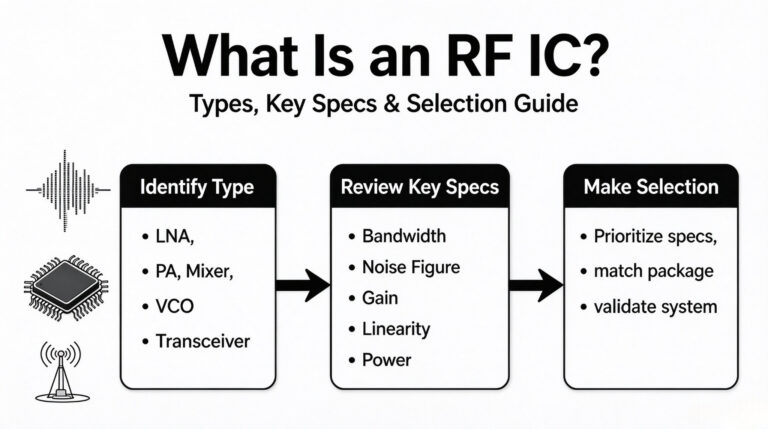
An RF IC, or radio-frequency integrated circuit, is a chip that processes wireless signals between the antenna and the baseband processor. Instead of building…
Read More
Understand motor controller types, driver functions, startup current, feedback and braking. Use practical checks to match control electronics to your motor.
Read More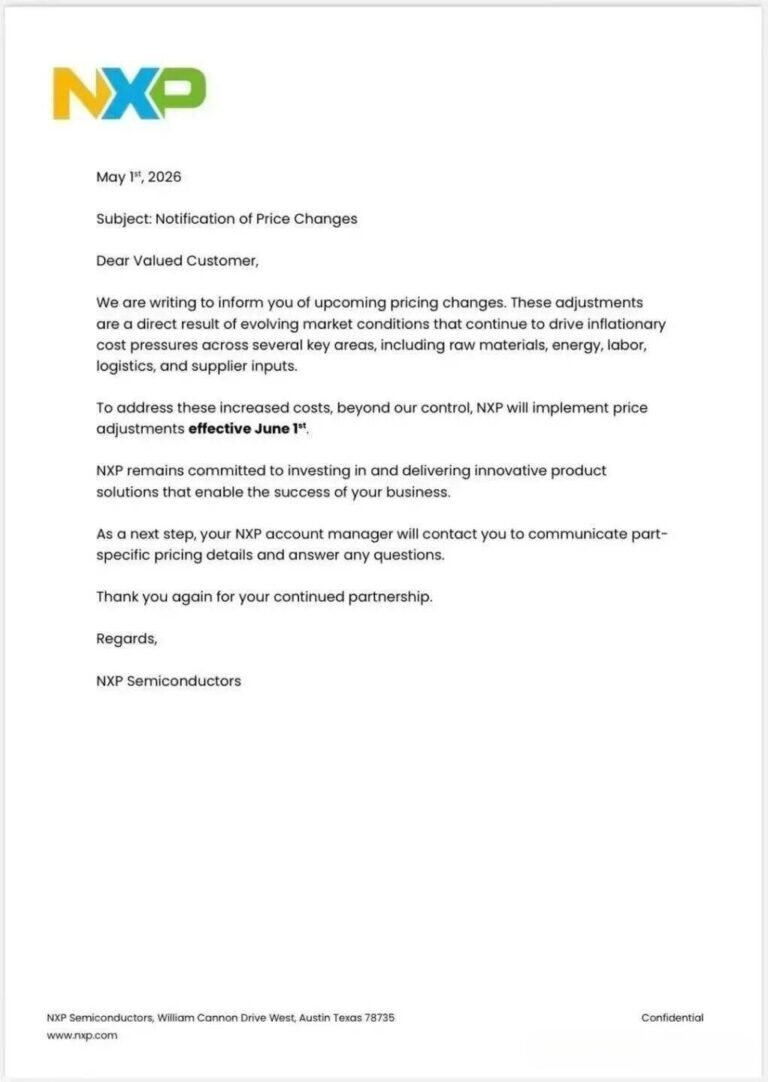
May 8, 2026 – Eindhoven, Netherlands NXP Semiconductors (NXPI), a global leader in automotive and industrial semiconductor solutions, has officially notified its worldwide channel…
Read More
Manchester, New Hampshire, USA – March 22, 2026 – Allegro MicroSystems, Inc. (Nasdaq: ALGM), a global leader in high-performance power and sensing semiconductor solutions…
Read More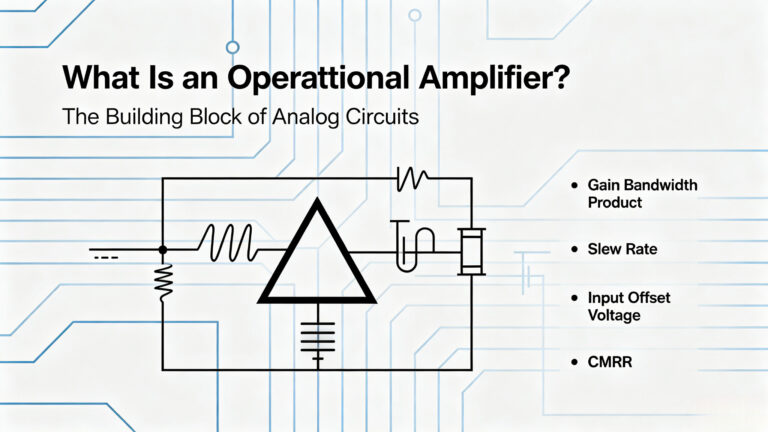
If you’ve spent any time staring at a schematic, you’ve seen the triangle. Two inputs, one output, and a gain symbol that looks deceptively…
Read More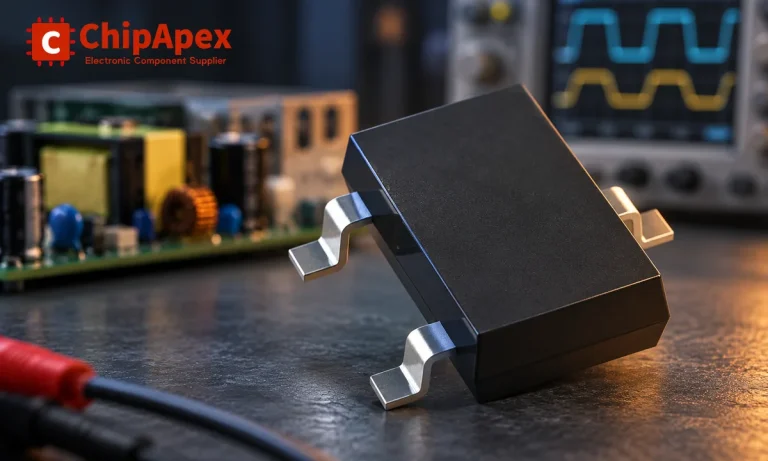
Learn how rectifiers convert AC to DC, compare half-wave and bridge circuits, and select voltage, current, recovery and thermal ratings for your design.
Read MoreA digital-to-analog converter (DAC) turns a digital number into an analog voltage or current. It lets a controller set a physical output, such as…
Read More
In the world of electronics, memory components play a critical role in system performance—and DRAM (Dynamic Random-Access Memory) is one of the most widely…
Read More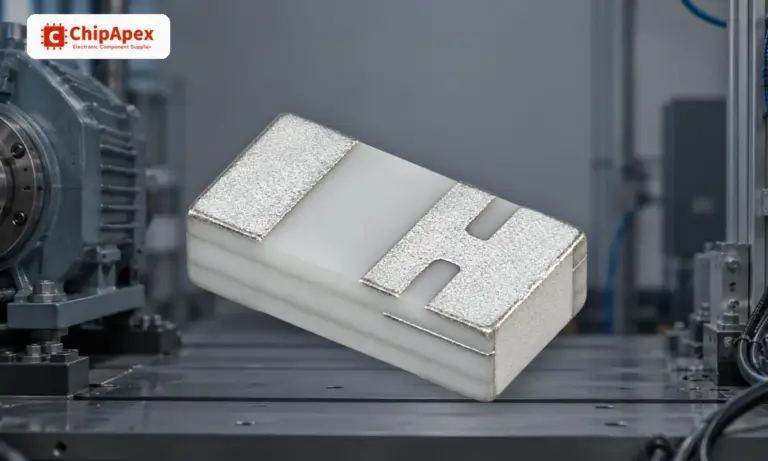
Find out when a bare shock switch needs a pull resistor, when an MCU internal pull-up is enough, and why sensor modules and piezo…
Read More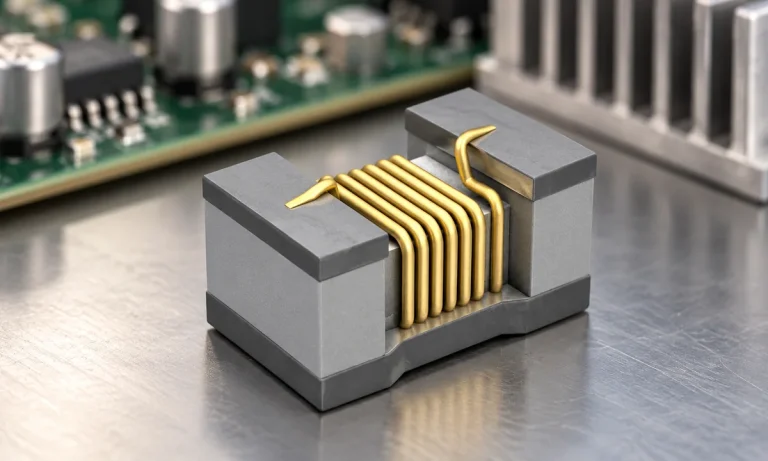
See when an inductor behaves linearly, how DC bias and saturation reduce inductance, and which current and temperature curves to check.
Read More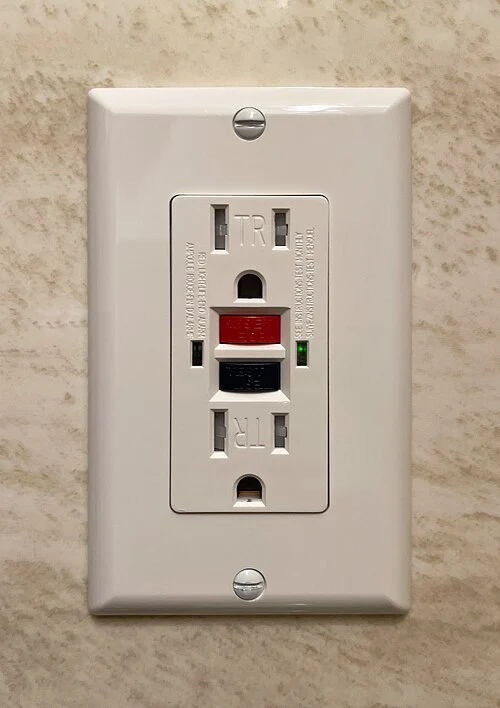
Compare standard breakers, GFCI receptacles and GFCI breakers, including the faults each detects and the ratings and listings to check before specifying.
Read More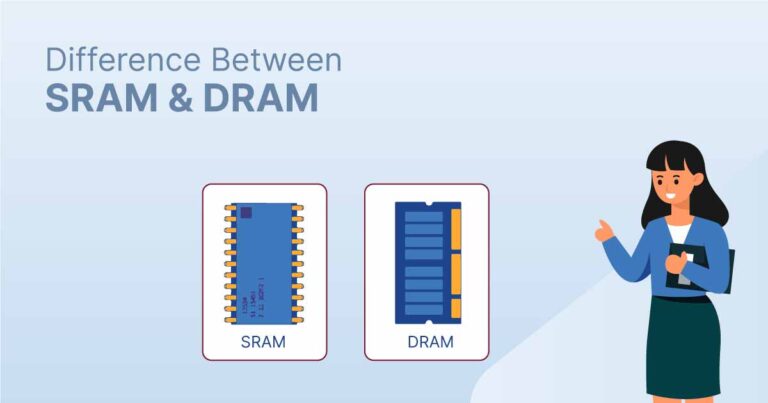
In an era dominated by AI accelerators with terabytes of HBM memory and consumer devices racing toward LPDDR5X bandwidth, it’s easy to wonder: why…
Read More
The activity of extra discounts on wholesale prices is in full swing…
Please fill in your contact information and we will send you the latest wholesale price list.