ChipApex | Global Electronic Components Supplier

SEARCH
Search Product
Search Post
— IC芯片 | 连接器 | 传感器 | 被动器件 —
Search productSearch post
— IC芯片 | 连接器 | 传感器 | 被动器件 —
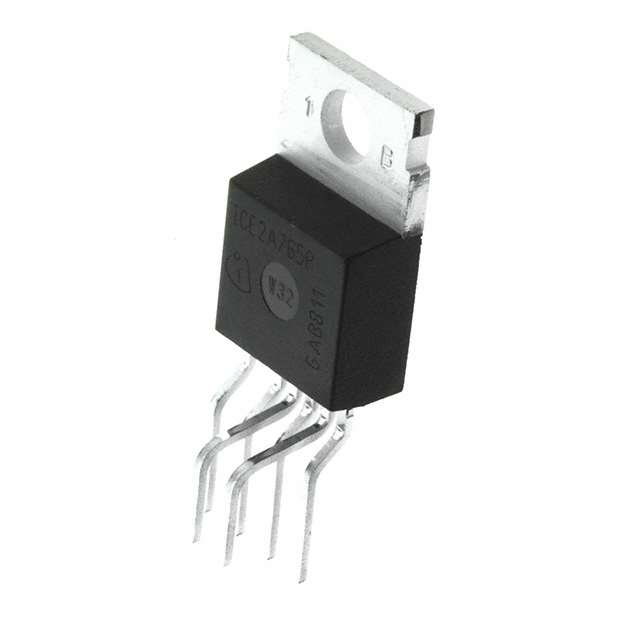
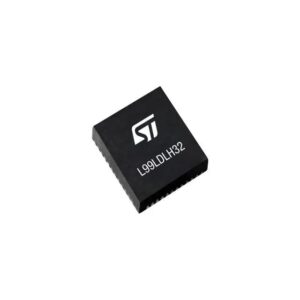
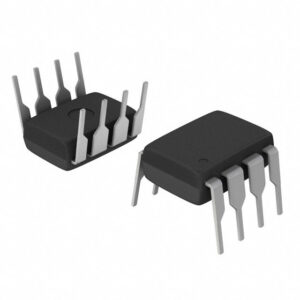
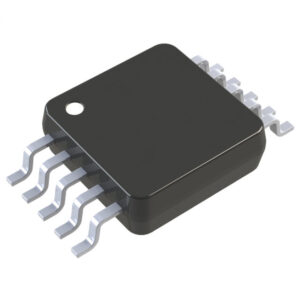
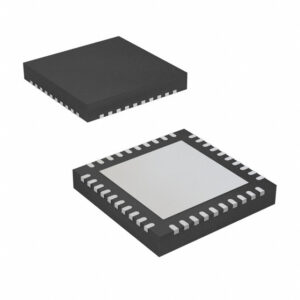
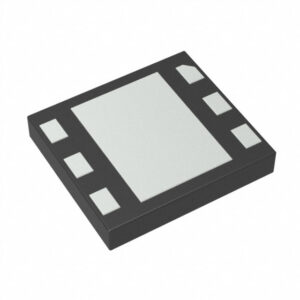
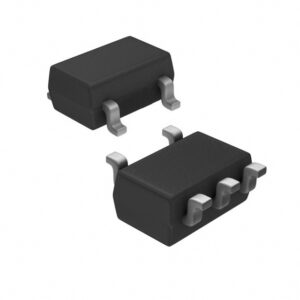
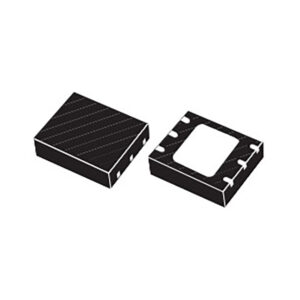
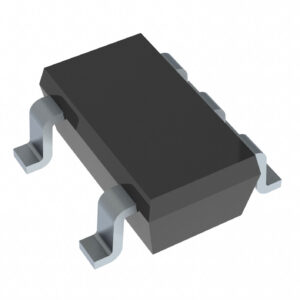
Power Management Integrated Circuits (PMICs) are multi-functional chips that manage the flow of electrical power within an electronic device. They combine several power management functions into a single, compact package, simplifying circuit design and reducing board space. Included in this category is PMICs for AC/DC Converters, Gate Drivers, Power Supply Controllers, Supervisors, and more! The key features and benefits of PMICs include: Multiple Integrated Functions: Can perform a variety of tasks such as voltage regulation, battery charging and management, load switching, and power sequencing, eliminating the need for multiple discrete components. Improved Efficiency: Optimize power conversion and reduce overall system power consumption, leading to extended battery life in portable devices and lower operating costs. Space Saving Design: Reduce board size and complexity by integrating multiple functions into a single chip, making them ideal for space-constrained applications. Enhanced System Stability: Provide features like power sequencing and inrush current limiting to ensure stable operation and protect sensitive electronic components. Simplified Design: Reduce design complexity by offering pre-defined configurations and programmable features, allowing engineers to focus on core functionalities of their devices. PMICs are widely used in a variety of electronic devices, including smartphones, laptops, tablets, wearables, portable medical devices, internet of things (IoT) devices, and industrial control systems. Their ability to efficiently manage power, save space, and simplify design makes them a critical component for modern electronics.

The Dutch government’s intervention in the control of Nexperia (Anshi Semiconductor) is triggering a chain reaction of turmoil in the global power semiconductor market.…
Read More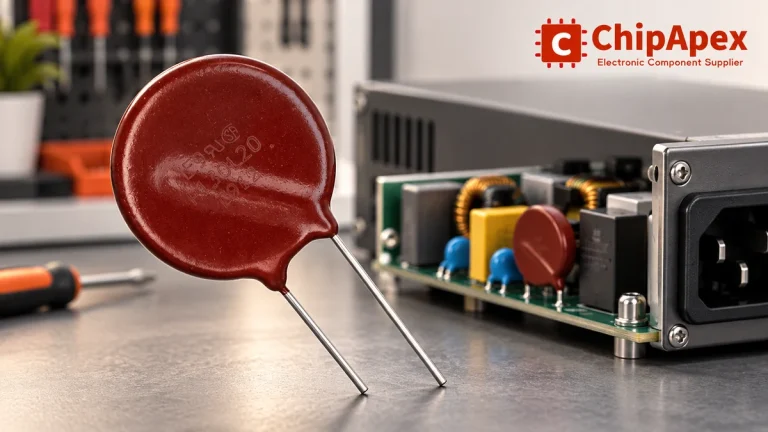
Select MOV varistors by continuous voltage, clamping behavior, surge waveform and repetition. Check thermal disconnection, fuse coordination and replacements.
Read More
Recently, the global electronic component market has witnessed complex and changeable trends. In the memory chip sector, the wave of price increases continues to…
Read More
See how a MEMS gyroscope measures angular rate, why its angle estimate drifts, and which range, noise, interface and temperature specs to compare.
Read More
WILMINGTON, Mass. – July 3, 2026 – Analog Devices, Inc. (ADI), the global leading supplier of high-performance analog, mixed-signal and signal processing semiconductors, has…
Read More
Understand UART protocol framing, baud rate and electrical interfaces. Learn 8N1 timing, TX/RX wiring, buffering and practical troubleshooting steps.
Read More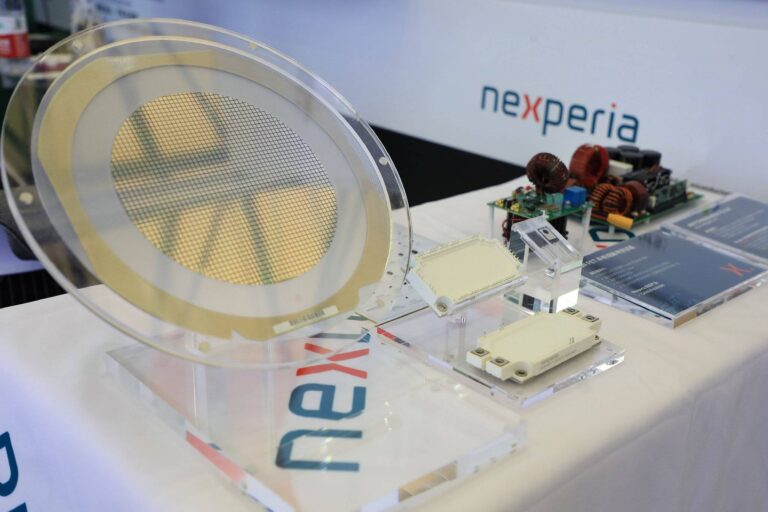
Dutch authorities announced on November 7 the lifting of control measures on Nexperia (formerly NXP Semiconductors’ Standard Products division), marking the end of a…
Read More
Learn why PTC resistance rises with temperature, how it differs from NTC, and which ratings matter for sensing and protection.
Read More
Every audio power amplifier design starts with the same fundamental challenge: converting a low-voltage line-level signal into the high-current drive required by a reactive…
Read More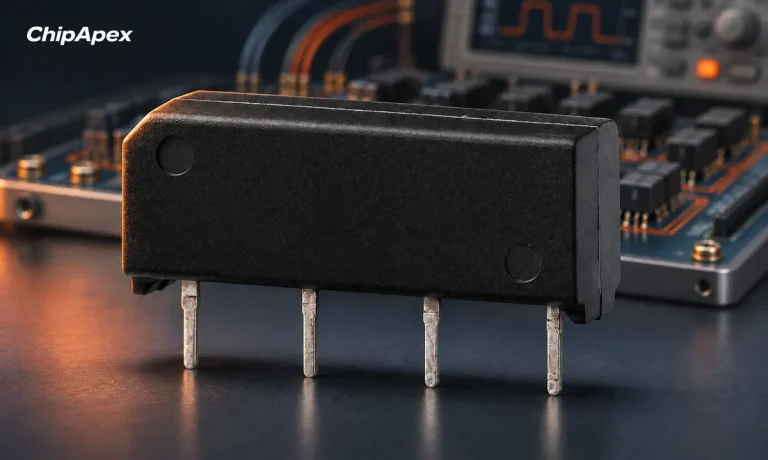
Choose a reed relay for signal switching. Understand hot and cold switching, leakage, contact resistance, isolation and measurement settling requirements.
Read More
Learn how a diode conducts, how to identify anode and cathode, and when to choose rectifier, TVS, Zener or photodiode types for a circuit.
Read More
Choose an ADC converter by resolution, sample rate, noise and input design. Review practical tradeoffs and prepare component requirements for ChipApex.
Read More
The activity of extra discounts on wholesale prices is in full swing…
Please fill in your contact information and we will send you the latest wholesale price list.