ChipApex | Global Electronic Components Supplier

SEARCH
Search Product
Search Post
Search productSearch post
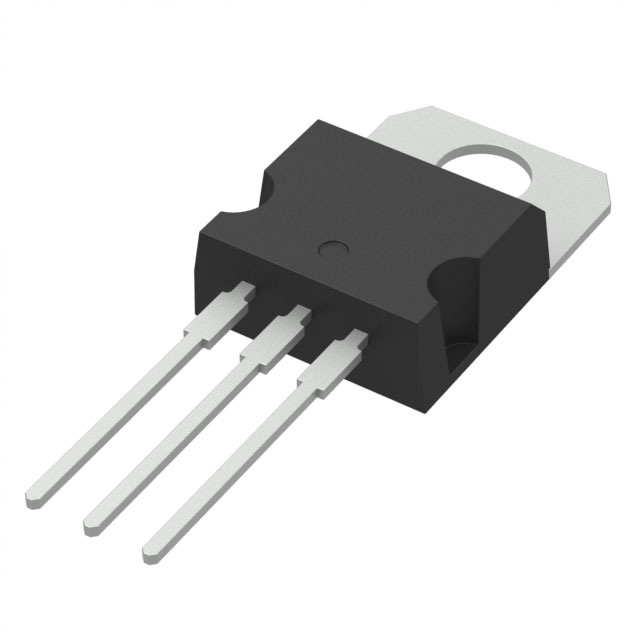
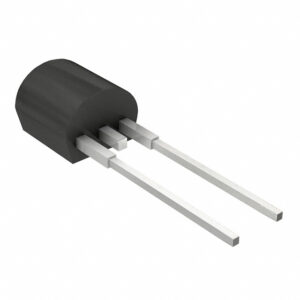
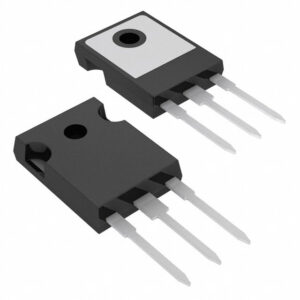
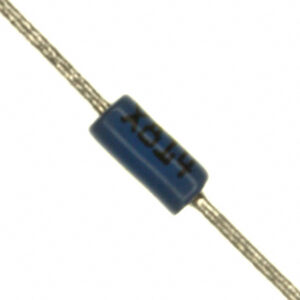
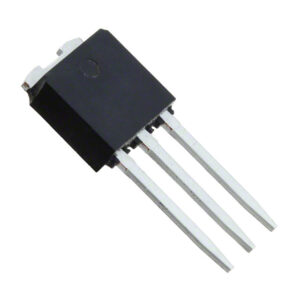
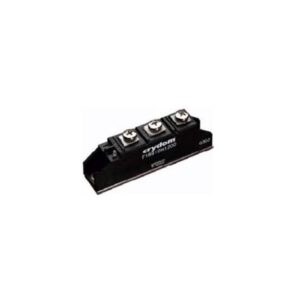
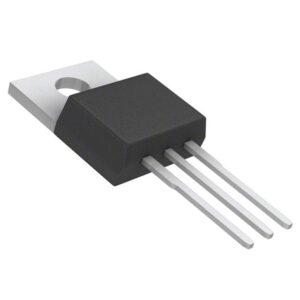
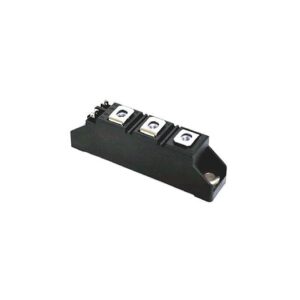
A thyristor is a solid-state semiconductor device composed of a four-layer p-n-p-n structure that operates as a bistable switch. Once triggered—typically by a small gate current—it allows current to flow between the anode and cathode and continues to conduct as long as it remains forward-biased. Thyristors are especially valued in power electronics for their ability to handle high voltages and currents efficiently. They are widely used in applications such as AC and DC motor drives, power supplies, light dimmers, and voltage regulation systems. The most recognized type is the Silicon Controlled Rectifier (SCR), ideal for circuits requiring precise control of power, particularly in unidirectional and high-power environments. There are four main types of thyristors, each suited to specific applications: SCR (Silicon Controlled Rectifier): A unidirectional thyristor that turns on when a gate pulse is applied and stays on as long as the current remains above a holding level. Ideal for DC motor drives, controlled rectifiers, and high-power switching. TRIAC (Triode for Alternating Current): A bidirectional thyristor that can conduct in both directions, commonly used in AC power control applications such as light dimmers, fan speed controllers, and domestic appliances. DIAC(Diode for Alternating Current): A bidirectional trigger device without a gate, used to trigger TRIACs by breaking down at a specific voltage threshold. Often found in timing and phase control circuits. SIDAC (Silicon Diode for Alternating Current): Similar in function to the DIAC but capable of handling higher voltages and currents. Typically used in overvoltage protection and high-energy pulse circuits. When choosing a thyristor, it\'s crucial to consider factors such as whether the application is AC or DC, the need for bidirectional vs. unidirectional conduction, the required voltage and current ratings, and the triggering method. This ensures optimal performance, longevity, and safety in your power control design.
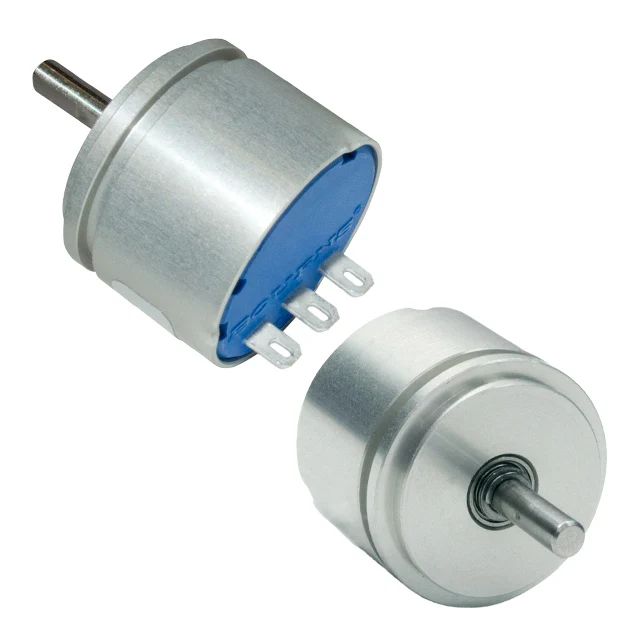
Learn how a TPS reports throttle angle to the ECU, compare potentiometer and magnetic sensors, and see what to verify before diagnosing or replacing…
Read More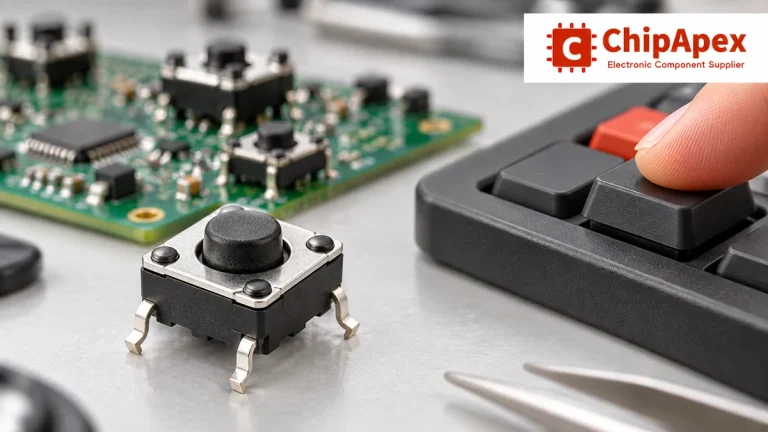
Understand tactile switches, PCB and keyboard differences, four-pin wiring, debounce, force, travel and replacement checks for reliable control inputs.
Read More
Compare variable capacitor types and varactor tuning. Understand capacitance-voltage curves, Q, bias and LC resonance before choosing a component.
Read More
Choose a vibration sensor for machine monitoring. Compare sensing methods, bandwidth, noise and mounting, then define the signal-chain requirements.
Read More
Compare RC, crystal and MEMS oscillator circuits. Check ppm, jitter, load capacitance, startup margin and output compatibility before choosing a clock source.
Read More
Understand how motion sensors work. Compare PIR, radar and ultrasonic sensing, then check presence detection, false triggers, optics and signal conditioning.
Read More
Find out when a bare shock switch needs a pull resistor, when an MCU internal pull-up is enough, and why sensor modules and piezo…
Read More
Manchester, New Hampshire, USA – March 22, 2026 – Allegro MicroSystems, Inc. (Nasdaq: ALGM), a global leader in high-performance power and sensing semiconductor solutions…
Read More
Learn how CPLDs implement hardware logic, compare them with FPGAs and MCUs, and check timing, I/O voltage, startup behavior and programming requirements.
Read More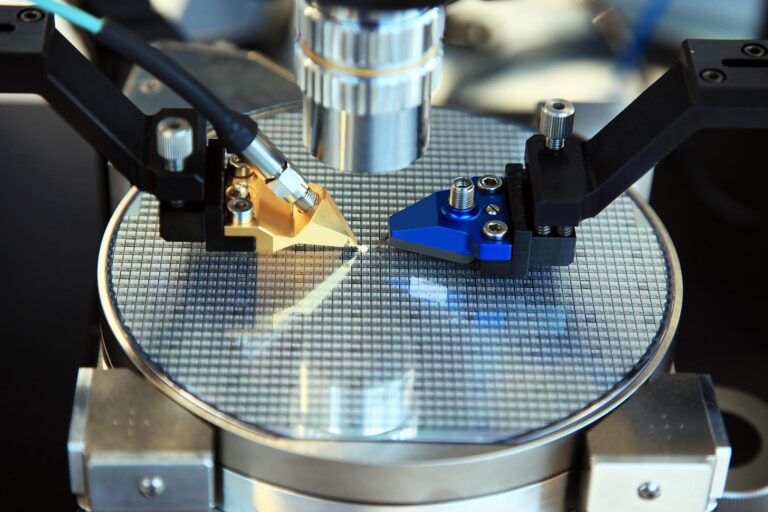
May 4, 2026 — The global power semiconductor market is grappling with a worsening supply crunch, as lead times for key components have extended…
Read More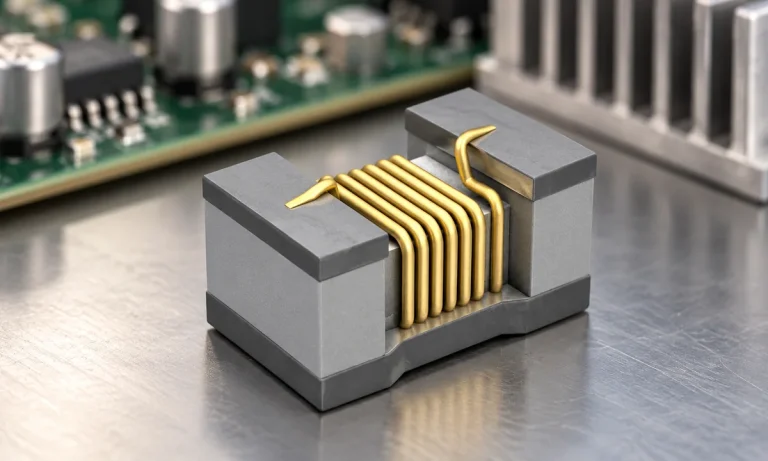
See when an inductor behaves linearly, how DC bias and saturation reduce inductance, and which current and temperature curves to check.
Read More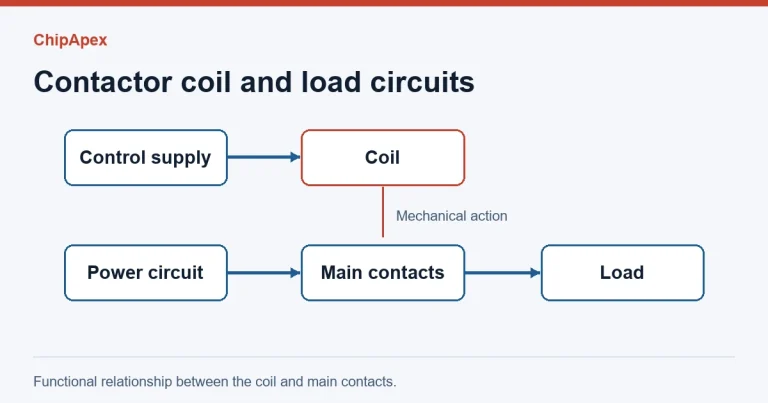
Learn what a contactor does, how it differs from a relay or starter, and how to check coil voltage, motor duty and protection before…
Read More
The activity of extra discounts on wholesale prices is in full swing…
Please fill in your contact information and we will send you the latest wholesale price list.