 ChipApex | Global Electronic Components Supplier

SEARCH
Search Product
Search Post
Search productSearch post
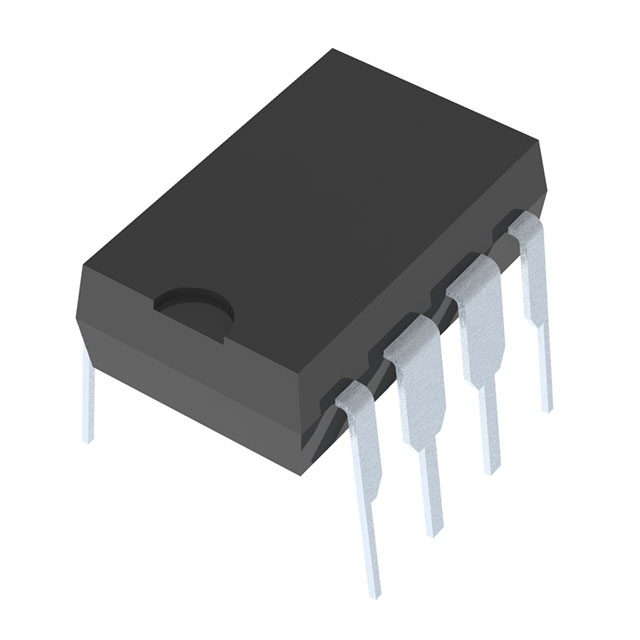
Linear voltage regulation refers to the use of a pass element (usually a bipolar or field effect transistor) connected in series with a load, together with appropriate control circuits driving the pass element so as to produce a nominally constant voltage across the load that is insensitive to changes in supply voltage to the circuit or the amount of load current drawn. Products within this family provide the necessary control function for use with an external pass element, distinguishing them from integrated linear regulators which combine a pass element with control circuits in a single device package.
 S-816A49AMC-BAYT2GView Product
 LT1123CST#TRPBFView Product
 MIC5156-5.0YMView ProductS-816A25AMC-BAAT2GView Product
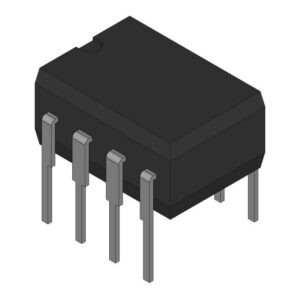 MIC5156BNView Product
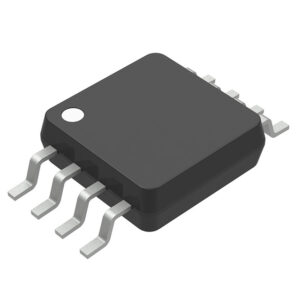 LP2975AIMMX-3.3View Product
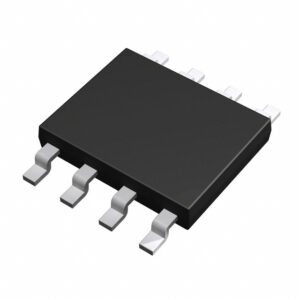 BD3504FVM-TRView Product
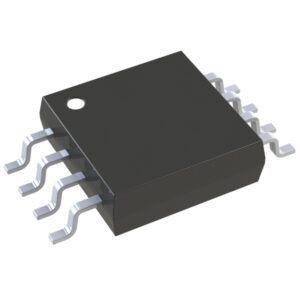 NCP3520DMR2GView Product
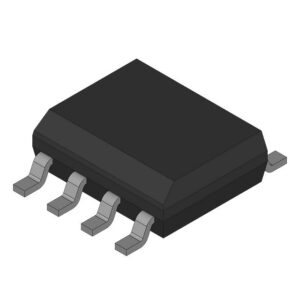 ADP3310AR-3View Product
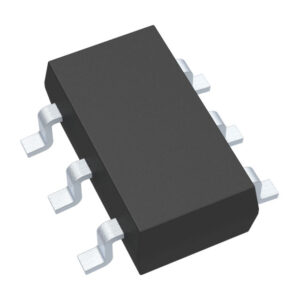 MIC5159BM6-TRView ProductBD3500FVM-TRView Product
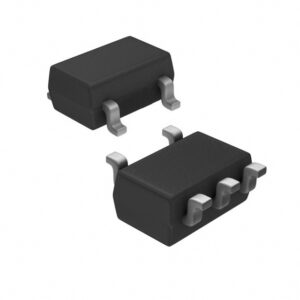 S-816A56AMC-BBFT2UView Product
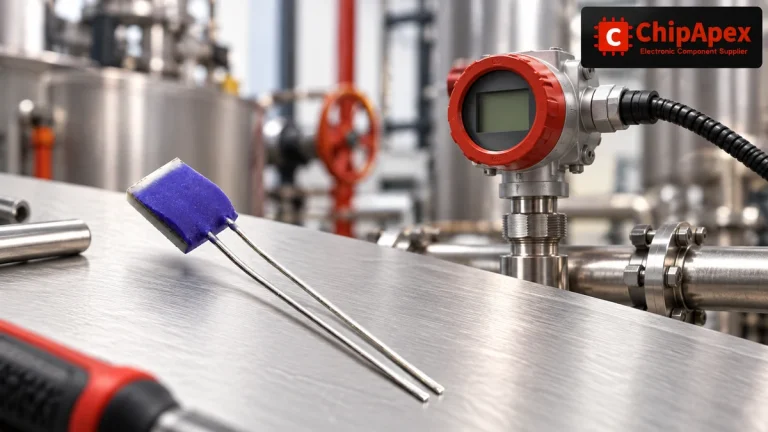
Compare Pt100 and Pt1000 RTDs, two-, three- and four-wire connections, excitation and self-heating. Build an error budget from element to reported temperature.
Read More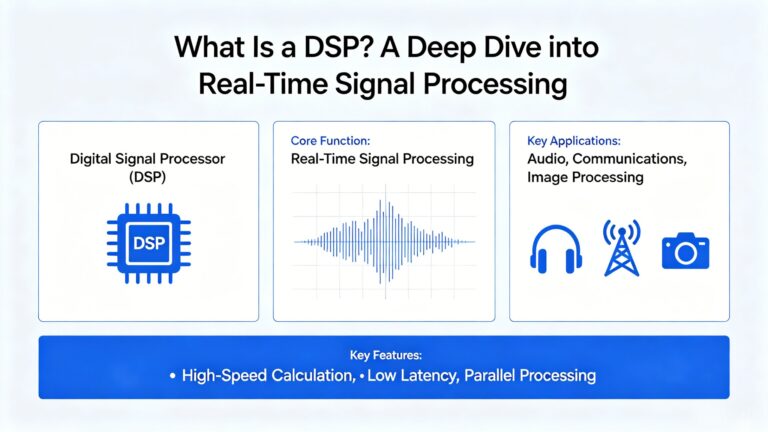
In the embedded world, general-purpose CPUs are great at running operating systems, and MCUs excel at logic control. But when you need to process…
Read More
Choose LED drivers by current, string voltage, dimming and thermal limits. Understand constant-current operation and the checks needed for your load.
Read More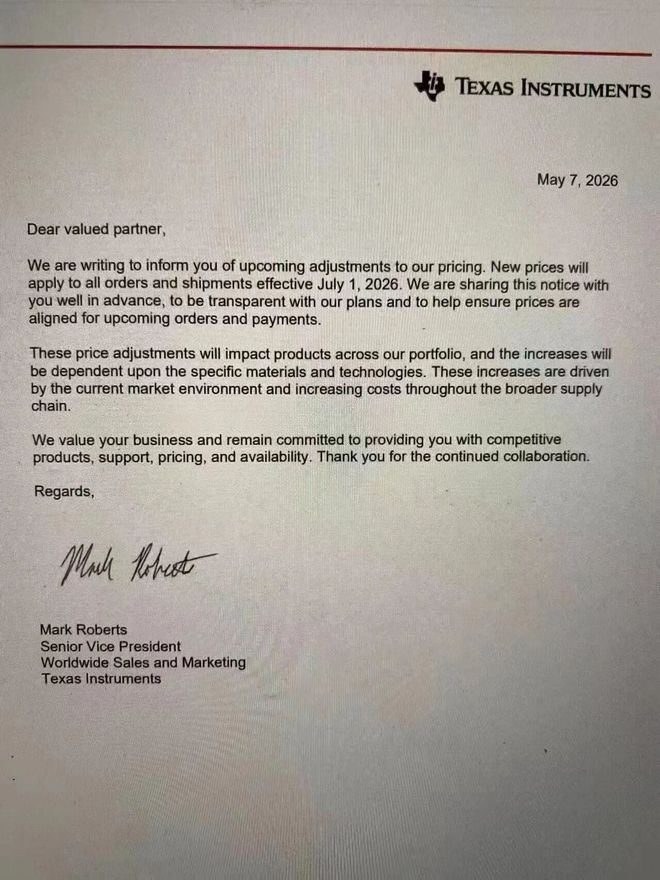
ChipApex – May 8, 2026 Texas Instruments (TI), the global leader in analog and embedded semiconductors, has officially notified customers of an upcoming company-wide…
Read More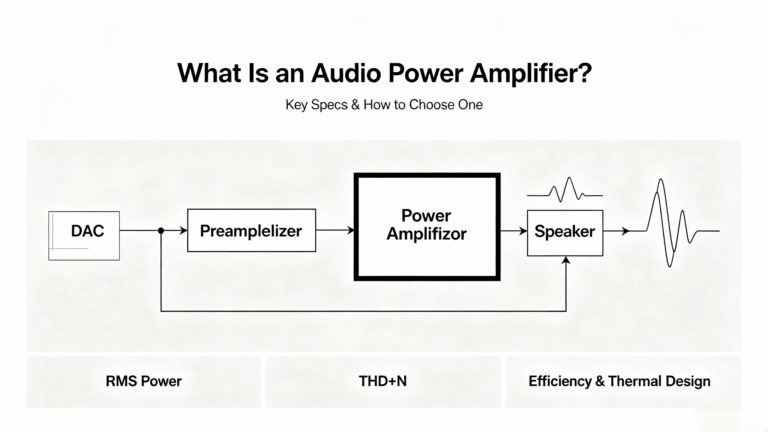
Every audio power amplifier design starts with the same fundamental challenge: converting a low-voltage line-level signal into the high-current drive required by a reactive…
Read More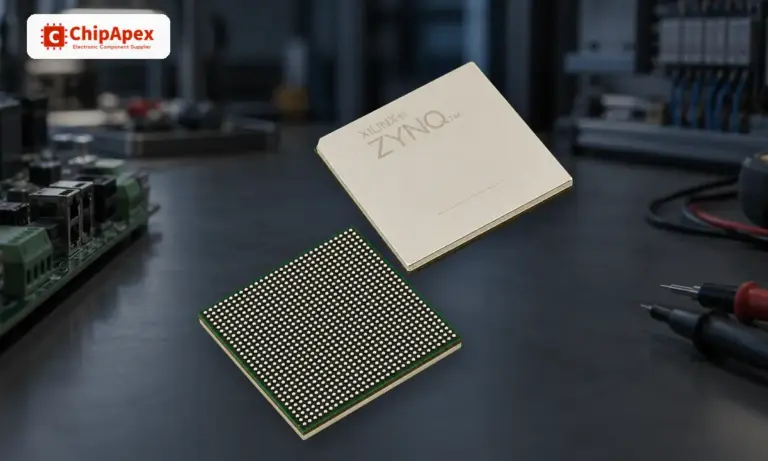
Learn what an integrated circuit is, how ICs work, the main types and the specs to check before choosing a part for your design…
Read More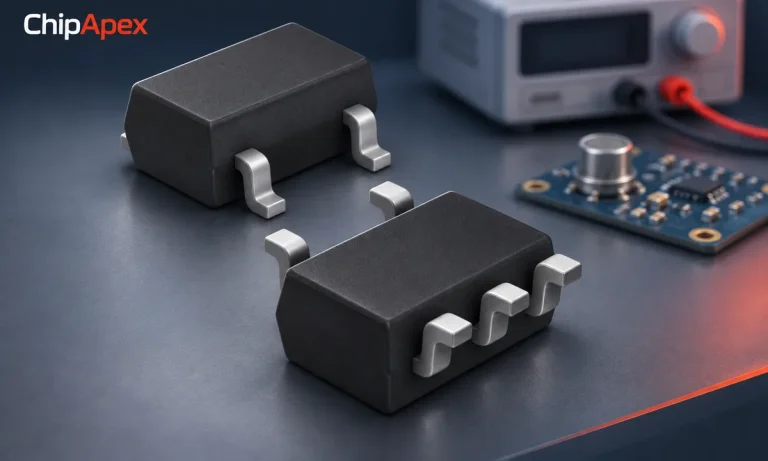
Understand how an LDO regulates voltage. Check dropout, noise, PSRR, output capacitors and heat before selecting a low-dropout regulator for your circuit.
Read More
As the backbone of modern technology, electronic components are undergoing revolutionary changes, driven by advancements in materials science, miniaturization, and smart manufacturing. From ultra-efficient…
Read More
A perfect storm of surging demand and supply chain disruptions is roiling the global electronic components market, with advanced semiconductors and critical materials now…
Read More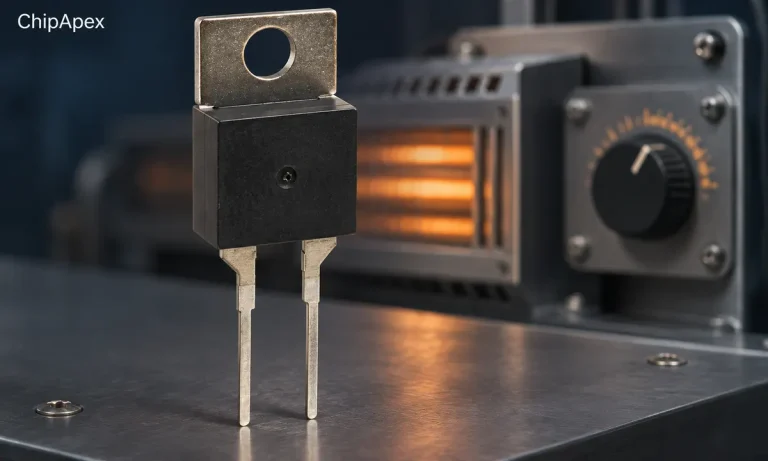
Learn how a thermostat in a heater works. Check hysteresis, reset mode, thermal placement and contact ratings before selecting a mechanical control.
Read More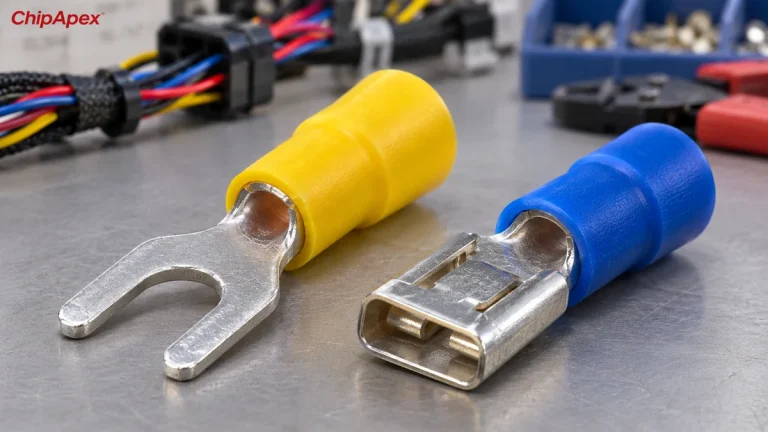
Identify fork terminals and flat-blade spade connectors. Match wire size, tab thickness, insulation and crimp tooling before selecting a replacement.
Read More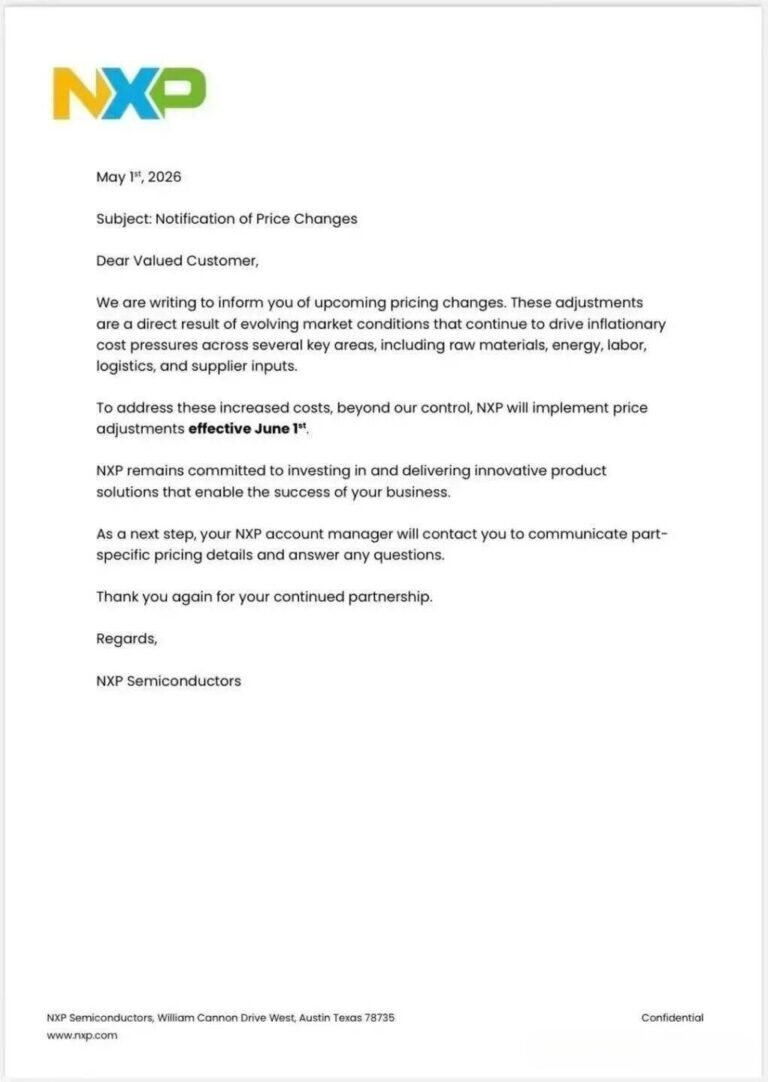
May 8, 2026 – Eindhoven, Netherlands NXP Semiconductors (NXPI), a global leader in automotive and industrial semiconductor solutions, has officially notified its worldwide channel…
Read More
The activity of extra discounts on wholesale prices is in full swing…
Please fill in your contact information and we will send you the latest wholesale price list.

