 ChipApex | Global Electronic Components Supplier

SEARCH
Search Product
Search Post
Search productSearch post

RF Antennas are used to receive and transmit electromagnetic waves. These antennas are designed to be used by devices that work at radio frequencies from DC to 18GHz and RF Families like Bluetooth, Cellular, General ISM, Navigation, Wi-Fi, and 802.15.4. The types of antennas are Bead, Biconical, Blade, Ceramic Patch, Chip, Coiled Inductor, Corner Reflector, Directional Antenna, Dish, Dome, Flat, Flex Notch, Helical, Horn, Log Periodic, Loop, Module, Whip, Yagi, and Puck to name a few.
 ANTX100P112B24553View Product
 GW.26.0112View Product
 AANE-WH-0151-RIPView Product
 PEANMOB1004-RTPView Product
 FM1WAN062-15NMView ProductSL8025WP72NMView Product
 ABAR1504-S2450-REV BView Product
 EM-B11909View ProductOM420CKView Product
 FMANKIT1024View ProductANT-MAG-B66-SMAView Product
 ANT-315-CW-RH-SMAView Product
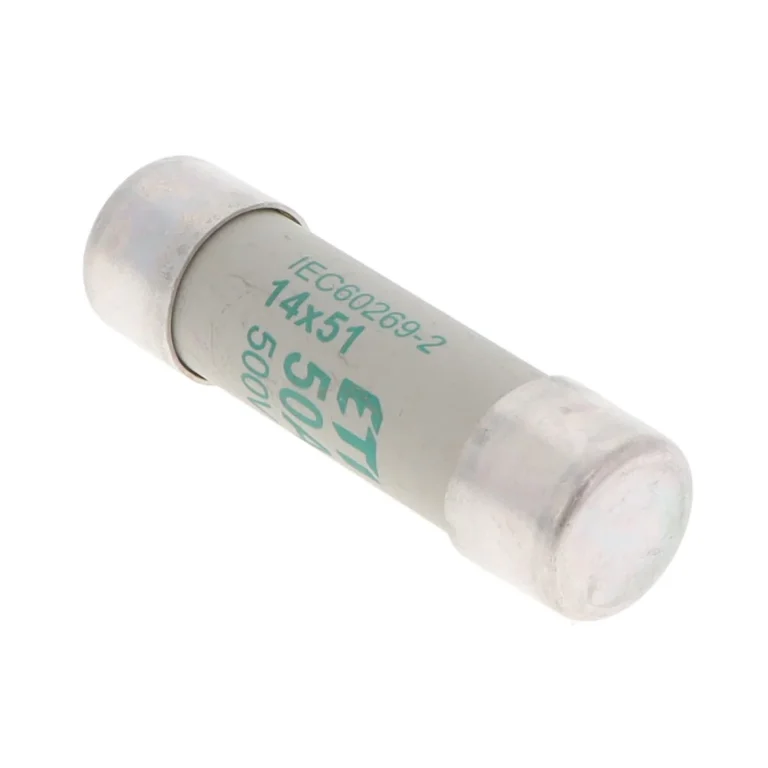
Understand HRC fuse breaking capacity, voltage and current ratings, time-current curves, and the checks needed for motor, feeder and converter protection.
Read More
As the backbone of modern technology, electronic components are undergoing revolutionary changes, driven by advancements in materials science, miniaturization, and smart manufacturing. From ultra-efficient…
Read More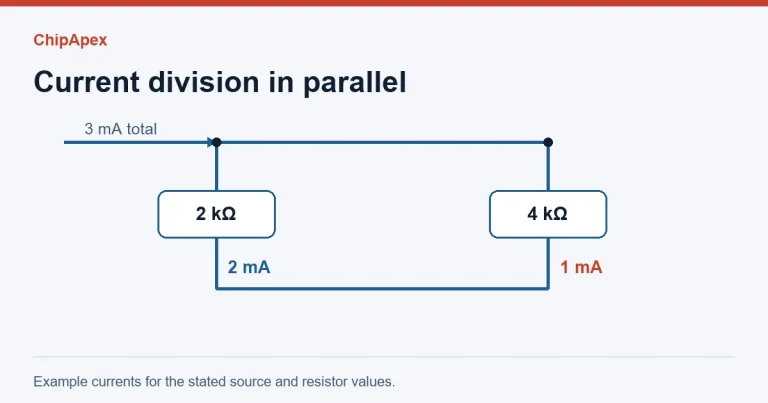
Use current and voltage divider formulas with worked two- and three-resistor examples. See how a 4 kΩ load changes an ideal 4 V output…
Read More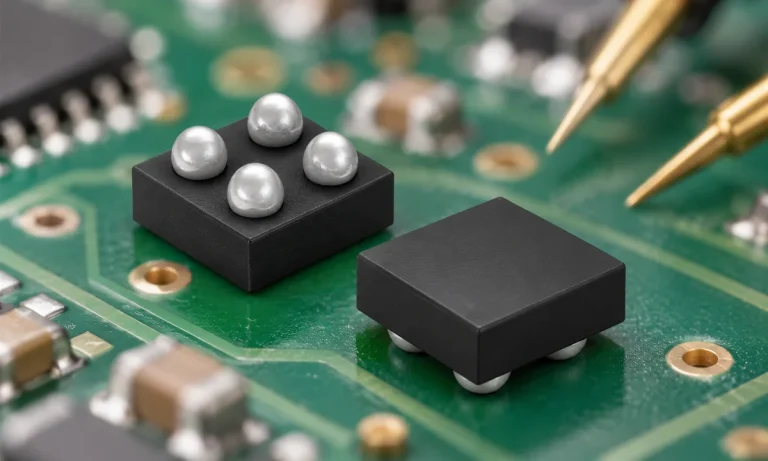
Understand how a comparator switches at a voltage threshold, why hysteresis prevents chatter, and which output and input specs matter.
Read More
Recently, the global electronic component market has witnessed a series of new developments. The strategic layouts and market collaborations of major enterprises are constantly…
Read More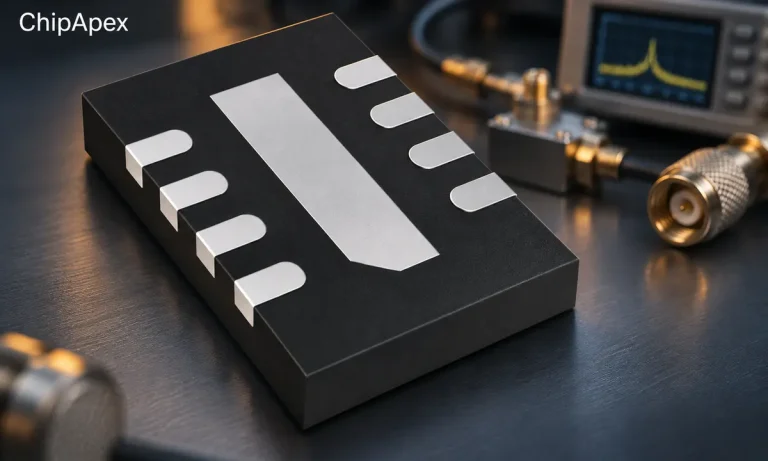
Understand RF detector response, dynamic range and calibration. Compare envelope, logarithmic and RMS behavior before choosing a measurement component.
Read More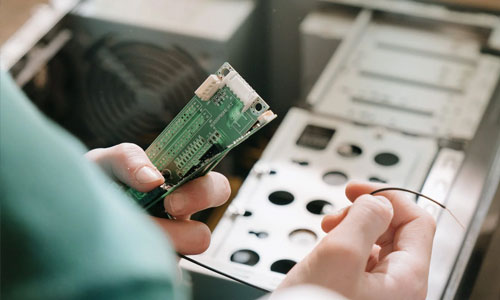
[Shenzhen/Shanghai/Beijing, January 2025] — As global digital transformation accelerates, the electronic components industry has reached a critical inflection point in 2025. Emerging fields such…
Read More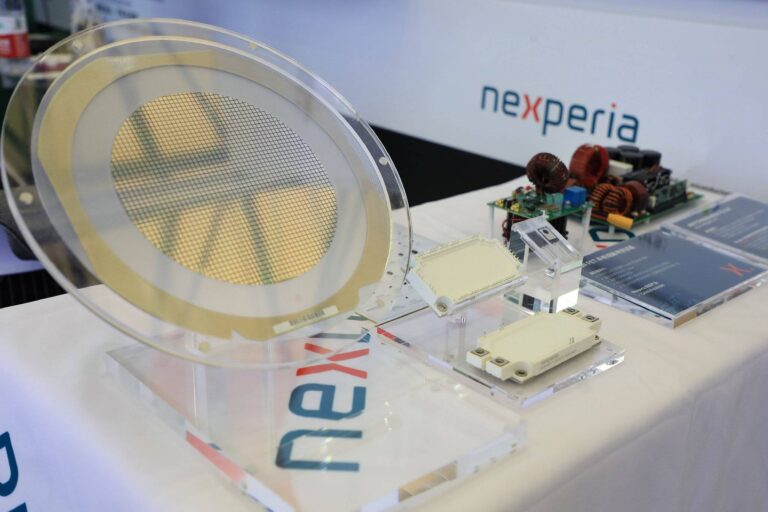
Dutch authorities announced on November 7 the lifting of control measures on Nexperia (formerly NXP Semiconductors' Standard Products division), marking the end of a…
Read More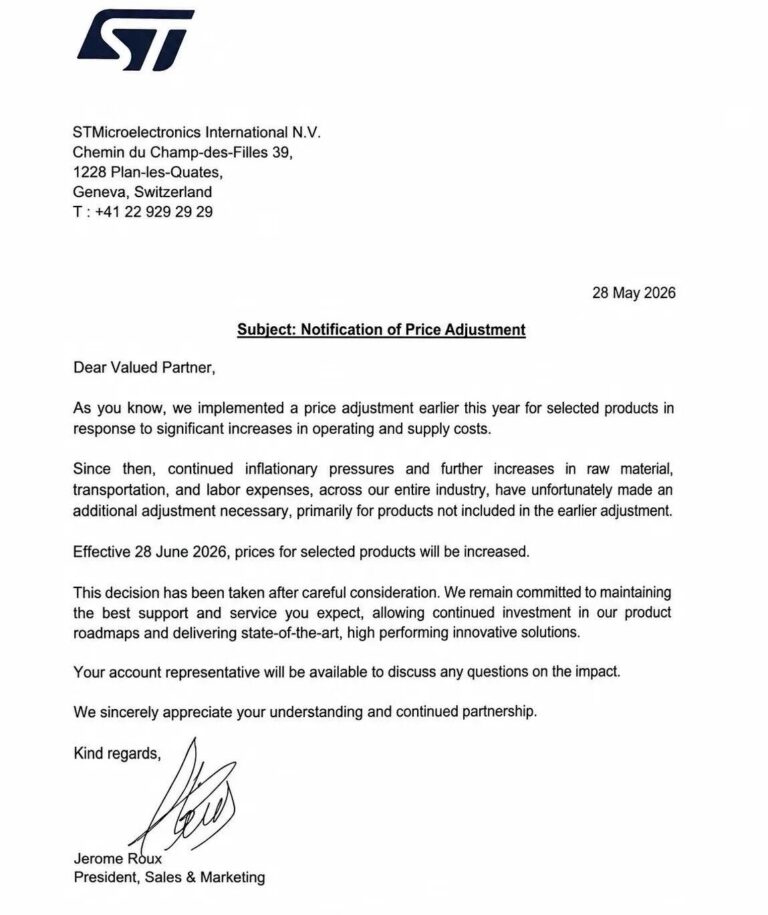
STMicroelectronics (ST), a global leader in semiconductor manufacturing, has officially notified customers of a new round of price increases for selected products, set to…
Read More
Recently, the global electronic components market has been constantly evolving, and different regions and enterprises have witnessed new moves in aspects such as technological…
Read More
TOKYO, July 31, 2026 — Renesas Electronics Corporation has officially announced a major domestic manufacturing restructuring, confirming plans to gradually discontinue all wafer fabrication…
Read More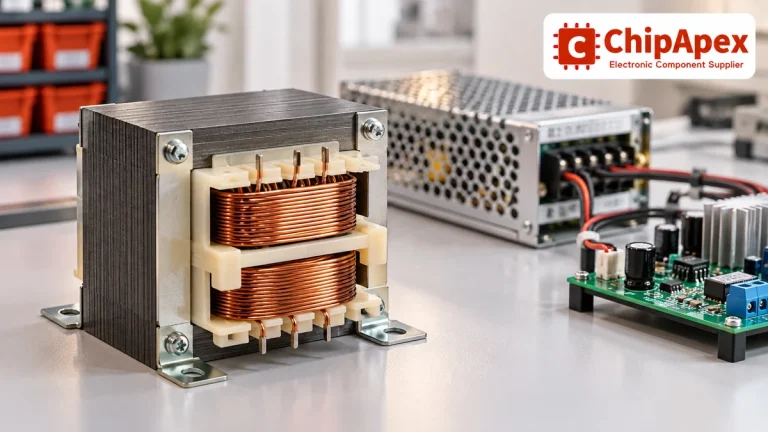
Select power transformers by input frequency, secondary VA, rectifier load, isolation, regulation and inrush. Build a clearer specification for your next RFQ.
Read More
The activity of extra discounts on wholesale prices is in full swing…
Please fill in your contact information and we will send you the latest wholesale price list.

