 ChipApex | Global Electronic Components Supplier

SEARCH
Search Product
Search Post
Search productSearch post
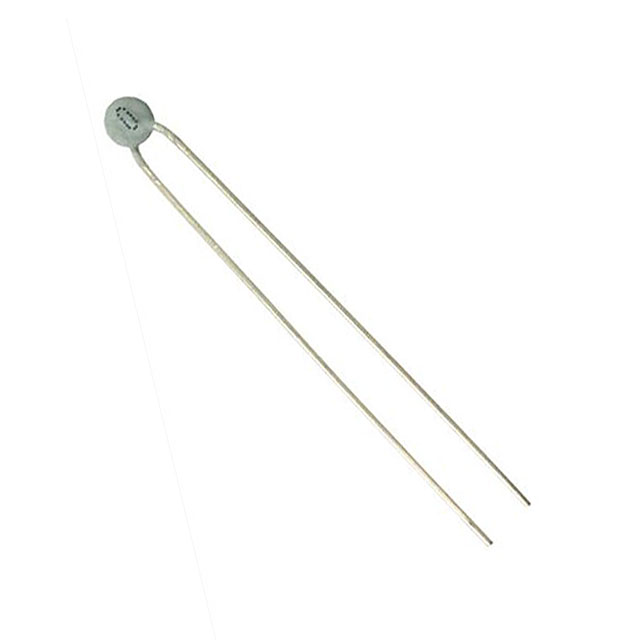
Positive Temperature Coefficient (PTC) thermistor temperature sensors are devices that exhibit an increase in resistance in response to an increase in temperature. Thermistors produce an output signal that is relatively large and easy to measure compared to many other temperature sensor types, though their characteristics tend to be less stable and less suitable for precise temperature measurements. PTC thermistors in particular are often adapted for over-temperature detection applications, and often exhibit a distinctly nonlinear temperature-resistance relationship that makes them useful for detection of an imprecise \"high\" temperature condition, though poor for making accurate measurements.
 TFPT0603L2200FVView Product
 B59052D1080A040View Product
 B59883C0120A570View ProductB59850C0120A570View Product
 B59701A0100A062View Product
 PPL19100MA1B7C8UView Product
 TFPT1206L3301FMView Product
 ACAPT3BRIDES320609View Product
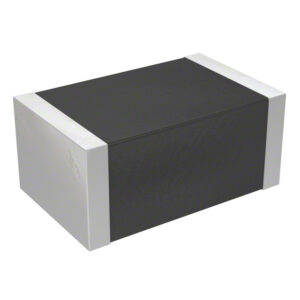 PRF21BA471QB5RAView ProductB59076S1120B054View Product
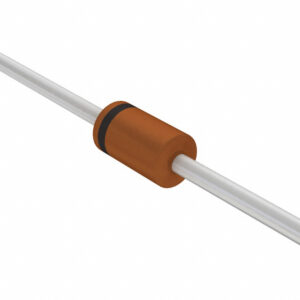 KTY83/120,153View Product
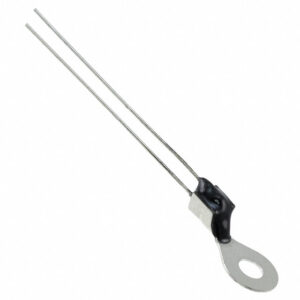 B59901D0110A040View Product
Understand how an LDO regulates voltage. Check dropout, noise, PSRR, output capacitors and heat before selecting a low-dropout regulator for your circuit.
Read More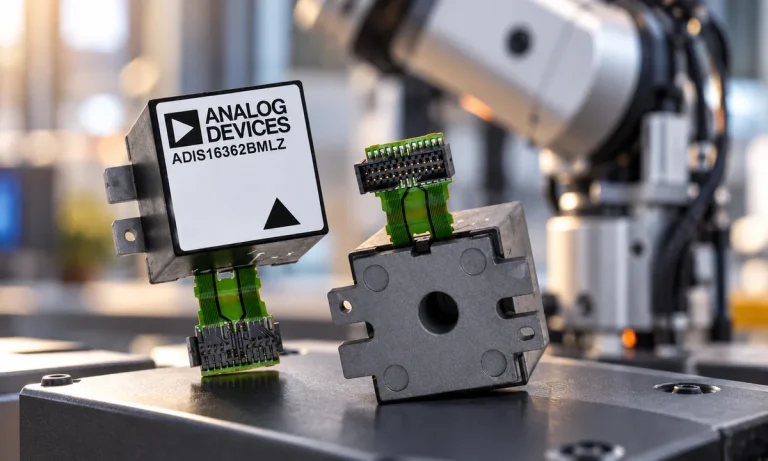
Learn what an IMU measures, how accelerometers and gyroscopes work together, why orientation estimates drift, and what to compare.
Read More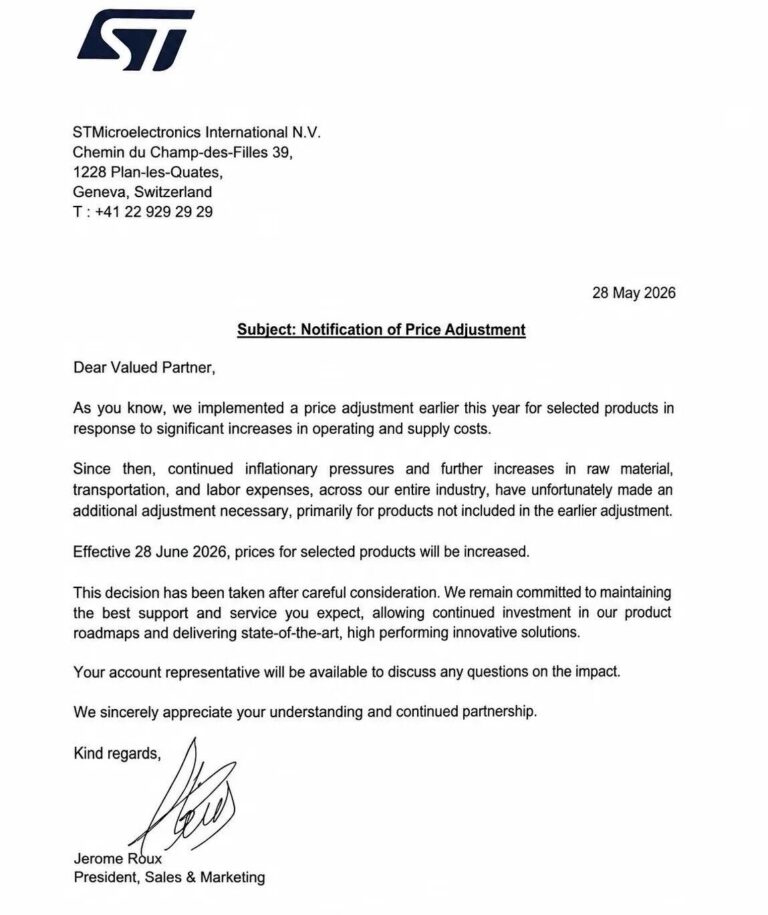
STMicroelectronics (ST), a global leader in semiconductor manufacturing, has officially notified customers of a new round of price increases for selected products, set to…
Read More
On October 1, 2025 local time, OpenAI, an artificial intelligence research company, announced the establishment of a cooperative relationship with Samsung Electronics and SK…
Read More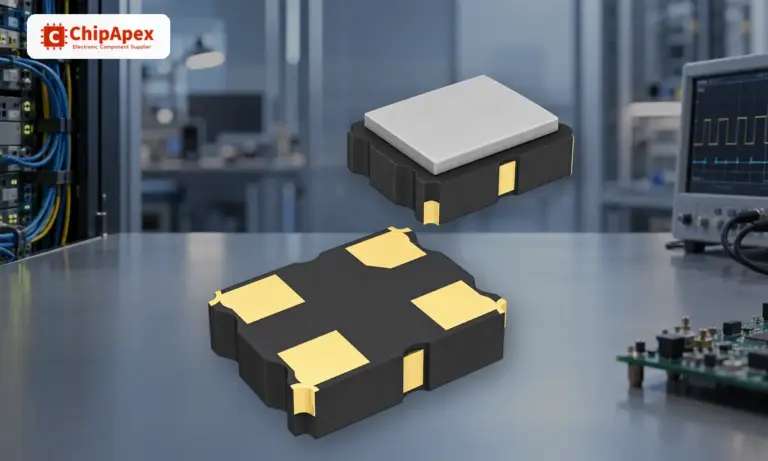
Understand how oscillators generate timing signals, how they differ from crystals, and which frequency, output and stability specs matter when choosing one.
Read More
September 16, 2026 – Global — Leading semiconductor manufacturer ON Semiconductor (onsemi, NASDAQ: ON) has officially issued a formal price adjustment letter to global…
Read More
In the world of embedded electronics, getting a device to "think" is only half the battle. The other half is getting it to communicate…
Read More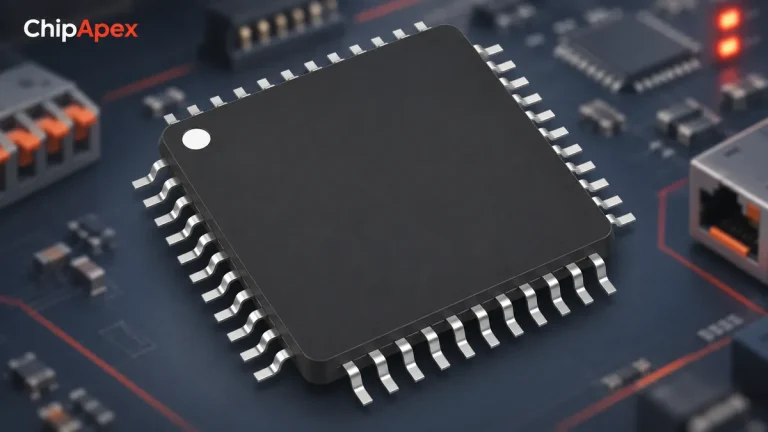
Learn how CPLDs implement hardware logic, compare them with FPGAs and MCUs, and check timing, I/O voltage, startup behavior and programming requirements.
Read More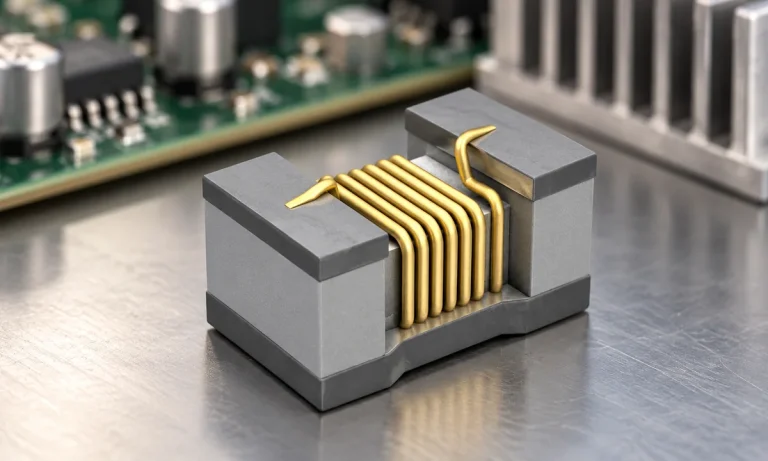
See when an inductor behaves linearly, how DC bias and saturation reduce inductance, and which current and temperature curves to check.
Read More
As the backbone of modern technology, electronic components are undergoing revolutionary changes, driven by advancements in materials science, miniaturization, and smart manufacturing. From ultra-efficient…
Read More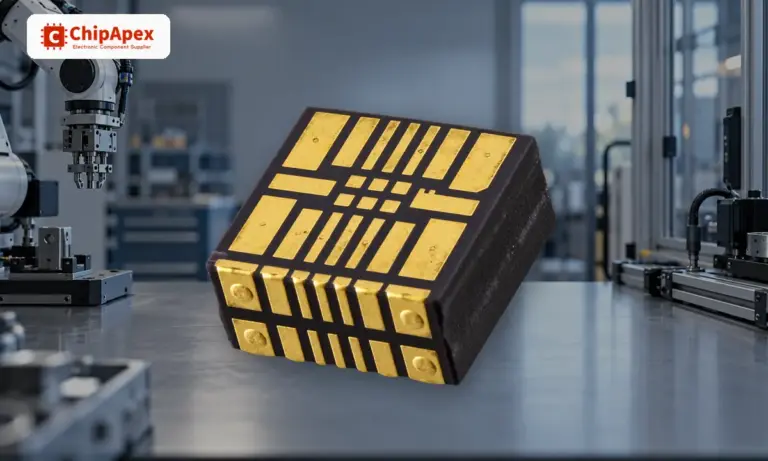
See how a MEMS gyroscope measures angular rate, why its angle estimate drifts, and which range, noise, interface and temperature specs to compare.
Read More
The Dutch government’s intervention in the control of Nexperia (Anshi Semiconductor) is triggering a chain reaction of turmoil in the global power semiconductor market.…
Read More
The activity of extra discounts on wholesale prices is in full swing…
Please fill in your contact information and we will send you the latest wholesale price list.

