 ChipApex | Global Electronic Components Supplier

SEARCH
Search Product
Search Post
Search productSearch post
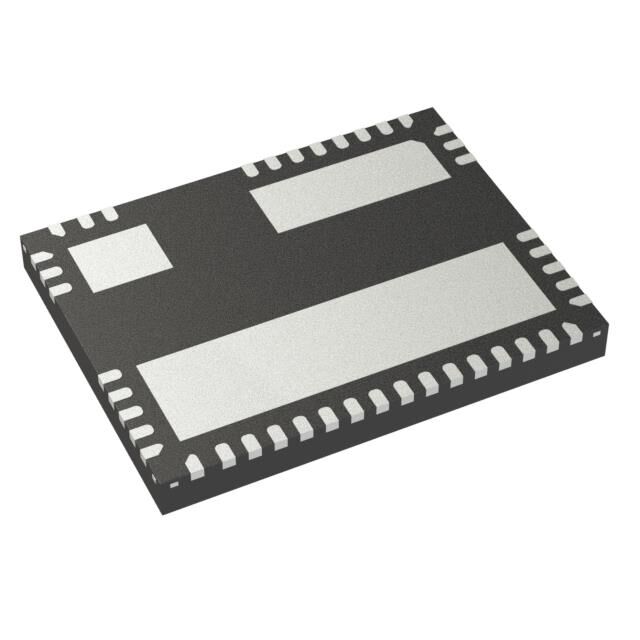
A semiconductor device that is designed to monitor and/or control voltage rails within a circuit.
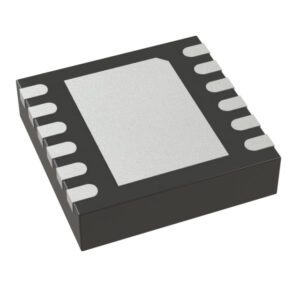 LTC2953IDD-2#PBFView Product
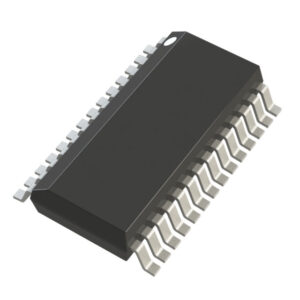 LTC3766EGNView Product
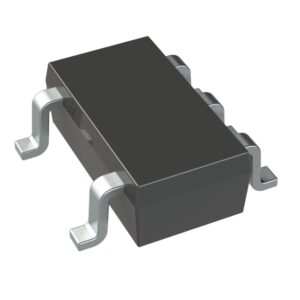 UCC24612-1DBVRView Product
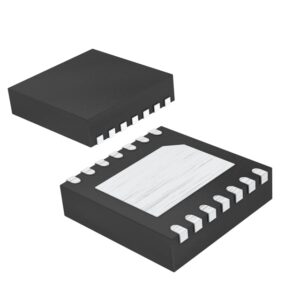 MAX8792ETD+TView Product
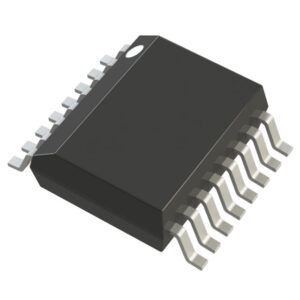 MAX1864TEEE+View Product
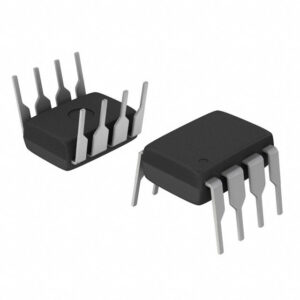 UC3842NG4View Product
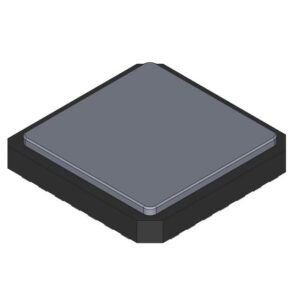 MAX8757ETI+View Product
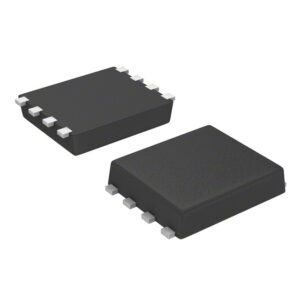 S-77101A02-I8T1U4View Product
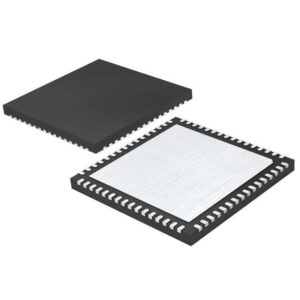 UCD3138064RGCRView Product
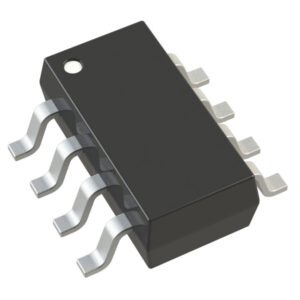 LTC2927ITS8#TRPBFView Product
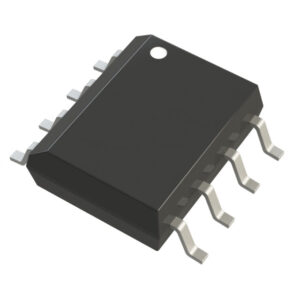 LTC1921CS8#TRPBFView Product
 ISL9501CVZ-TView Product
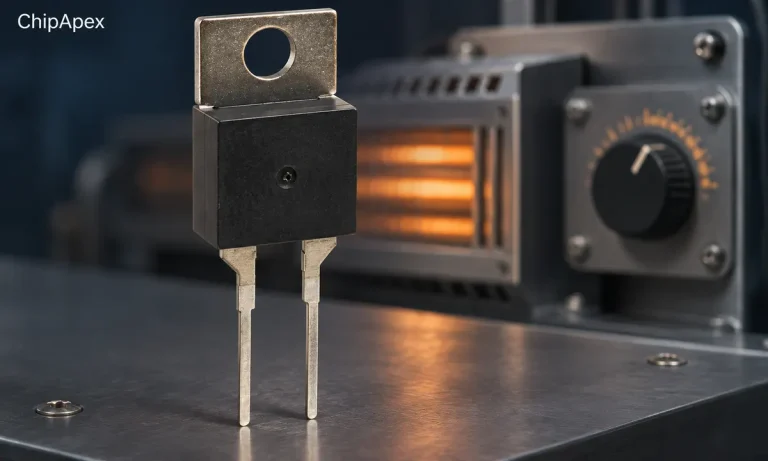
Learn how a thermostat in a heater works. Check hysteresis, reset mode, thermal placement and contact ratings before selecting a mechanical control.
Read More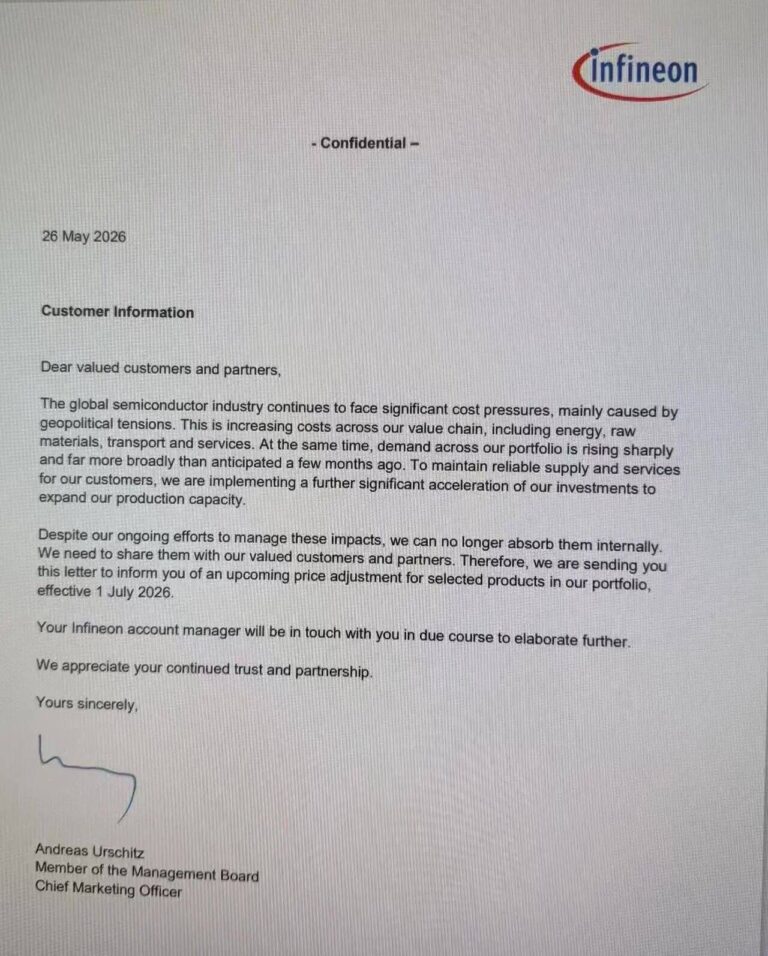
Munich, Germany – May 26, 2026 – Power semiconductor and automotive chip giant Infineon Technologies AG has formally notified customers worldwide of a second…
Read More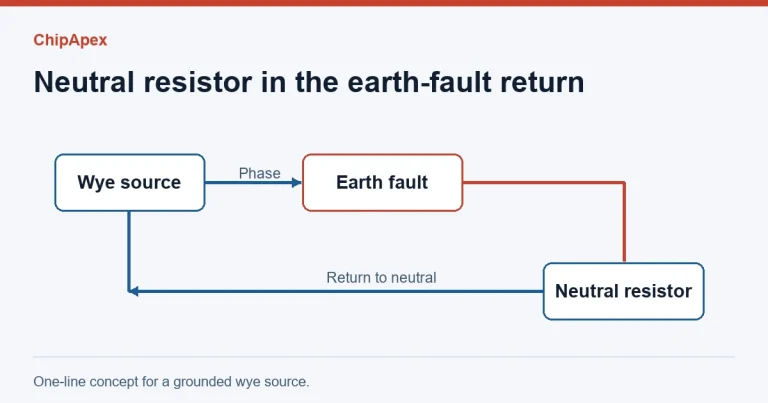
Learn how neutral earthing resistors limit fault current, estimate resistance from phase voltage, and specify voltage, current, duration and protection.
Read More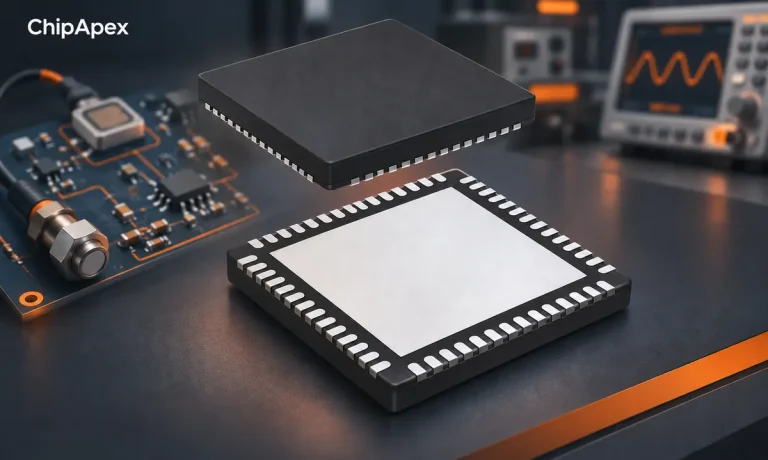
Learn how an analog front end conditions sensor signals. Compare gain, noise, filtering, ADC settling and integration options before selecting components.
Read More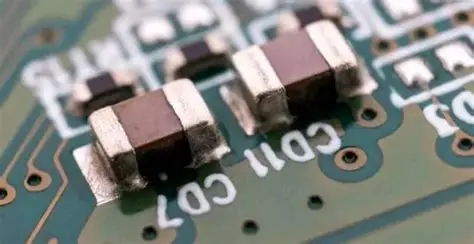
Recently, a survey by the Electronic Components Industry Association (ECIA) revealed that the sales sentiment of global electronic components remained optimistic in the third…
Read More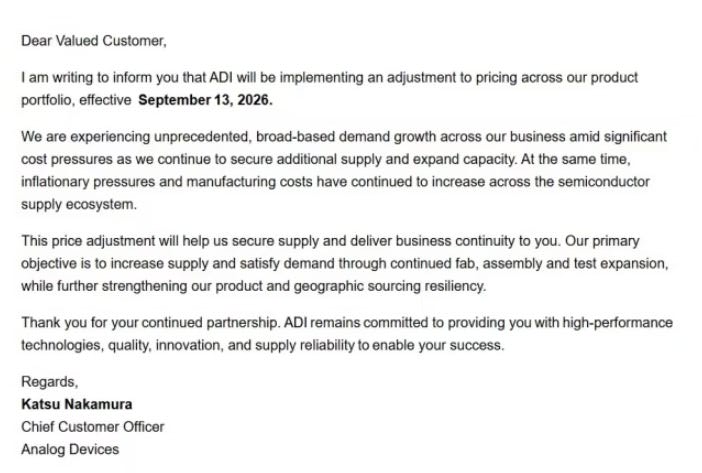
WILMINGTON, Mass. – August 11, 2026 — Analog Devices, Inc. (NASDAQ: ADI), the global leading supplier of high-performance analog, mixed-signal and digital signal processing…
Read More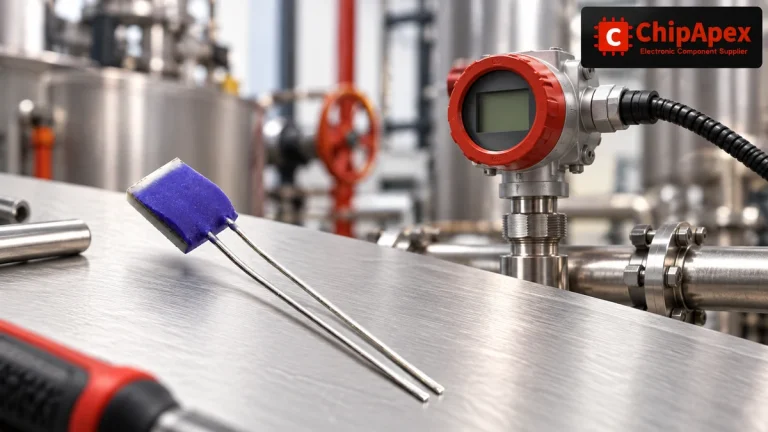
Compare Pt100 and Pt1000 RTDs, two-, three- and four-wire connections, excitation and self-heating. Build an error budget from element to reported temperature.
Read More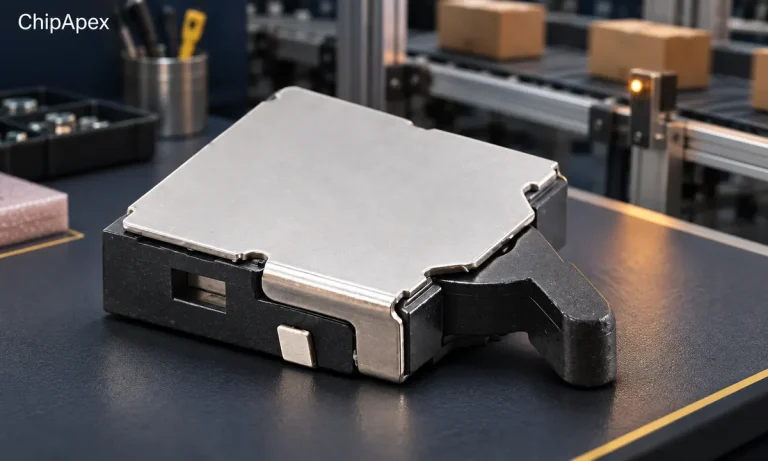
Choose a limit switch by actuator, travel, contact ratings and environment. Understand pretravel, overtravel and practical checks for machine integration.
Read More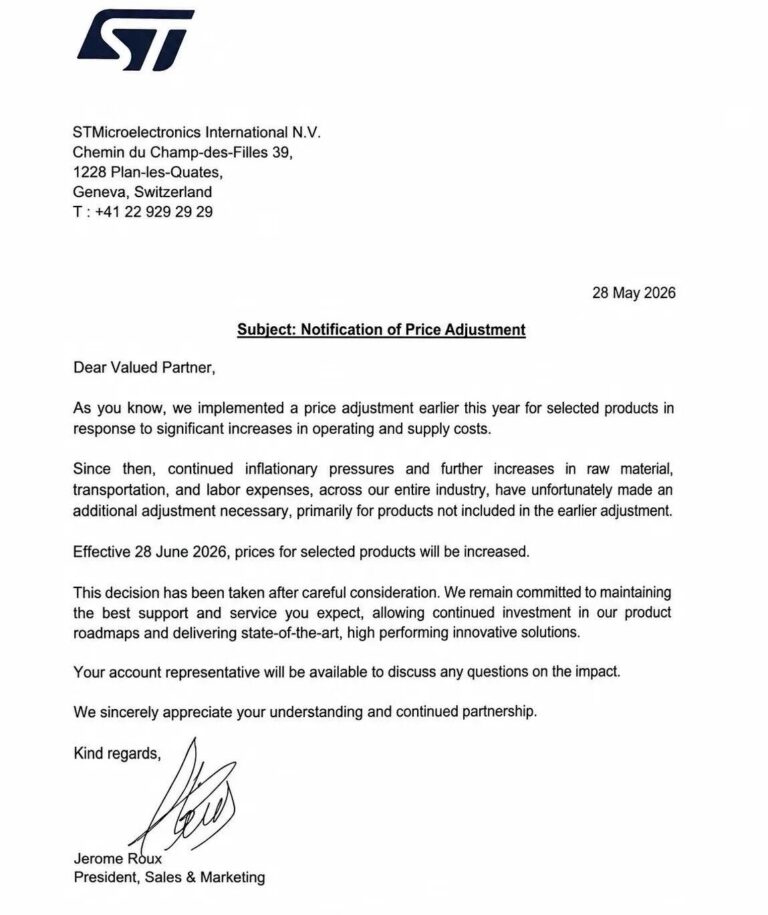
STMicroelectronics (ST), a global leader in semiconductor manufacturing, has officially notified customers of a new round of price increases for selected products, set to…
Read More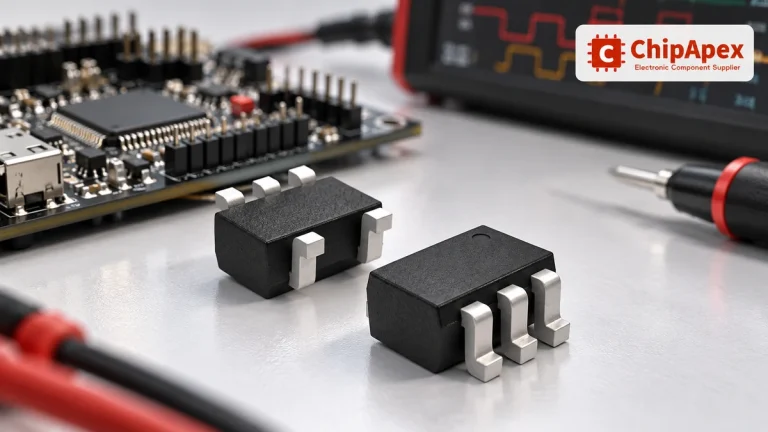
Choose logic inverter ICs by thresholds, supply, output drive and delay. Compare standard and Schmitt-trigger inputs, power sequencing and replacement checks.
Read More
TOKYO, April 15, 2026 – Taiyo Yuden Co., Ltd. (TAIYO YUDEN), a leading global manufacturer of passive electronic components, has officially notified its worldwide…
Read More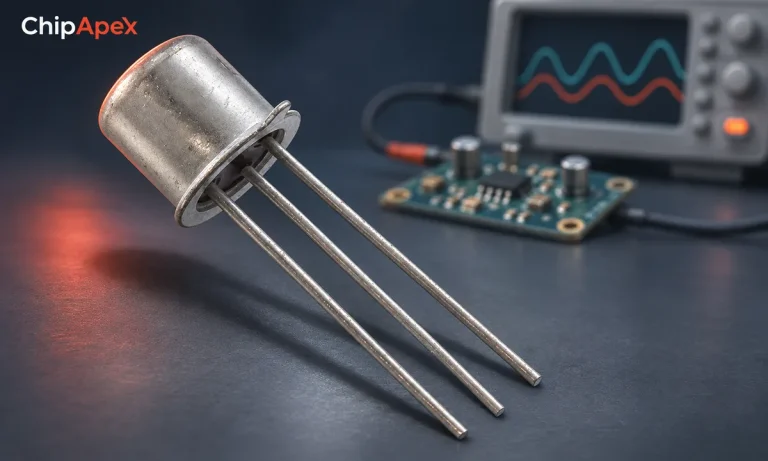
Learn what a transistor does in a circuit. Compare switching and amplification, BJT and MOSFET drive, operating limits and practical component selection.
Read More
The activity of extra discounts on wholesale prices is in full swing…
Please fill in your contact information and we will send you the latest wholesale price list.

