 ChipApex | Global Electronic Components Supplier

SEARCH
Search Product
Search Post
Search productSearch post

Crystals, Oscillators, and Resonators serve as critical components in frequency control applications, each offering unique characteristics that make them suitable for different electronic design requirements. Crystals, typically crafted from precision-cut quartz, represent the foundational frequency-generating element, providing stability and precise frequency references with low aging rates and minimal temperature drift. Unlike standalone components, crystals require external oscillator circuitry to generate a usable clock signal, which can be both an advantage and limitation in circuit design. Oscillators build upon crystal technology by integrating the crystal with supporting circuitry, creating a self-contained frequency source that eliminates the need for additional external components. This integration offers advantages in complexity reduction and reliability. Advanced oscillator variants like TCXOs (Temperature-Compensated Crystal Oscillators) and VCXO (Voltage Controlled Crystal Oscillator) further enhance frequency stability through temperature compensation mechanisms, making them ideal for high-precision applications such as telecommunications, GPS systems, and network timing infrastructure. Resonators, in contrast, represent a more cost-effective alternative, typically manufactured from ceramic or Surface Acoustic Wave (SAW) materials. While inherently less precise than quartz crystals, resonators excel in applications prioritizing size, cost, and durability over extreme frequency accuracy. Their compact form factor and design make them particularly attractive for consumer electronics, automotive systems, and microcontroller-based designs where moderate frequency stability is acceptable. Resonators typically offer frequency tolerances in the range of ±0.5% to ±0.1%, compared to crystals\' remarkable ±0.005% to ±0.05% precision. The selection between these components ultimately depends on a nuanced evaluation of application-specific requirements. Designers must carefully balance factors including frequency accuracy, temperature stability, power consumption, physical size, environmental resilience, and total system cost. For mission-critical systems demanding exceptional precision, quartz crystals and high-grade oscillators remain irreplaceable. Conversely, for cost-sensitive, less demanding applications, ceramic resonators provide an elegant and economical solution. For questions and further information on Crystals, Oscillators, or Resonators visit the Tech Forum. Some common frequencies are: 32.768 kHz – Used in real-time clocks (RTCs) and low-power timing applications. 32768Hz is 215 Hz. Allows binary division for 1 second intervals. 1.8432 MHz – Common for UART baud rate communication in microcontrollers. 1.8342MHz can be divided easily to create standard rates: 115,200 = 1843200/16, 57,600 =1843200/32, etc 16.000 MHz – Frequently used with microcontrollers such as the ATmega328P (Arduino), Zigbee, and Bluetooth BLE. 19.200 MHz – Found in wireless communication devices, such as mobile phones. Used as a reference clock for CDMA/GSM 23.104 MHz – Used for a reference clock for some GPS systems.
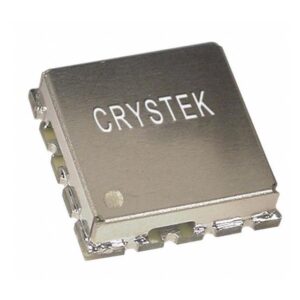 CVCO55BE-2974-3274View Product
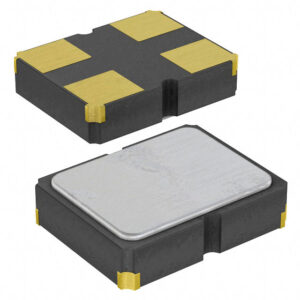 SG-9101CG-C07PHDACView Product
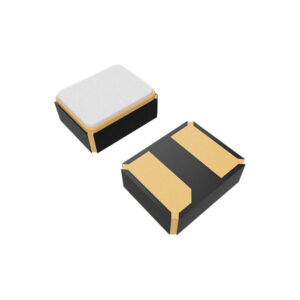 ABM10AAIG-30.000MHZ-12-D2Y-T3View Product
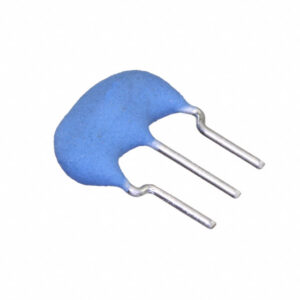 CSTLS7M00G56-B0View Product
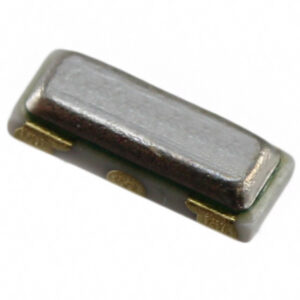 CSTCE12M5G52-R0View Product
 596FQ001101DGRView Product
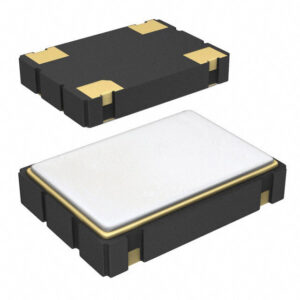 SG-8101CA 162.4500M-TCHSA0View Product
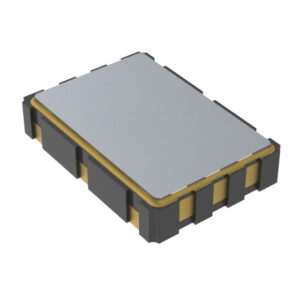 591BD-BDGView Product532BB000603DGView Product
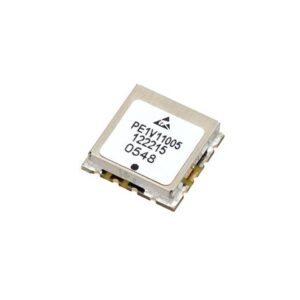 PE1V11005View Product
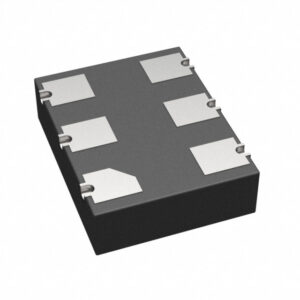 SIT9365AI-1B1-30E98.304000View Product
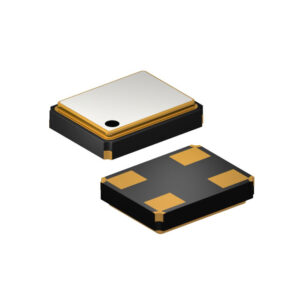 SXT3248ED17-48.000MView Product
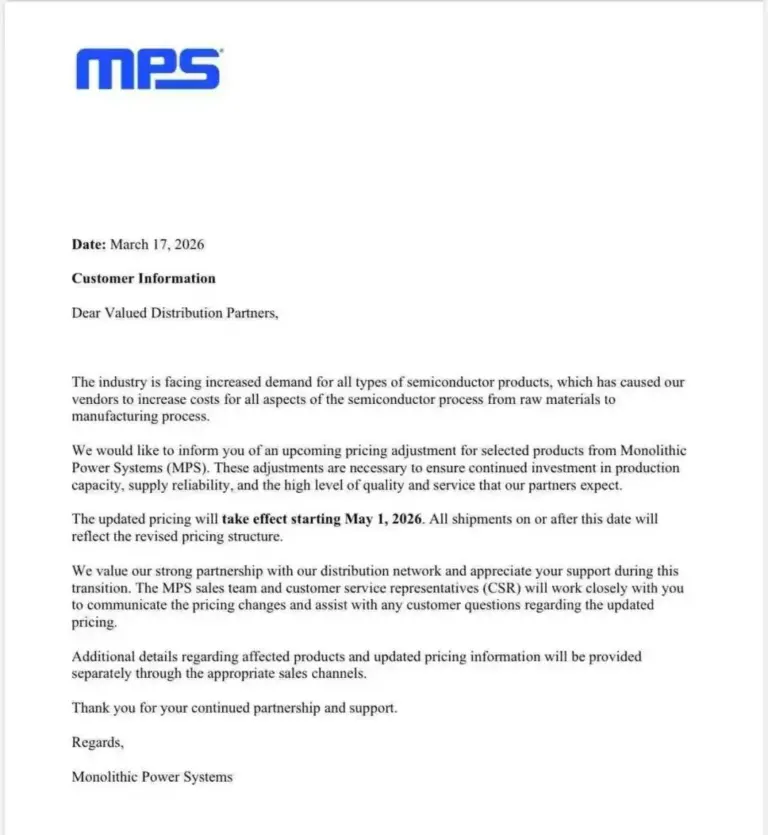
Monolithic Power Systems (MPS), a global leader in analog and mixed-signal semiconductors, has notified its distribution partners of an upcoming price increase for selected…
Read More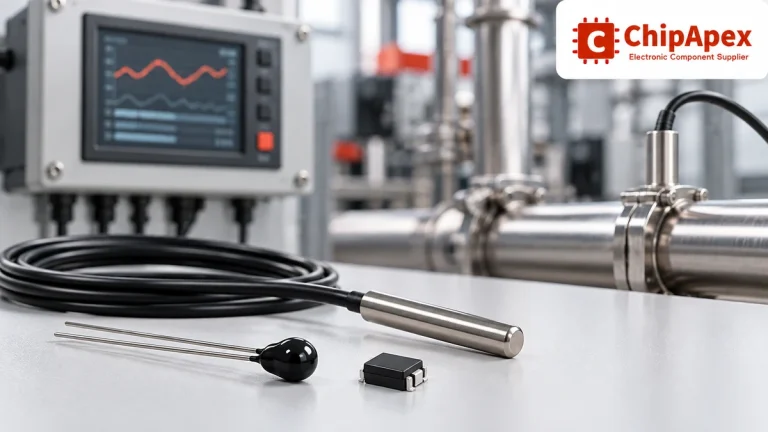
Compare thermistors, RTDs, thermocouples and temperature ICs. Learn how range, accuracy, response, interfaces and mounting affect component selection.
Read More
PLANO, Texas – March 20, 2026 – Diodes Incorporated (Nasdaq: DIOD), a leading global manufacturer and supplier of high-quality application-specific standard products in the…
Read More
Wilmington, Mass. & Milpitas, Calif. – May 19, 2026 – Analog Devices, Inc. (NASDAQ: ADI), a global leader in high-performance analog and mixed-signal semiconductors,…
Read More
The Dutch government’s intervention in the control of Nexperia (Anshi Semiconductor) is triggering a chain reaction of turmoil in the global power semiconductor market.…
Read More
TOKYO, April 15, 2026 – Taiyo Yuden Co., Ltd. (TAIYO YUDEN), a leading global manufacturer of passive electronic components, has officially notified its worldwide…
Read More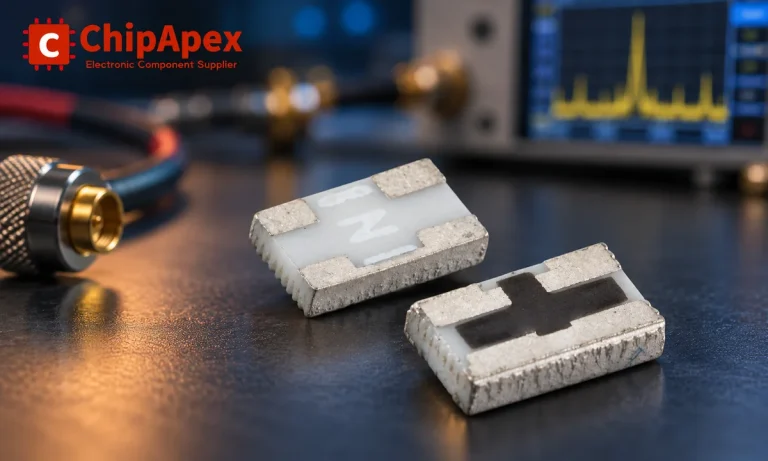
Understand RF attenuator dB values, fixed and programmable types, impedance, power limits and noise tradeoffs before choosing parts for an RF signal path.
Read More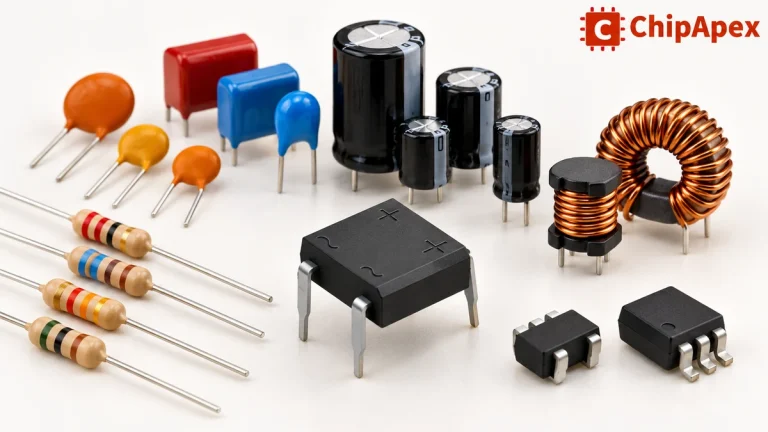
Explore electronic component types, functions, packages and datasheets. Learn selection, replacement and BOM checks before ordering parts for your PCB.
Read More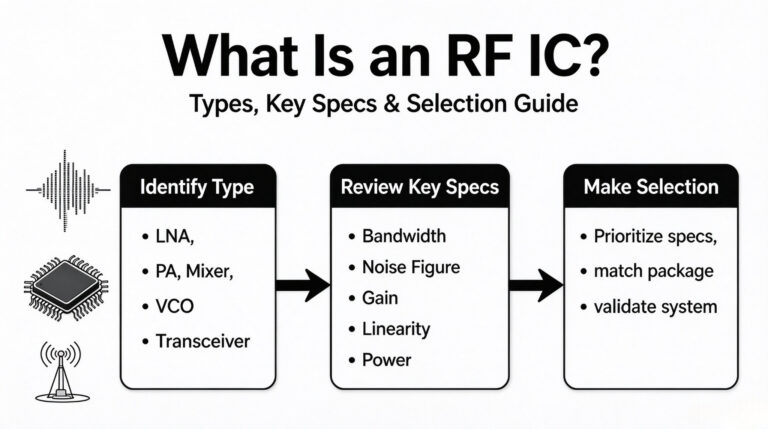
An RF IC, or radio-frequency integrated circuit, is a chip that processes wireless signals between the antenna and the baseband processor. Instead of building…
Read More
Identify a VGA DE-15 connector, check RGB, sync and DDC pin groups, and choose the right adapter direction for a legacy analog display or…
Read More
Use current and voltage divider formulas with worked two- and three-resistor examples. See how a 4 kΩ load changes an ideal 4 V output…
Read More
Learn what an integrated circuit is, how ICs work, the main types and the specs to check before choosing a part for your design…
Read More
The activity of extra discounts on wholesale prices is in full swing…
Please fill in your contact information and we will send you the latest wholesale price list.

