 ChipApex | Global Electronic Components Supplier

SEARCH
Search Product
Search Post
Search productSearch post

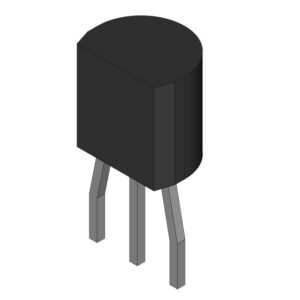
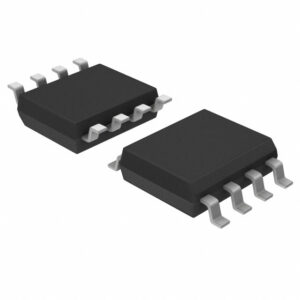
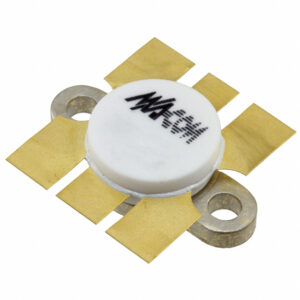
Discrete semiconductor products include individual transistors, diodes, and thyristors, as well as small arrays of such composed of two, three, four, or some other small number of similar devices within a single package. The most common and widely known is the MOSFET (metal-oxide-semiconductor field-effect transistor). They are commonly used for constructing circuits with considerable voltage or current stress, or for realizing very basic circuit functions.
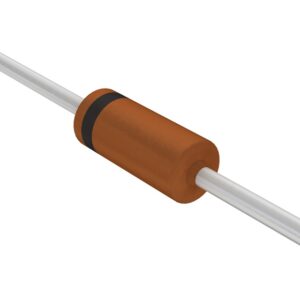 BZX79-B62,143View Product
 CLS03(T6L,SHINA,Q)View Product
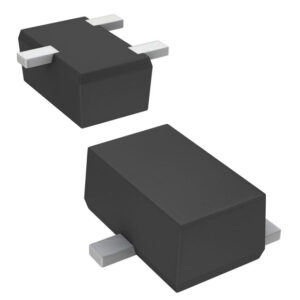 UNR521D00LView Product
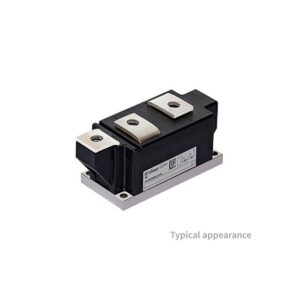 TT700N22KOFXPSA1View Product
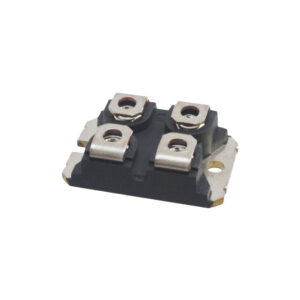 APT75GT120JU3View Product
 2SK937Y5View ProductBCR8KM-16LA-AS#B00View ProductMADL-000031-13880GView ProductIRGC49B120UBView Product
 ALD910027SALView Product2N6027 TRB TIN/LEADView Product
 MRF173CQView Product
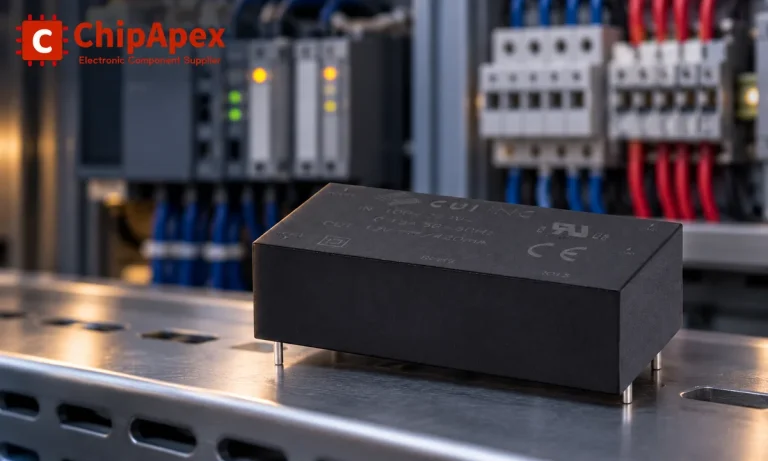
Choose an AC to DC converter by input range, output demand, isolation, efficiency and thermal derating. Compare architectures and check installation needs.
Read More
Understand RF attenuator dB values, fixed and programmable types, impedance, power limits and noise tradeoffs before choosing parts for an RF signal path.
Read More
Learn how to use ferrite beads for noise filtering. Check impedance, DC bias, placement, resonance and load-step behavior before selecting a part.
Read More
Compare Hall, shunt, current transformer and Rogowski sensing. Check AC/DC capability, accuracy, isolation, heat and response before selecting a sensor.
Read More
TOKYO — Global leading semiconductor and power electronic components manufacturer Renesas Electronics officially issued a new price adjustment notice in early September 2026, confirming…
Read More
Compare gas sensor technologies, cross-sensitivity and calibration needs. Define the gas, range and environment before choosing a sensing component.
Read More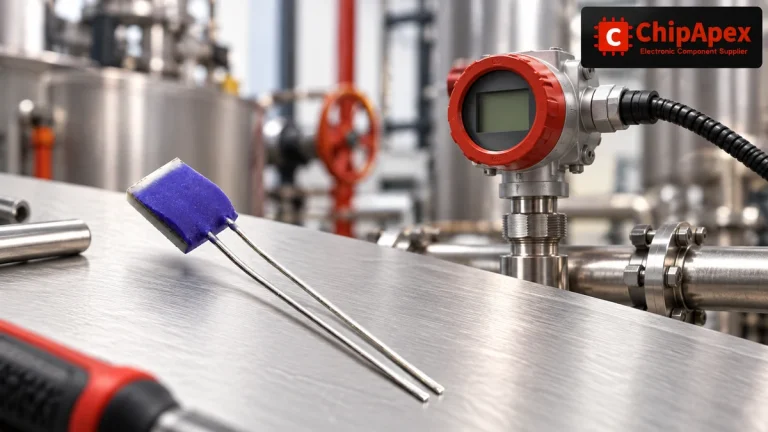
Compare Pt100 and Pt1000 RTDs, two-, three- and four-wire connections, excitation and self-heating. Build an error budget from element to reported temperature.
Read More
As 2025 draws to a close, the global semiconductor industry stands at a crossroads. Intertwined with escalating geopolitical tensions, supply chain disruptions, and groundbreaking…
Read More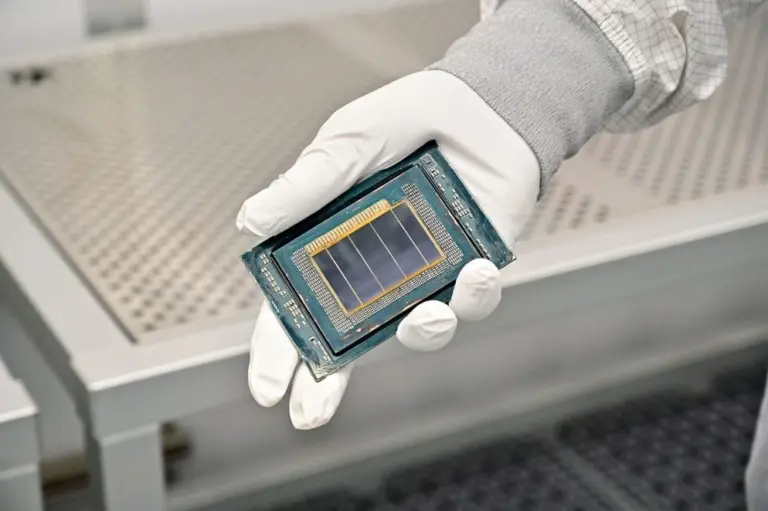
Recently, global semiconductor manufacturers have been constantly taking actions and presenting numerous new developments in aspects such as process technology and product research and…
Read More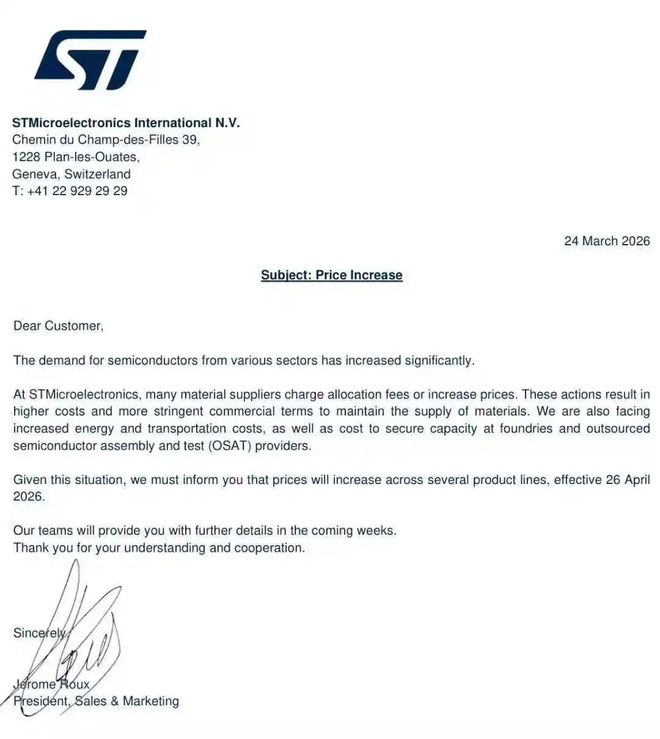
Geneva, Switzerland – March 25, 2026 – STMicroelectronics N.V. (NYSE: STM), a global semiconductor leader serving customers across the electronics applications spectrum, has announced…
Read More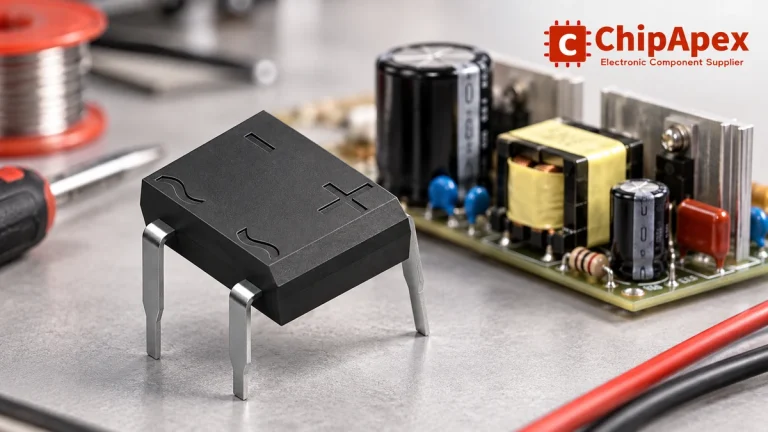
Select a bridge rectifier by reverse voltage, capacitor charging current, startup surge and cooling. Work through a stated DC voltage and ripple example.
Read More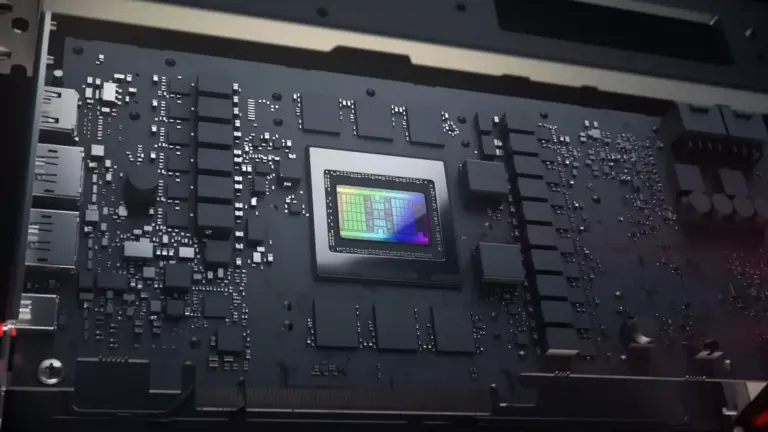
Latest updates from leading semiconductor manufacturers: Wolfspeed launches new SiC modules, AMD reveals MI430X with HBM4, TSMC eyes third Japan fab, and Samsung samples…
Read More
The activity of extra discounts on wholesale prices is in full swing…
Please fill in your contact information and we will send you the latest wholesale price list.

