 ChipApex | Global Electronic Components Supplier

SEARCH
Search Product
Search Post
Search productSearch post
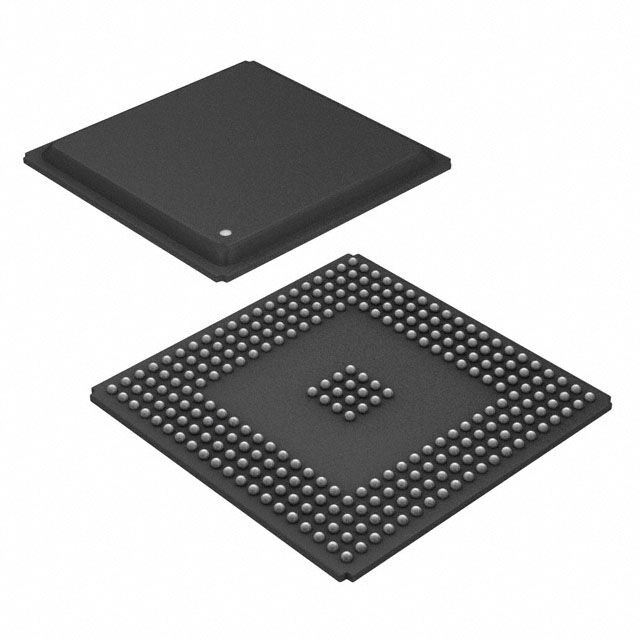
Digital signal processors are devices similar to microprocessors or microcontrollers, but distinguished by having internal architectures that are adapted for continuous execution of algorithms dominated by multiplication and addition operations performed on a continuous stream of data, as contrasted with algorithms that are dominated by conditional logic or a multiplicity of concurrent processes. They are commonly used in applications such as audio or video signal processing.
 SAF7730HV/N336,557View Product
 SMJ34020HTM28View Product
 TMS320C6455DZTZView Product
 ADSP-3222JGView Product
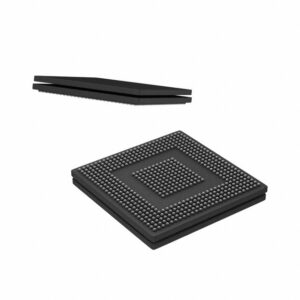 TMS320C6474FZUNAView Product
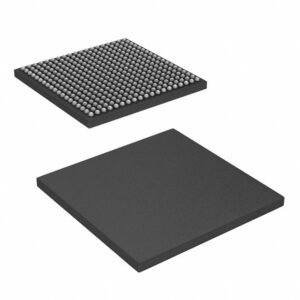 TMS320C6424ZWT5View Product
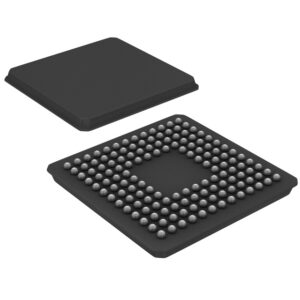 TMS320VC5409GGU-80View Product
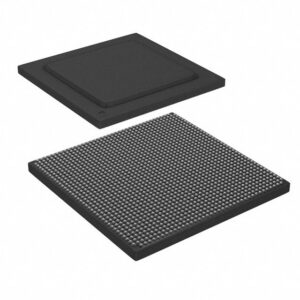 66AK2H06BAAWA24View Product
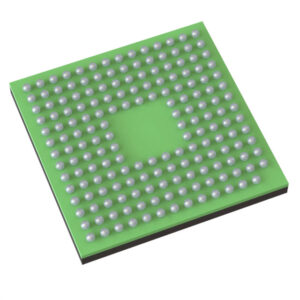 TMS320F2812ZAYARView Product
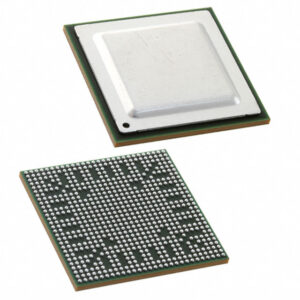 TMS320DM8148CCYE2View Product
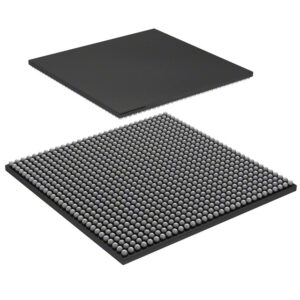 66AK2L06XCMSView ProductTMS320C6711DZDP250View Product
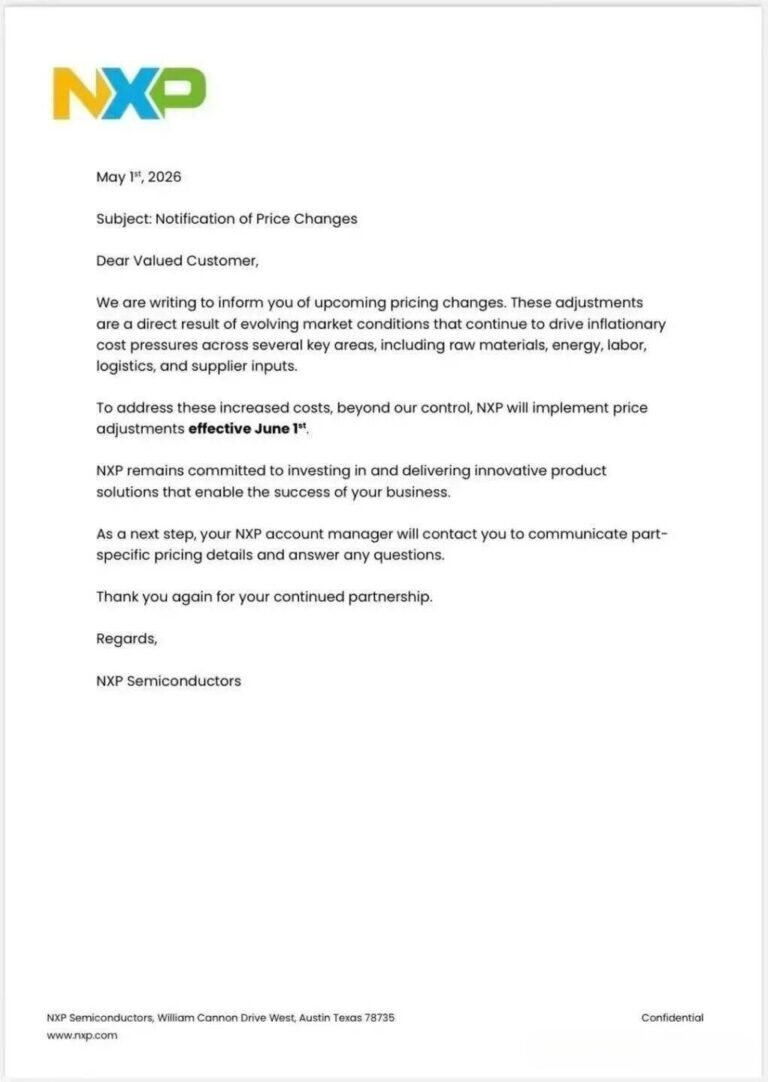
May 8, 2026 – Eindhoven, Netherlands NXP Semiconductors (NXPI), a global leader in automotive and industrial semiconductor solutions, has officially notified its worldwide channel…
Read More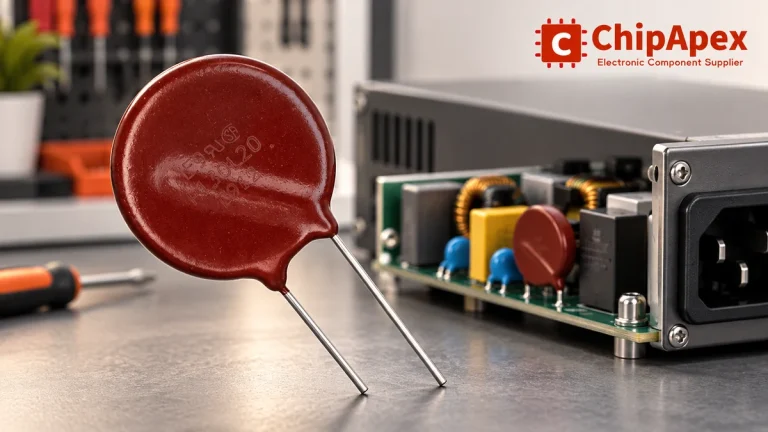
Select MOV varistors by continuous voltage, clamping behavior, surge waveform and repetition. Check thermal disconnection, fuse coordination and replacements.
Read More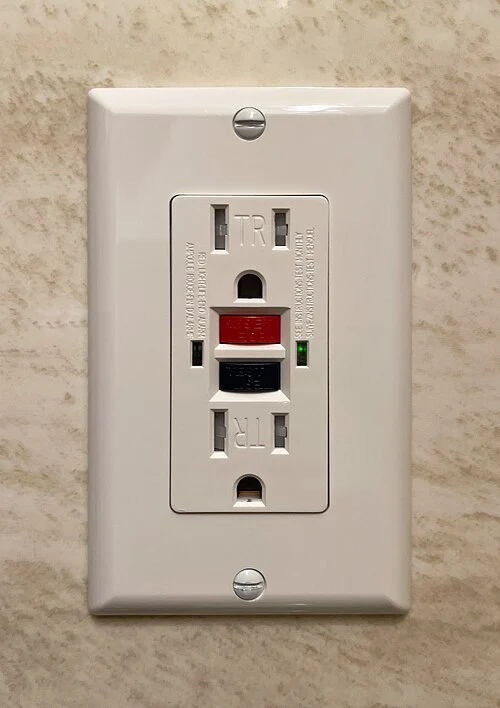
Compare standard breakers, GFCI receptacles and GFCI breakers, including the faults each detects and the ratings and listings to check before specifying.
Read More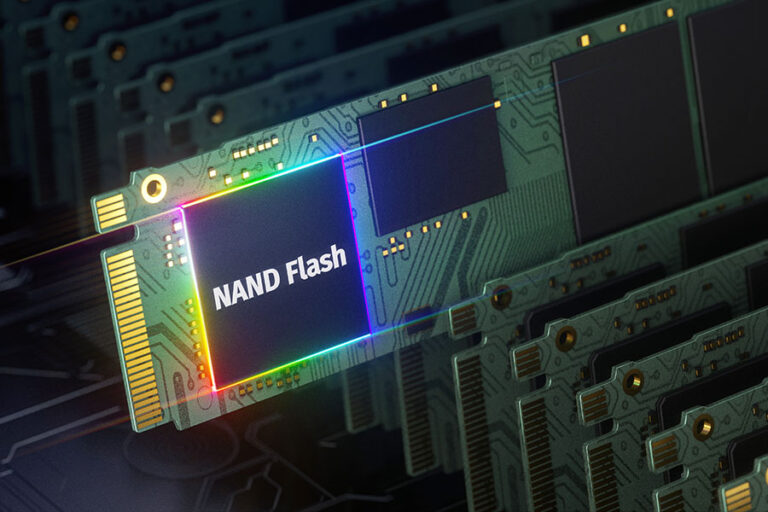
What Is NAND Flash? A Practical Guide for Engineers & Procurement Teams In today’s data-driven world—from smartphones and SSDs to industrial IoT devices—NAND flash…
Read More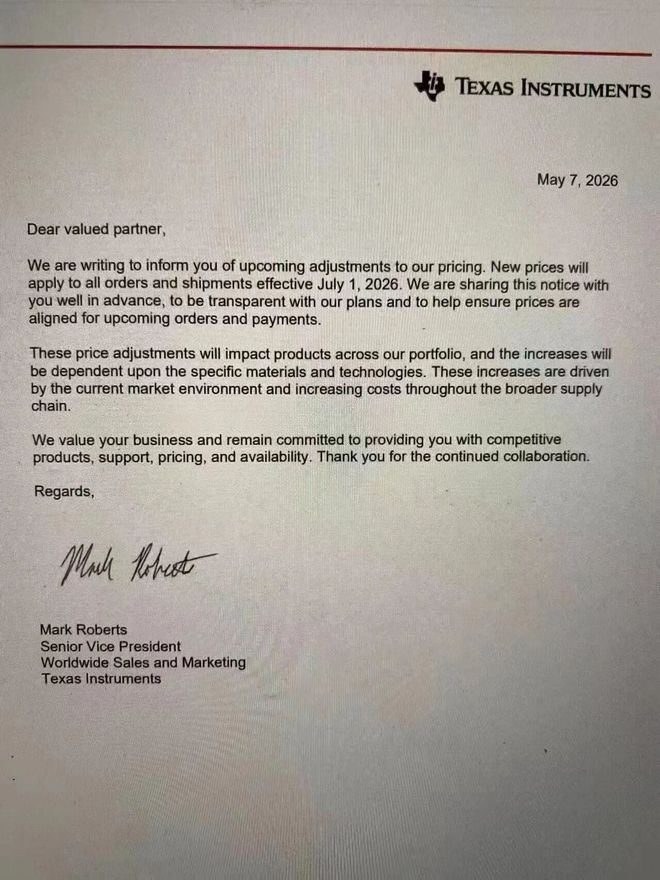
ChipApex – May 8, 2026 Texas Instruments (TI), the global leader in analog and embedded semiconductors, has officially notified customers of an upcoming company-wide…
Read More
September 16, 2026 – Global — Leading semiconductor manufacturer ON Semiconductor (onsemi, NASDAQ: ON) has officially issued a formal price adjustment letter to global…
Read More
Recently, a survey by the Electronic Components Industry Association (ECIA) revealed that the sales sentiment of global electronic components remained optimistic in the third…
Read More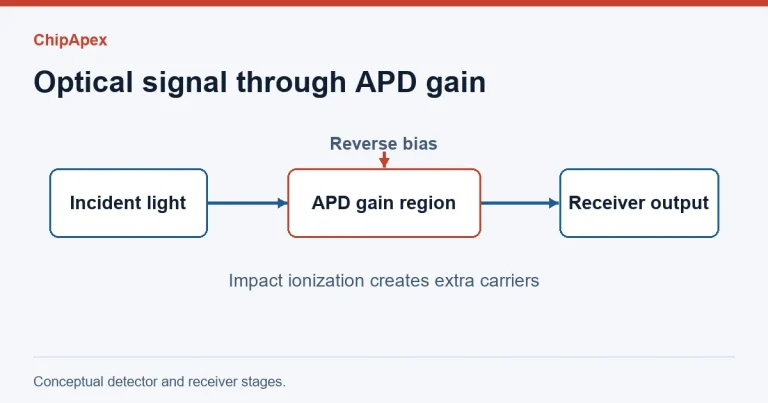
See how avalanche photodiodes multiply photocurrent and compare APD and PIN detectors by gain, noise, bias, bandwidth and operating temperature.
Read More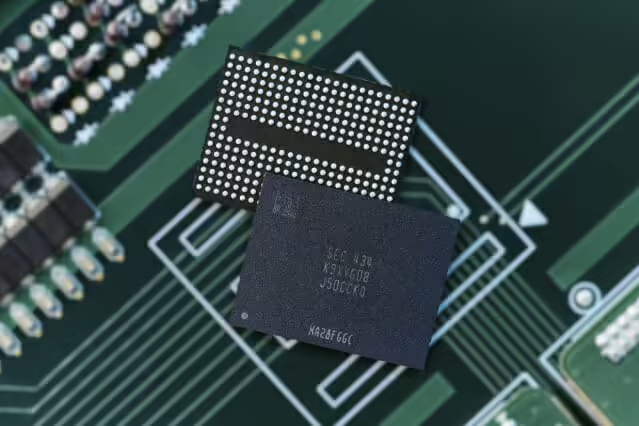
Recently, the global electronic component market has witnessed complex and changeable trends. In the memory chip sector, the wave of price increases continues to…
Read More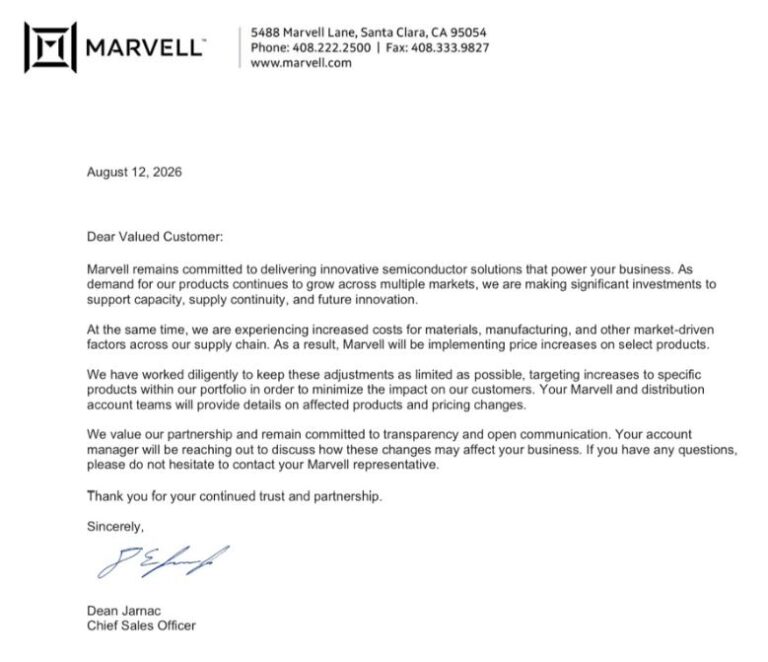
SANTA CLARA, Calif. — Leading semiconductor solution provider Marvell Technology (NASDAQ: MRVL) officially rolled out a selective price adjustment for its core electronic component…
Read More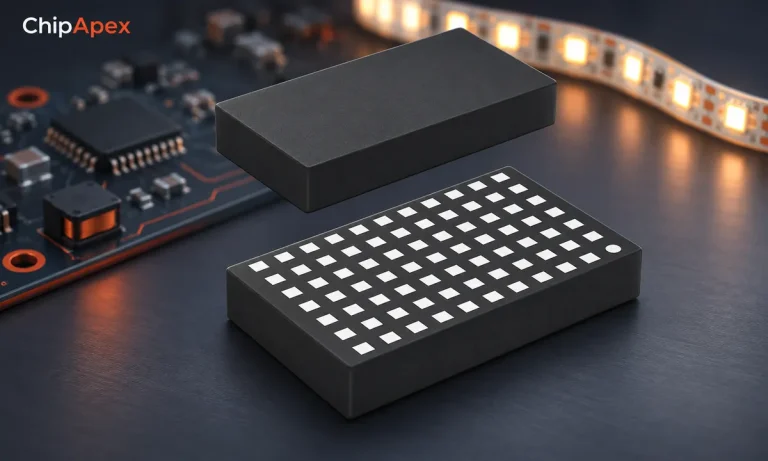
Choose LED drivers by current, string voltage, dimming and thermal limits. Understand constant-current operation and the checks needed for your load.
Read More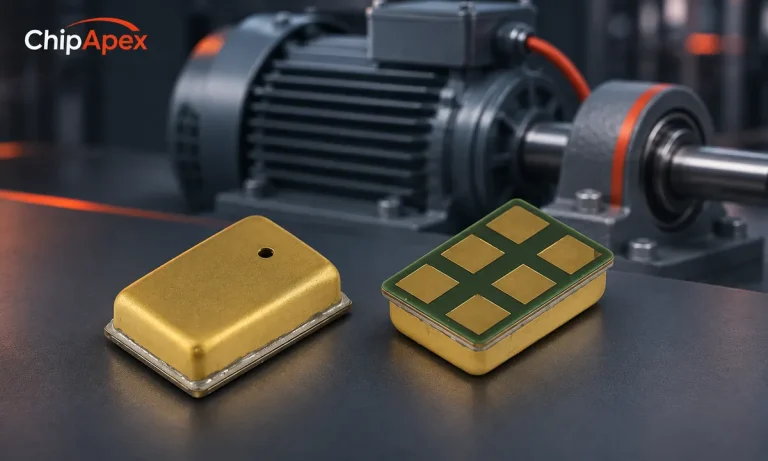
Choose a vibration sensor for machine monitoring. Compare sensing methods, bandwidth, noise and mounting, then define the signal-chain requirements.
Read More
The activity of extra discounts on wholesale prices is in full swing…
Please fill in your contact information and we will send you the latest wholesale price list.

