ChipApex | Global Electronic Components Supplier

SEARCH
Search Product
Search Post
— IC芯片 | 连接器 | 传感器 | 被动器件 —
Search productSearch post
— IC芯片 | 连接器 | 传感器 | 被动器件 —
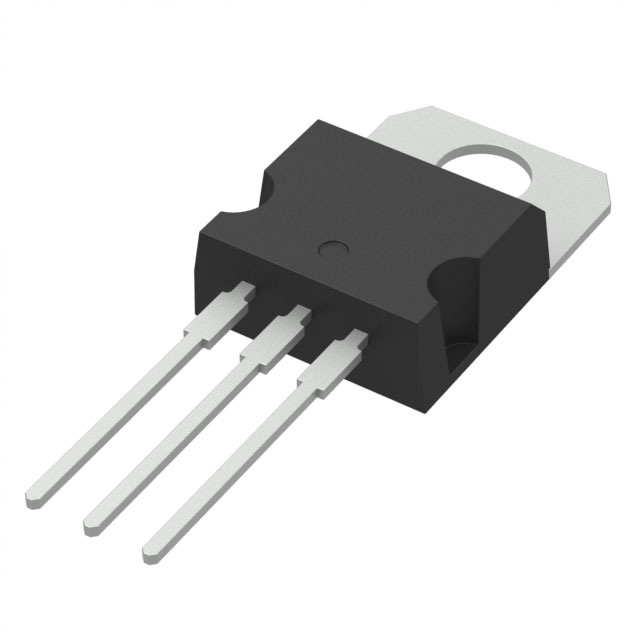
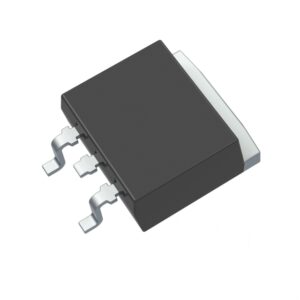
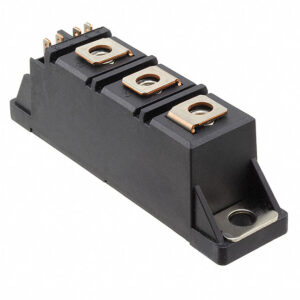
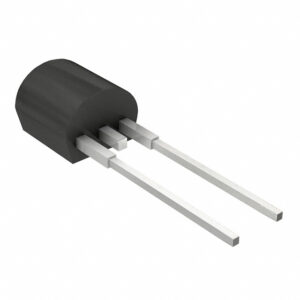
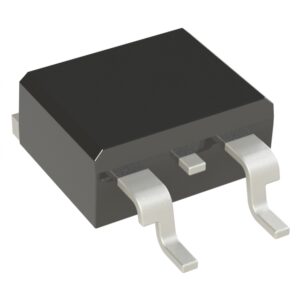
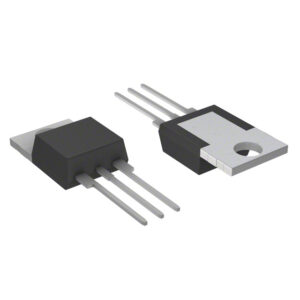
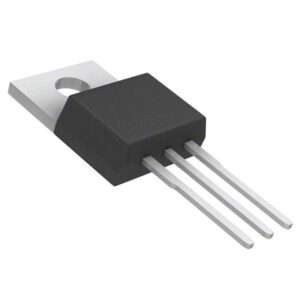
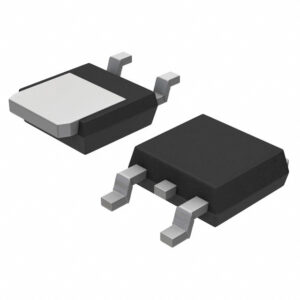
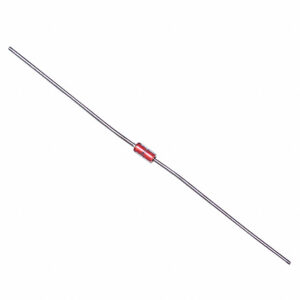
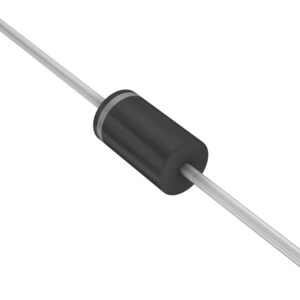
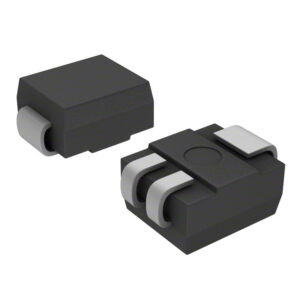
A thyristor is a solid-state semiconductor device composed of a four-layer p-n-p-n structure that operates as a bistable switch. Once triggered—typically by a small gate current—it allows current to flow between the anode and cathode and continues to conduct as long as it remains forward-biased. Thyristors are especially valued in power electronics for their ability to handle high voltages and currents efficiently. They are widely used in applications such as AC and DC motor drives, power supplies, light dimmers, and voltage regulation systems. The most recognized type is the Silicon Controlled Rectifier (SCR), ideal for circuits requiring precise control of power, particularly in unidirectional and high-power environments. There are four main types of thyristors, each suited to specific applications: SCR (Silicon Controlled Rectifier): A unidirectional thyristor that turns on when a gate pulse is applied and stays on as long as the current remains above a holding level. Ideal for DC motor drives, controlled rectifiers, and high-power switching. TRIAC (Triode for Alternating Current): A bidirectional thyristor that can conduct in both directions, commonly used in AC power control applications such as light dimmers, fan speed controllers, and domestic appliances. DIAC(Diode for Alternating Current): A bidirectional trigger device without a gate, used to trigger TRIACs by breaking down at a specific voltage threshold. Often found in timing and phase control circuits. SIDAC (Silicon Diode for Alternating Current): Similar in function to the DIAC but capable of handling higher voltages and currents. Typically used in overvoltage protection and high-energy pulse circuits. When choosing a thyristor, it\'s crucial to consider factors such as whether the application is AC or DC, the need for bidirectional vs. unidirectional conduction, the required voltage and current ratings, and the triggering method. This ensures optimal performance, longevity, and safety in your power control design.

On October 1, 2025 local time, OpenAI, an artificial intelligence research company, announced the establishment of a cooperative relationship with Samsung Electronics and SK…
Read More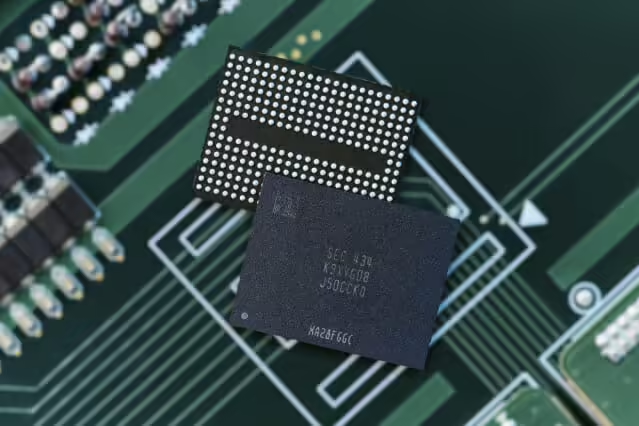
Recently, the global electronic component market has witnessed complex and changeable trends. In the memory chip sector, the wave of price increases continues to…
Read More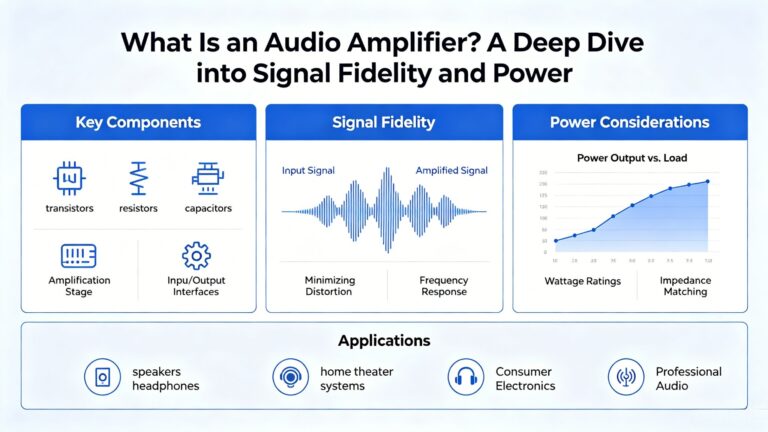
In the world of embedded electronics, getting a device to “think” is only half the battle. The other half is getting it to communicate…
Read More
In embedded design, the tug-of-war between cost and performance is constant. On one side, you have Microcontrollers (MCUs)—cheap, simple, and efficient. On the other,…
Read More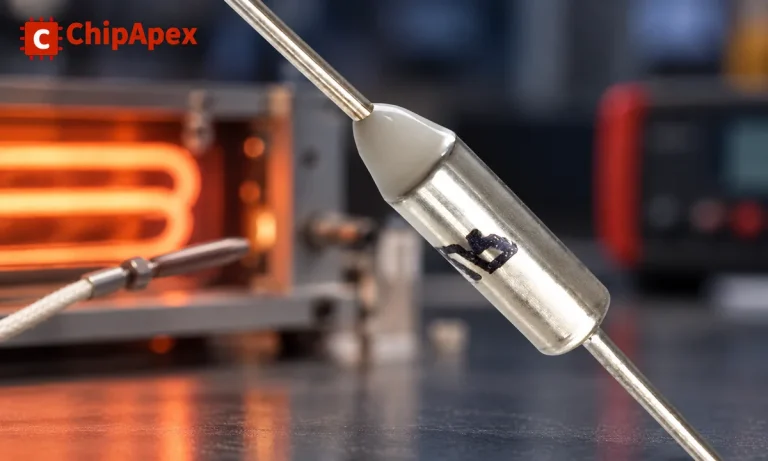
Understand thermal fuse operation, Tf, Th and Tm, electrical ratings and mounting. Check temperature limits and replacement requirements for your design.
Read More
Compare RC, crystal and MEMS oscillator circuits. Check ppm, jitter, load capacitance, startup margin and output compatibility before choosing a clock source.
Read More
TOKYO, July 31, 2026 — Renesas Electronics Corporation has officially announced a major domestic manufacturing restructuring, confirming plans to gradually discontinue all wafer fabrication…
Read More
See how a MEMS gyroscope measures angular rate, why its angle estimate drifts, and which range, noise, interface and temperature specs to compare.
Read More
Learn why PTC resistance rises with temperature, how it differs from NTC, and which ratings matter for sensing and protection.
Read More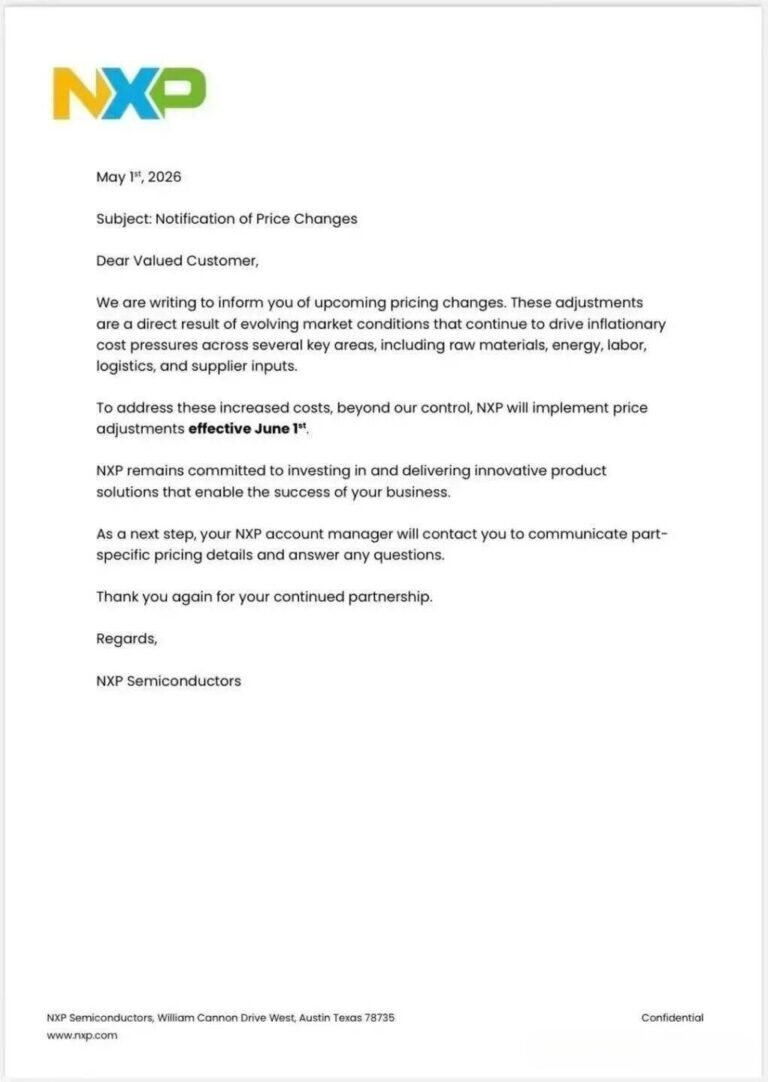
May 8, 2026 – Eindhoven, Netherlands NXP Semiconductors (NXPI), a global leader in automotive and industrial semiconductor solutions, has officially notified its worldwide channel…
Read More
May 4, 2026 — The global power semiconductor market is grappling with a worsening supply crunch, as lead times for key components have extended…
Read More
Wilmington, Mass. & Milpitas, Calif. – May 19, 2026 – Analog Devices, Inc. (NASDAQ: ADI), a global leader in high-performance analog and mixed-signal semiconductors,…
Read More
The activity of extra discounts on wholesale prices is in full swing…
Please fill in your contact information and we will send you the latest wholesale price list.