ChipApex | Global Electronic Components Supplier

SEARCH
Search Product
Search Post
— IC芯片 | 连接器 | 传感器 | 被动器件 —
Search productSearch post
— IC芯片 | 连接器 | 传感器 | 被动器件 —
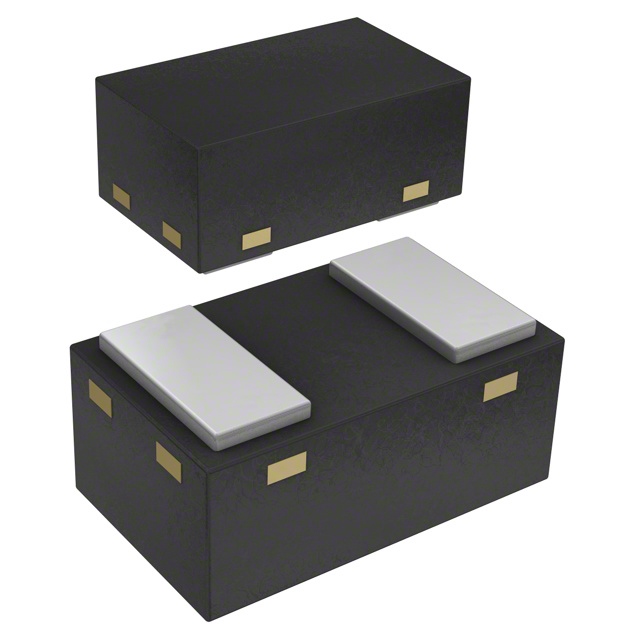
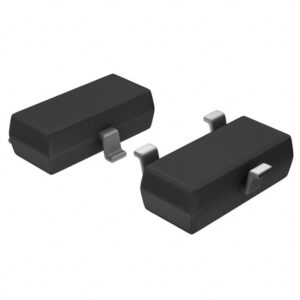
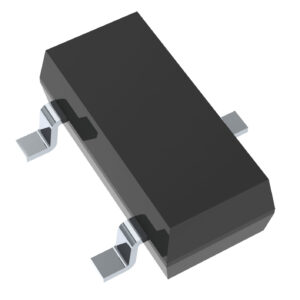
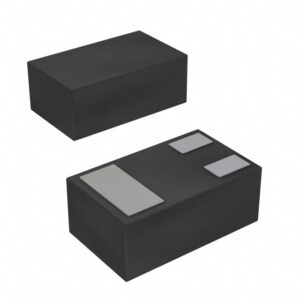
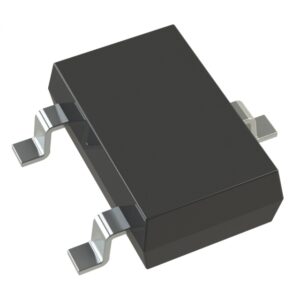
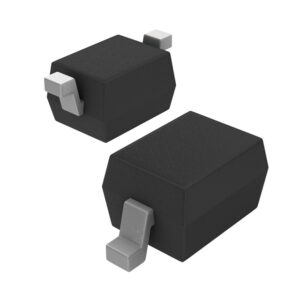
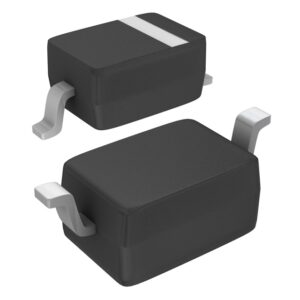
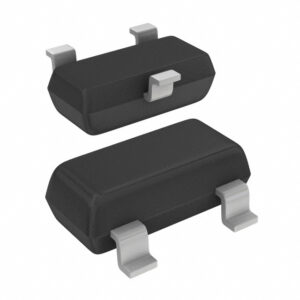
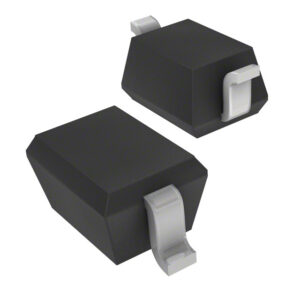
A varactor diode—also known as a varicap or tuning diode—is a type of semiconductor diode designed to operate in reverse bias, where it behaves like a variable capacitor rather than a typical rectifier. Its core function is to exploit the voltage-dependent capacitance of a reverse-biased PN junction, where the width of the depletion region changes with applied voltage, altering the capacitance. This feature makes varactors indispensable in electronic tuning applications, such as frequency modulation (FM), phase-locked loops (PLLs), voltage-controlled oscillators (VCOs), and RF filters. Varactors do not conduct in reverse bias and are used purely for their capacitive behavior. Additionally, MOS varactors—metal-oxide-semiconductor based—offer improved linearity and integration in CMOS technologies, making them suitable for modern RF IC designs. When selecting a varactor, several key parameters must be considered to ensure optimal performance in the target application. Capacitance range and tuning ratio (the ratio of maximum to minimum capacitance) are critical, as they determine how much frequency variation can be achieved. Quality factor (Q) affects signal purity and is especially important in high-frequency RF circuits. Engineers must also consider series resistance, reverse breakdown voltage, and package type, particularly in space-constrained or temperature-sensitive environments. Although varactors are compact and energy-efficient, their non-linear capacitance-voltage curve can introduce distortion, and they typically have a limited tuning range compared to mechanical alternatives. Nonetheless, for most automatic tuning, frequency modulation, and bandwidth control applications, varactors provide a solid-state solution that’s fast, reliable, and easier to integrate into modern analog and RF systems.
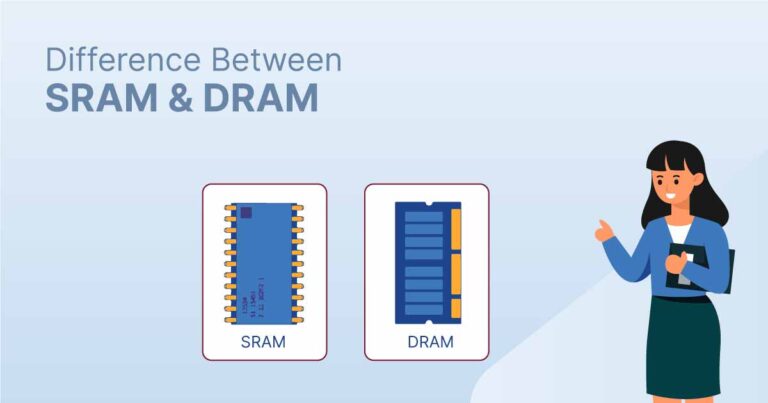
In an era dominated by AI accelerators with terabytes of HBM memory and consumer devices racing toward LPDDR5X bandwidth, it’s easy to wonder: why…
Read More
See when an inductor behaves linearly, how DC bias and saturation reduce inductance, and which current and temperature curves to check.
Read More
On September 22nd, it was reported that Samsung Electronics, the South Korean tech giant, had successfully passed NVIDIA’s certification test for its 12-layer HBM3E…
Read More
Over the past week, the global electronic components sector has witnessed dual transformations in policy and technology: Coupled with mounting pressure from a worsening…
Read More
Recently, global semiconductor manufacturers have been constantly making moves in aspects such as technological cooperation, product manufacturing processes, and market layout, demonstrating the rapid…
Read More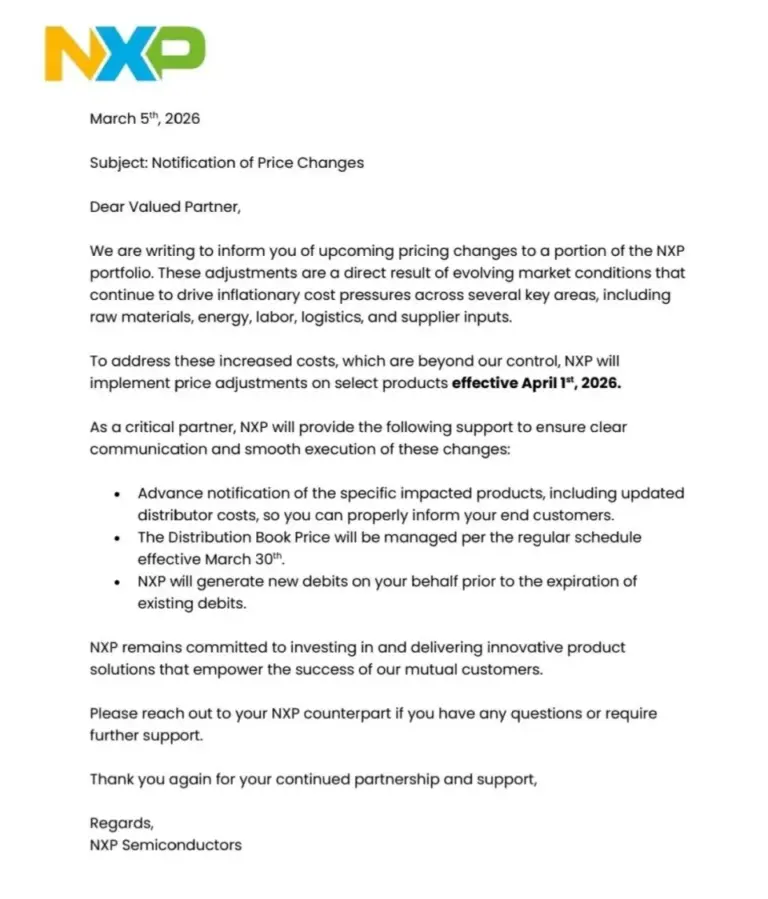
NXP Semiconductors (NASDAQ: NXPI), a global leader in automotive, industrial, and IoT semiconductors, has officially notified customers of an upcoming price adjustment for select…
Read More
As 2025 draws to a close, the global semiconductor industry stands at a crossroads. Intertwined with escalating geopolitical tensions, supply chain disruptions, and groundbreaking…
Read More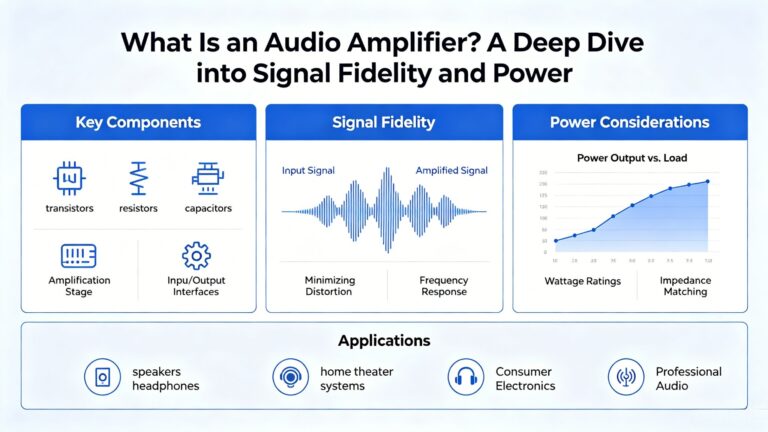
In the world of embedded electronics, getting a device to “think” is only half the battle. The other half is getting it to communicate…
Read More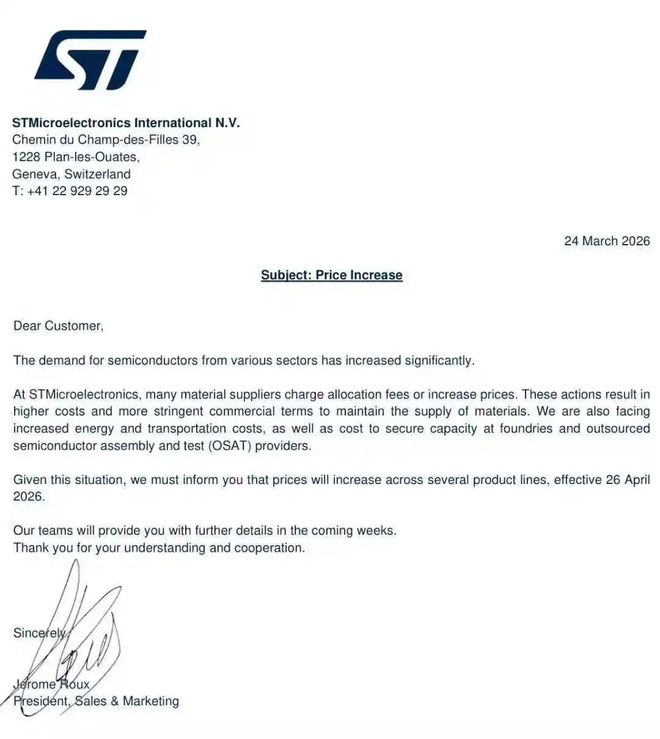
Geneva, Switzerland – March 25, 2026 – STMicroelectronics N.V. (NYSE: STM), a global semiconductor leader serving customers across the electronics applications spectrum, has announced…
Read More
Recently, the global electronic components market has been constantly evolving, and different regions and enterprises have witnessed new moves in aspects such as technological…
Read More
Learn what an integrated circuit is, how ICs work, the main types and the specs to check before choosing a part for your design…
Read More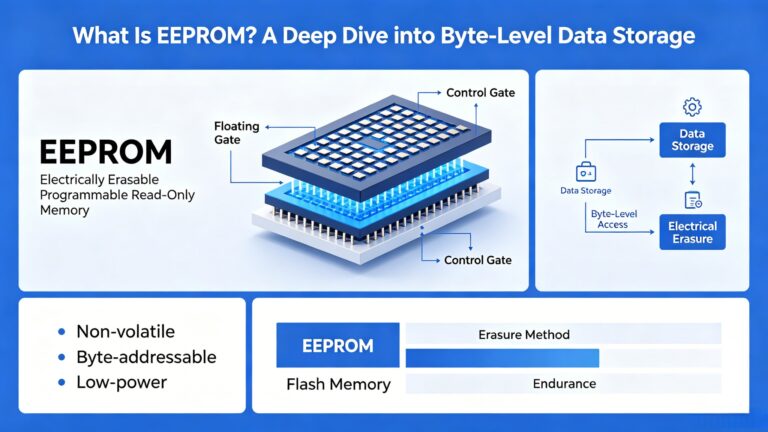
In the vast landscape of memory technology, EEPROM (Electrically Erasable Programmable Read-Only Memory) often plays the unsung hero. While NAND Flash grabs headlines for…
Read More
The activity of extra discounts on wholesale prices is in full swing…
Please fill in your contact information and we will send you the latest wholesale price list.