ChipApex | Global Electronic Components Supplier

SEARCH
Search Product
Search Post
— IC芯片 | 连接器 | 传感器 | 被动器件 —
Search productSearch post
— IC芯片 | 连接器 | 传感器 | 被动器件 —

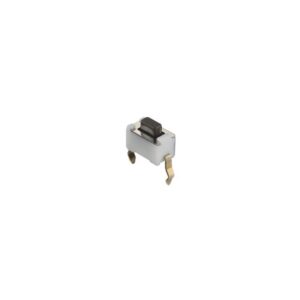
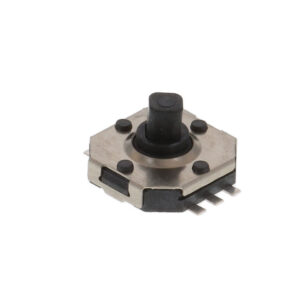
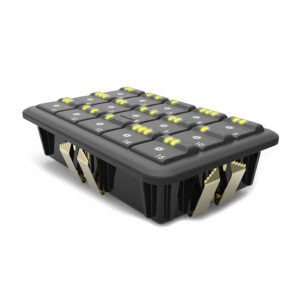
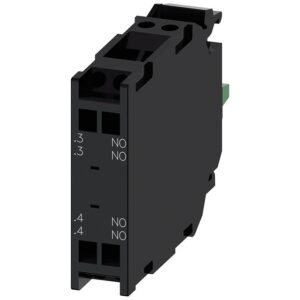
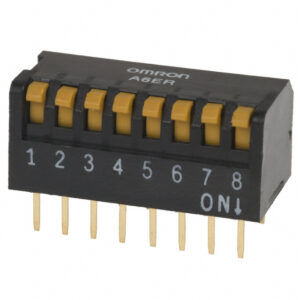
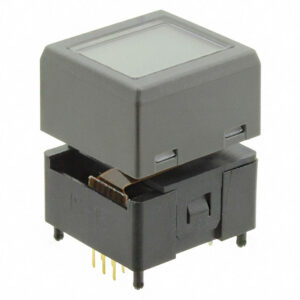
Safety and Emergency Switches Cable Pull Switch: Used in conveyor or industrial systems, these switches allow users to shut down equipment by pulling a cable from any point along its length. Emergency Stop Switch: A large, easily accessible pushbutton designed to immediately stop machinery in an emergency. Disconnect Switch: Completely isolates electrical equipment from its power source for safety during maintenance. Interlock Switch: Prevents equipment from operating when a guard or door is open; often used for safety compliance. Mechanical Control Switches Pushbutton Switch: A basic, momentary or latching switch activated by pressing a button; common in machinery and user controls. Toggle Switch: A manual lever-style switch for simple on/off control; widely used in panels and power controls. Rocker Switch: A switch that rocks back and forth; commonly found in power strips and appliances. Rotary Switch: Allows selection between multiple positions or settings by rotating a knob. Selector Switch: Similar to rotary switches but often used with key or lever mechanisms for mode selection. Slide Switch: Small, compact switch activated by sliding a button; used in handheld electronics and small devices. Input and Interface Switches DIP Switch: A set of small switches on a circuit board used to configure settings manually, such as in computer hardware. Keypad Switch: A grid of switches beneath buttons that allows multi-key input, as seen on telephones or entry systems. Programmable Display Switch: Combines a digital display and switch, allowing customized visual feedback and input. Tactile Switch: A small, surface-mount switch that provides a physical click when pressed; common in keyboards and control panels. Thumbwheel Switch: A rotary-style switch operated by the thumb, often used to set numerical values directly.
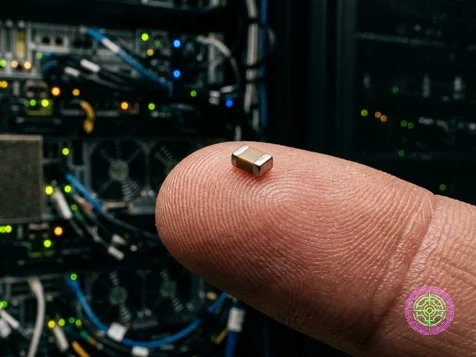
The multilayer ceramic capacitor (MLCC) market has fallen into a severe structural supply crunch in the third quarter of 2026, driven by explosive demand…
Read More
Recently, the global electronic components market has been constantly evolving, and different regions and enterprises have witnessed new moves in aspects such as technological…
Read More
See how a MEMS gyroscope measures angular rate, why its angle estimate drifts, and which range, noise, interface and temperature specs to compare.
Read More
In embedded design, the tug-of-war between cost and performance is constant. On one side, you have Microcontrollers (MCUs)—cheap, simple, and efficient. On the other,…
Read More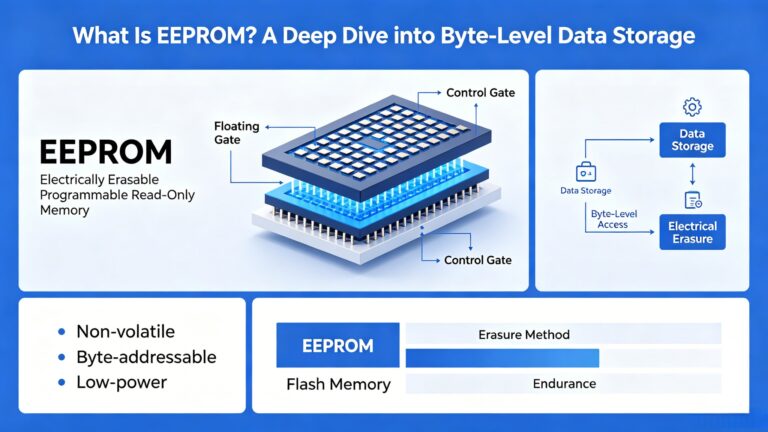
In the vast landscape of memory technology, EEPROM (Electrically Erasable Programmable Read-Only Memory) often plays the unsung hero. While NAND Flash grabs headlines for…
Read MoreA digital-to-analog converter (DAC) turns a digital number into an analog voltage or current. It lets a controller set a physical output, such as…
Read More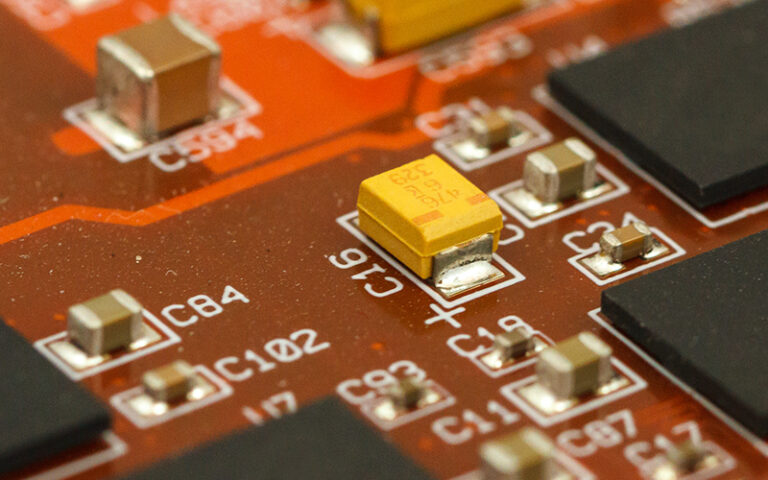
The global electronics industry is facing an escalating shortage of tantalum capacitors, a critical passive component, as surging demand from AI servers, automotive electronics,…
Read More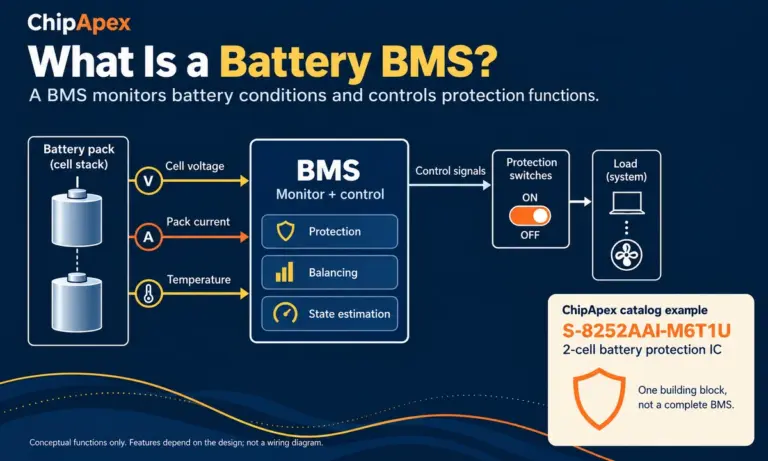
Learn what a battery BMS does, how protection differs from charging, and which pack specifications to check when sourcing BMS components through ChipApex.
Read More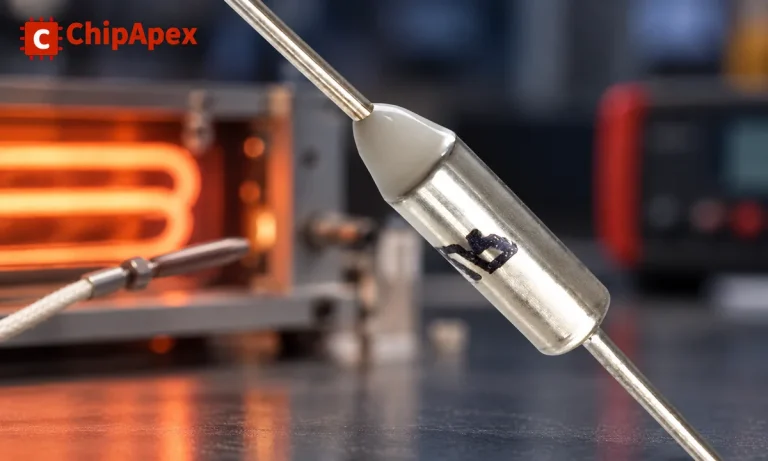
Understand thermal fuse operation, Tf, Th and Tm, electrical ratings and mounting. Check temperature limits and replacement requirements for your design.
Read More
Over the past week, the global electronic components sector has witnessed dual transformations in policy and technology: Coupled with mounting pressure from a worsening…
Read More
As the backbone of modern technology, electronic components are undergoing revolutionary changes, driven by advancements in materials science, miniaturization, and smart manufacturing. From ultra-efficient…
Read More
Understand how oscillators generate timing signals, how they differ from crystals, and which frequency, output and stability specs matter when choosing one.
Read More
The activity of extra discounts on wholesale prices is in full swing…
Please fill in your contact information and we will send you the latest wholesale price list.