 ChipApex | Global Electronic Components Supplier

SEARCH
Search Product
Search Post
Search productSearch post
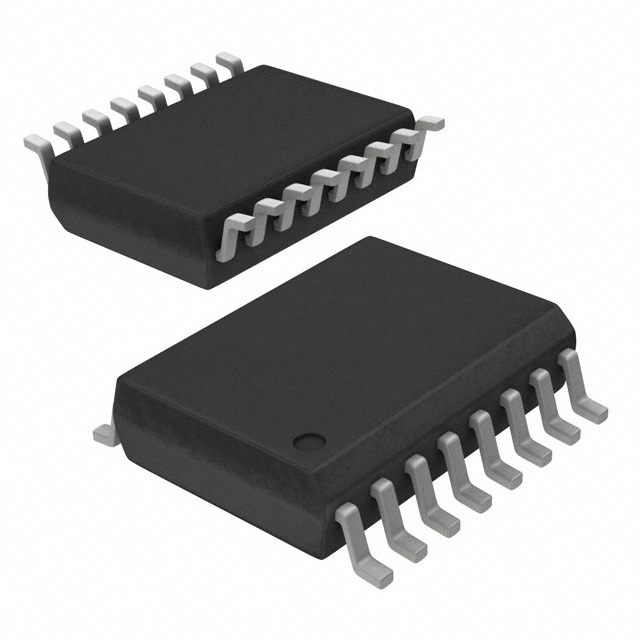
Real Time Clocks (RTCs) provide time and/or date information in almost any electronic device which needs to keep accurate time. The clock types are binary counter, clock/calendar/supervisor, elapsed time counter, phantom time chip, portable system controller, temperature recorder, time event recorder, and timer clock peripheral. They contain memory sizes ranging from 2 B to 2 MB and have interface options of I2C, Parallel, Serial, SPI, 1-Wire, 2-Wire, 3-Wire, and 4-Wire.
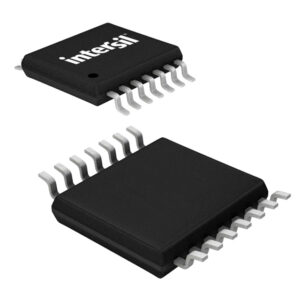 X1288V14Z-2.7View Product
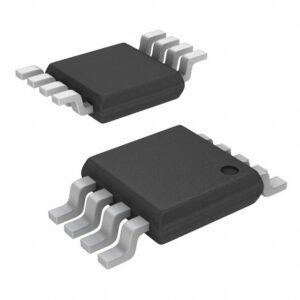 PCA85063ATT/AJView Product
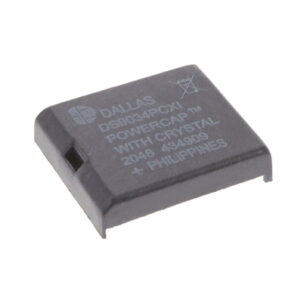 DS1747WP-120+View Product
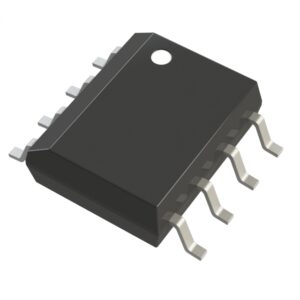 ISL1218IBZ-TView Product
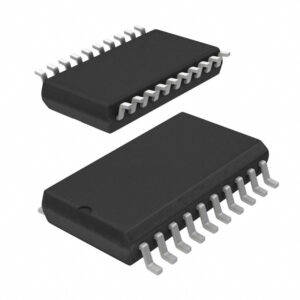 DS17885SN-3+View ProductISL12025IBZView Product
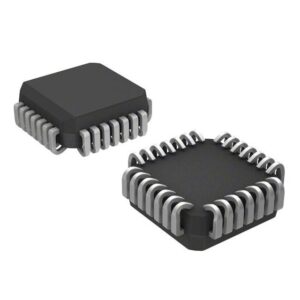 DS1284Q+T&RView Product
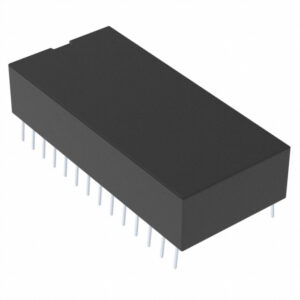 M48T08-150PC1View Product
 ISL1219IUZ-TView Product
 DS1384FP-12+View Product
 RX-8025SA:AC PURE SNView Product
 S-35192A-I8T1UView Product
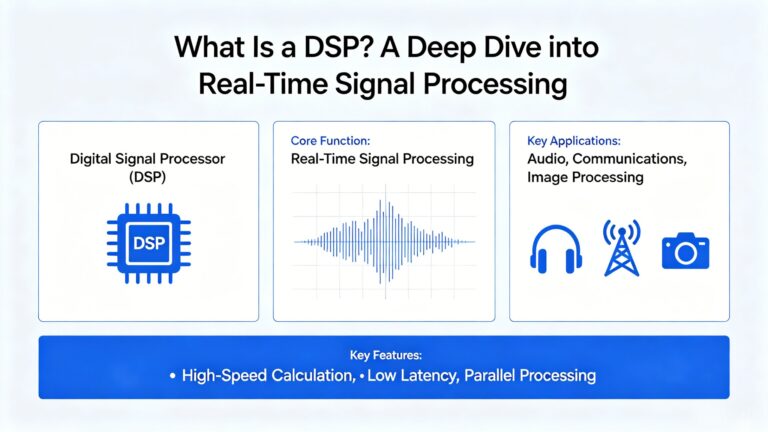
In the embedded world, general-purpose CPUs are great at running operating systems, and MCUs excel at logic control. But when you need to process…
Read More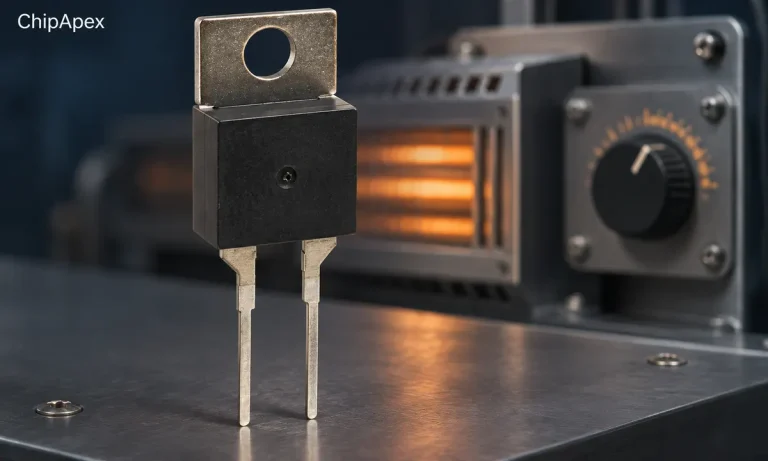
Learn how a thermostat in a heater works. Check hysteresis, reset mode, thermal placement and contact ratings before selecting a mechanical control.
Read More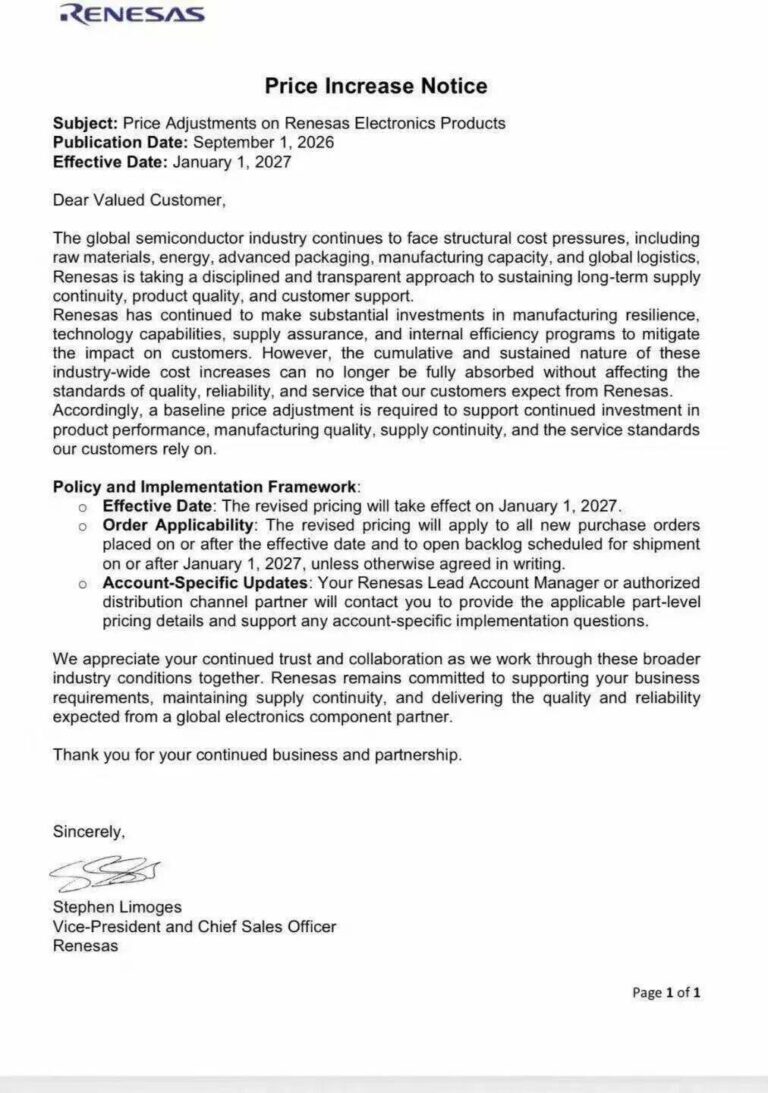
TOKYO — Global leading semiconductor and power electronic components manufacturer Renesas Electronics officially issued a new price adjustment notice in early September 2026, confirming…
Read More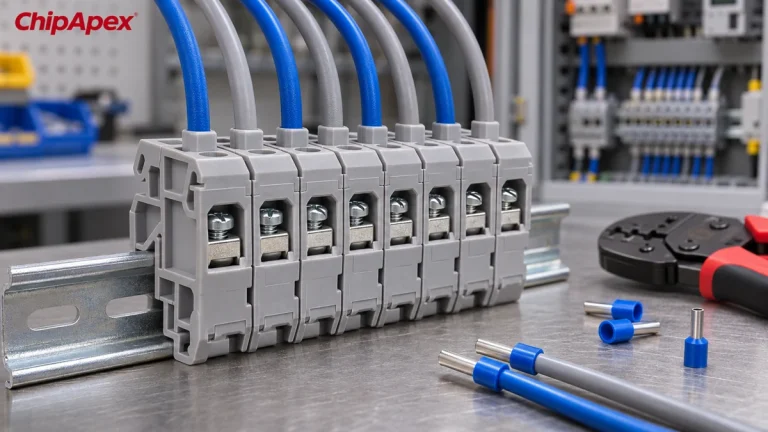
Compare screw and spring terminal blocks. Check conductor range, ferrules, strip length, torque, pitch and DIN rail accessories before completing the BOM.
Read More
A perfect storm of surging demand and supply chain disruptions is roiling the global electronic components market, with advanced semiconductors and critical materials now…
Read More
The multilayer ceramic capacitor (MLCC) market has fallen into a severe structural supply crunch in the third quarter of 2026, driven by explosive demand…
Read More
Understand how an electric energy meter measures power and accumulates kWh. Review sensing, phase alignment, calibration and metering IC selection.
Read More
Understand how an LDO regulates voltage. Check dropout, noise, PSRR, output capacitors and heat before selecting a low-dropout regulator for your circuit.
Read More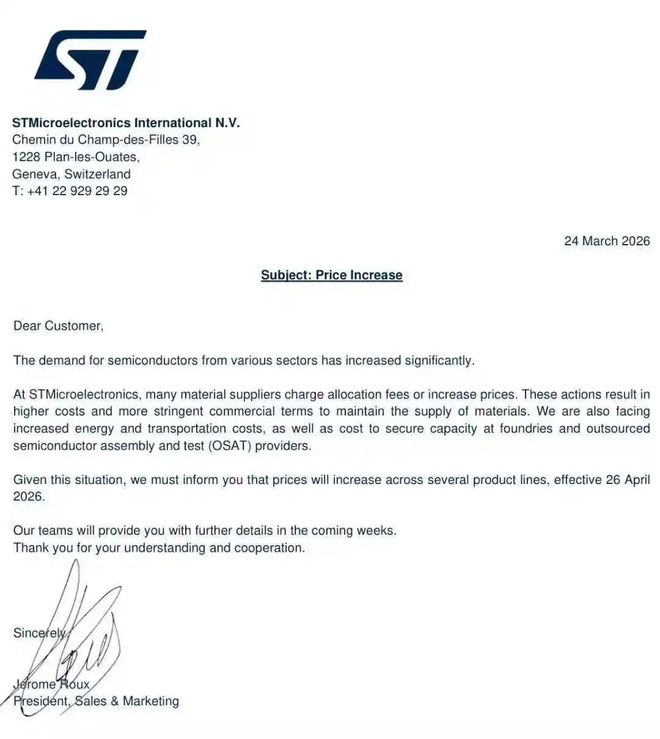
Geneva, Switzerland – March 25, 2026 – STMicroelectronics N.V. (NYSE: STM), a global semiconductor leader serving customers across the electronics applications spectrum, has announced…
Read More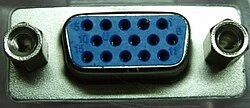
Identify a VGA DE-15 connector, check RGB, sync and DDC pin groups, and choose the right adapter direction for a legacy analog display or…
Read More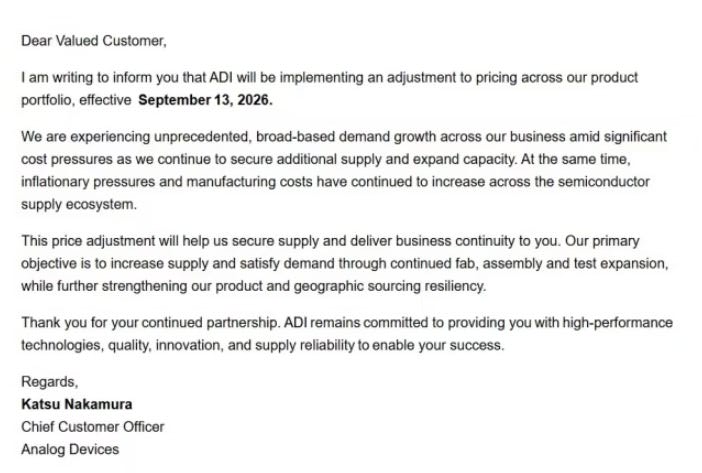
WILMINGTON, Mass. – August 11, 2026 — Analog Devices, Inc. (NASDAQ: ADI), the global leading supplier of high-performance analog, mixed-signal and digital signal processing…
Read More
Latest updates from leading semiconductor manufacturers: Wolfspeed launches new SiC modules, AMD reveals MI430X with HBM4, TSMC eyes third Japan fab, and Samsung samples…
Read More
The activity of extra discounts on wholesale prices is in full swing…
Please fill in your contact information and we will send you the latest wholesale price list.

