 ChipApex | Global Electronic Components Supplier

SEARCH
Search Product
Search Post
Search productSearch post

Products in the Battery Management PMIC (Power Management Integrated Circuit) family are used for battery-related monitoring and control functions including authentication, cell balancing, condition monitoring, fuel gauging, source selection, short circuit protection, over- and under-voltage protection, and others. Note that while some products in this family may include a battery charging function among their features, products implementing a charging function as a principle feature are classified separately.
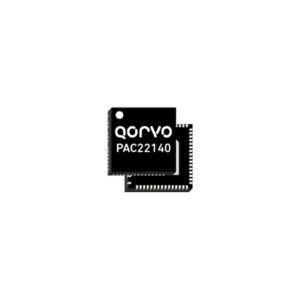 PAC22140-TView Product
 S-8261ADBMD-G5BT2UView Product
 BQ28550DRZRView Product
 S-8240ADM-I6T1UView Product
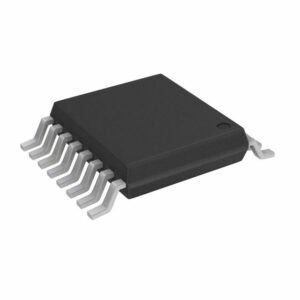 S-8254ABIFT-TB-GView Product
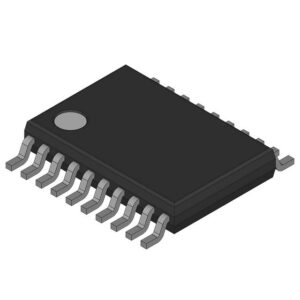 BQ28300PWView Product
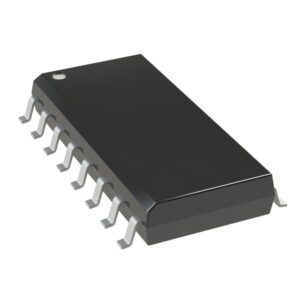 DS2761AE+View Product
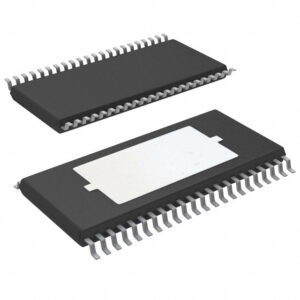 BQ78412DDWTView Product
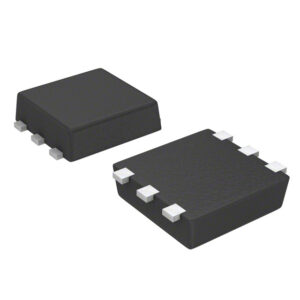 S-8213AAR-I6T1UView ProductS-8269BAB-I6T1UView Product
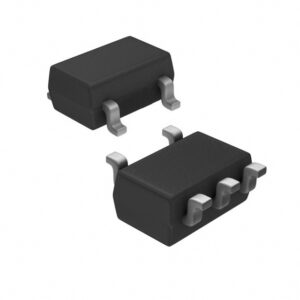 S-8211CDG-M5T1UView ProductS-8241ADEMC-GDET2GView Product
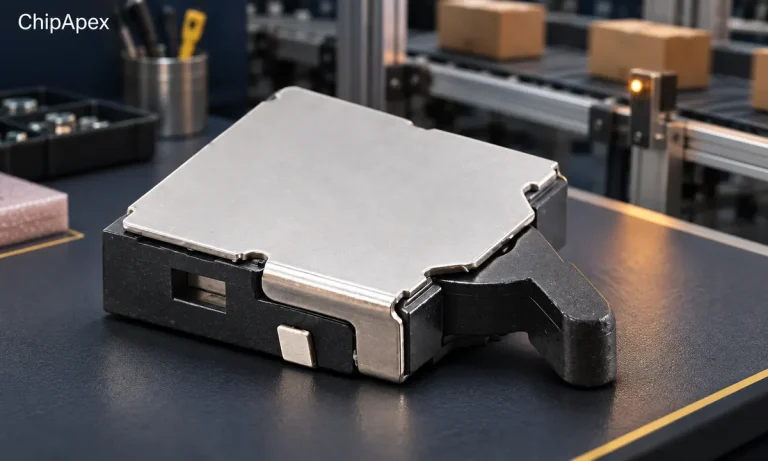
Choose a limit switch by actuator, travel, contact ratings and environment. Understand pretravel, overtravel and practical checks for machine integration.
Read More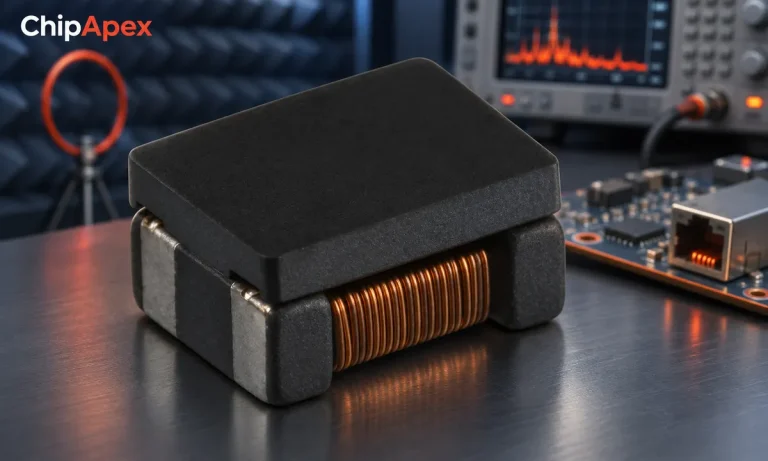
Select a common mode choke using noise frequency, current, insulation and signal integrity. Understand impedance curves, layout and filter limitations.
Read More
[Shenzhen/Shanghai/Beijing, January 2025] — As global digital transformation accelerates, the electronic components industry has reached a critical inflection point in 2025. Emerging fields such…
Read More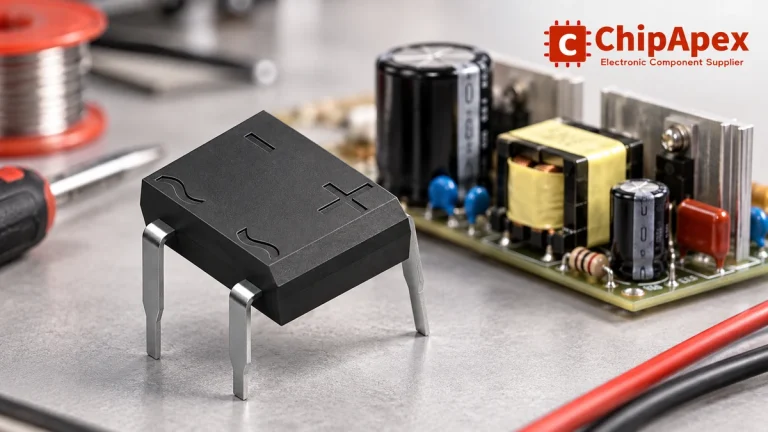
Select a bridge rectifier by reverse voltage, capacitor charging current, startup surge and cooling. Work through a stated DC voltage and ripple example.
Read More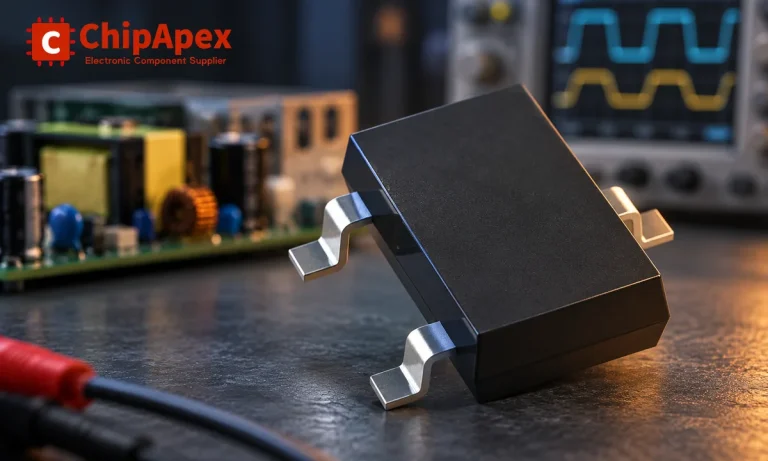
Learn how rectifiers convert AC to DC, compare half-wave and bridge circuits, and select voltage, current, recovery and thermal ratings for your design.
Read More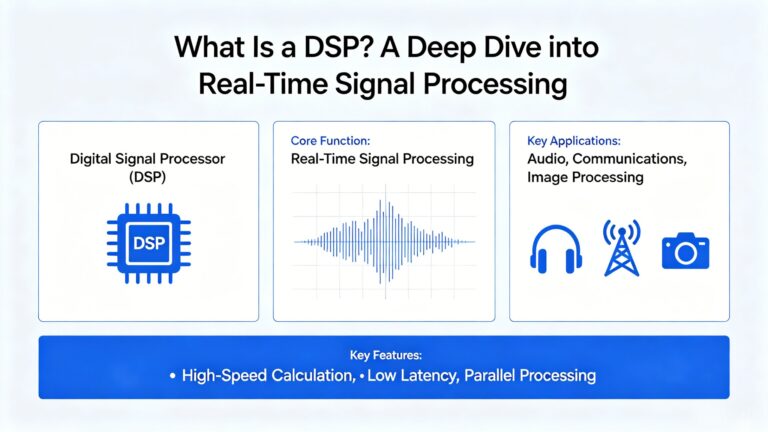
In the embedded world, general-purpose CPUs are great at running operating systems, and MCUs excel at logic control. But when you need to process…
Read More
Wilmington, Mass. & Milpitas, Calif. – May 19, 2026 – Analog Devices, Inc. (NASDAQ: ADI), a global leader in high-performance analog and mixed-signal semiconductors,…
Read More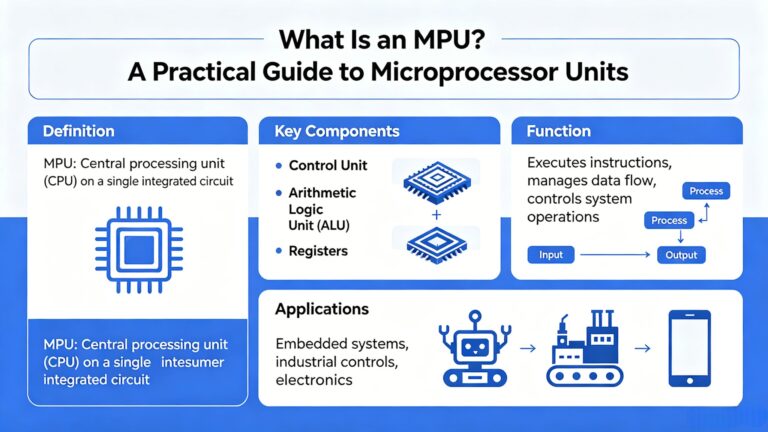
In embedded design, the tug-of-war between cost and performance is constant. On one side, you have Microcontrollers (MCUs)—cheap, simple, and efficient. On the other,…
Read More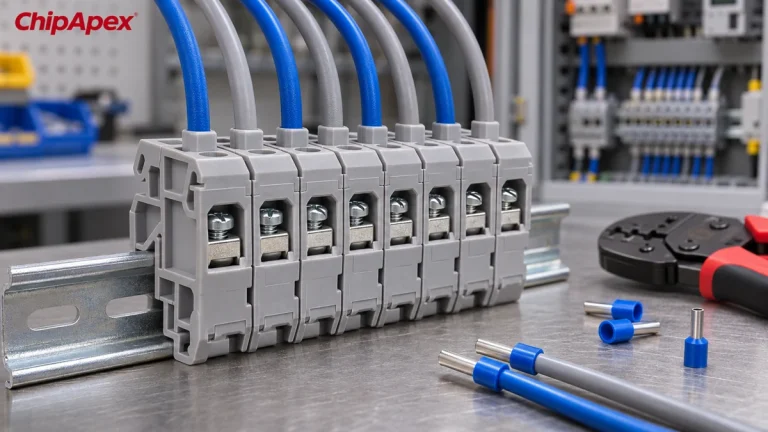
Compare screw and spring terminal blocks. Check conductor range, ferrules, strip length, torque, pitch and DIN rail accessories before completing the BOM.
Read More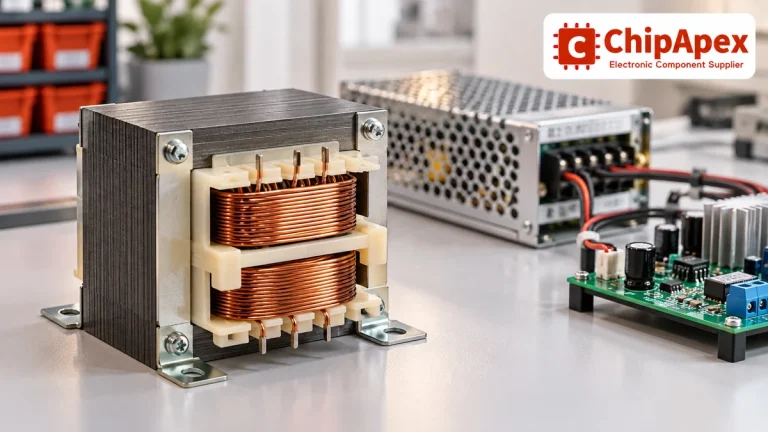
Select power transformers by input frequency, secondary VA, rectifier load, isolation, regulation and inrush. Build a clearer specification for your next RFQ.
Read More
WILMINGTON, Mass. – August 11, 2026 — Analog Devices, Inc. (NASDAQ: ADI), the global leading supplier of high-performance analog, mixed-signal and digital signal processing…
Read More
Monolithic Power Systems (MPS), a global leader in analog and mixed-signal semiconductors, has notified its distribution partners of an upcoming price increase for selected…
Read More
The activity of extra discounts on wholesale prices is in full swing…
Please fill in your contact information and we will send you the latest wholesale price list.

