 ChipApex | Global Electronic Components Supplier

SEARCH
Search Product
Search Post
Search productSearch post
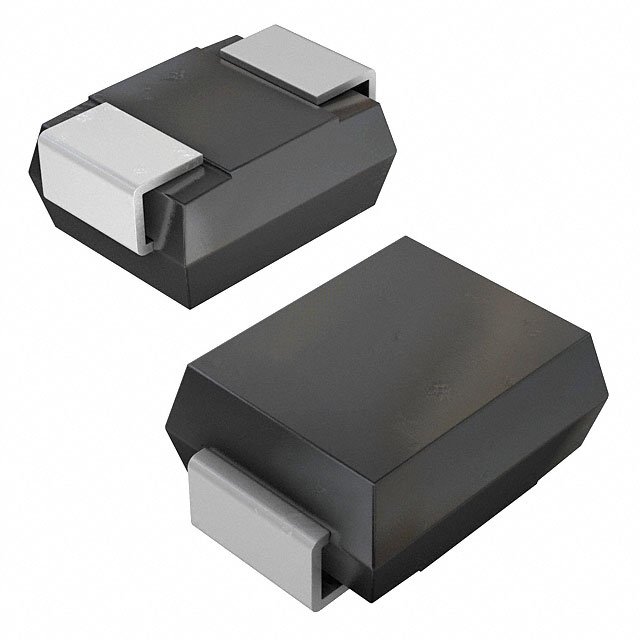
TVS Diodes are a semiconductor device designed to limit or stop surges in a specific voltage level. The items in this family are designed using diodes (a component that conducts in just one direction). TVS is an acronym for Transient Voltage Suppression (Suppressor). The types are steering (rail to rail) or Zener with the characteristics of unidirectional channels, bidirectional channels, voltage – reverse standoff, voltage – breakdown, voltage – clamping, current – peak pulse, power – peak pulse, and power line protection.
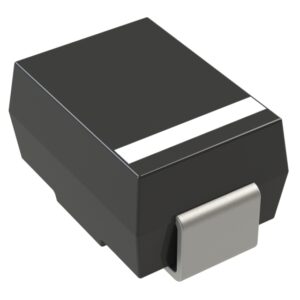 1.5SMC56AT3GView Product
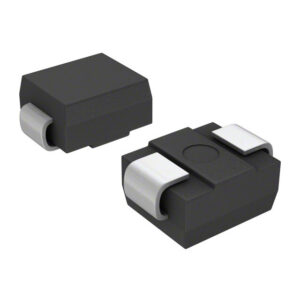 SMBJ75CD-M3/IView Product
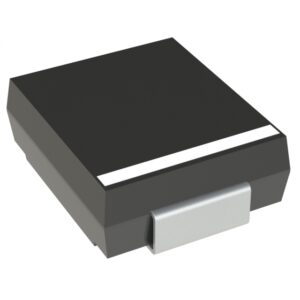 5.0SMDJ190A/TR13View Product
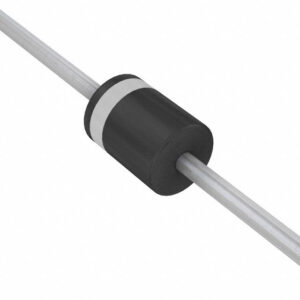 6KA24-3HE3/54View Product
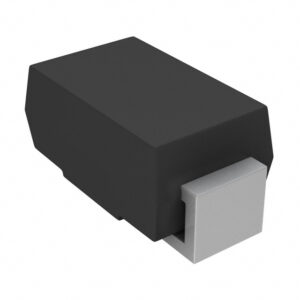 PGSMAJ8.5A F3GView Product
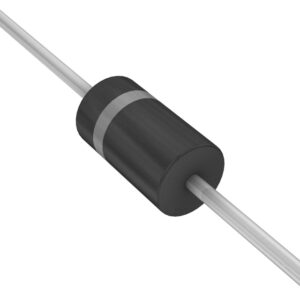 MPTE-5RL4GView Product
 RSA30LDDTE25View Product
 PACDN044YB5-LFView Product
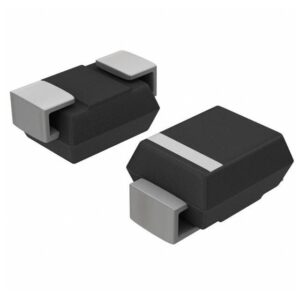 SMCJ18CAHE3/57TView Product
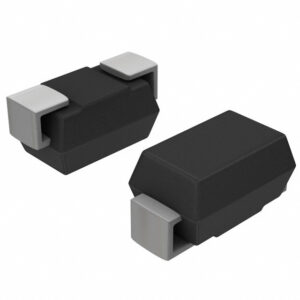 824501222View Product
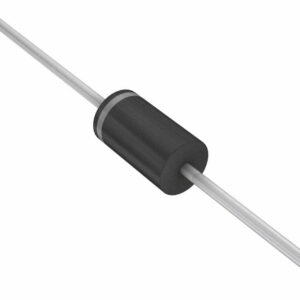 1.5KE160CA-E3/54View Product
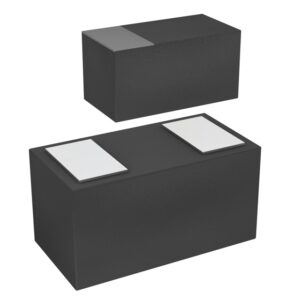 PESD18VV1BASFYLView Product
Understand how an electric energy meter measures power and accumulates kWh. Review sensing, phase alignment, calibration and metering IC selection.
Read More
Understand how a comparator switches at a voltage threshold, why hysteresis prevents chatter, and which output and input specs matter.
Read More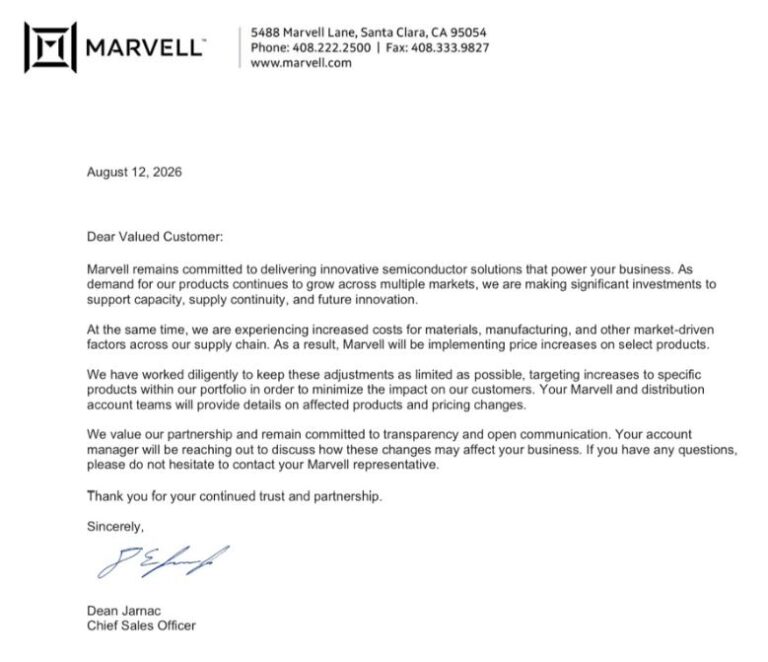
SANTA CLARA, Calif. — Leading semiconductor solution provider Marvell Technology (NASDAQ: MRVL) officially rolled out a selective price adjustment for its core electronic component…
Read More
Recently, a survey by the Electronic Components Industry Association (ECIA) revealed that the sales sentiment of global electronic components remained optimistic in the third…
Read More
Embedded Integrated Circuit Modules: The Backbone of Modern Technology Embedded Integrated Circuit Modules (EICMs) have become an indispensable part of modern technology. Serving as…
Read More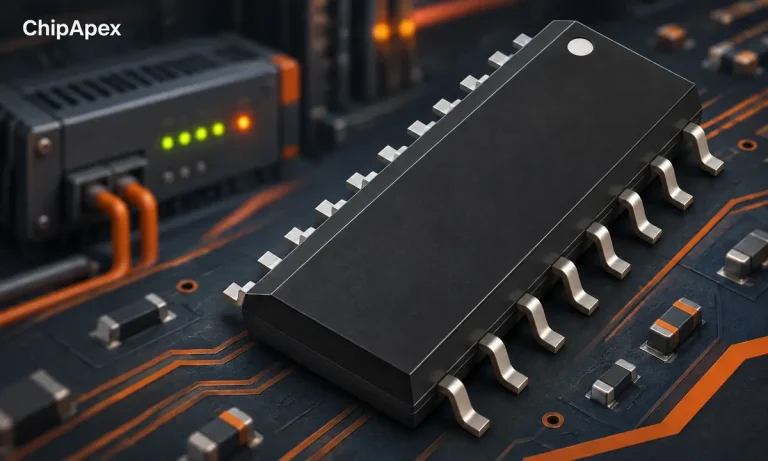
Learn what a shift register does, how bits move and when to use SIPO or PISO devices. Review latch timing, logic levels, output drive…
Read More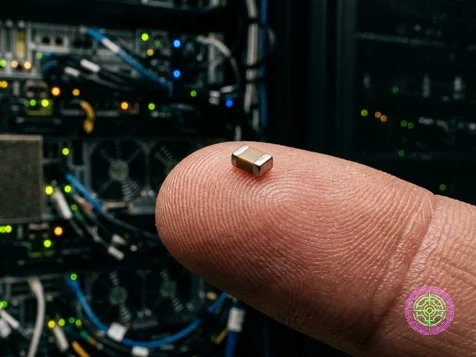
The multilayer ceramic capacitor (MLCC) market has fallen into a severe structural supply crunch in the third quarter of 2026, driven by explosive demand…
Read More
Identify fork terminals and flat-blade spade connectors. Match wire size, tab thickness, insulation and crimp tooling before selecting a replacement.
Read More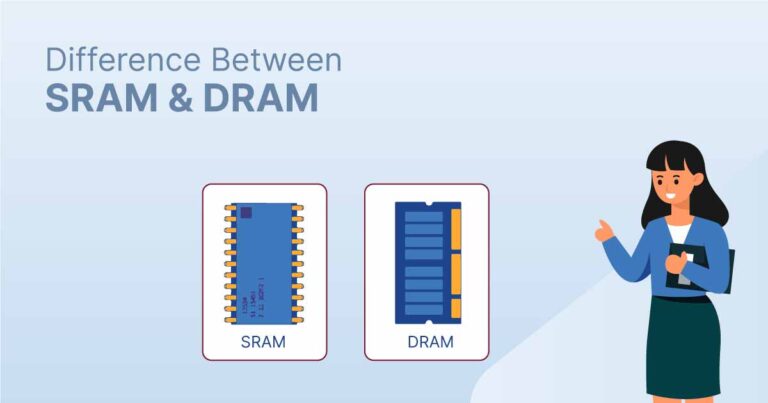
In an era dominated by AI accelerators with terabytes of HBM memory and consumer devices racing toward LPDDR5X bandwidth, it’s easy to wonder: why…
Read More
Understand load cell sensor output, bridge wiring and calibration. Learn how mV/V sensitivity, mechanics and ADC noise affect measurement accuracy.
Read More
In embedded design, the tug-of-war between cost and performance is constant. On one side, you have Microcontrollers (MCUs)—cheap, simple, and efficient. On the other,…
Read More
The Dutch government’s intervention in the control of Nexperia (Anshi Semiconductor) is triggering a chain reaction of turmoil in the global power semiconductor market.…
Read More
The activity of extra discounts on wholesale prices is in full swing…
Please fill in your contact information and we will send you the latest wholesale price list.

