 ChipApex | Global Electronic Components Supplier

SEARCH
Search Product
Search Post
Search productSearch post
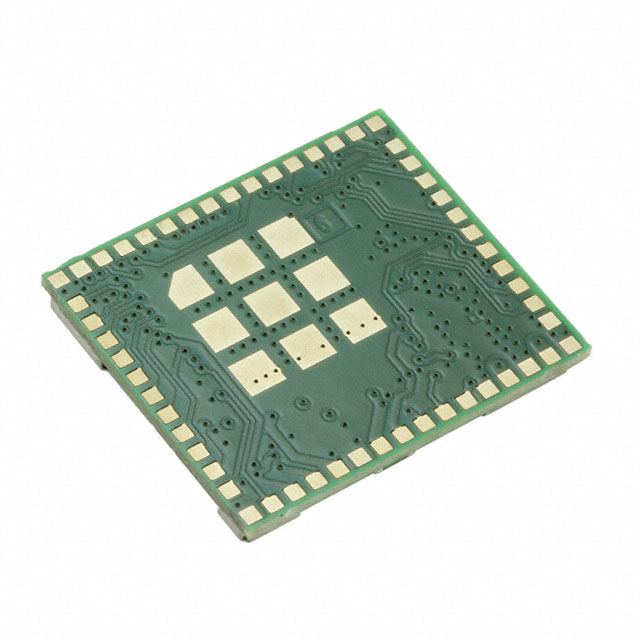
RF Transceiver ICs are semiconductor devices that consist of a transmitter and a receiver in a single package. Transceivers are designed to function proficiently within an RF family or standard such as AISG, Bluetooth, ISM, VHF, Wi-Fi, cellular, RADAR, 802.15.4 and Z-Wave. They are further classified by the type of modulation and the specific protocol versions. Some ICs include a built-in microcontroller.
 EFR32FG25B111F1152IM56-BRView Product
 CYW89570CWBGTView Product
 EFR32FG23A020F256GM40-BView Product
 DA16200-00000F22View Product
 EFR32FG13P232F512GM48-CRView Product
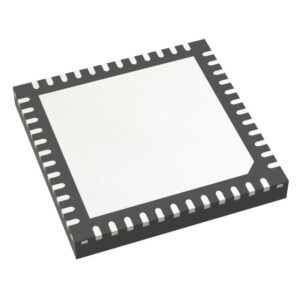 STM32WB35CCU7AView Product
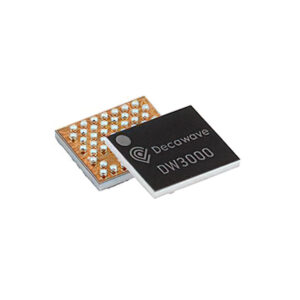 DW3120SQView Product
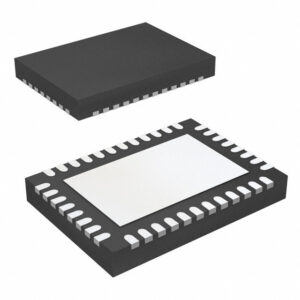 AX8052F143-2-TX30View Product
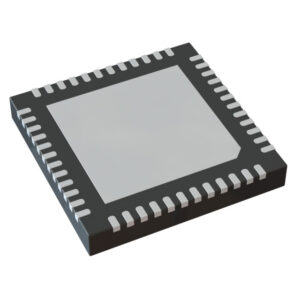 ATA5811C-PLQWView Product
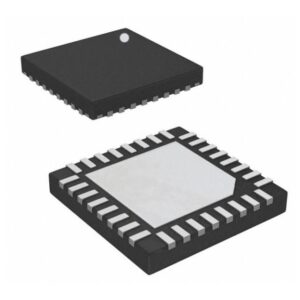 SX1255IWLTRTView Product
 NRF52840-CKAA-F-R7View Product
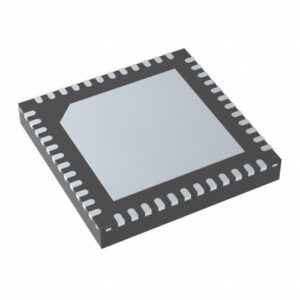 CC1314R106T0RGZRView Product
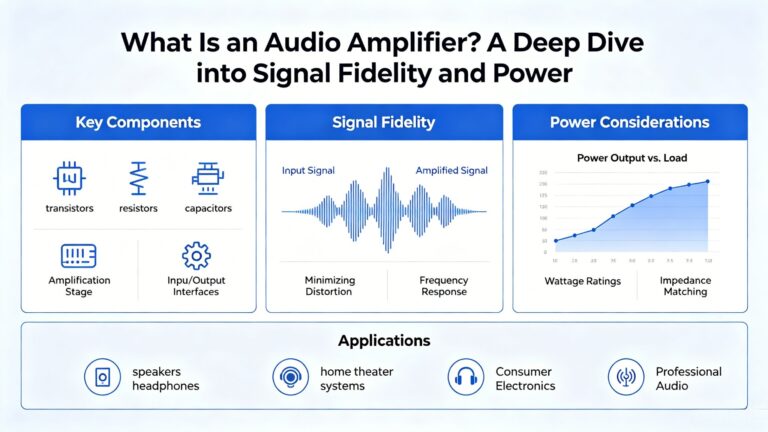
In the world of embedded electronics, getting a device to "think" is only half the battle. The other half is getting it to communicate…
Read More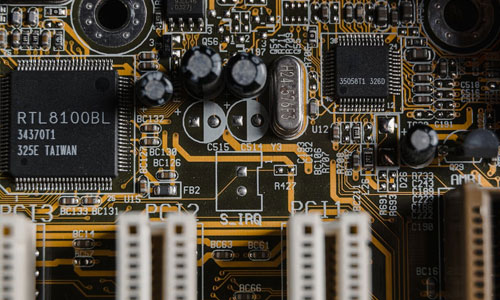
The rapid advancement of artificial intelligence (AI) is transforming industries across the globe, and the world of electronic components is no exception. From smarter…
Read More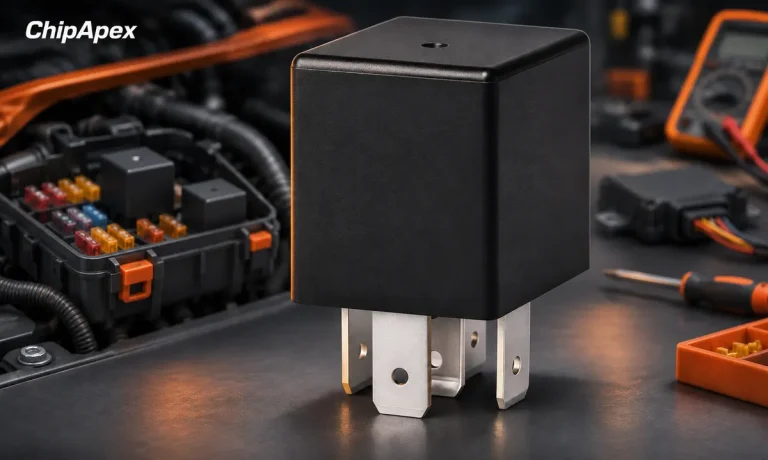
Understand automotive relay terminals, coil suppression and load ratings. Check inrush, socket compatibility and temperature before selecting a replacement.
Read More
In the world of electronics, memory components play a critical role in system performance—and DRAM (Dynamic Random-Access Memory) is one of the most widely…
Read More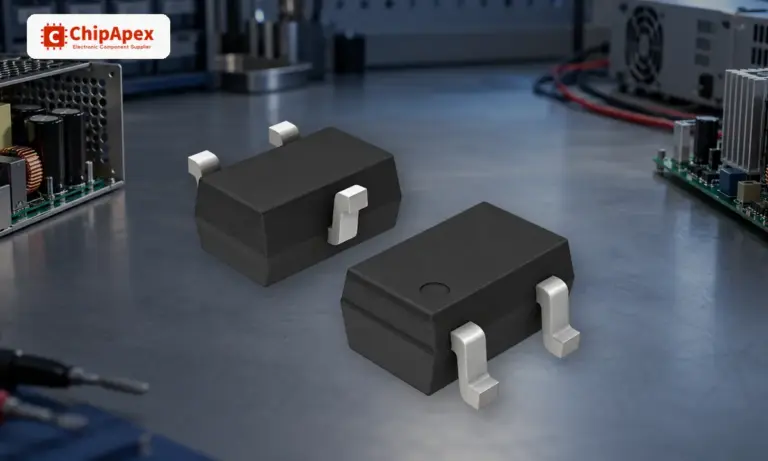
Learn how a diode conducts, how to identify anode and cathode, and when to choose rectifier, TVS, Zener or photodiode types for a circuit.
Read More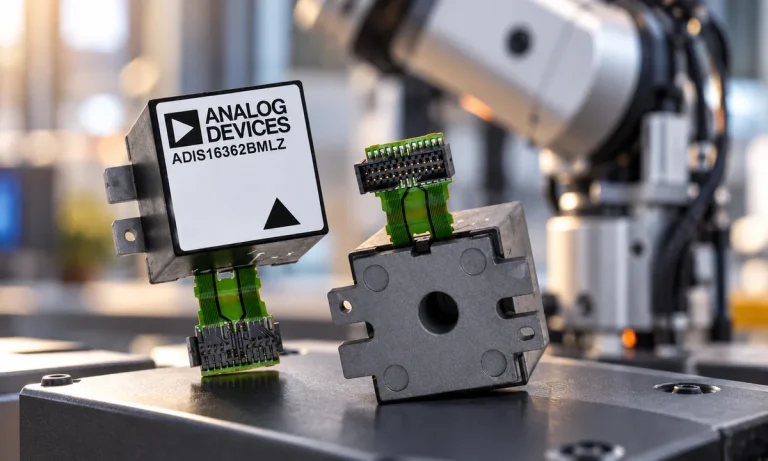
Learn what an IMU measures, how accelerometers and gyroscopes work together, why orientation estimates drift, and what to compare.
Read More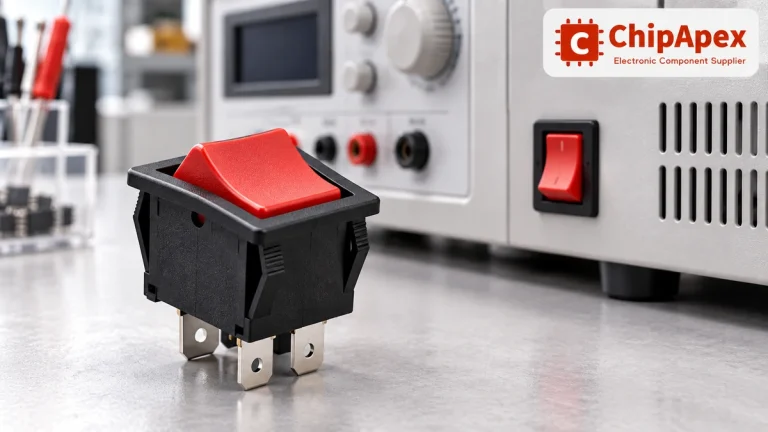
Choose a rocker switch by AC/DC ratings, contact arrangement, illumination, panel fit and sealing. Get practical checks for engineering and component sourcing.
Read More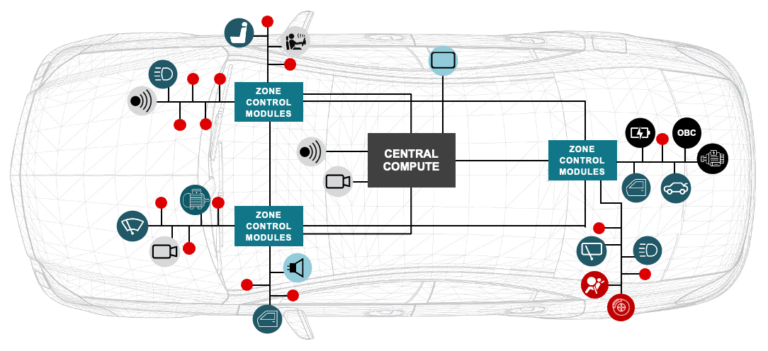
Las Vegas, January 6, 2026 — At the Consumer Electronics Show (CES) 2026, Texas Instruments (TI) (NASDAQ: TXN) announced a suite of next-generation semiconductor…
Read More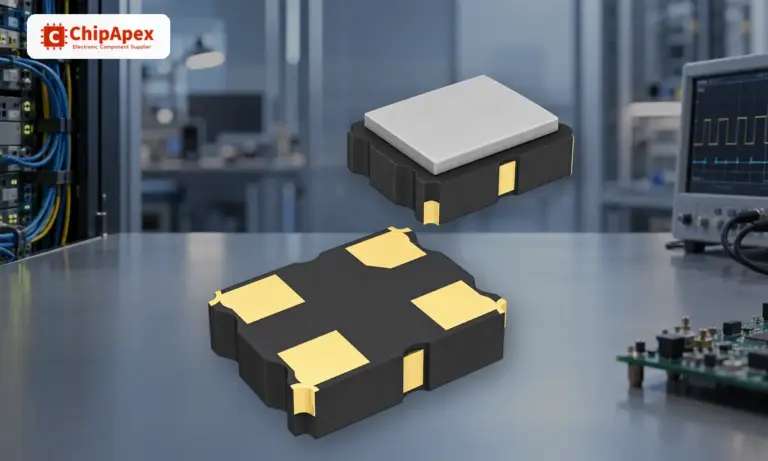
Understand how oscillators generate timing signals, how they differ from crystals, and which frequency, output and stability specs matter when choosing one.
Read More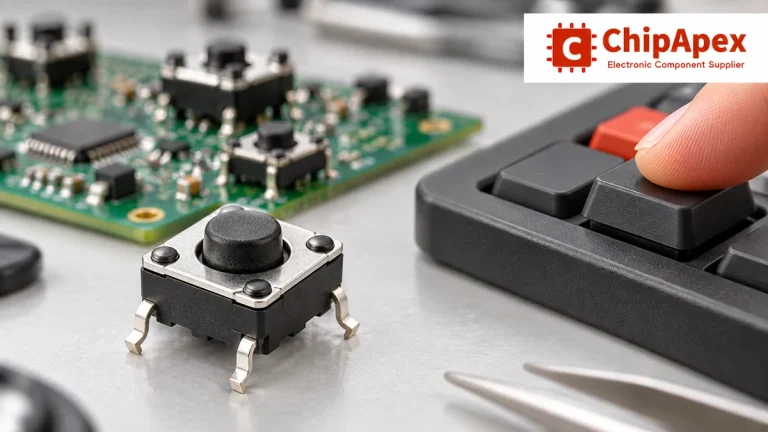
Understand tactile switches, PCB and keyboard differences, four-pin wiring, debounce, force, travel and replacement checks for reliable control inputs.
Read More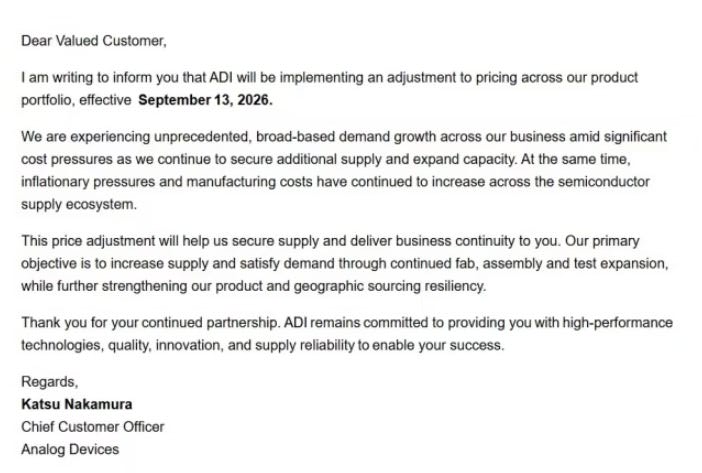
WILMINGTON, Mass. – August 11, 2026 — Analog Devices, Inc. (NASDAQ: ADI), the global leading supplier of high-performance analog, mixed-signal and digital signal processing…
Read More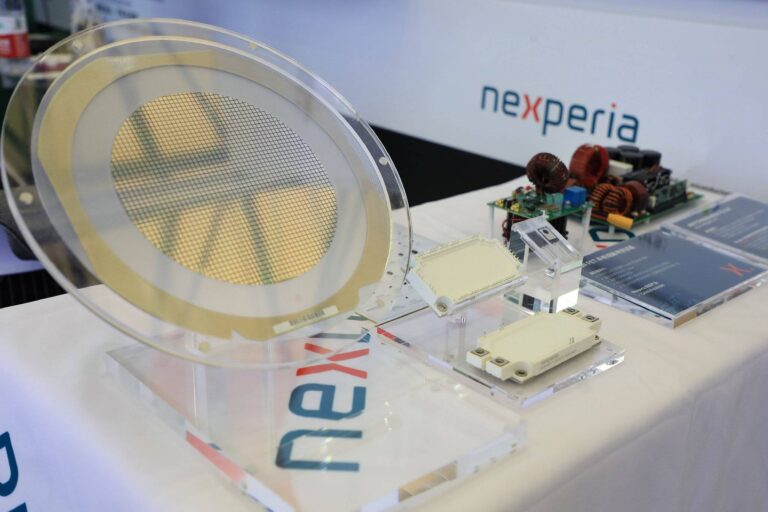
Dutch authorities announced on November 7 the lifting of control measures on Nexperia (formerly NXP Semiconductors' Standard Products division), marking the end of a…
Read More
The activity of extra discounts on wholesale prices is in full swing…
Please fill in your contact information and we will send you the latest wholesale price list.

