ChipApex | Global Electronic Components Supplier

SEARCH
Search Product
Search Post
Search productSearch post
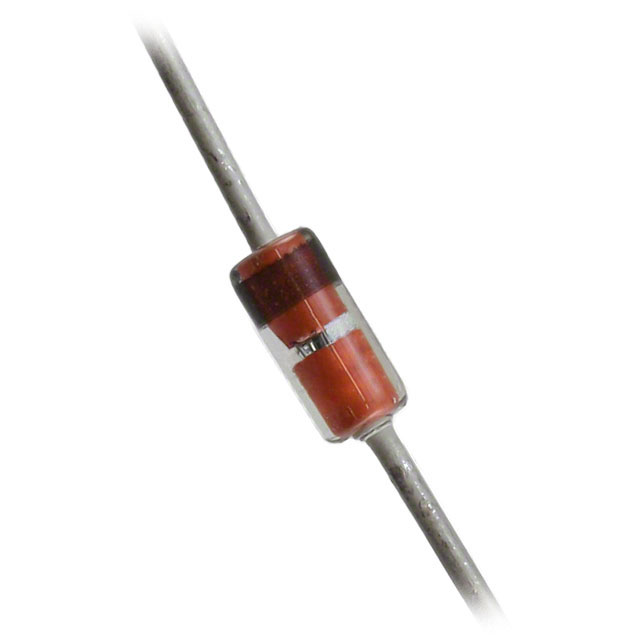
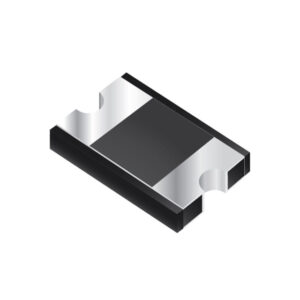
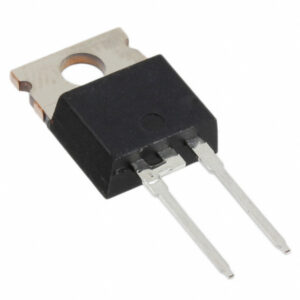
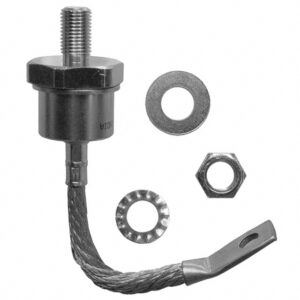
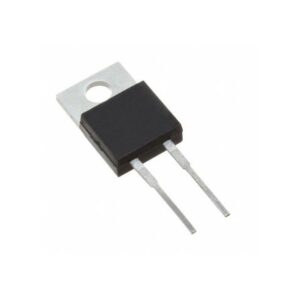
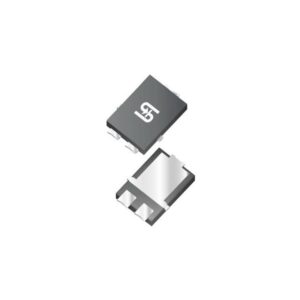
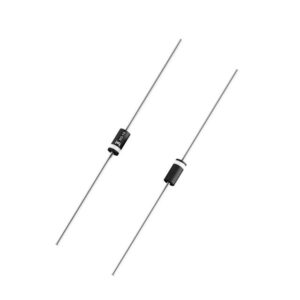
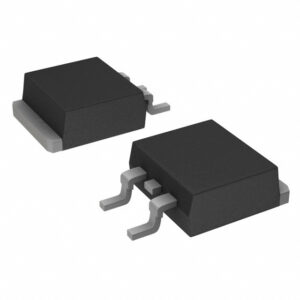
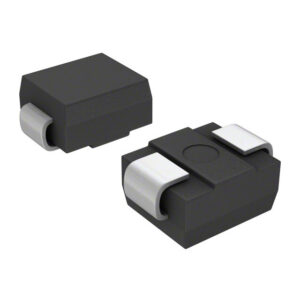
Standard Rectifier Diodes Standard Diodes (Silicon PN Junction) Standard diodes are the most basic type of rectifier diode, made from silicon with a PN junction. They’re commonly used in AC-to-DC converters, power rectification, and general circuit protection. These diodes typically have a forward voltage drop around 0.7V and are best suited for low-frequency switching. Their reverse recovery time (how quickly they stop conducting when switched off) is relatively slow, which limits their use in high-speed applications. They also have low reverse leakage current, which makes them reliable for steady-state operations. Schottky Barrier Diodes (SBD) Schottky diodes (SBDs) use a metal-semiconductor junction instead of a traditional PN junction, resulting in faster switching speeds and lower forward voltage drops—often between 0.2V and 0.4V. This makes them ideal for DC-DC converters, high-efficiency power supplies, and circuits where minimizing power loss is critical. However, one drawback of SBDs is their higher reverse leakage current, especially at elevated temperatures, which can be a concern in precision or battery-operated devices. Super Barrier Rectifiers (SBR) Super Barrier Rectifiers (SBRs) combine the best traits of standard diodes and Schottky diodes. They offer low forward voltage drop like SBDs, but with significantly lower reverse leakage current and improved reverse voltage handling. SBRs are well-suited for switching power converters, adapters, and automotive electronics, where energy efficiency and thermal stability are important. They’re often a better choice than Schottky diodes when the application involves higher ambient temperatures or larger voltage transients. Avalanche Diodes Avalanche diodes are designed to operate reliably in reverse breakdown mode, where they safely conduct current once a specific reverse voltage threshold is exceeded. Unlike standard diodes that can be damaged by breakdown, avalanche diodes are built to handle this condition repeatedly and predictably. In fast switching rectification, avalanche diodes are sometimes preferred over standard PN diodes because of their improved reverse recovery behavior, which reduces switching losses and improves overall converter efficiency. Their ability to withstand high reverse voltage transients without degradation makes them particularly suited for snubber circuits, flyback converters, and hard-switched topologies. Silicon Carbide (SiC) Diodes SiC diodes are built from silicon carbide, a wide-bandgap material that allows them to handle very high voltages (600V and up) and extreme temperatures (>150°C). They are ideal for industrial converters, electric vehicle chargers, solar inverters, and motor drives, especially in circuits requiring fast switching and zero reverse recovery time. Although more expensive than silicon-based diodes, their durability and efficiency at high voltages and frequencies often make them the best long-term choice in demanding applications.

On September 22nd, it was reported that Samsung Electronics, the South Korean tech giant, had successfully passed NVIDIA's certification test for its 12-layer HBM3E…
Read More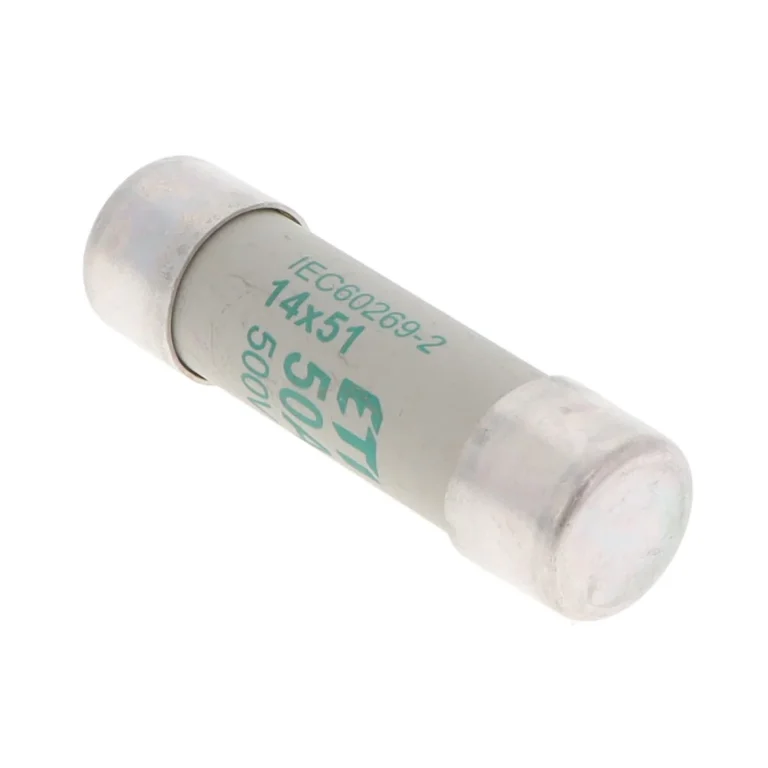
Understand HRC fuse breaking capacity, voltage and current ratings, time-current curves, and the checks needed for motor, feeder and converter protection.
Read More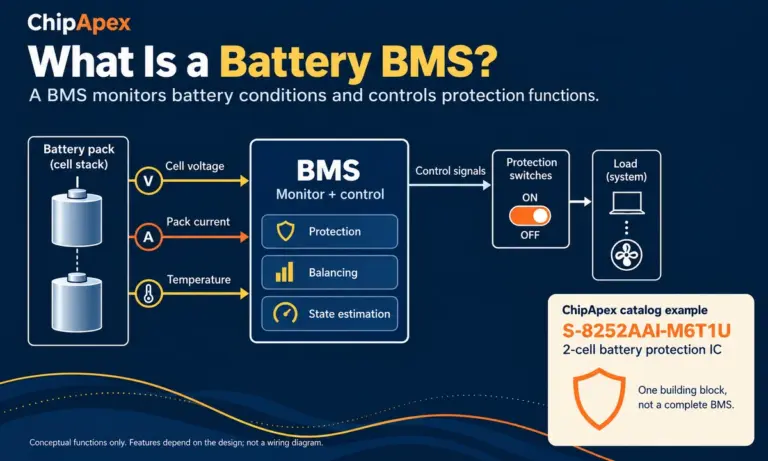
Learn what a battery BMS does, how protection differs from charging, and which pack specifications to check when sourcing BMS components through ChipApex.
Read More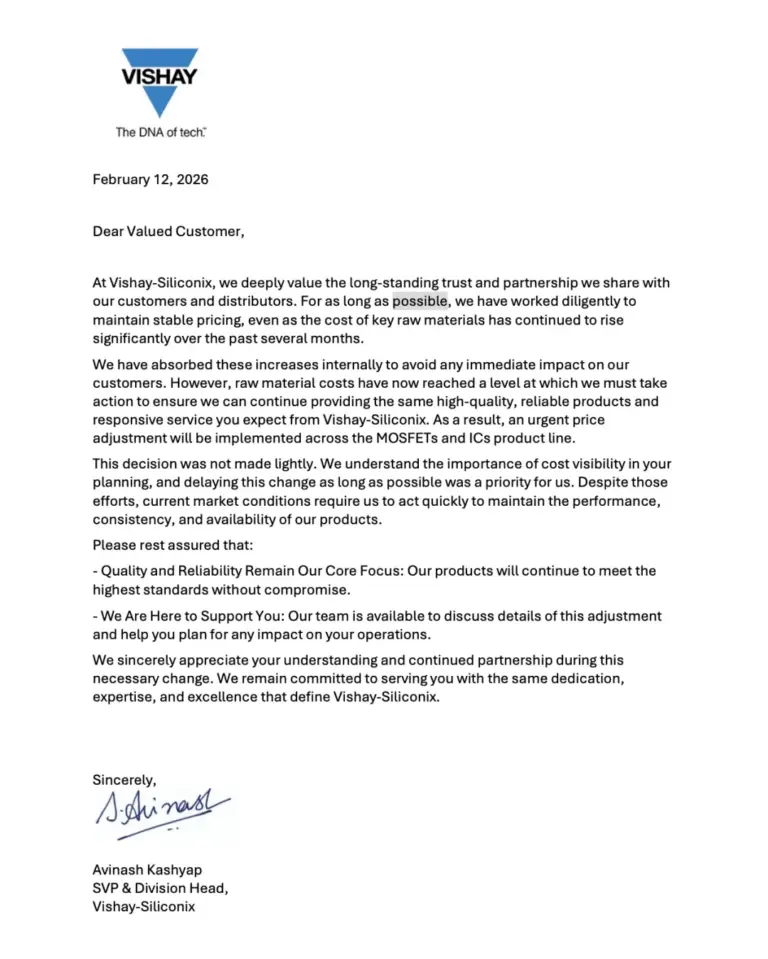
Vishay Intertechnology, Inc., a global leader in discrete semiconductors and passive electronic components, has officially announced a price adjustment for its Metal-Oxide-Semiconductor Field-Effect Transistors…
Read More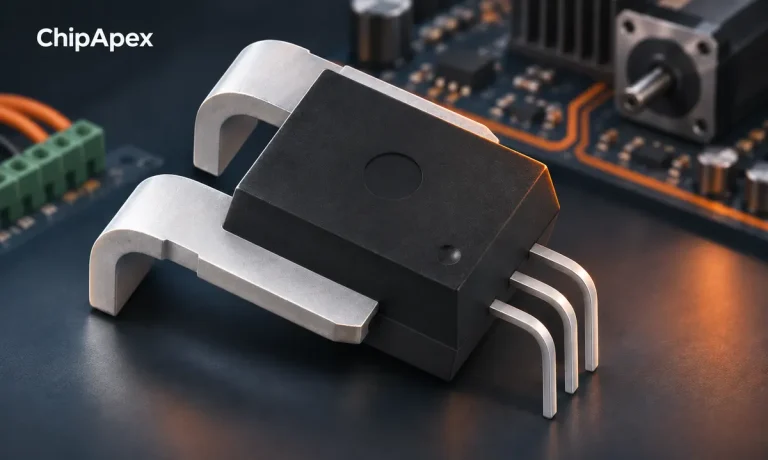
Compare Hall, shunt, current transformer and Rogowski sensing. Check AC/DC capability, accuracy, isolation, heat and response before selecting a sensor.
Read More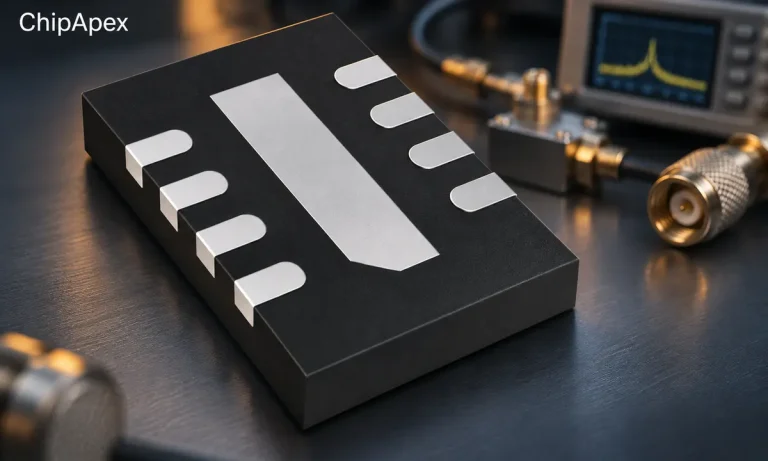
Understand RF detector response, dynamic range and calibration. Compare envelope, logarithmic and RMS behavior before choosing a measurement component.
Read More
Compare linear and switching voltage regulators with a worked power-loss example and practical checks for dropout, load transients, ripple, heat and EMI.
Read More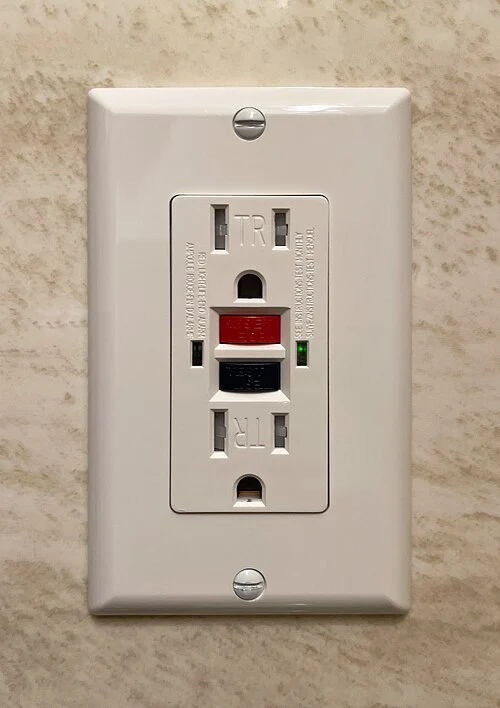
Compare standard breakers, GFCI receptacles and GFCI breakers, including the faults each detects and the ratings and listings to check before specifying.
Read More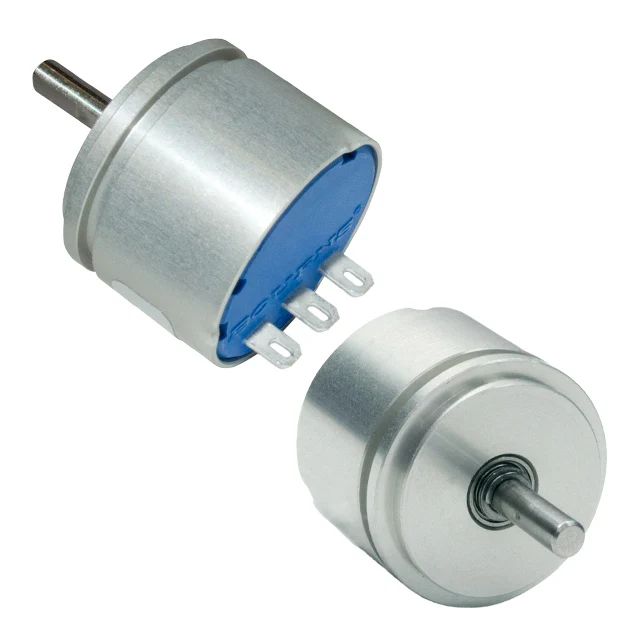
Learn how a TPS reports throttle angle to the ECU, compare potentiometer and magnetic sensors, and see what to verify before diagnosing or replacing…
Read More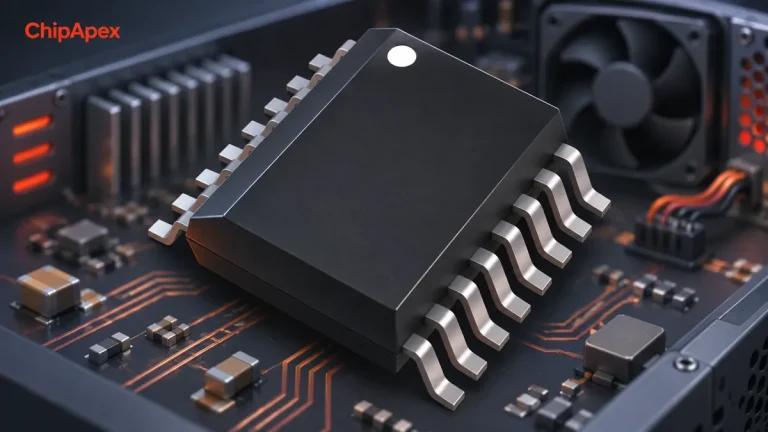
Plan electronics thermal management with power-loss estimates, thermal metrics, sensor placement and fan control. Check heat paths and validate your system.
Read More
Choose a solid-state relay by AC or DC load, leakage, switching mode and heat. Review practical SSR limits and prepare component requirements for ChipApex.
Read More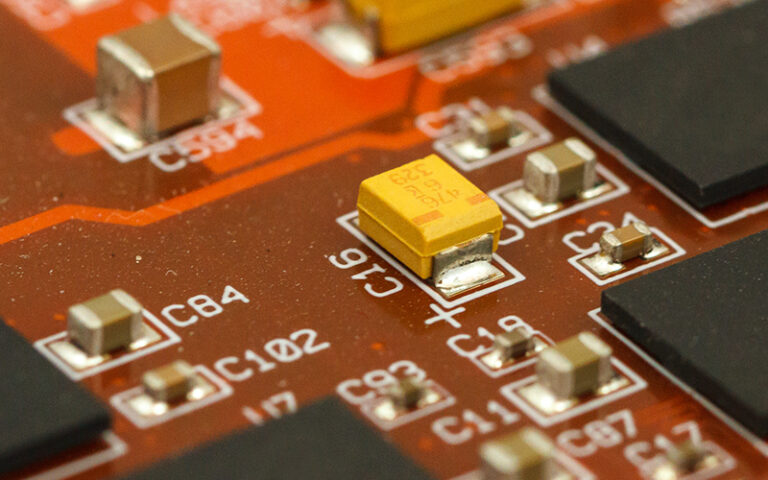
The global electronics industry is facing an escalating shortage of tantalum capacitors, a critical passive component, as surging demand from AI servers, automotive electronics,…
Read More
The activity of extra discounts on wholesale prices is in full swing…
Please fill in your contact information and we will send you the latest wholesale price list.