 ChipApex | Global Electronic Components Supplier

SEARCH
Search Product
Search Post
Search productSearch post
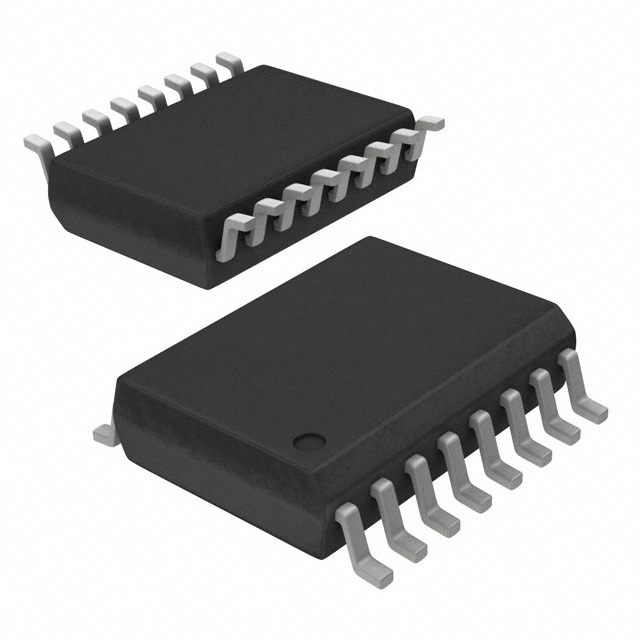
Real Time Clocks (RTCs) provide time and/or date information in almost any electronic device which needs to keep accurate time. The clock types are binary counter, clock/calendar/supervisor, elapsed time counter, phantom time chip, portable system controller, temperature recorder, time event recorder, and timer clock peripheral. They contain memory sizes ranging from 2 B to 2 MB and have interface options of I2C, Parallel, Serial, SPI, 1-Wire, 2-Wire, 3-Wire, and 4-Wire.
 ISL1208IB8Z-TKR5291View Product
 M41T00AUDD1FView ProductISL12027IBZView Product
 RA8900CE UB3View ProductRA8804CE XB3View Product
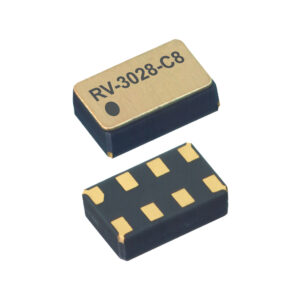 RV-3028-C8-32.768KHZ-1PPM-TA-QCView Product
 BU9873FVT-GE2View Product
 DS1501YN+View Product
 BQ4845YP-A4View Product
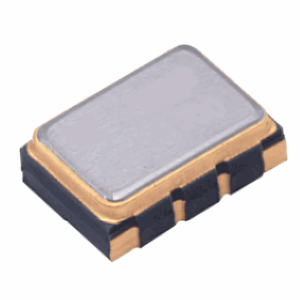 RX8901CE XB B00View Product
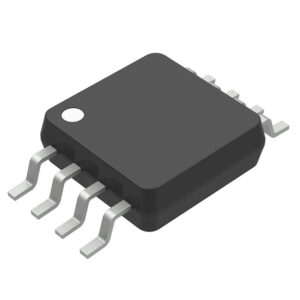 MCP79411T-I/MSView Product
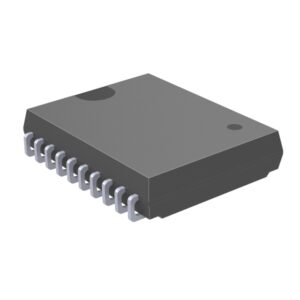 RTC-4574JE:B3 ROHSView Product
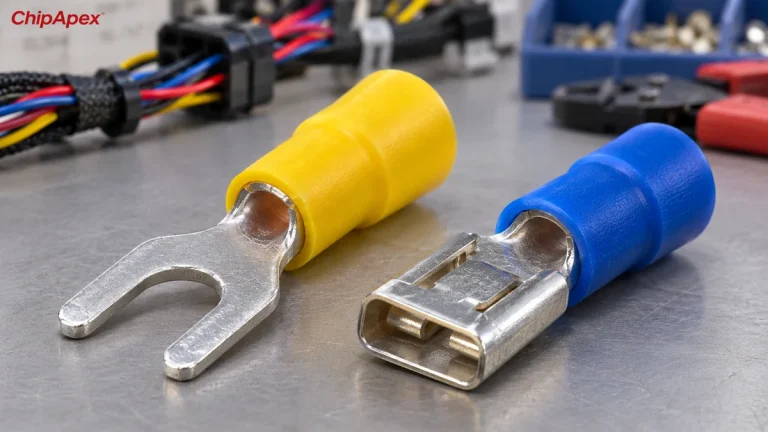
Identify fork terminals and flat-blade spade connectors. Match wire size, tab thickness, insulation and crimp tooling before selecting a replacement.
Read More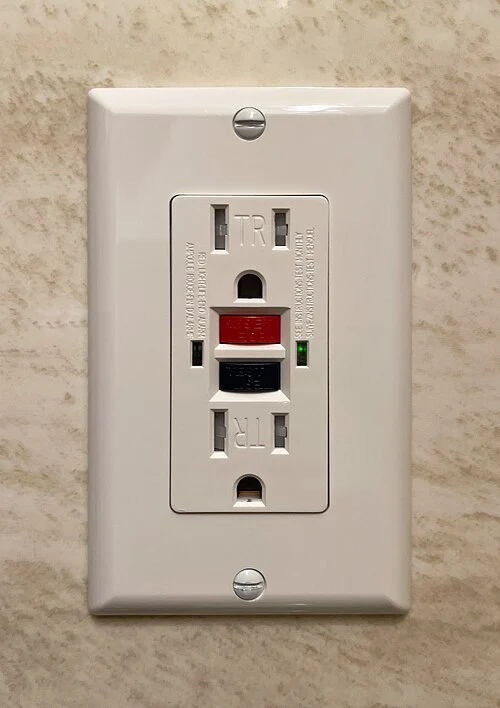
Compare standard breakers, GFCI receptacles and GFCI breakers, including the faults each detects and the ratings and listings to check before specifying.
Read More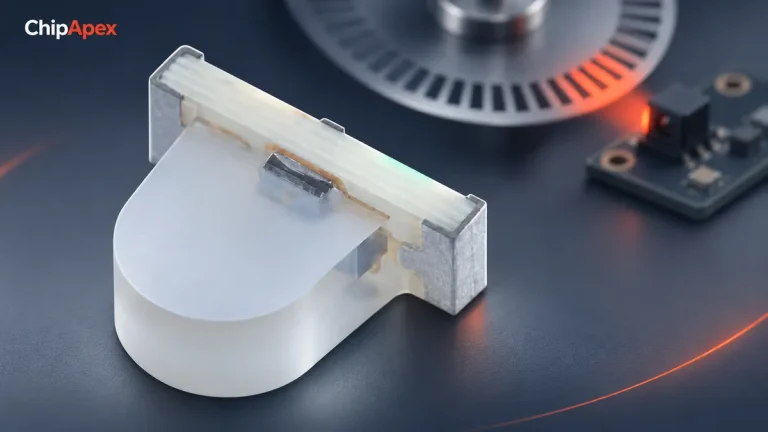
Understand phototransistor operation, load-resistor selection, saturation and response time. Compare detector types and prepare component sourcing requirements.
Read More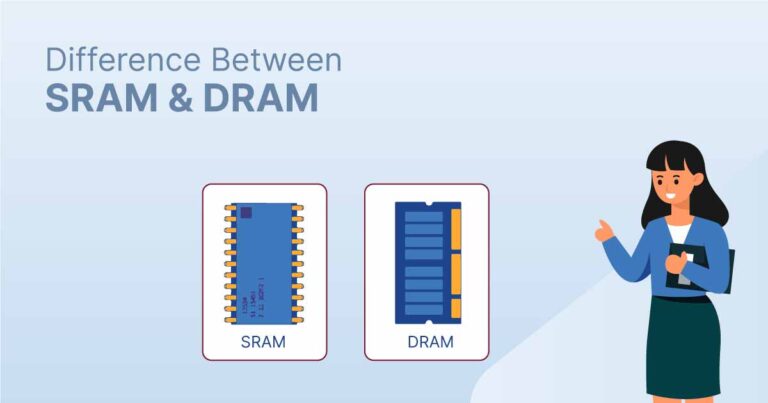
In an era dominated by AI accelerators with terabytes of HBM memory and consumer devices racing toward LPDDR5X bandwidth, it’s easy to wonder: why…
Read More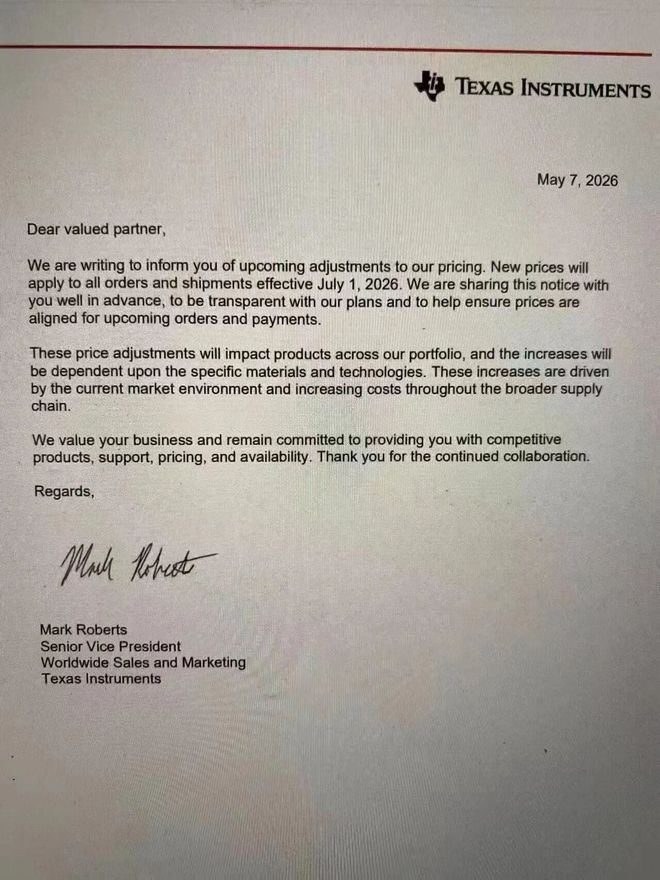
ChipApex – May 8, 2026 Texas Instruments (TI), the global leader in analog and embedded semiconductors, has officially notified customers of an upcoming company-wide…
Read More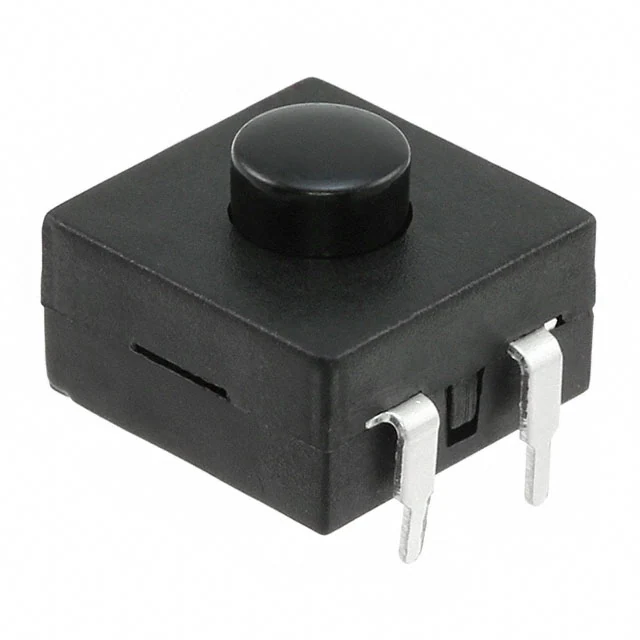
Compare momentary and latching push button switches. Check NO/NC contacts, micro-load current, illumination terminals, panel fit and replacement requirements.
Read More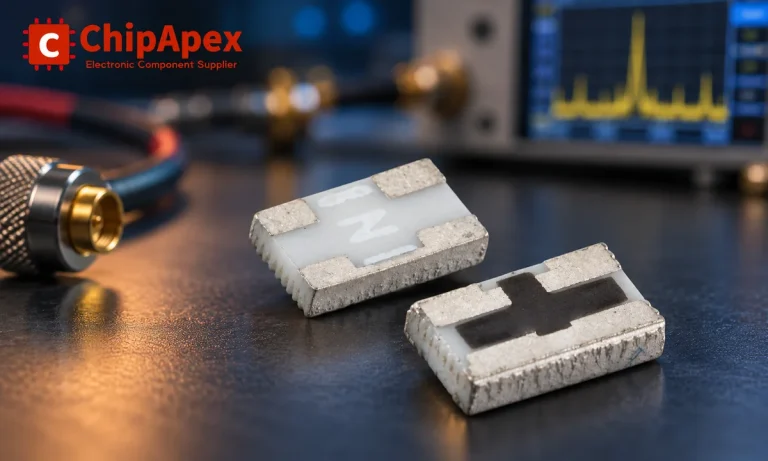
Understand RF attenuator dB values, fixed and programmable types, impedance, power limits and noise tradeoffs before choosing parts for an RF signal path.
Read More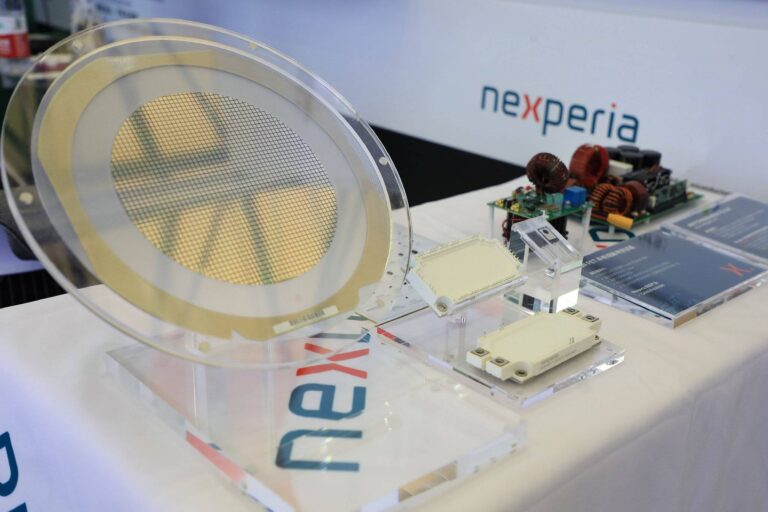
Dutch authorities announced on November 7 the lifting of control measures on Nexperia (formerly NXP Semiconductors' Standard Products division), marking the end of a…
Read More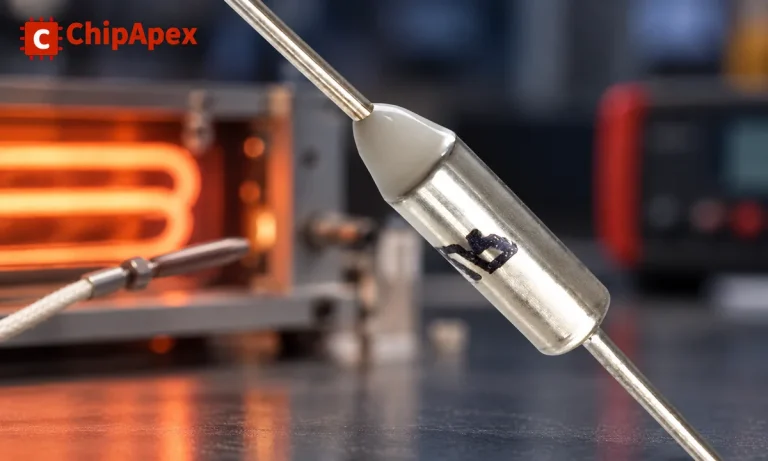
Understand thermal fuse operation, Tf, Th and Tm, electrical ratings and mounting. Check temperature limits and replacement requirements for your design.
Read More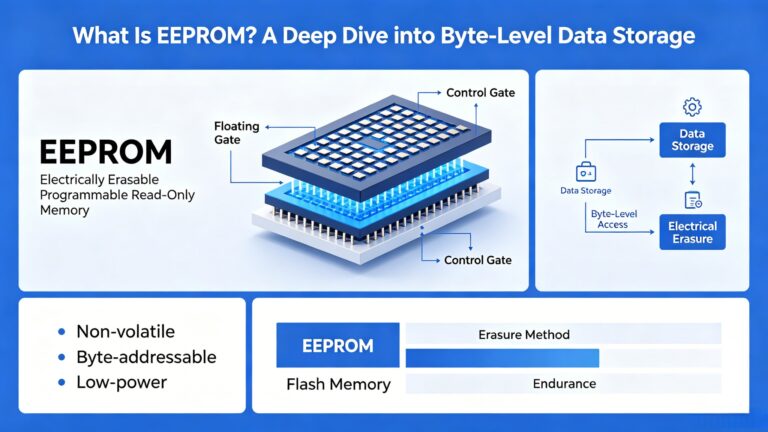
In the vast landscape of memory technology, EEPROM (Electrically Erasable Programmable Read-Only Memory) often plays the unsung hero. While NAND Flash grabs headlines for…
Read More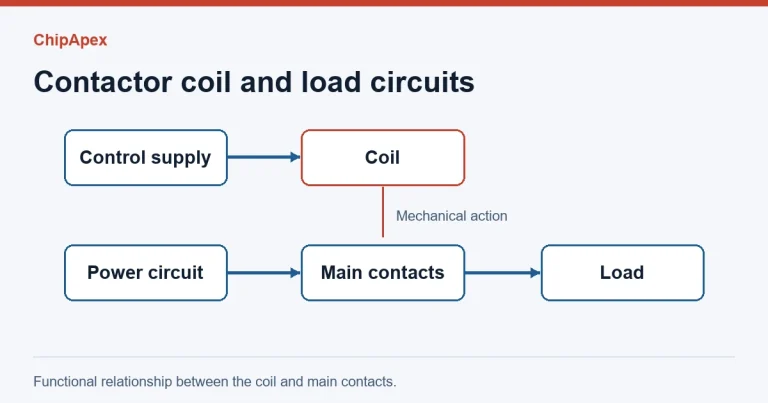
Learn what a contactor does, how it differs from a relay or starter, and how to check coil voltage, motor duty and protection before…
Read More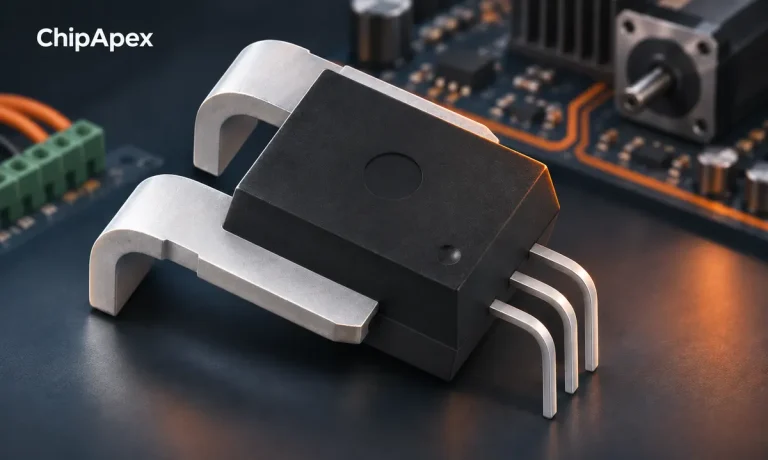
Compare Hall, shunt, current transformer and Rogowski sensing. Check AC/DC capability, accuracy, isolation, heat and response before selecting a sensor.
Read More
The activity of extra discounts on wholesale prices is in full swing…
Please fill in your contact information and we will send you the latest wholesale price list.

