 ChipApex | Global Electronic Components Supplier

SEARCH
Search Product
Search Post
Search productSearch post
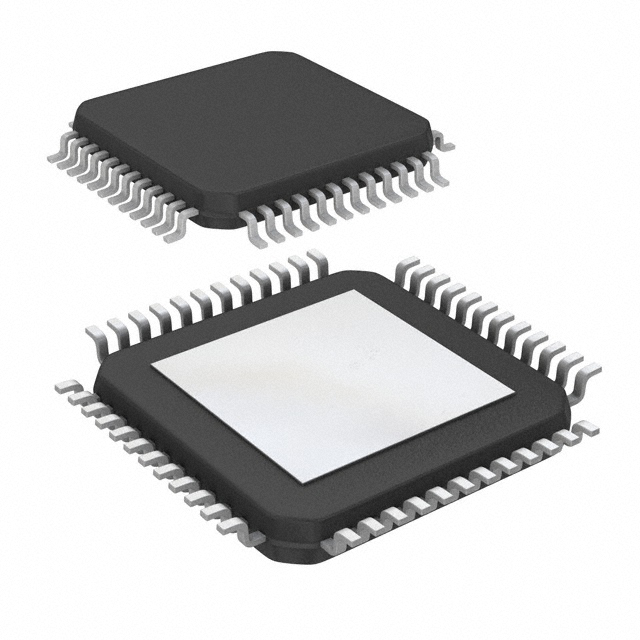
Products in this family are used for power manipulation, transformation, or conversion of some form, and are adapted for specific applications of an esoteric nature. Their feature sets are therefore highly varied, and include such things as air/fuel sensor interfaces, automotive alternator voltage regulation, DDR termination, liquid lens control, motorcycle turn signal control, thermoelectric (peltier) cooler control, piezo haptic control, valve control, small engine management, and others.
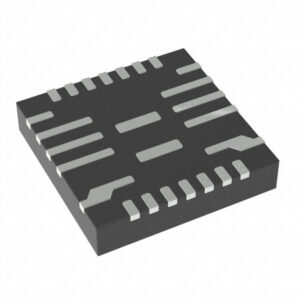 MPQ4488TGU-FD-AEC1-ZView Product
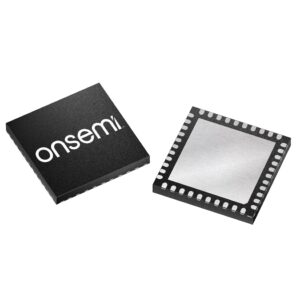 NCV81275AMNTXGView Product
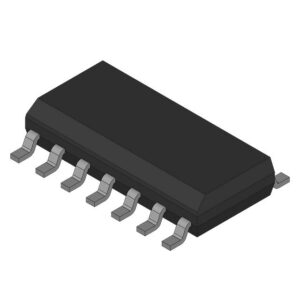 HIP6006CBView Product
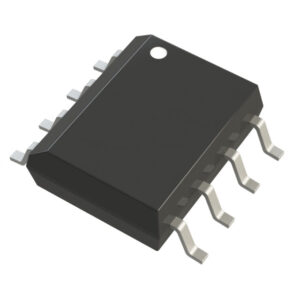 LTC1530IS8#TRPBFView Product
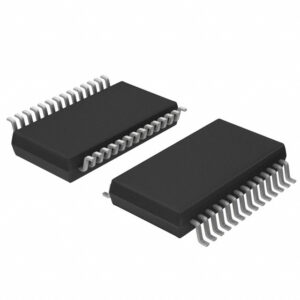 MAX1718EEIView Product
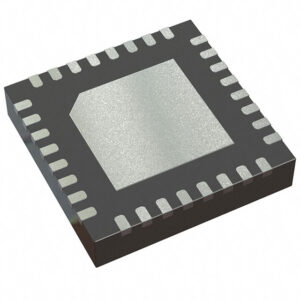 MAX8744ETJ+View Product
 NCP4202MNR2GView Product
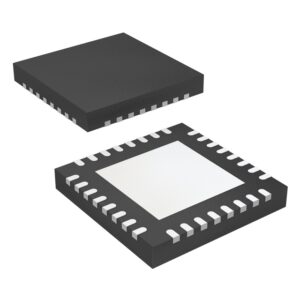 TPS51220ARTVTView ProductRAA229126AGNP#HA0View Product
 IRU1075CMTRView Product
 LP2995MX/J5000192View Product
 ISL6277HRZView Product
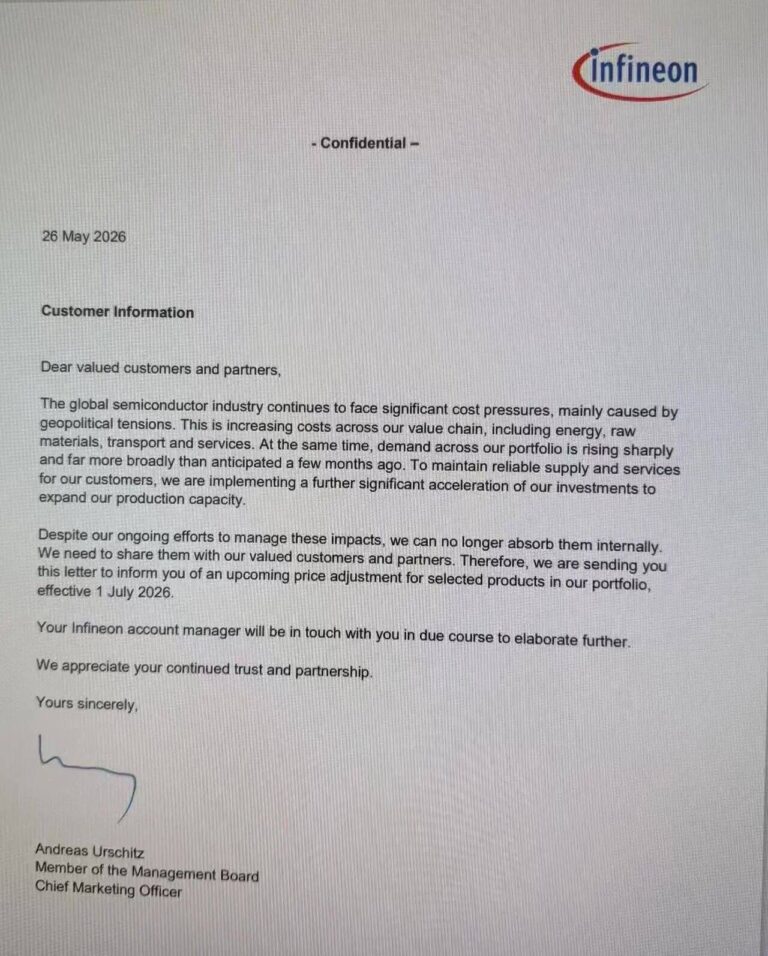
Munich, Germany – May 26, 2026 – Power semiconductor and automotive chip giant Infineon Technologies AG has formally notified customers worldwide of a second…
Read More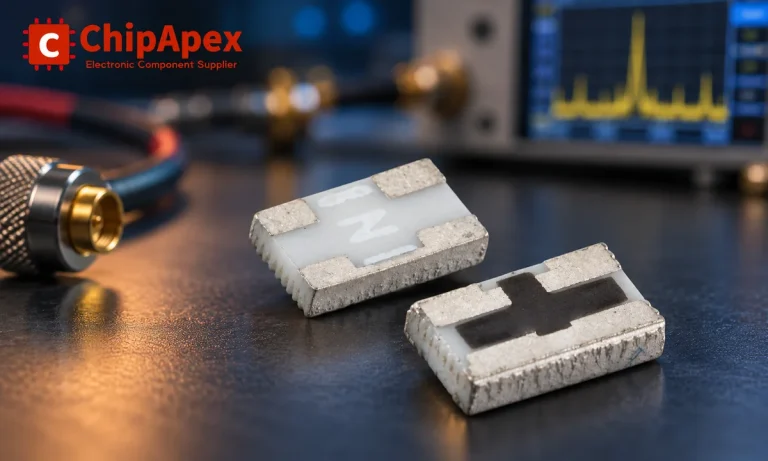
Understand RF attenuator dB values, fixed and programmable types, impedance, power limits and noise tradeoffs before choosing parts for an RF signal path.
Read More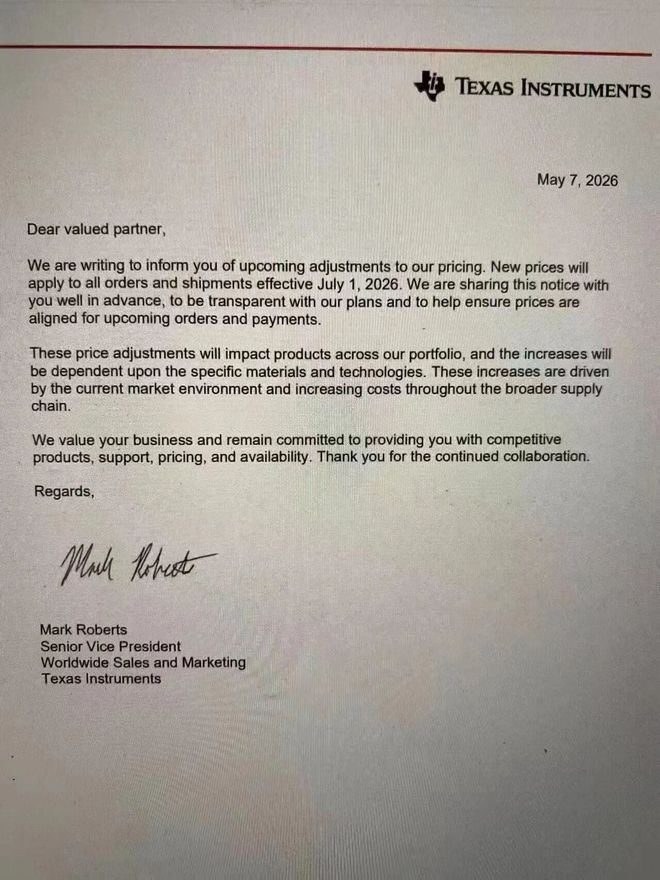
ChipApex – May 8, 2026 Texas Instruments (TI), the global leader in analog and embedded semiconductors, has officially notified customers of an upcoming company-wide…
Read More
Calculate high-side and low-side local oscillator frequencies, locate the receiver image and check how much LO drive reaches the RF mixer input port.
Read More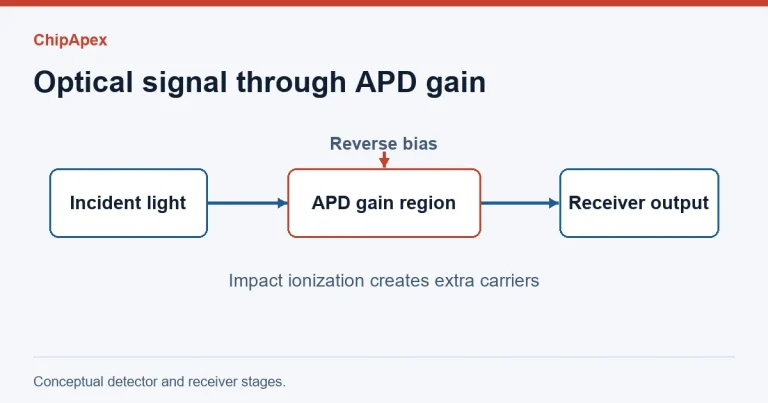
See how avalanche photodiodes multiply photocurrent and compare APD and PIN detectors by gain, noise, bias, bandwidth and operating temperature.
Read More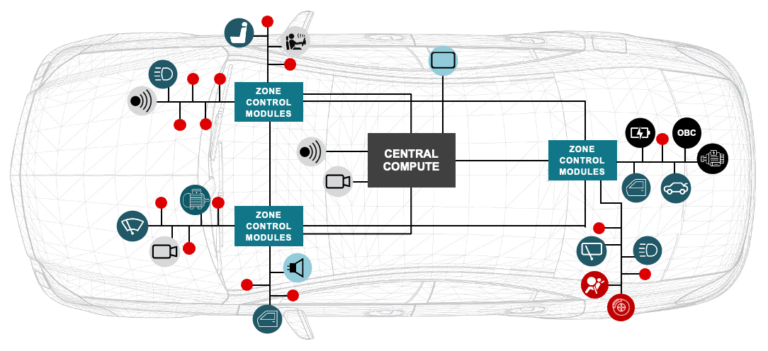
Las Vegas, January 6, 2026 — At the Consumer Electronics Show (CES) 2026, Texas Instruments (TI) (NASDAQ: TXN) announced a suite of next-generation semiconductor…
Read More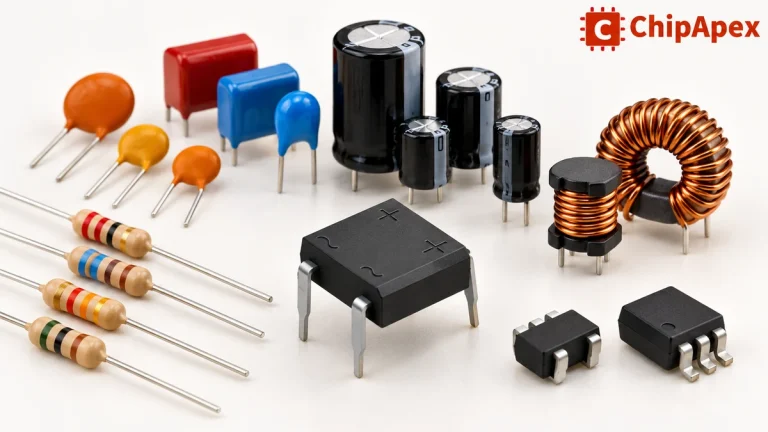
Explore electronic component types, functions, packages and datasheets. Learn selection, replacement and BOM checks before ordering parts for your PCB.
Read More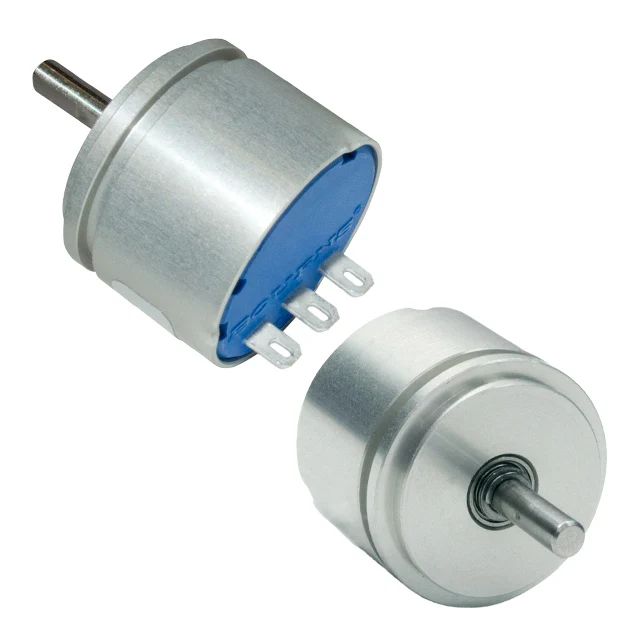
Learn how a TPS reports throttle angle to the ECU, compare potentiometer and magnetic sensors, and see what to verify before diagnosing or replacing…
Read More
Learn what data acquisition means, from sensors and conditioning to sampling and storage. Review channel timing, wiring, calibration and data quality.
Read More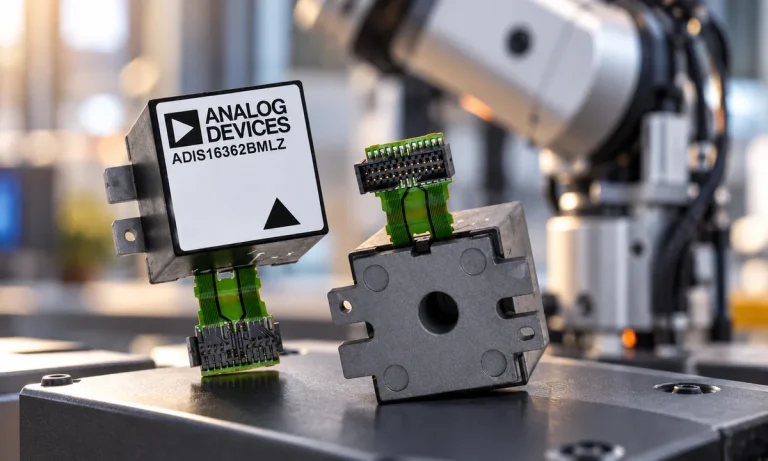
Learn what an IMU measures, how accelerometers and gyroscopes work together, why orientation estimates drift, and what to compare.
Read More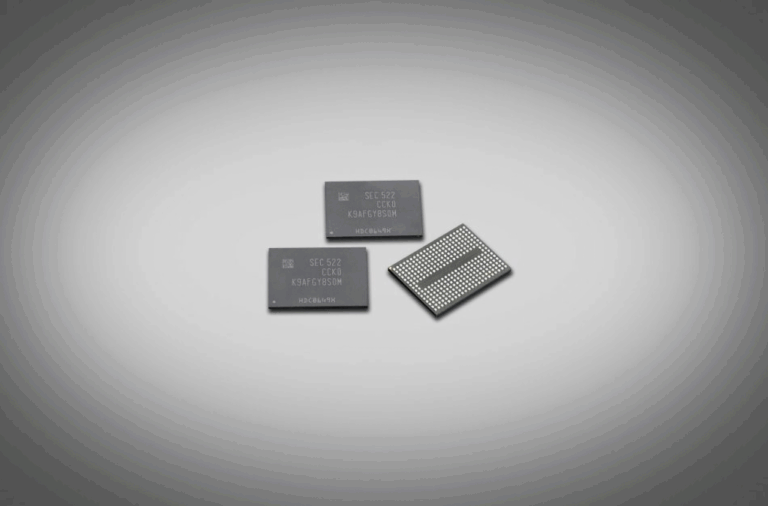
Date: May 13, 2026 The global memory industry is facing an unprecedented supply crunch in legacy MLC NAND Flash. Leading manufacturers including Samsung Electronics…
Read More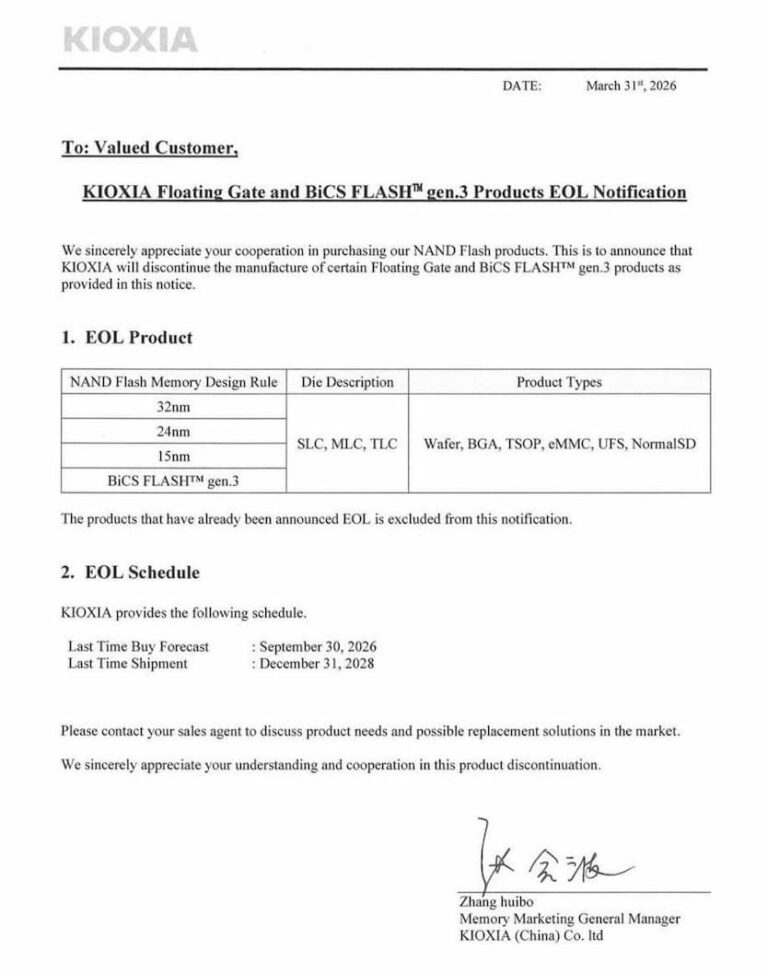
TOKYO, April 1, 2026 – Kioxia Corporation (formerly Toshiba Memory Corporation), a global leader in flash memory and storage solutions, has officially issued a…
Read More
The activity of extra discounts on wholesale prices is in full swing…
Please fill in your contact information and we will send you the latest wholesale price list.

