 ChipApex | Global Electronic Components Supplier

SEARCH
Search Product
Search Post
Search productSearch post
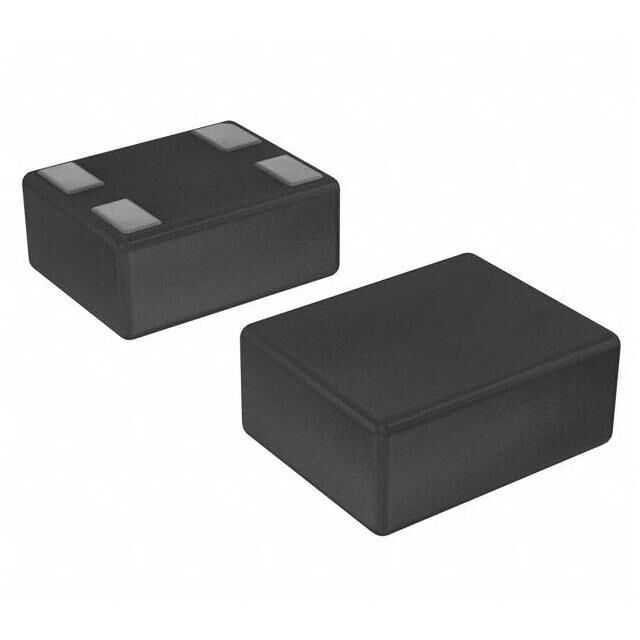
Products in the programmable oscillator family are devices used as frequency or time reference sources, but which produce an output that is pre-configured or user configurable over a relatively wide range of frequency. Like fixed oscillator products, they integrate a basic time/frequency reference source along with the support components necessary for its operation.
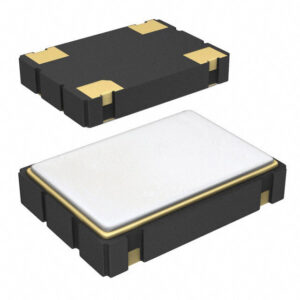 SG-9101CA-C02PHDBAView Product
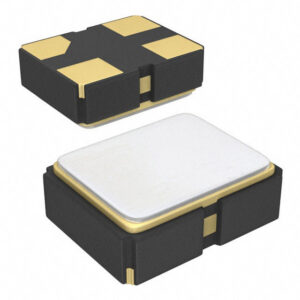 SG-9101CE-D10PGCBCView Product
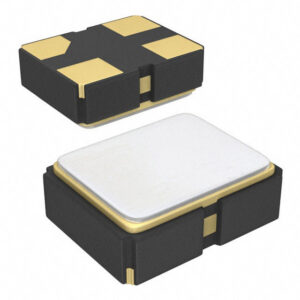 SG-9101CB-C02PGDBBView Product
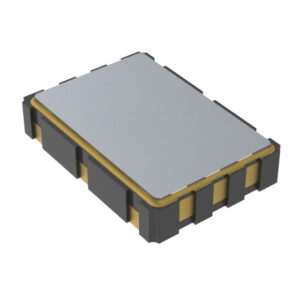 511QCB-BAAGView ProductSG-9101CB-C05PGCABView ProductSG-9101CE-C07SGAAAView Product
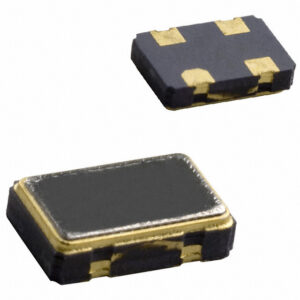 CPPLT5-LT5PTView ProductSG-9101CA-C02PHCCCView ProductSG-9101CE-D15PHDACView Product
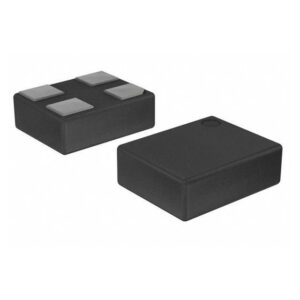 DSC1500JA3A-PROGBView ProductSG-9101CA-D40PGCABView ProductSG-9101CA-D20SGCCAView Product
In the embedded world, general-purpose CPUs are great at running operating systems, and MCUs excel at logic control. But when you need to process…
Read More
Selecting the right microcontroller (MCU) isn’t just about specs—it’s about balancing performance, power, cost, and supply chain reliability. As an engineer, you’ve probably faced…
Read More
Compare rheostat and potentiometer wiring and functions. Understand divider loading, wiper current, track power and practical component selection.
Read More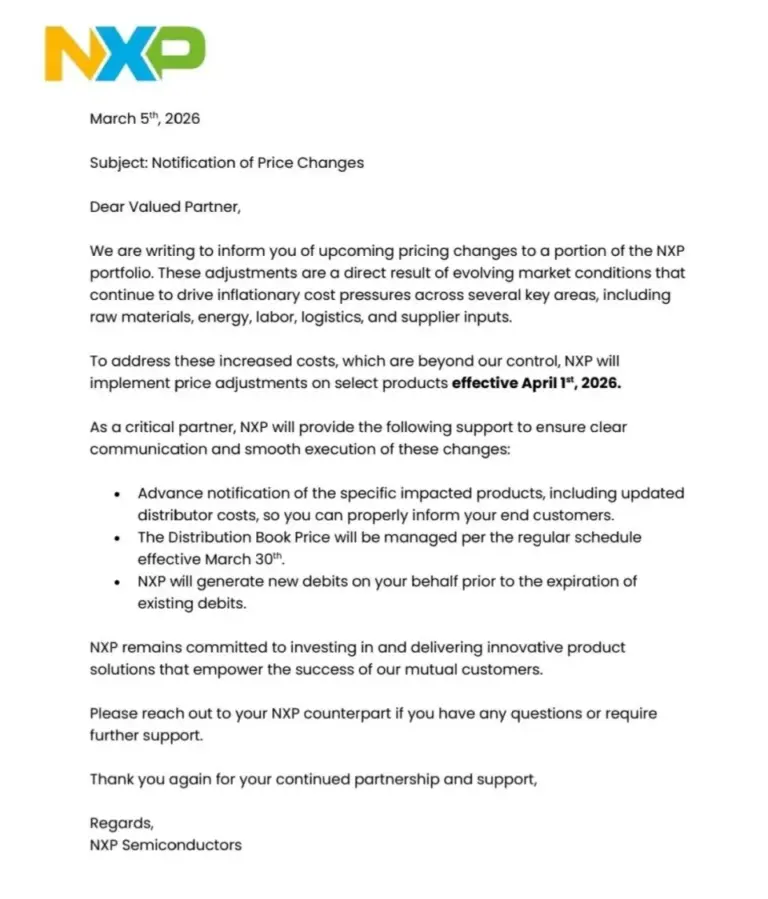
NXP Semiconductors (NASDAQ: NXPI), a global leader in automotive, industrial, and IoT semiconductors, has officially notified customers of an upcoming price adjustment for select…
Read More
On October 1, 2025 local time, OpenAI, an artificial intelligence research company, announced the establishment of a cooperative relationship with Samsung Electronics and SK…
Read More
Identify fork terminals and flat-blade spade connectors. Match wire size, tab thickness, insulation and crimp tooling before selecting a replacement.
Read More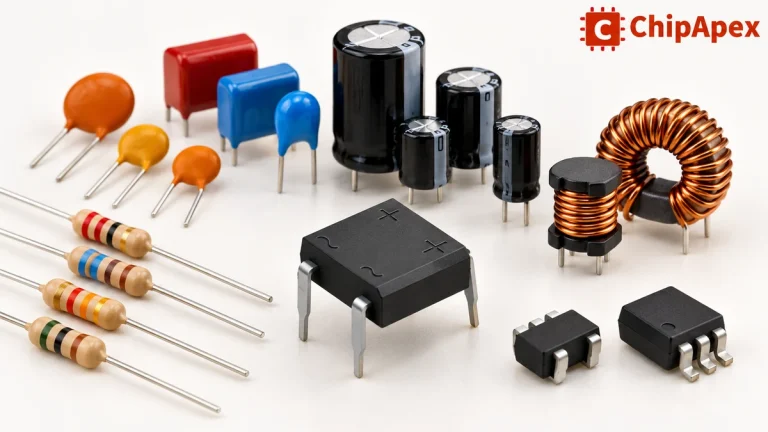
Explore electronic component types, functions, packages and datasheets. Learn selection, replacement and BOM checks before ordering parts for your PCB.
Read More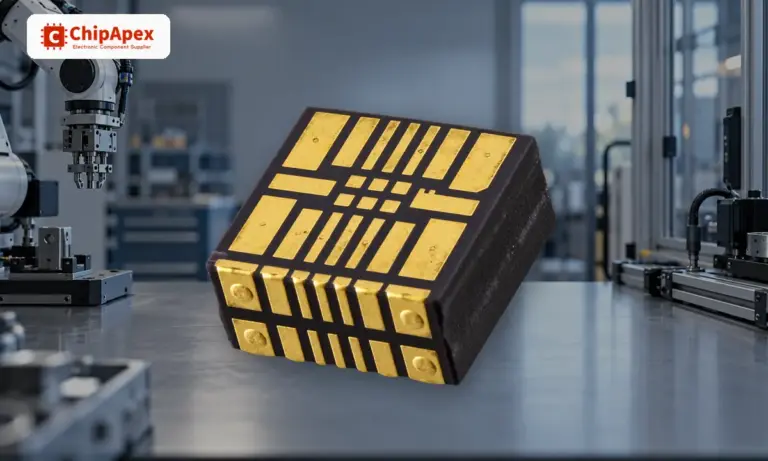
See how a MEMS gyroscope measures angular rate, why its angle estimate drifts, and which range, noise, interface and temperature specs to compare.
Read More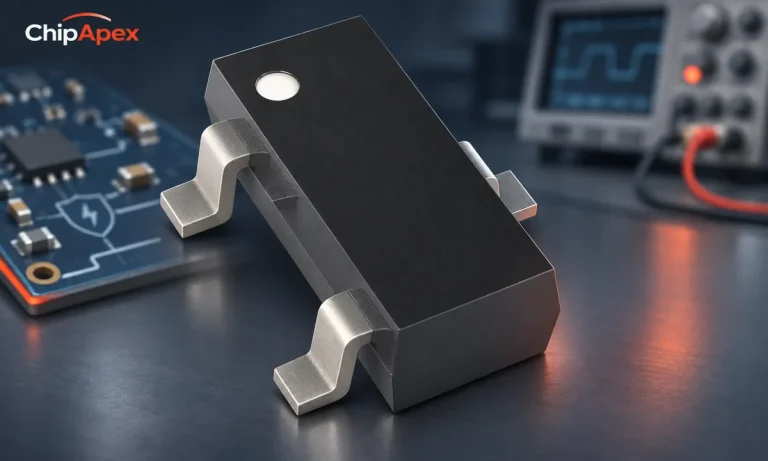
Learn how a Zener diode regulates voltage. Calculate resistor current and power, check tolerance and temperature, and distinguish Zener and TVS applications.
Read More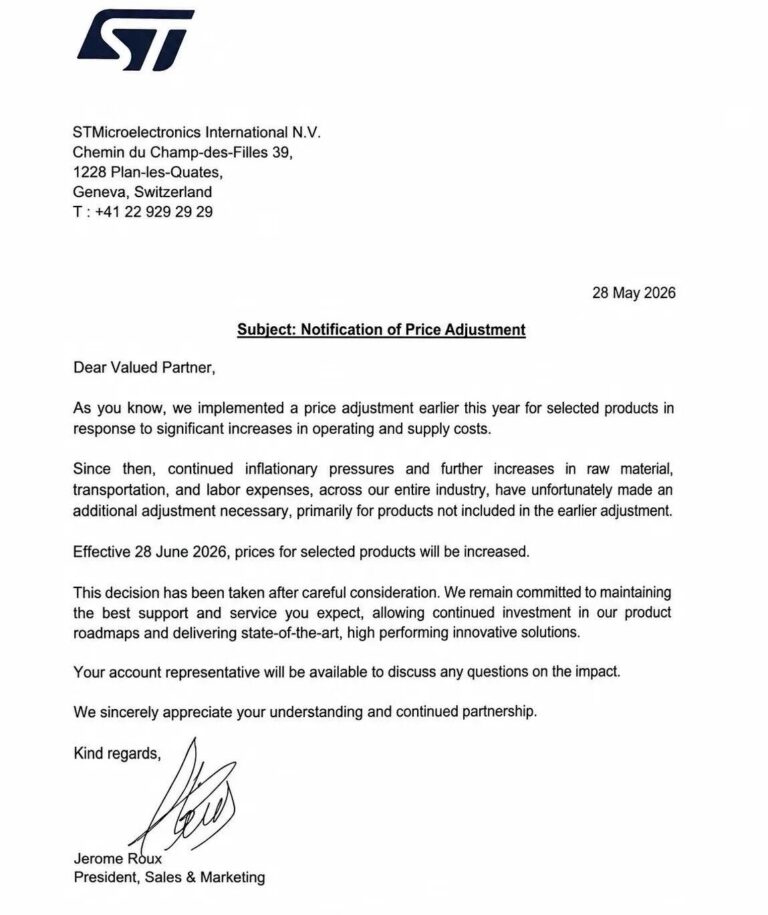
STMicroelectronics (ST), a global leader in semiconductor manufacturing, has officially notified customers of a new round of price increases for selected products, set to…
Read More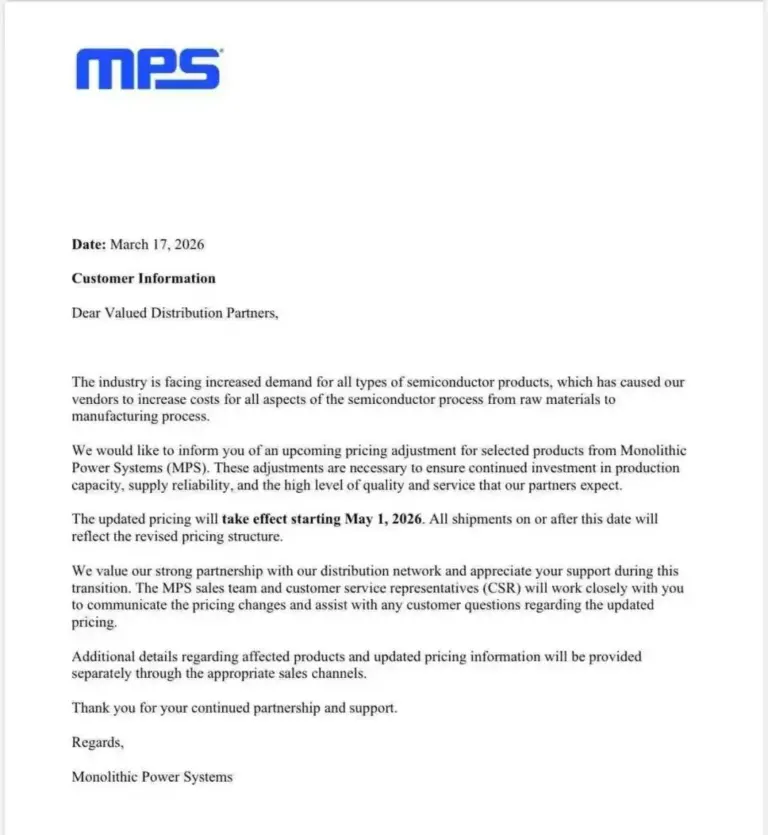
Monolithic Power Systems (MPS), a global leader in analog and mixed-signal semiconductors, has notified its distribution partners of an upcoming price increase for selected…
Read More
As the backbone of modern technology, electronic components are undergoing revolutionary changes, driven by advancements in materials science, miniaturization, and smart manufacturing. From ultra-efficient…
Read More
The activity of extra discounts on wholesale prices is in full swing…
Please fill in your contact information and we will send you the latest wholesale price list.

