 ChipApex | Global Electronic Components Supplier

SEARCH
Search Product
Search Post
— IC芯片 | 连接器 | 传感器 | 被动器件 —
Search productSearch post
— IC芯片 | 连接器 | 传感器 | 被动器件 —
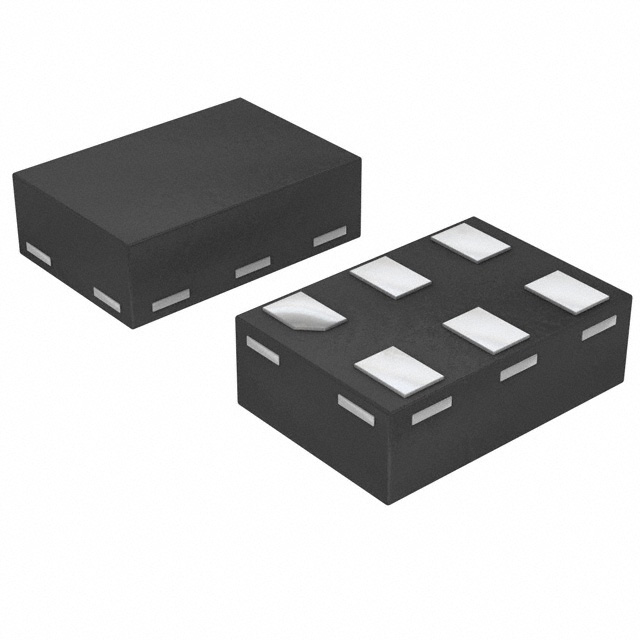
Logic buffers, drivers, receivers and transceivers allow isolated access to logic signals from one circuit for use in another circuit. Buffers pass their input signal, either unchanged or inverted, to their output and may be used to clean up a weak signal or drive a load. In a boolean logic simulator, a buffer is mainly used to increase propagation delay. Logic receivers and transceivers allow isolated communication between data buses.
| Select products | Mfr | Description | Package | Supplier Device Package | Mounting Type | Series | Operating Temperature |
|---|---|---|---|---|---|---|---|
 SN74LVC244ADWRE4 $0.32 | Texas Instruments | IC BUF NON-INVERT 3.6V 20SOIC | Tape & Reel (TR) | 20-SOIC | Surface Mount | 74LVC | -40°C ~ 125°C (TA) |
 SN74LVC244ADWRG4 $0.66 | Texas Instruments | IC BUF NON-INVERT 3.6V 20SOIC | Tape & Reel (TR),Cut Tape (CT) | 20-SOIC | Surface Mount | 74LVC | -40°C ~ 125°C (TA) |
 SN74LVC244AGQNR $0.26 | Texas Instruments | IC BUFFER NON-INVERT 3.6V 20BGA | Tape & Reel (TR),Bulk | 20-BGA MICROSTAR JUNIOR (4x3) | Surface Mount | 74LVC | -40°C ~ 85°C (TA) |
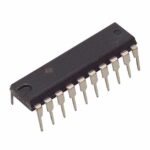 SN74LVC244AN $0.76 | Texas Instruments | IC BUF NON-INVERT 3.6V 20DIP | Bulk,Tube | 20-PDIP | Through Hole | 74LVC | -40°C ~ 125°C (TA) |
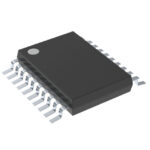 SN74LVC244ANSR $0.74 | Texas Instruments | IC BUFFER NON-INVERT 3.6V 20SO | Tape & Reel (TR),Cut Tape (CT) | 20-SO | Surface Mount | 74LVC | -40°C ~ 125°C (TA) |
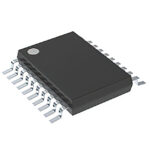 SN74LVC244APW $0.94 | Texas Instruments | IC BUF NON-INVERT 3.6V 20TSSOP | Tube | 20-TSSOP | Surface Mount | 74LVC | -40°C ~ 125°C (TA) |
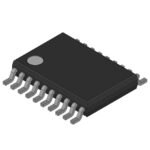 SN74LVC244APWE4 $0.54 | Texas Instruments | IC BUF NON-INVERT 3.6V 20TSSOP | Tube | 20-TSSOP | Surface Mount | 74LVC | -40°C ~ 125°C (TA) |
SN74LVC244APWG4 $0.94 | Texas Instruments | IC BUF NON-INVERT 3.6V 20TSSOP | Tube | 20-TSSOP | Surface Mount | 74LVC | -40°C ~ 125°C (TA) |
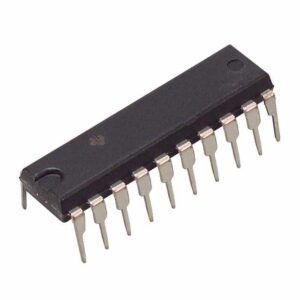 SN74ABT244ANView Product
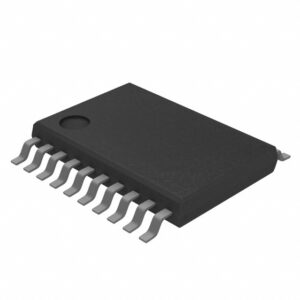 SN74HC240APWView Product
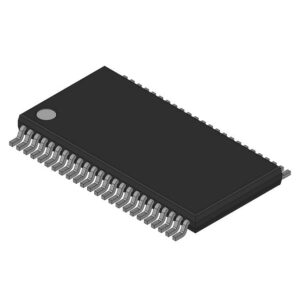 74ABT16541CMTDView Product
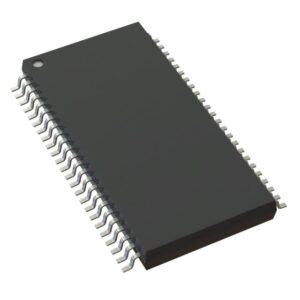 74LVT16240ADGG,512View Product
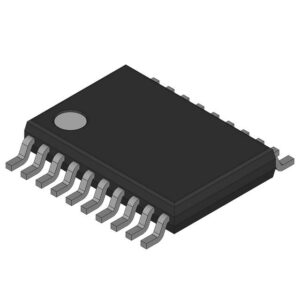 74LVT640PW,118View Product
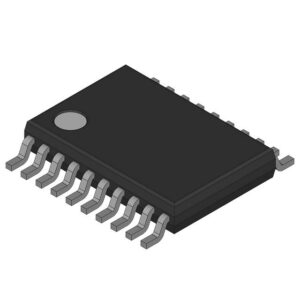 SN74AC240PWRView Product
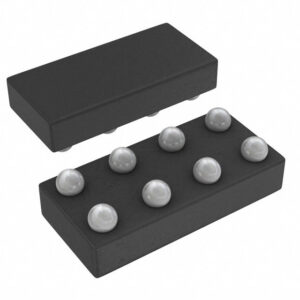 SN74LVC3G17YZPRView Product
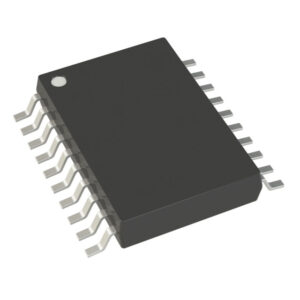 IDT74FCT540ATPYGView Product
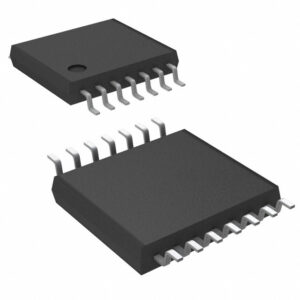 74VHC125FTView Product
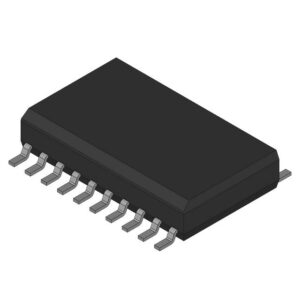 SN74AS763DWView Product
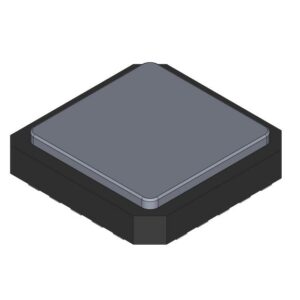 SNJ54ALS1245AFKView Product
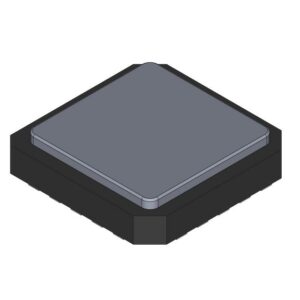 74LVCH244ABX,115View Product

As the backbone of modern technology, electronic components are undergoing revolutionary changes, driven by advancements in materials science, miniaturization, and smart manufacturing. From ultra-efficient…
Read More
Find out when a bare shock switch needs a pull resistor, when an MCU internal pull-up is enough, and why sensor modules and piezo…
Read More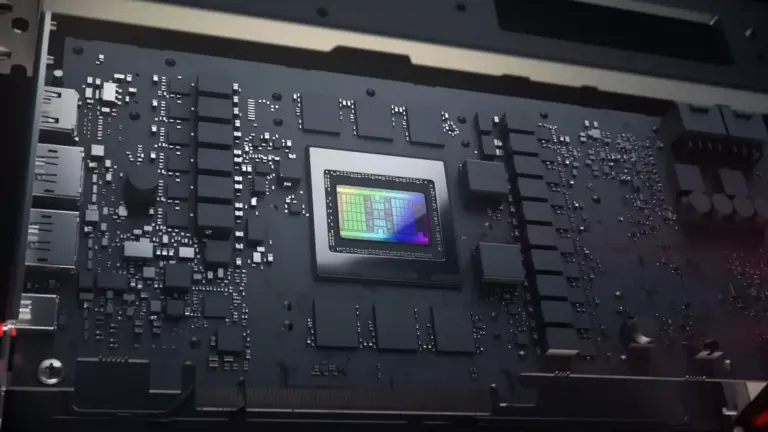
Latest updates from leading semiconductor manufacturers: Wolfspeed launches new SiC modules, AMD reveals MI430X with HBM4, TSMC eyes third Japan fab, and Samsung samples…
Read More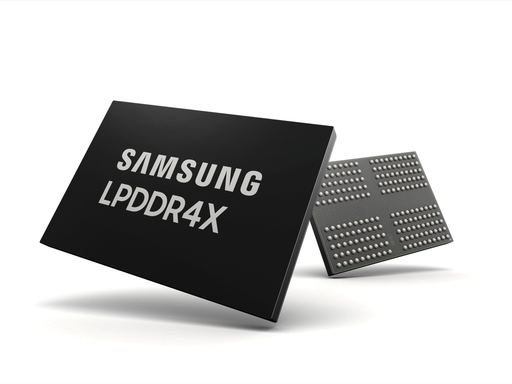
Samsung Electronics, the world’s largest memory chip manufacturer, has officially confirmed the end-of-life (EOL) for its LPDDR4 and LPDDR4X low-power DRAM products, marking a…
Read More
Choose an ADC converter by resolution, sample rate, noise and input design. Review practical tradeoffs and prepare component requirements for ChipApex.
Read More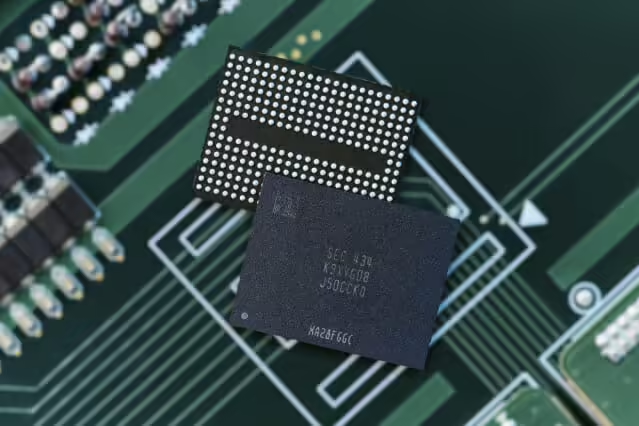
Recently, the global electronic component market has witnessed complex and changeable trends. In the memory chip sector, the wave of price increases continues to…
Read More
Learn how a JFET works and how to compare bias, leakage, noise and pinout. Review practical selection questions for high-impedance analog circuits.
Read More
Choose a DIP switch by contact type, coded positions, footprint and signal ratings. Check logic polarity, assembly conditions and PCB configuration behavior.
Read More
Selecting the right microcontroller (MCU) isn’t just about specs—it’s about balancing performance, power, cost, and supply chain reliability. As an engineer, you’ve probably faced…
Read More
See when an inductor behaves linearly, how DC bias and saturation reduce inductance, and which current and temperature curves to check.
Read More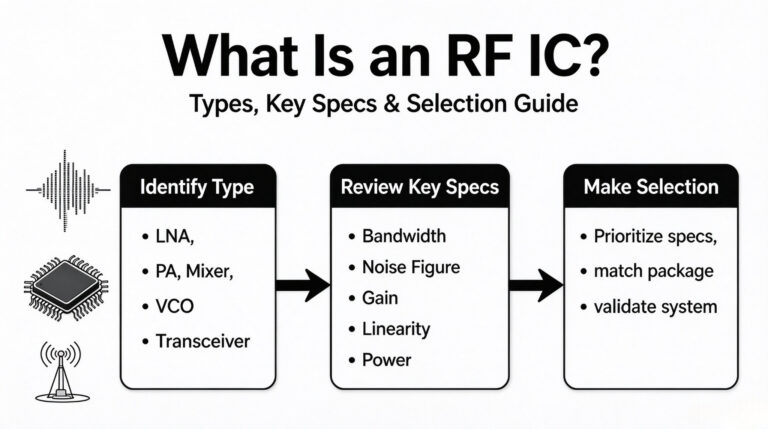
An RF IC, or radio-frequency integrated circuit, is a chip that processes wireless signals between the antenna and the baseband processor. Instead of building…
Read More
Learn what data acquisition means, from sensors and conditioning to sampling and storage. Review channel timing, wiring, calibration and data quality.
Read More
The activity of extra discounts on wholesale prices is in full swing…
Please fill in your contact information and we will send you the latest wholesale price list.

