ChipApex | Global Electronic Components Supplier

SEARCH
Search Product
Search Post
— IC芯片 | 连接器 | 传感器 | 被动器件 —
Search productSearch post
— IC芯片 | 连接器 | 传感器 | 被动器件 —
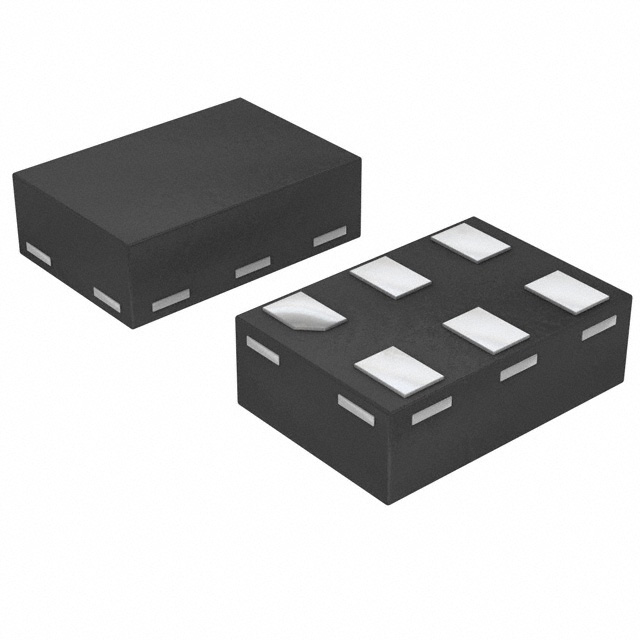
Logic buffers, drivers, receivers and transceivers allow isolated access to logic signals from one circuit for use in another circuit. Buffers pass their input signal, either unchanged or inverted, to their output and may be used to clean up a weak signal or drive a load. In a boolean logic simulator, a buffer is mainly used to increase propagation delay. Logic receivers and transceivers allow isolated communication between data buses.
| Select products | Mfr | Description | Package | Supplier Device Package | Mounting Type | Series | Operating Temperature |
|---|---|---|---|---|---|---|---|
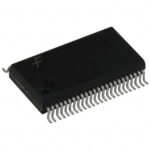
| onsemi | IC TXRX NON-INVERT 3.6V 48SSOP | Tube | 48-SSOP | Surface Mount | 74LVTH | -40°C ~ 85°C (TA) | |
 74LVTH162245MEA $1.27 | Fairchild Semiconductor | IC TXRX NON-INVERT 3.6V 48SSOP | Tube | 48-SSOP | Surface Mount | 74LVTH | -40°C ~ 85°C (TA) |
| onsemi | IC TXRX NON-INVERT 3.6V 48SSOP | Tape & Reel (TR) | 48-SSOP | Surface Mount | 74LVTH | -40°C ~ 85°C (TA) | |
74LVTH162245MEX $1.27 | Fairchild Semiconductor | IC TXRX NON-INVERT 3.6V 48SSOP | Bulk | 48-SSOP | Surface Mount | 74LVTH | -40°C ~ 85°C (TA) |
| onsemi | IC TXRX NON-INVERT 3.6V 48TSSOP | Tube | 48-TSSOP | Surface Mount | 74LVTH | -40°C ~ 85°C (TA) | |
 74LVTH162245MTX $1.08 | onsemi | IC TXRX NON-INVERT 3.6V 48TSSOP | Tape & Reel (TR),Cut Tape (CT) | 48-TSSOP | Surface Mount | 74LVTH | -40°C ~ 85°C (TA) |
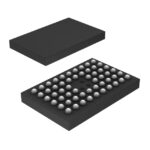 74LVTH162245ZQLR $1.73 | Texas Instruments | IC TXRX NON-INVERT 3.6V 56BGA | Tape & Reel (TR),Cut Tape (CT),Bulk | 56-BGA Microstar Junior (7x4.5) | Surface Mount | 74LVTH | -40°C ~ 85°C (TA) |
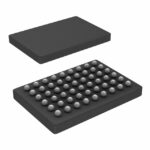 74LVTH162245ZRDR $2.19 | Texas Instruments | IC TXRX NON-INVERT 3.6V 54BGA | Tape & Reel (TR),Cut Tape (CT) | 54-BGA Microstar Junior (8x5.5) | Surface Mount | 74LVTH | -40°C ~ 85°C (TA) |
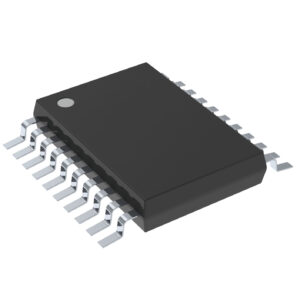 SN74ALS29827DWView Product
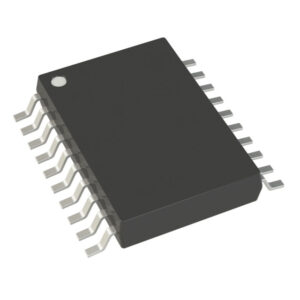 SN74ACT7541DGSRView Product
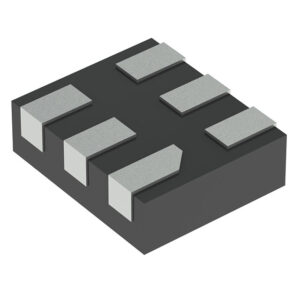 NLU2G16MUTCGView Product
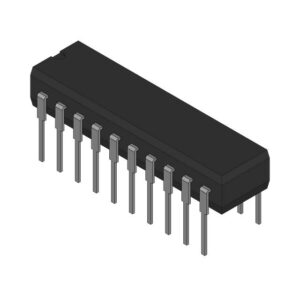 54ABT245/BRAView Product
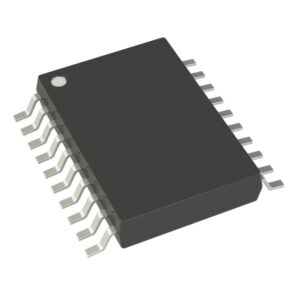 TC74VHC540FTELMView Product
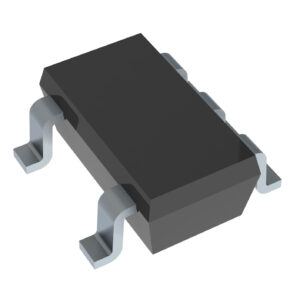 SN74AUP1G240DBVTView Product
 SN74ACT2441PQView Product
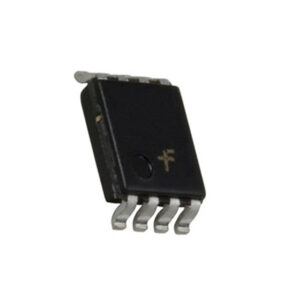 NC7WZ241K8X-L22236View Product
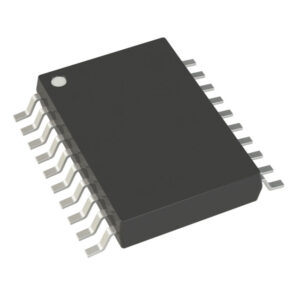 74LVC240APW/AUJView Product
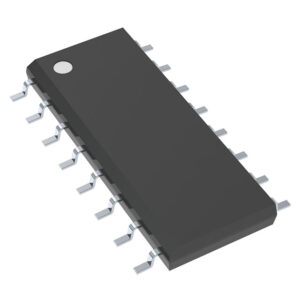 CD74HC368M96View Product
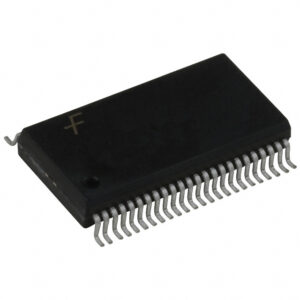 74ACT16245SSCXView Product
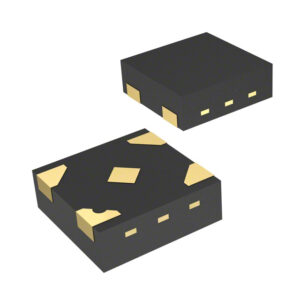 74AUP1T34GXHView Product

See how a MEMS gyroscope measures angular rate, why its angle estimate drifts, and which range, noise, interface and temperature specs to compare.
Read More
Every audio power amplifier design starts with the same fundamental challenge: converting a low-voltage line-level signal into the high-current drive required by a reactive…
Read More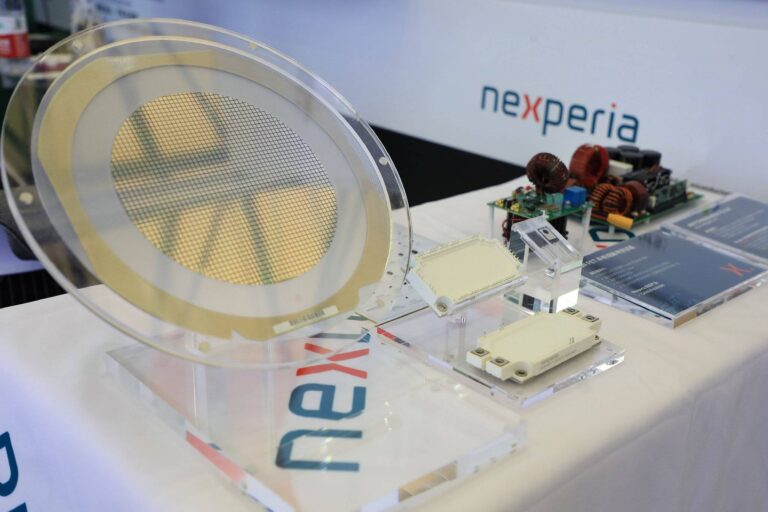
Dutch authorities announced on November 7 the lifting of control measures on Nexperia (formerly NXP Semiconductors’ Standard Products division), marking the end of a…
Read More
Recently, the global electronic component market has witnessed a series of new developments. The strategic layouts and market collaborations of major enterprises are constantly…
Read More
WILMINGTON, Mass. – August 11, 2026 — Analog Devices, Inc. (NASDAQ: ADI), the global leading supplier of high-performance analog, mixed-signal and digital signal processing…
Read More
[Shenzhen/Shanghai/Beijing, January 2025] — As global digital transformation accelerates, the electronic components industry has reached a critical inflection point in 2025. Emerging fields such…
Read More
In embedded design, the tug-of-war between cost and performance is constant. On one side, you have Microcontrollers (MCUs)—cheap, simple, and efficient. On the other,…
Read More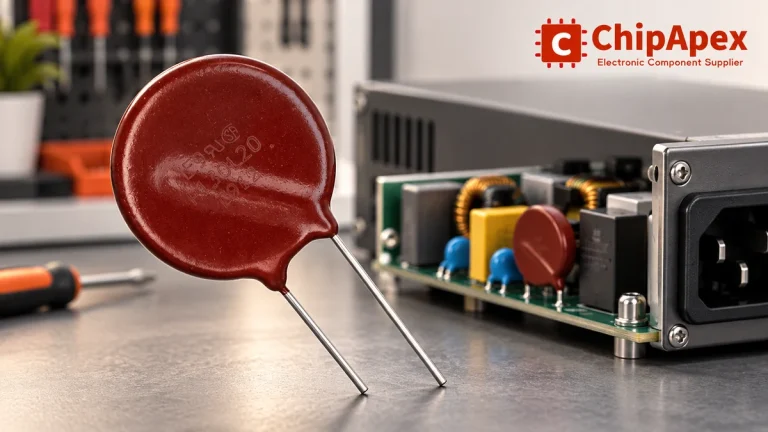
Select MOV varistors by continuous voltage, clamping behavior, surge waveform and repetition. Check thermal disconnection, fuse coordination and replacements.
Read More
Stay ahead with ChipApex Insights — technical deep dives, market trends, and sourcing tips for memory, microcontrollers, power management, and industrial-grade components. Trusted by…
Read More
Selecting the right microcontroller (MCU) isn’t just about specs—it’s about balancing performance, power, cost, and supply chain reliability. As an engineer, you’ve probably faced…
Read More
Learn what an IMU measures, how accelerometers and gyroscopes work together, why orientation estimates drift, and what to compare.
Read More
If you’ve spent any time staring at a schematic, you’ve seen the triangle. Two inputs, one output, and a gain symbol that looks deceptively…
Read More
The activity of extra discounts on wholesale prices is in full swing…
Please fill in your contact information and we will send you the latest wholesale price list.