ChipApex | Global Electronic Components Supplier

SEARCH
Search Product
Search Post
— IC芯片 | 连接器 | 传感器 | 被动器件 —
Search productSearch post
— IC芯片 | 连接器 | 传感器 | 被动器件 —

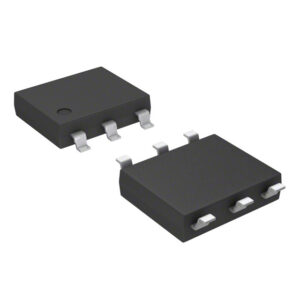
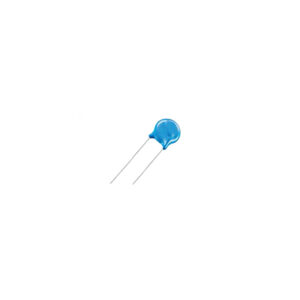
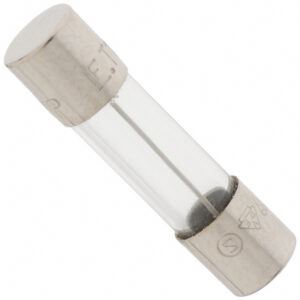
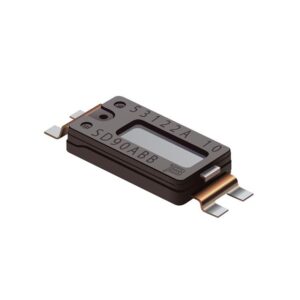
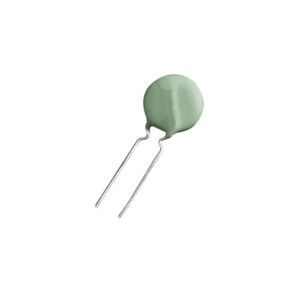
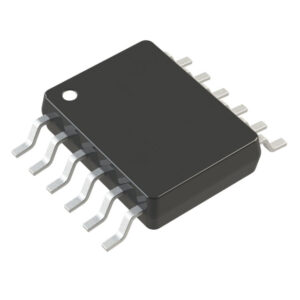
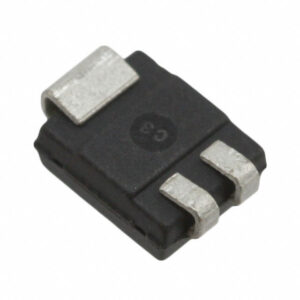
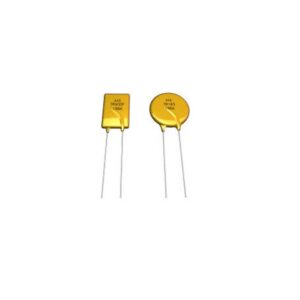
Circuit protection refers to the strategies and components used to shield electrical systems from damage caused by abnormal conditions like short circuits, overcurrent, overvoltage, or excessive temperature. A protected circuit is designed to safely disconnect or redirect dangerous electrical energy before it can harm devices, wiring, or users. Without appropriate protection, faults can cause equipment failure, fire hazards, or even electric shocks, especially in sensitive electronic and motor control applications. Two of the most widely used protection devices are fuses and circuit breakers. A fuse contains a metal wire that melts when the current exceeds a specific threshold, permanently breaking the circuit to prevent further damage. Fuses are simple and cost-effective, but must be replaced once blown. Circuit breakers, in contrast, are mechanical switches that detect overcurrent and trip open—disconnecting power without requiring replacement. These can be reset once the fault is cleared. Ground fault circuit interrupters (GFCIs) are a specialized type of breaker used to protect people from electric shock. They monitor current balance between the hot and neutral lines and trip instantly when leakage to ground is detected, often caused by damaged insulation or contact with water. In modern electronic systems, solid-state circuit protection devices are increasingly important. Components such as varistors—especially metal oxide varistors (MOVs)—and transient voltage suppressors (TVS) are designed to handle voltage spikes or transients caused by inductive loads, lightning strikes, or static discharge. These devices can absorb or redirect excess energy, protecting delicate semiconductors from failure. Other devices like thermal cutoffs (thermal fuses) disconnect circuits when operating temperatures rise too high, while gas discharge tubes (GDT) arresters protect against high-energy surges, especially in communication or low-voltage power lines.
| Select products | Mfr | Description | Package | Supplier Device Package | Mounting Type | Series | Operating Temperature |
|---|---|---|---|---|---|---|---|
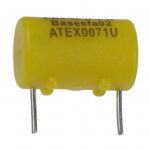 0259001.M $5.44 | Littelfuse Inc. | FUSE BRD MNT 1A 125VAC/VDC RAD | Bulk | Through Hole | 259 | -55°C ~ 90°C | |
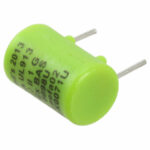 0259001.MX913 $8.23 | Littelfuse Inc. | FUSE BRD MNT 1A 125VAC/VDC RAD | Bulk | Through Hole | PICO® 259-UL913 | -55°C ~ 90°C | |
0259001.T $5.88 | Littelfuse Inc. | FUSE BRD MNT 1A 125VAC/VDC RAD | Bulk | Through Hole | 259 | -55°C ~ 90°C | |
0259001.TX913 $16.01 | Littelfuse Inc. | FUSE BRD MNT 1A 125VAC/VDC RAD | Bulk | Through Hole | PICO® 259-UL913 | -55°C ~ 90°C | |
0259003.M $5.44 | Littelfuse Inc. | FUSE BRD MNT 3A 125VAC/VDC RAD | Bulk | Through Hole | 259 | -55°C ~ 90°C | |
0259003.MX913 $15.16 | Littelfuse Inc. | FUSE BRD MNT 3A 125VAC/VDC RAD | Bulk | Through Hole | PICO® 259-UL913 | -55°C ~ 90°C | |
0259003.T $3.80 | Littelfuse Inc. | FUSE BRD MNT 3A 125VAC/VDC RAD | Bulk | Through Hole | 259 | -55°C ~ 90°C | |
0259003.TX913 $16.01 | Littelfuse Inc. | FUSE BRD MNT 3A 125VAC/VDC RAD | Bulk | Through Hole | PICO® 259-UL913 | -55°C ~ 90°C |
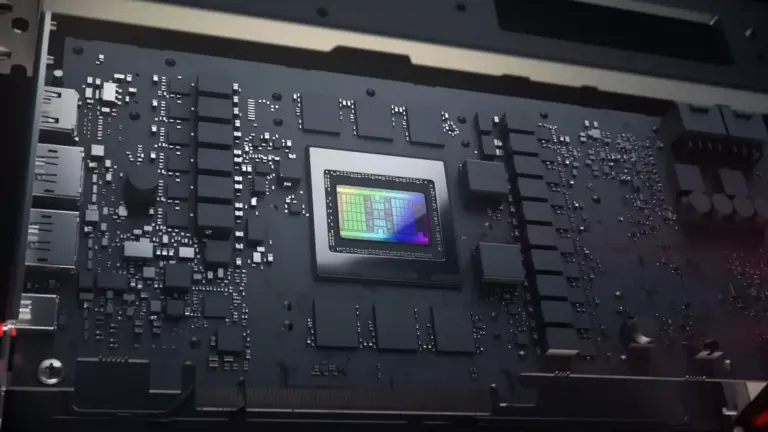
Latest updates from leading semiconductor manufacturers: Wolfspeed launches new SiC modules, AMD reveals MI430X with HBM4, TSMC eyes third Japan fab, and Samsung samples…
Read More
A perfect storm of surging demand and supply chain disruptions is roiling the global electronic components market, with advanced semiconductors and critical materials now…
Read More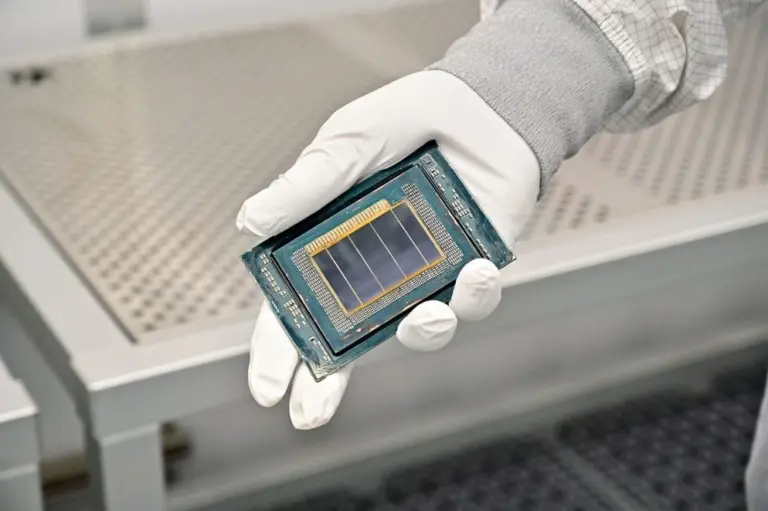
Recently, global semiconductor manufacturers have been constantly taking actions and presenting numerous new developments in aspects such as process technology and product research and…
Read More
Choose logic inverter ICs by thresholds, supply, output drive and delay. Compare standard and Schmitt-trigger inputs, power sequencing and replacement checks.
Read More
Hsinchu, Taiwan – April 18, 2026 – United Microelectronics Corporation (UMC, NYSE: UMC), a leading global semiconductor foundry specializing in mature process technologies, has…
Read More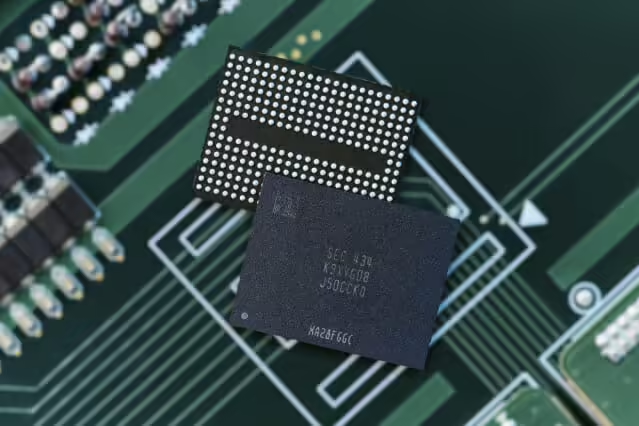
Recently, the global electronic component market has witnessed complex and changeable trends. In the memory chip sector, the wave of price increases continues to…
Read More
If you’ve spent any time staring at a schematic, you’ve seen the triangle. Two inputs, one output, and a gain symbol that looks deceptively…
Read More
The multilayer ceramic capacitor (MLCC) market has fallen into a severe structural supply crunch in the third quarter of 2026, driven by explosive demand…
Read More
Every audio power amplifier design starts with the same fundamental challenge: converting a low-voltage line-level signal into the high-current drive required by a reactive…
Read More
On September 22nd, it was reported that Samsung Electronics, the South Korean tech giant, had successfully passed NVIDIA’s certification test for its 12-layer HBM3E…
Read More
In embedded design, the tug-of-war between cost and performance is constant. On one side, you have Microcontrollers (MCUs)—cheap, simple, and efficient. On the other,…
Read More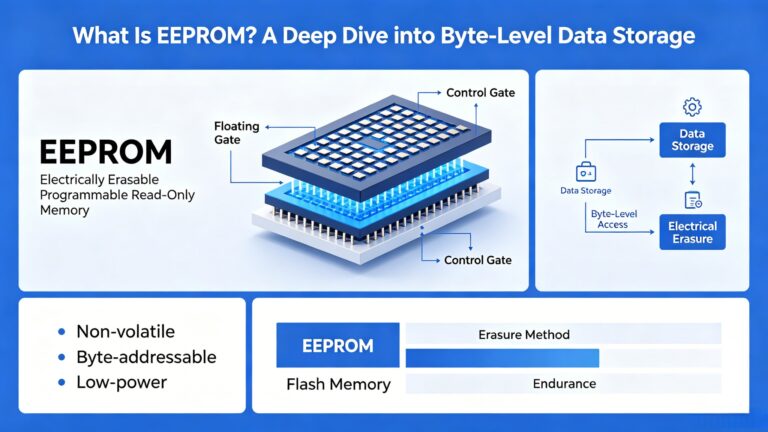
In the vast landscape of memory technology, EEPROM (Electrically Erasable Programmable Read-Only Memory) often plays the unsung hero. While NAND Flash grabs headlines for…
Read More
The activity of extra discounts on wholesale prices is in full swing…
Please fill in your contact information and we will send you the latest wholesale price list.