ChipApex | Global Electronic Components Supplier

SEARCH
Search Product
Search Post
Search productSearch post
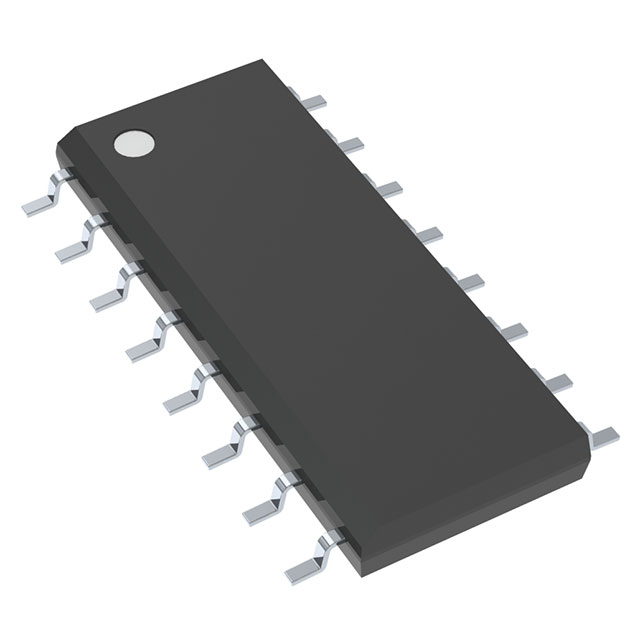
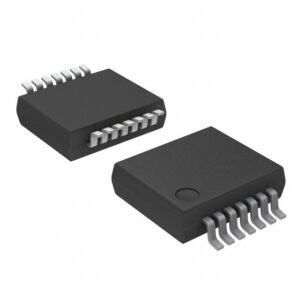
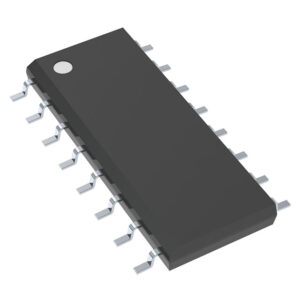
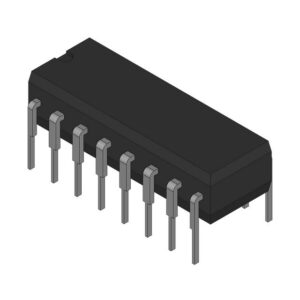
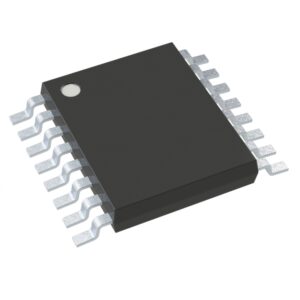
Counter and divider ICs are digital logic devices which tally the number of logic transitions that occur at their inputs, and resent the accumulated count using multiple parallel outputs and/or generate a single output signal transition in response to the application of some integer number of input signal transitions. In addition to simple event counting, they find use in a variety of frequency synthesis applications.
| Select products | Mfr | Description | Package | Supplier Device Package | Mounting Type | Series | Operating Temperature |
|---|---|---|---|---|---|---|---|
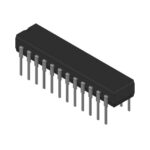 100136DC $16.34 | National Semiconductor | BINARY COUNTER, 100K SERIES | Bulk | - | - | - | - |
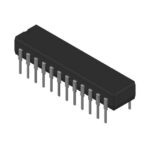 100136J-MIL $23.33 | National Semiconductor | BINARY COUNTER, 100K SERIES | Bulk | - | - | - | - |
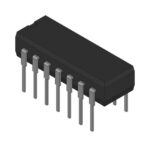 11C05DM/B $139.18 | Rochester Electronics, LLC | PRESCALER, ECL SERIES | Bulk | - | - | * | - |
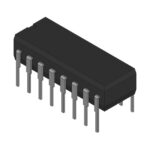 11C90DM/B $175.03 | Rochester Electronics, LLC | PRESCALER, ECL SERIES | Bulk | - | - | * | - |
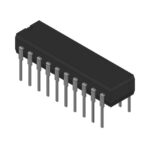 25LS2569DM/B $126.02 | Rochester Electronics, LLC | 4BIT SYNC UP/DWN 3-STATE OUTPUTS | Bulk | - | - | * | - |
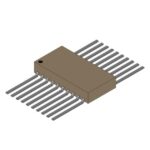 25LS2569FM/B $167.39 | Rochester Electronics, LLC | 4BIT SYNC UP/DWN 3-STATE OUTPUTS | Bulk | - | - | * | - |
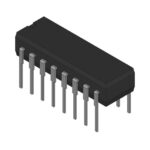 40161BDM $2.00 | National Semiconductor | IC BINARY COUNTER 4-BIT 16CDIP | Bulk | 16-CDIP | Through Hole | 4000B | - |
40163BDM $3.54 | National Semiconductor | IC DECADE COUNTR DL 4BIT 16CDIP | Bulk | 16-CDIP | Through Hole | 4000B | - |
Compare linear and switching voltage regulators with a worked power-loss example and practical checks for dropout, load transients, ripple, heat and EMI.
Read More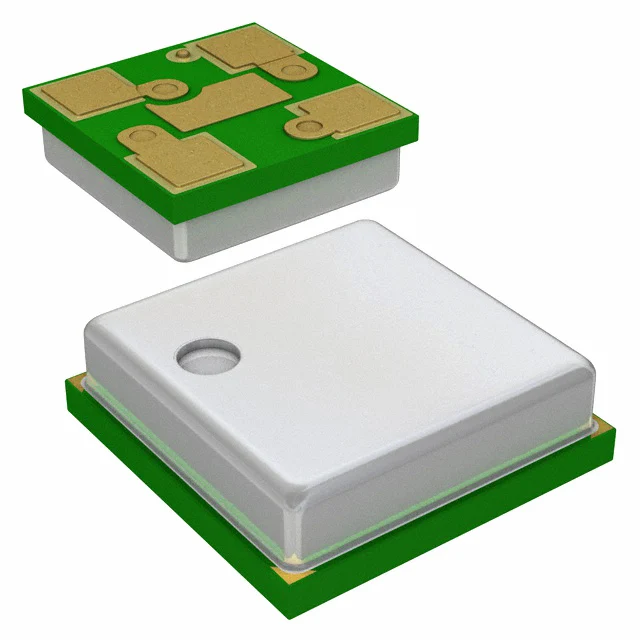
Interpret MAP sensor readings using local atmospheric pressure, convert a ratiometric signal to kPa and distinguish a pressure change from a signal fault.
Read More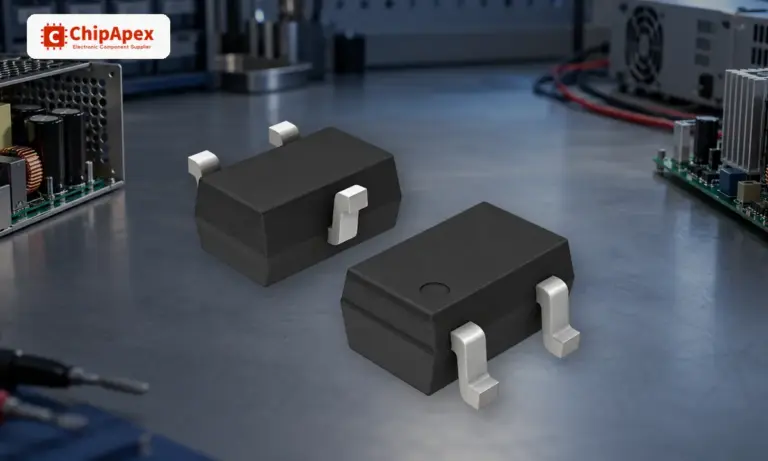
Learn how a diode conducts, how to identify anode and cathode, and when to choose rectifier, TVS, Zener or photodiode types for a circuit.
Read More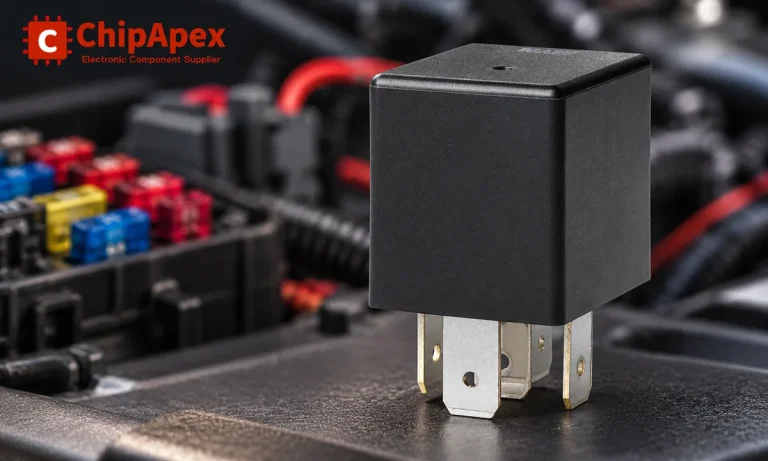
Learn the relay definition, coil and contact operation, NO and NC forms, load ratings and suppression choices. Compare mechanical, reed and solid-state types.
Read More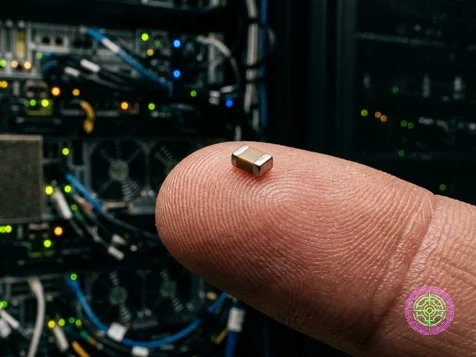
The multilayer ceramic capacitor (MLCC) market has fallen into a severe structural supply crunch in the third quarter of 2026, driven by explosive demand…
Read More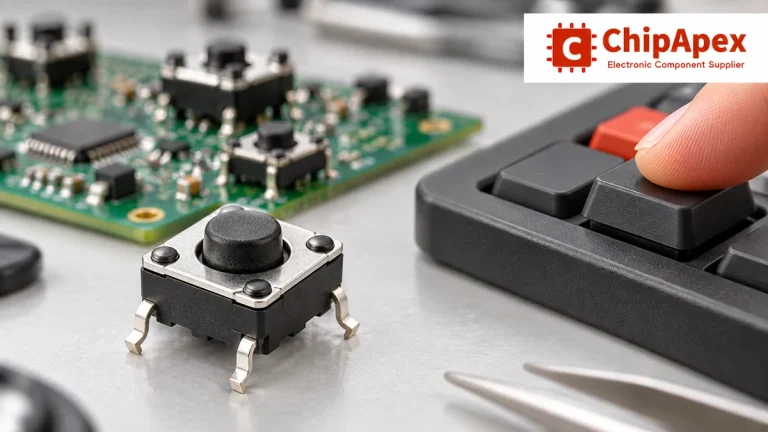
Understand tactile switches, PCB and keyboard differences, four-pin wiring, debounce, force, travel and replacement checks for reliable control inputs.
Read More
The Dutch government’s intervention in the control of Nexperia (Anshi Semiconductor) is triggering a chain reaction of turmoil in the global power semiconductor market.…
Read More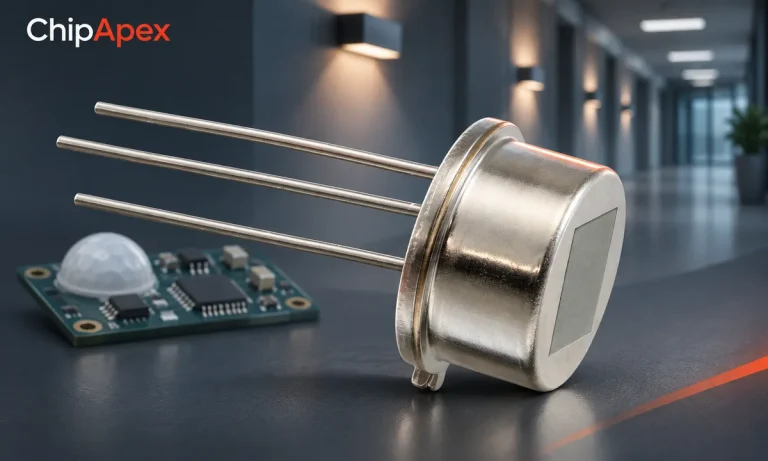
Understand how motion sensors work. Compare PIR, radar and ultrasonic sensing, then check presence detection, false triggers, optics and signal conditioning.
Read More
ON Semiconductor (onsemi), a global leader in intelligent power and sensing technologies, has announced plans to implement price adjustments for select product lines, effective…
Read More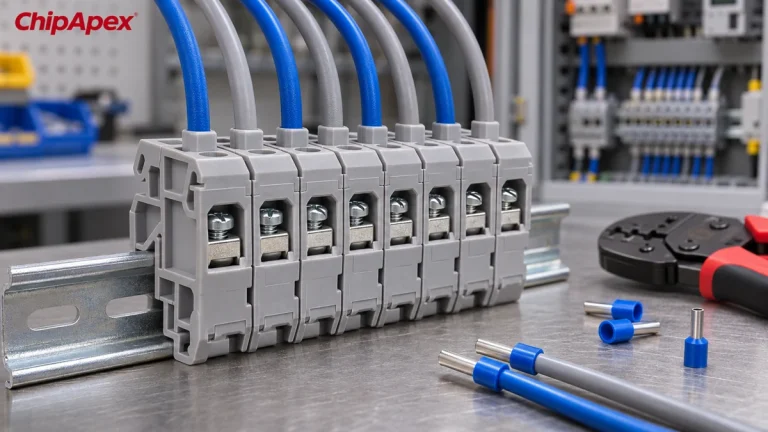
Compare screw and spring terminal blocks. Check conductor range, ferrules, strip length, torque, pitch and DIN rail accessories before completing the BOM.
Read More
In the embedded world, general-purpose CPUs are great at running operating systems, and MCUs excel at logic control. But when you need to process…
Read More
Selecting the right microcontroller (MCU) isn’t just about specs—it’s about balancing performance, power, cost, and supply chain reliability. As an engineer, you’ve probably faced…
Read More
The activity of extra discounts on wholesale prices is in full swing…
Please fill in your contact information and we will send you the latest wholesale price list.