ChipApex | Global Electronic Components Supplier

SEARCH
Search Product
Search Post
— IC芯片 | 连接器 | 传感器 | 被动器件 —
Search productSearch post
— IC芯片 | 连接器 | 传感器 | 被动器件 —
Consult the customer manager about the wholesale price.
consultation hotline:86-132-6715-2157
email:[email protected]
Contact the product manager for consultation. One-stop consultation is available.
Do you want a lower wholesale price? Please send us your inquiry and we will reply immediately.
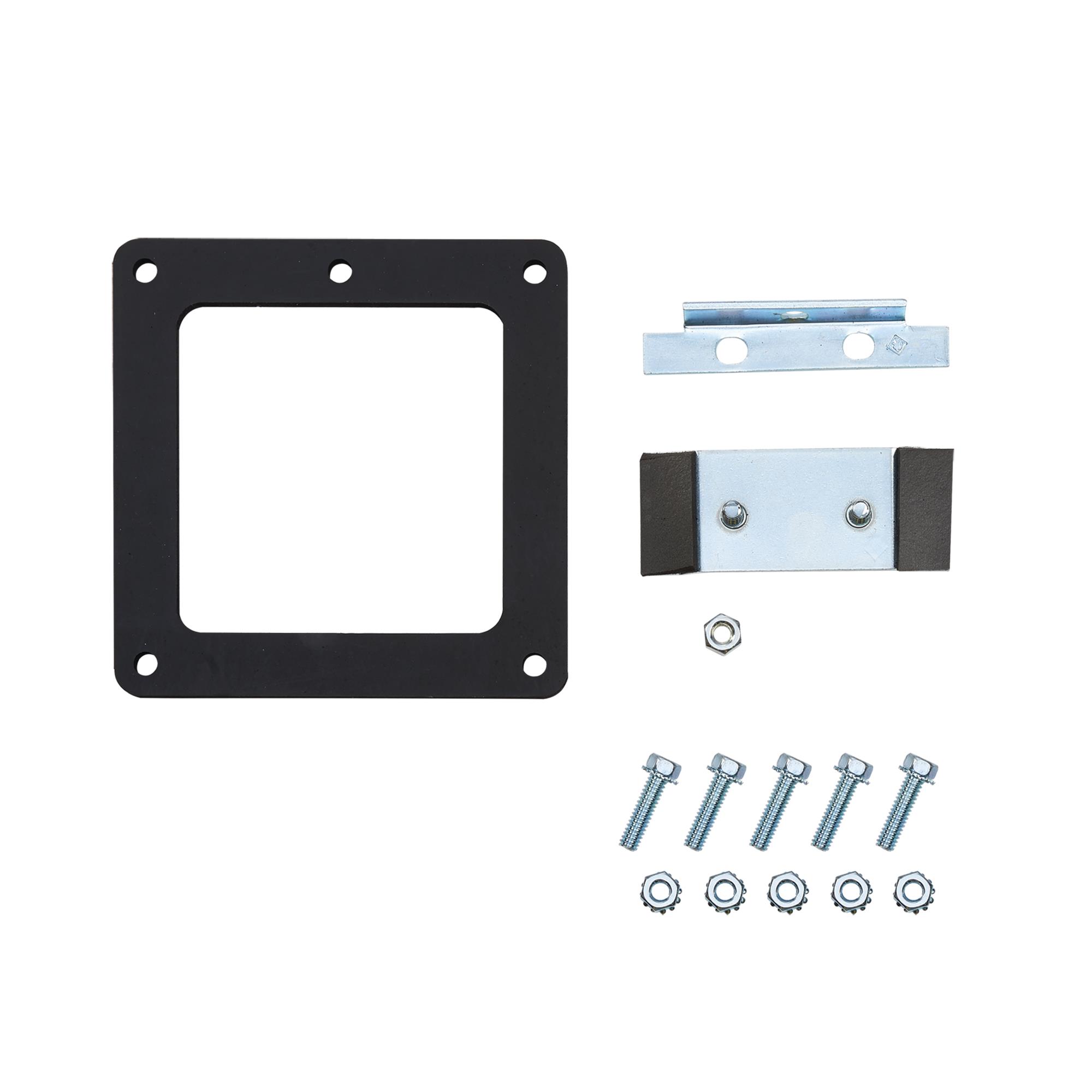
The Hoffman F126LSAG is a 90-degree angle sealing plate designed for indoor use with NEMA Type 12 and Type 3R lay-in wireway systems. Constructed from steel, the component features a painted gray finish to provide corrosion resistance and aesthetic consistency within industrial electrical installations. It measures 12 inches by 6 inches, serving as an end closure for trunking sections to maintain environmental protection standards.
Verify that the selected sealing plate matches the specific dimensions and series of the installed wireway system. Confirm the requirement for Type 12 or Type 3R ratings aligns with the installation environment. Ensure the steel construction and painted finish are suitable for the intended indoor application conditions before procurement.
Select this component when terminating a run of Hoffman F10 series or compatible lay-in wireways. The 12x6 inch size must correspond to the wireway cross-section. Consider the painted steel material for standard indoor durability. This part serves strictly as a closure plate and does not include internal cable management accessories.
This sealing plate belongs to the Hoffman F10 series of cable management accessories. It complements the broader range of lay-in wireway products offered by nVent Hoffman. The component is part of a standardized system designed for organized and protected routing of electrical conductors in commercial and industrial settings.
Compatible substitutes include other 90-degree angle sealing plates sized 12x6 inches designed for NEMA 12 lay-in wireways. Verify that alternative parts match the steel material and painted finish specifications to ensure consistent performance and appearance.
 F126LSAG

A perfect storm of surging demand and supply chain disruptions is roiling the global electronic components market, with advanced semiconductors and critical materials now…
Read More
Compare Pt100 and Pt1000 RTDs, two-, three- and four-wire connections, excitation and self-heating. Build an error budget from element to reported temperature.
Read More
Learn how a diode conducts, how to identify anode and cathode, and when to choose rectifier, TVS, Zener or photodiode types for a circuit.
Read More
Compare thermistors, RTDs, thermocouples and temperature ICs. Learn how range, accuracy, response, interfaces and mounting affect component selection.
Read More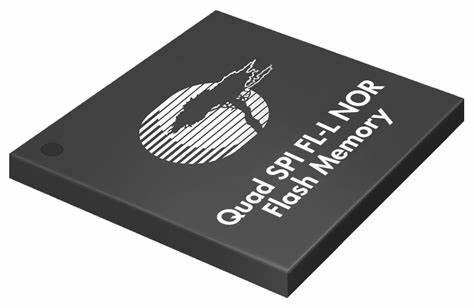
What Is NOR Flash? Why It Still Powers Critical Embedded Systems When your car’s engine control unit boots in milliseconds…When a medical device executes…
Read More
Recently, a survey by the Electronic Components Industry Association (ECIA) revealed that the sales sentiment of global electronic components remained optimistic in the third…
Read More
Learn the relay definition, coil and contact operation, NO and NC forms, load ratings and suppression choices. Compare mechanical, reed and solid-state types.
Read More
Compare RC, crystal and MEMS oscillator circuits. Check ppm, jitter, load capacitance, startup margin and output compatibility before choosing a clock source.
Read More
Every audio power amplifier design starts with the same fundamental challenge: converting a low-voltage line-level signal into the high-current drive required by a reactive…
Read More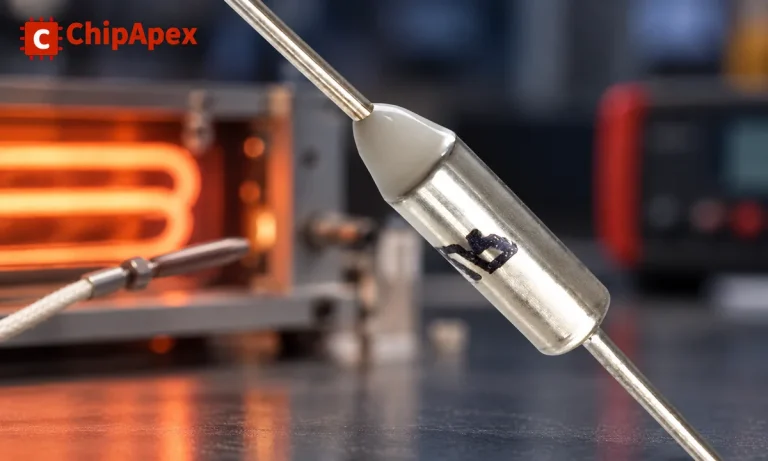
Understand thermal fuse operation, Tf, Th and Tm, electrical ratings and mounting. Check temperature limits and replacement requirements for your design.
Read More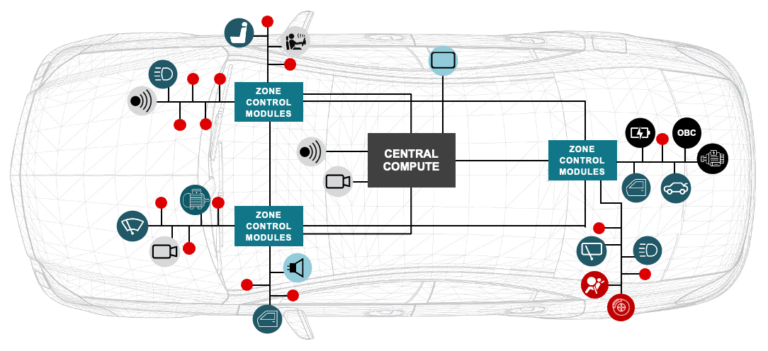
Las Vegas, January 6, 2026 — At the Consumer Electronics Show (CES) 2026, Texas Instruments (TI) (NASDAQ: TXN) announced a suite of next-generation semiconductor…
Read More
Choose an AC to DC converter by input range, output demand, isolation, efficiency and thermal derating. Compare architectures and check installation needs.
Read More
The activity of extra discounts on wholesale prices is in full swing…
Please fill in your contact information and we will send you the latest wholesale price list.