ChipApex | Global Electronic Components Supplier

SEARCH
Search Product
Search Post
— IC芯片 | 连接器 | 传感器 | 被动器件 —
Search productSearch post
— IC芯片 | 连接器 | 传感器 | 被动器件 —
Consult the customer manager about the wholesale price.
consultation hotline:86-132-6715-2157
email:[email protected]
Contact the product manager for consultation. One-stop consultation is available.
Do you want a lower wholesale price? Please send us your inquiry and we will reply immediately.
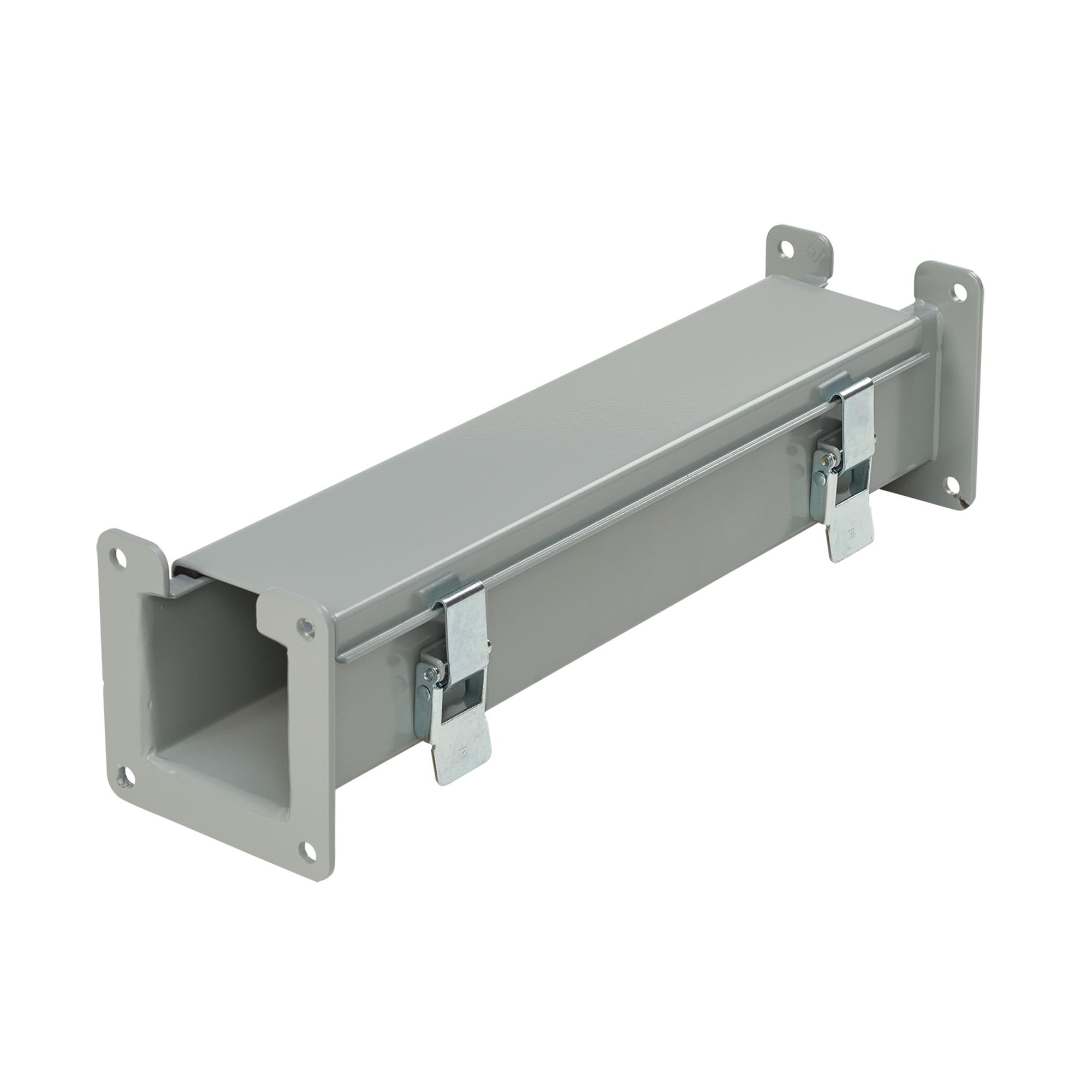
The nVent Hoffman F66LXL is a 6.00 x 6.00 inch cut-off fitting designed for indoor use within the Lay-in wireway series. Constructed from 14-gauge steel for the body and cover, with a 10-gauge steel flange, it features an ANSI 61 gray polyester powder-coated finish. This component is specifically engineered for wireway lengths ranging from 9.00 inches (229 mm) to 15.00 inches (381 mm). The unit arrives in two pieces, allowing users to shorten the body and cover to the desired length before welding them together to create a custom-sized enclosure solution.
Verify that the required wireway length falls strictly between 9.00 inches and 15.00 inches, as this fitting is not suitable for other dimensions. Confirm that the application environment is indoor, as the product is rated for indoor use only. Ensure compatibility with the Lay-in series wireway system. Check that welding capabilities are available on-site, as assembly requires joining the two-piece body and cover after shortening. Validate the gray color requirement matches existing infrastructure aesthetics.
Select the F66LXL when a custom wireway length between 9 and 15 inches is needed for indoor applications. It is appropriate for projects requiring NEMA 12 rated components made of steel. Consider this part if the installation process involves welding the shortened body and cover together. It is suitable for environments where ANSI 61 gray finishes are standard. Do not select for outdoor use or lengths outside the specified range.
The F66LXL belongs to the nVent Hoffman Lay-in Series, which provides modular solutions for electrical cable management. This specific model is a cut-off fitting, distinct from straight sections or elbows, designed to terminate or extend wireways at specific lengths. It complements other Lay-in components to form complete routing systems. The series emphasizes ease of installation and customization through cutting and welding procedures.
No public confirmed substitute part numbers are identified for the F66LXL. Due to its specific dimensional requirements and welding-based assembly method, direct replacements may not be readily available without verifying compatibility with existing wireway systems.
 F66LXL
Learn what an integrated circuit is, how ICs work, the main types and the specs to check before choosing a part for your design…
Read More
Learn how a diode conducts, how to identify anode and cathode, and when to choose rectifier, TVS, Zener or photodiode types for a circuit.
Read More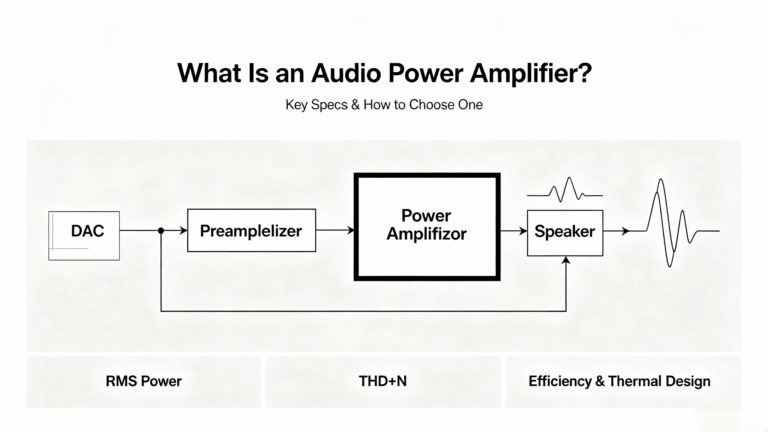
Every audio power amplifier design starts with the same fundamental challenge: converting a low-voltage line-level signal into the high-current drive required by a reactive…
Read More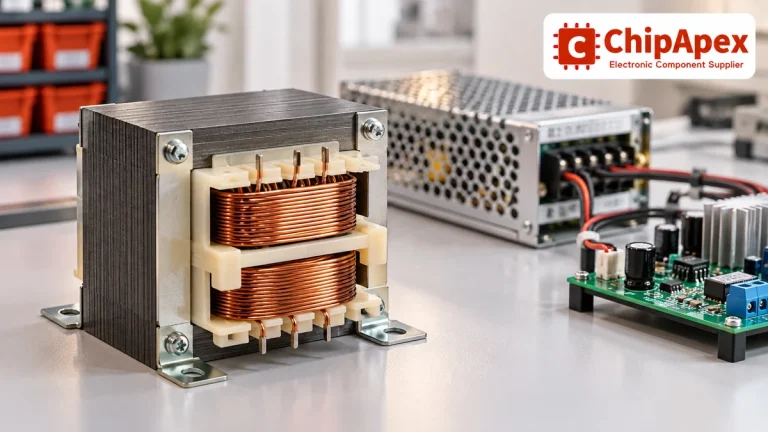
Select power transformers by input frequency, secondary VA, rectifier load, isolation, regulation and inrush. Build a clearer specification for your next RFQ.
Read More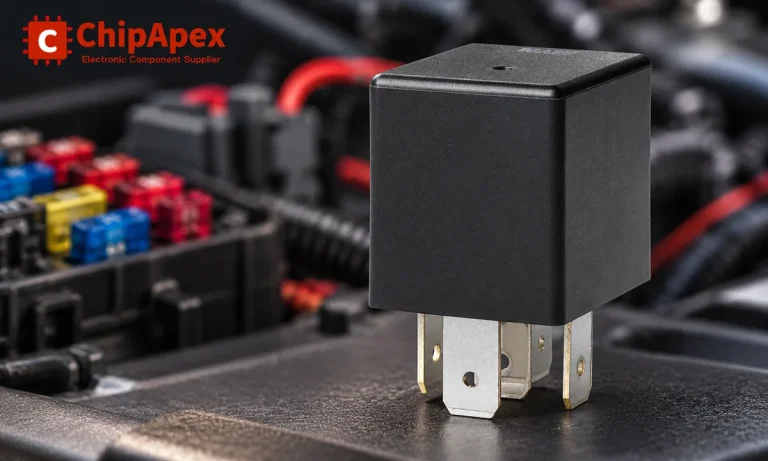
Learn the relay definition, coil and contact operation, NO and NC forms, load ratings and suppression choices. Compare mechanical, reed and solid-state types.
Read More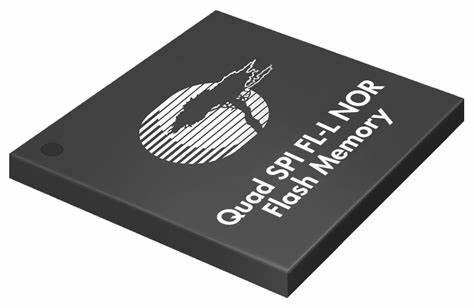
What Is NOR Flash? Why It Still Powers Critical Embedded Systems When your car’s engine control unit boots in milliseconds…When a medical device executes…
Read More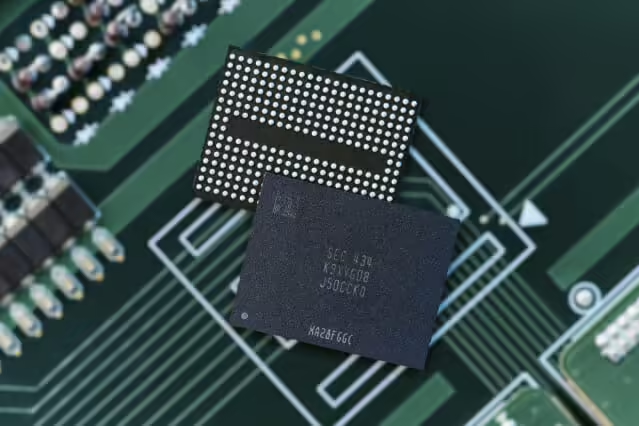
Recently, the global electronic component market has witnessed complex and changeable trends. In the memory chip sector, the wave of price increases continues to…
Read More
September 16, 2026 – Global — Leading semiconductor manufacturer ON Semiconductor (onsemi, NASDAQ: ON) has officially issued a formal price adjustment letter to global…
Read More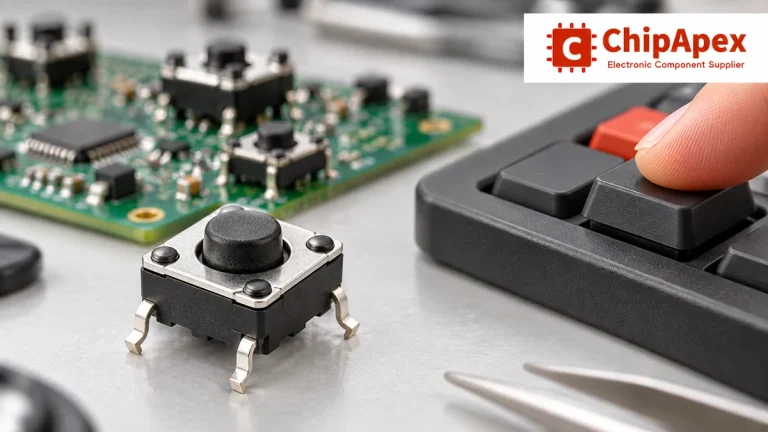
Understand tactile switches, PCB and keyboard differences, four-pin wiring, debounce, force, travel and replacement checks for reliable control inputs.
Read More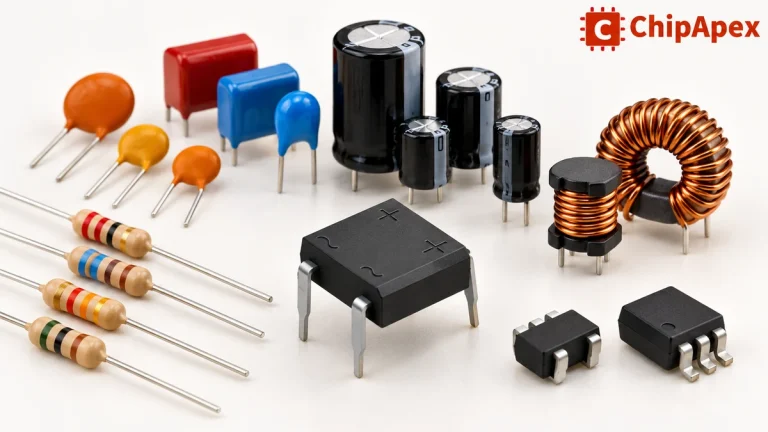
Explore electronic component types, functions, packages and datasheets. Learn selection, replacement and BOM checks before ordering parts for your PCB.
Read More
Las Vegas, January 6, 2026 — At the Consumer Electronics Show (CES) 2026, Texas Instruments (TI) (NASDAQ: TXN) announced a suite of next-generation semiconductor…
Read More
Learn why PTC resistance rises with temperature, how it differs from NTC, and which ratings matter for sensing and protection.
Read More
The activity of extra discounts on wholesale prices is in full swing…
Please fill in your contact information and we will send you the latest wholesale price list.