 ChipApex | Global Electronic Components Supplier

SEARCH
Search Product
Search Post
— IC芯片 | 连接器 | 传感器 | 被动器件 —
Search productSearch post
— IC芯片 | 连接器 | 传感器 | 被动器件 —
Consult the customer manager about the wholesale price.
consultation hotline:86-132-6715-2157
email:[email protected]
Contact the product manager for consultation. One-stop consultation is available.
Do you want a lower wholesale price? Please send us your inquiry and we will reply immediately.
SN74ALS323DW is listed in the Shift Registers range at ChipApex. The manufacturer field lists Texas Instruments. Its product description is IC REGISTER SHIFT/STORAGE 20SOIC. Review the specifications below when checking this part for your BOM.
The SN74ALS323DW is an octal universal shift/storage register manufactured by Texas Instruments in the ALS-TTL logic family. It features multiplexed serial and parallel loading capabilities with tri-state outputs, housed in a 20-pin SOIC package. The device operates at a nominal supply voltage of 5 V, with a specified range of 4.5 V to 5.5 V. Key electrical parameters include a propagation delay of 19 ns, a low-level output current of 32 mA, and a high-level output current of -2.6 mA. It supports a maximum data rate of 125 Mbps and functions within a commercial temperature range of 0 °C to 70 °C.
Verify component authenticity through authorized distributors or direct manufacturer channels. Confirm the specific suffix 'DW' corresponds to the 20-pin SOIC package variant. Check for RoHS compliance status as indicated in official documentation. Ensure the operating environment remains within the specified commercial temperature limits to maintain performance reliability.
Select this component when tri-state buffering and multiplexed loading are required in compact surface-mount designs. Compare against standard TTL variants for speed improvements offered by the ALS technology. Consider pin compatibility with legacy DIP packages if board space allows for alternative form factors. Evaluate power consumption requirements against other logic families for system efficiency.
This part belongs to the Texas Instruments SN74ALS series, designed for advanced low-power Schottky applications. It serves as a successor to earlier 74Sxx devices, offering improved speed and lower power dissipation. The SN74ALS323DW specifically addresses needs for high-density digital storage in modern electronic assemblies.
The SN74ALS323N is a verified PDIP equivalent from the same manufacturer. Cross-reference with SN74LS323 for functional similarity, noting potential differences in switching speed and power characteristics between LS and ALS technologies.
Explore related parts through Logic, Integrated Circuits (ICs), all product categories, ChipApex homepage.
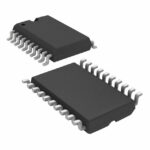 SN74ALS323DW
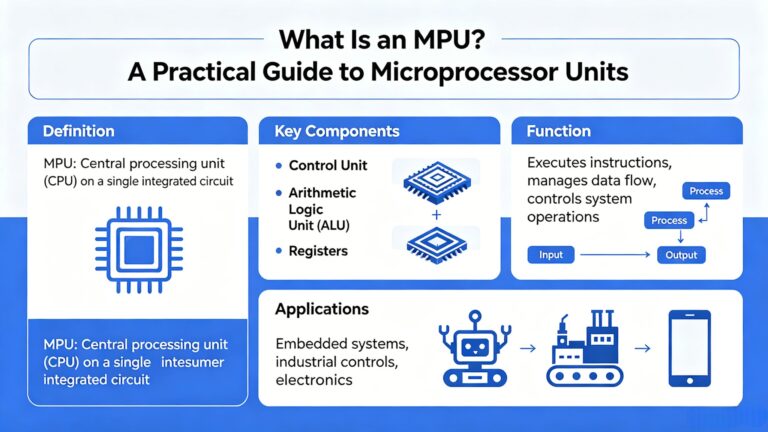
SN74ALS323DW is listed in the Shift Registers range at ChipApex. The manufacturer field lists Texas Instruments. Its product description is IC REGISTER SHIFT/STORAGE 20SOIC.…
Read More
Understand how a comparator switches at a voltage threshold, why hysteresis prevents chatter, and which output and input specs matter.
Read More
SN74ALS323DW is listed in the Shift Registers range at ChipApex. The manufacturer field lists Texas Instruments. Its product description is IC REGISTER SHIFT/STORAGE 20SOIC.…
Read More
Choose LED drivers by current, string voltage, dimming and thermal limits. Understand constant-current operation and the checks needed for your load.
Read More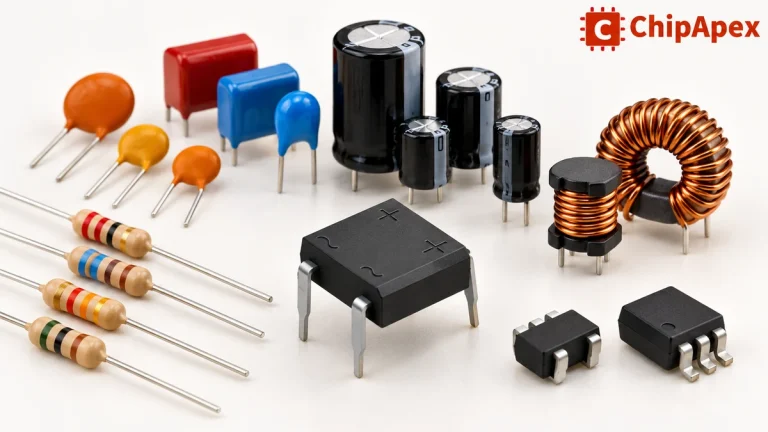
Explore electronic component types, functions, packages and datasheets. Learn selection, replacement and BOM checks before ordering parts for your PCB.
Read More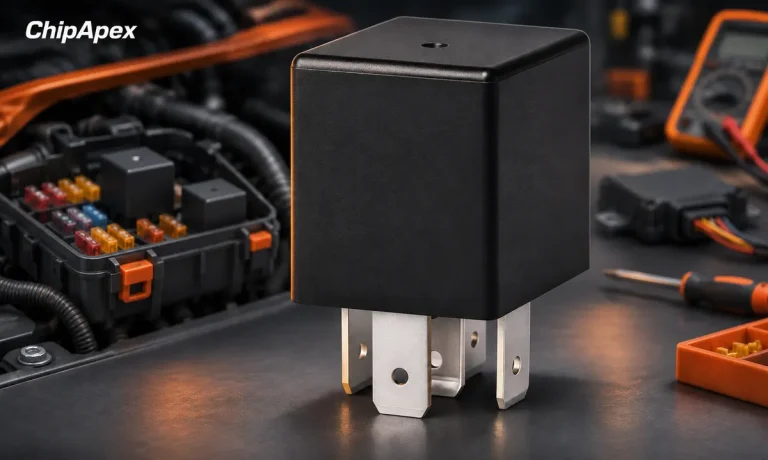
Understand automotive relay terminals, coil suppression and load ratings. Check inrush, socket compatibility and temperature before selecting a replacement.
Read More
Learn why PTC resistance rises with temperature, how it differs from NTC, and which ratings matter for sensing and protection.
Read More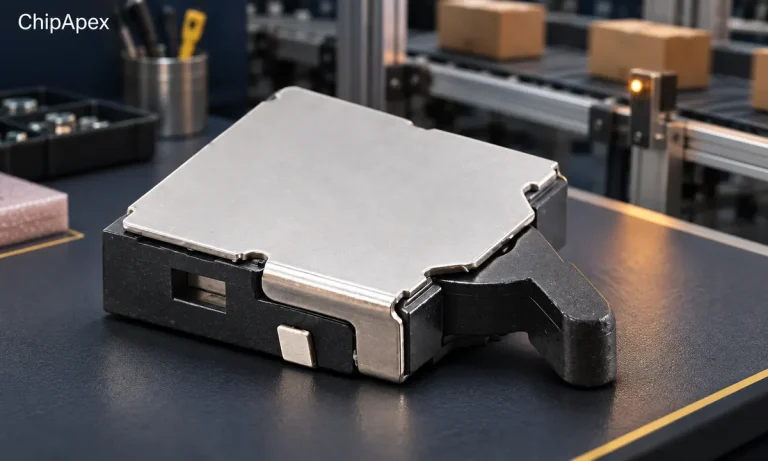
Choose a limit switch by actuator, travel, contact ratings and environment. Understand pretravel, overtravel and practical checks for machine integration.
Read More
Compare Pt100 and Pt1000 RTDs, two-, three- and four-wire connections, excitation and self-heating. Build an error budget from element to reported temperature.
Read More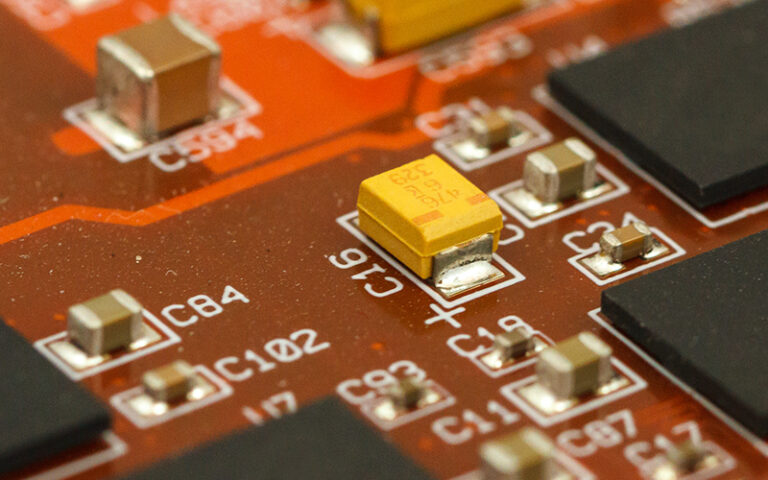
SN74ALS323DW is listed in the Shift Registers range at ChipApex. The manufacturer field lists Texas Instruments. Its product description is IC REGISTER SHIFT/STORAGE 20SOIC.…
Read More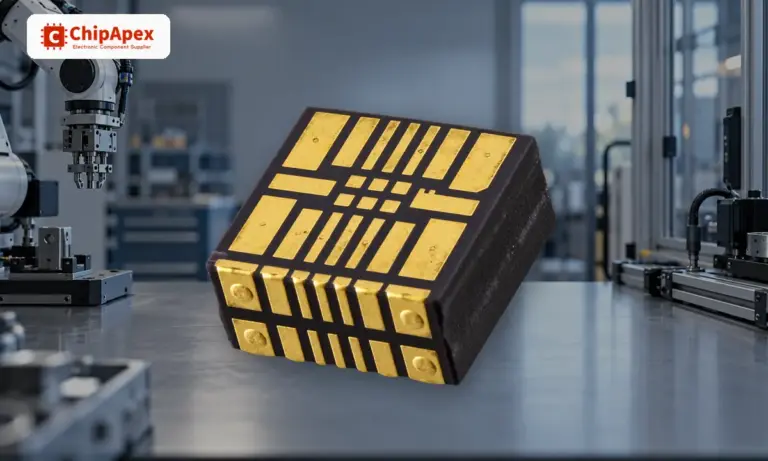
See how a MEMS gyroscope measures angular rate, why its angle estimate drifts, and which range, noise, interface and temperature specs to compare.
Read More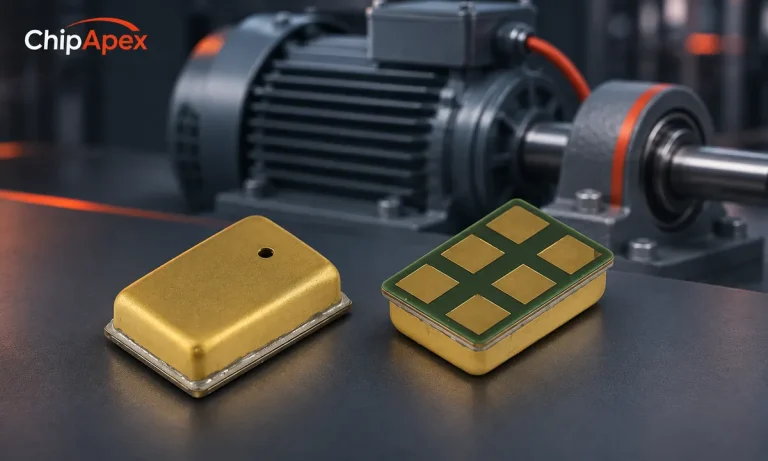
Choose a vibration sensor for machine monitoring. Compare sensing methods, bandwidth, noise and mounting, then define the signal-chain requirements.
Read More
The activity of extra discounts on wholesale prices is in full swing…
Please fill in your contact information and we will send you the latest wholesale price list.






