 ChipApex | Global Electronic Components Supplier

SEARCH
Search Product
Search Post
— IC芯片 | 连接器 | 传感器 | 被动器件 —
Search productSearch post
— IC芯片 | 连接器 | 传感器 | 被动器件 —
Consult the customer manager about the wholesale price.
consultation hotline:86-132-6715-2157
email:[email protected]
Contact the product manager for consultation. One-stop consultation is available.
Do you want a lower wholesale price? Please send us your inquiry and we will reply immediately.
SN74LS75NSR is listed in the Latches range at ChipApex. The manufacturer field lists Texas Instruments. Its product description is IC LATCH QUAD BISTABLE 16SO. Review the specifications below when checking this part for your BOM.
The SN74LS75NSR is a quad bistable latch manufactured by Texas Instruments, utilizing Low-power Schottky (LS) bipolar logic technology. It features four independent transparent D-type latches housed in a 16-pin SOIC surface-mount package. The device operates within a supply voltage range of 4.75 V to 5.25 V and supports a commercial temperature range of 0°C to +70°C. Key electrical specifications include a propagation delay of 27 ns at 5 V, a low-level output current capability of 32 mA, and a high-level output current of -400 uA. The unit weight is 200.700 mg.
Verify the specific ordering suffix against the manufacturer's official documentation to confirm package type and tape/reel specifications. Ensure compatibility with standard SO-16 footprints during PCB layout. Confirm RoHS compliance status through the latest product migration notices or datasheet revision history prior to final procurement decisions.
Select this component for designs requiring low-power Schottky performance with surface-mount integration. It serves as a direct functional replacement for other LS-series quad latches where pinout compatibility is required. Consider the 27 ns propagation delay and 32 mA sink current when driving loads. Verify that the 4.75 V to 5.25 V operating range aligns with the system's power supply rails.
This part belongs to the SN74LS75 series of quad bistable latches produced by Texas Instruments. The 'N' indicates the SOIC package style, while 'SR' denotes the reel packaging format. It is part of the broader 74LS family, which offers a balance of speed and power efficiency compared to standard TTL logic. The device is widely used in legacy and modern digital systems requiring reliable data storage elements.
SN74LS75DR
When the enable input is high, the latch is transparent, allowing the data input to pass directly to the output. When the enable input goes low, the output state is latched and held regardless of subsequent changes at the data input.
Yes, each of the four latches provides both true (Q) and inverted (Q) outputs, facilitating flexible interfacing with various logic families.
Explore related parts through Logic, Integrated Circuits (ICs), all product categories, ChipApex homepage.
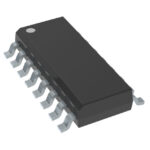 SN74LS75NSR
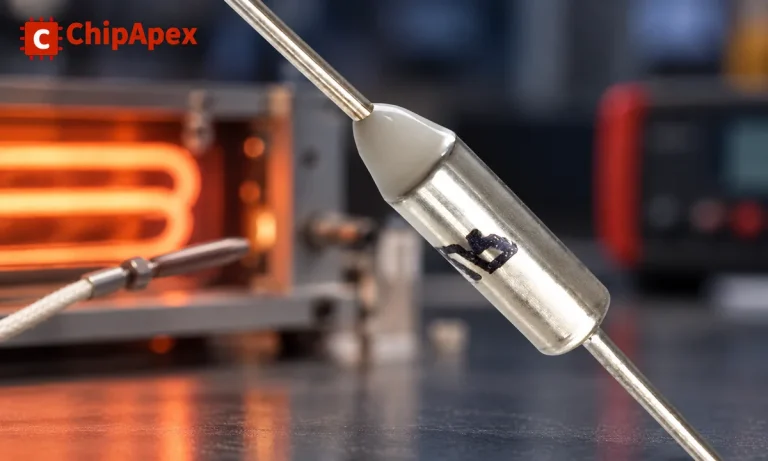
Understand thermal fuse operation, Tf, Th and Tm, electrical ratings and mounting. Check temperature limits and replacement requirements for your design.
Read More
SN74LS75NSR is listed in the Latches range at ChipApex. The manufacturer field lists Texas Instruments. Its product description is IC LATCH QUAD BISTABLE 16SO.…
Read More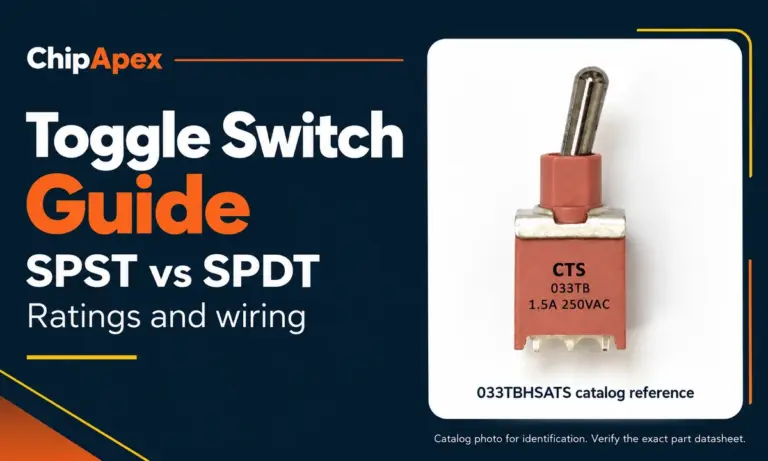
Compare SPST and SPDT toggle switches, understand AC/DC ratings, and follow wiring examples. Check contact action, mounting and parts in the ChipApex catalog.
Read More
Learn what a battery BMS does, how protection differs from charging, and which pack specifications to check when sourcing BMS components through ChipApex.
Read More
SN74LS75NSR is listed in the Latches range at ChipApex. The manufacturer field lists Texas Instruments. Its product description is IC LATCH QUAD BISTABLE 16SO.…
Read More
SN74LS75NSR is listed in the Latches range at ChipApex. The manufacturer field lists Texas Instruments. Its product description is IC LATCH QUAD BISTABLE 16SO.…
Read More
SN74LS75NSR is listed in the Latches range at ChipApex. The manufacturer field lists Texas Instruments. Its product description is IC LATCH QUAD BISTABLE 16SO.…
Read More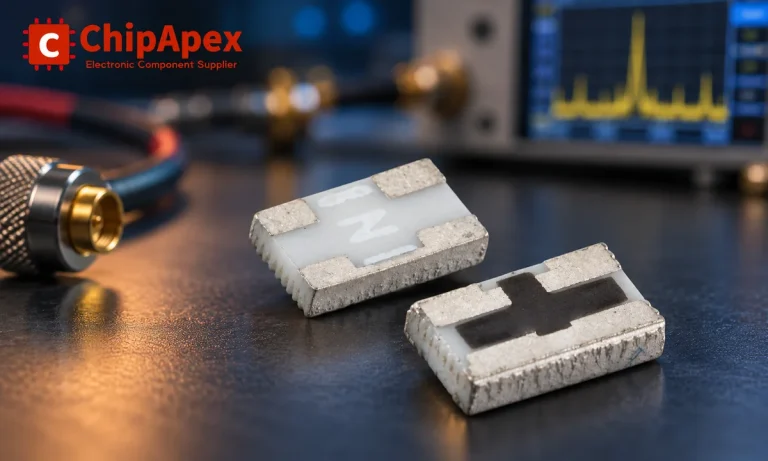
Understand RF attenuator dB values, fixed and programmable types, impedance, power limits and noise tradeoffs before choosing parts for an RF signal path.
Read More
SN74LS75NSR is listed in the Latches range at ChipApex. The manufacturer field lists Texas Instruments. Its product description is IC LATCH QUAD BISTABLE 16SO.…
Read More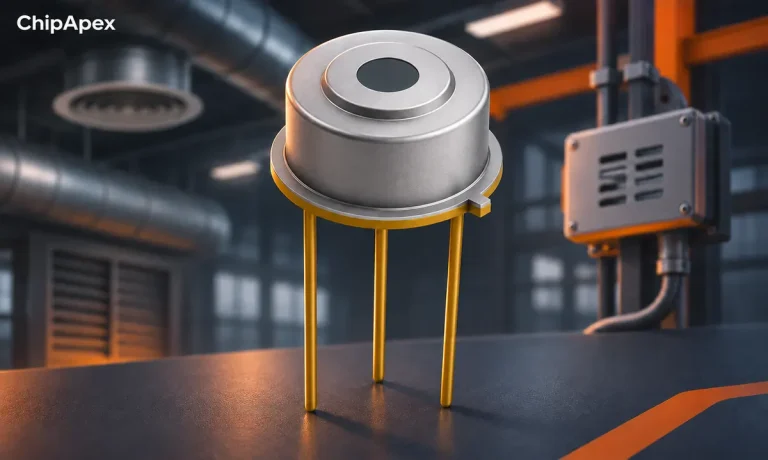
Compare gas sensor technologies, cross-sensitivity and calibration needs. Define the gas, range and environment before choosing a sensing component.
Read More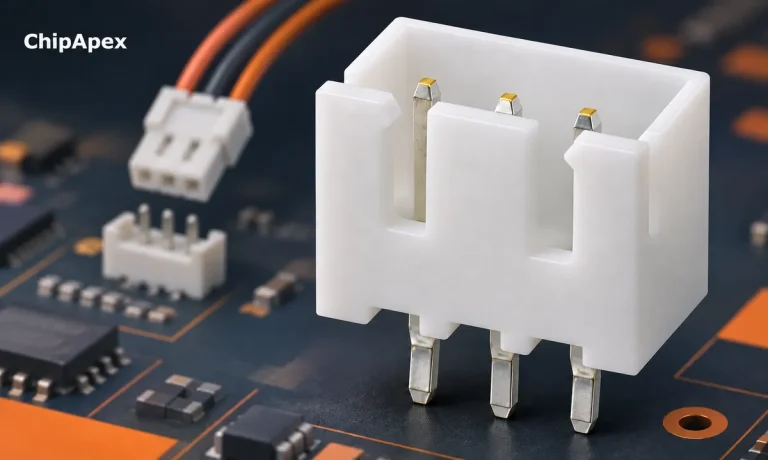
Choose a pin header by pitch, mating geometry, current rating and mounting. Learn why matching pin count and spacing does not guarantee compatibility.
Read More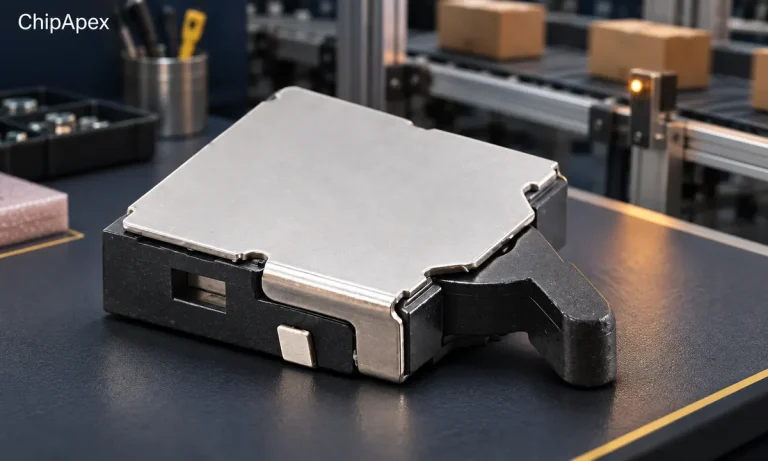
Choose a limit switch by actuator, travel, contact ratings and environment. Understand pretravel, overtravel and practical checks for machine integration.
Read More
The activity of extra discounts on wholesale prices is in full swing…
Please fill in your contact information and we will send you the latest wholesale price list.






