 ChipApex | Global Electronic Components Supplier

SEARCH
Search Product
Search Post
— IC芯片 | 连接器 | 传感器 | 被动器件 —
Search productSearch post
— IC芯片 | 连接器 | 传感器 | 被动器件 —
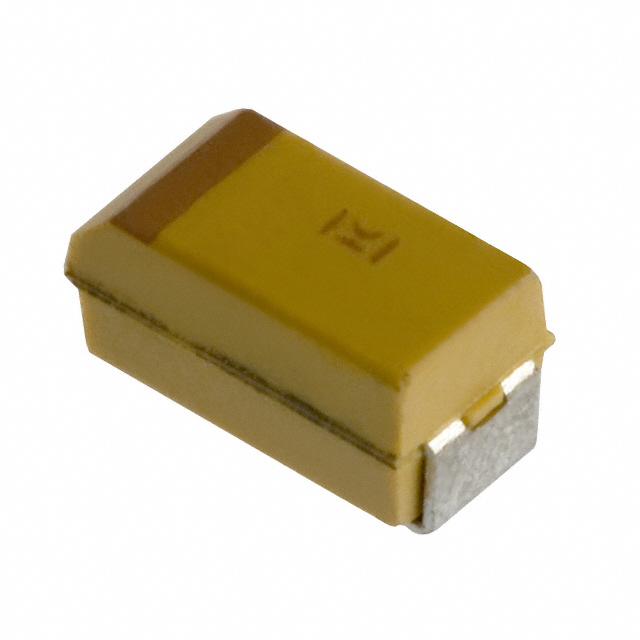
A capacitor is a passive electronic device that stores electric charge. Tantalum capacitors have an anode electrode (+) made of tantalum metal, electrolyte that acts as the cathode, and a thin insulating layer of tantalum oxide that acts as the dielectric. Tantalum capacitors have high capacitance-voltage (CV) product per unit volume at low weights and are known for high reliability.
| Select products | Mfr | Description | Package | Supplier Device Package | Mounting Type | Series | Operating Temperature |
|---|---|---|---|---|---|---|---|
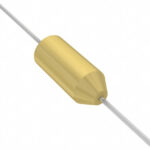 173D476X0010XW $1.63 | Vishay Sprague | CAP TANT 47UF 20% 10V AXIAL | Tape & Reel (TR) | Through Hole | TANTALEX™, 173D | -55°C ~ 125°C | |
 173D476X0010XW060 $1.59 | Vishay Sprague | SOLID-ELECTROLYTE TANT CAPACITOR | Tape & Reel (TR) | * | |||
173D476X0010XWE3 $1.63 | Vishay Sprague | CAP TANT 47UF 20% 10V AXIAL | Tape & Reel (TR) | Through Hole | TANTALEX™, 173D | -55°C ~ 125°C | |
173D476X0015YW $5.50 | Vishay Sprague | CAP TANT 47UF 20% 15V AXIAL | Tape & Reel (TR) | Through Hole | TANTALEX™, 173D | -55°C ~ 125°C | |
173D476X0015YWE3 $5.50 | Vishay Sprague | CAP TANT 47UF 20% 15V AXIAL | Tape & Reel (TR) | Through Hole | TANTALEX™, 173D | -55°C ~ 125°C | |
173D476X0020Y $5.50 | Vishay Sprague | CAP TANT 47UF 20% 20V AXIAL | Tape & Box (TB) | Through Hole | TANTALEX™, 173D | -55°C ~ 125°C | |
173D476X0020YE3 $5.50 | Vishay Sprague | CAP TANT 47UF 20% 20V AXIAL | Tape & Box (TB) | Through Hole | TANTALEX™, 173D | -55°C ~ 125°C | |
173D476X0020YW $5.50 | Vishay Sprague | CAP TANT 47UF 20% 20V AXIAL | Tape & Reel (TR) | Through Hole | TANTALEX™, 173D | -55°C ~ 125°C |
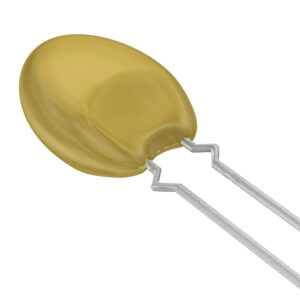 TAP105M035GSBView ProductM39006/30-0075View Product
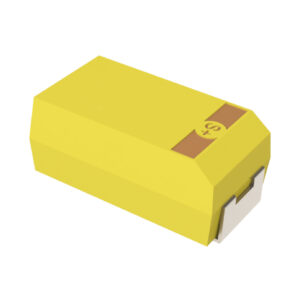 T496B105K025CH632AView Product790D224X0040A2HE3View ProductM39003/03-0463HView Product
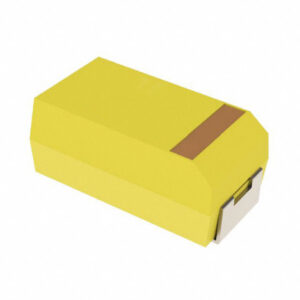 T491X337M006ATView ProductT491D227K010AT7634View ProductCWR11JK335KCView ProductT493C226K016CH622AView Product
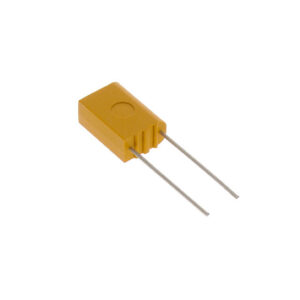 T340C565K050ASView Product
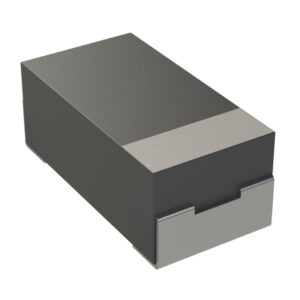 TAZH107K015LRLB0023View ProductCWR29FB476KBHZView Product
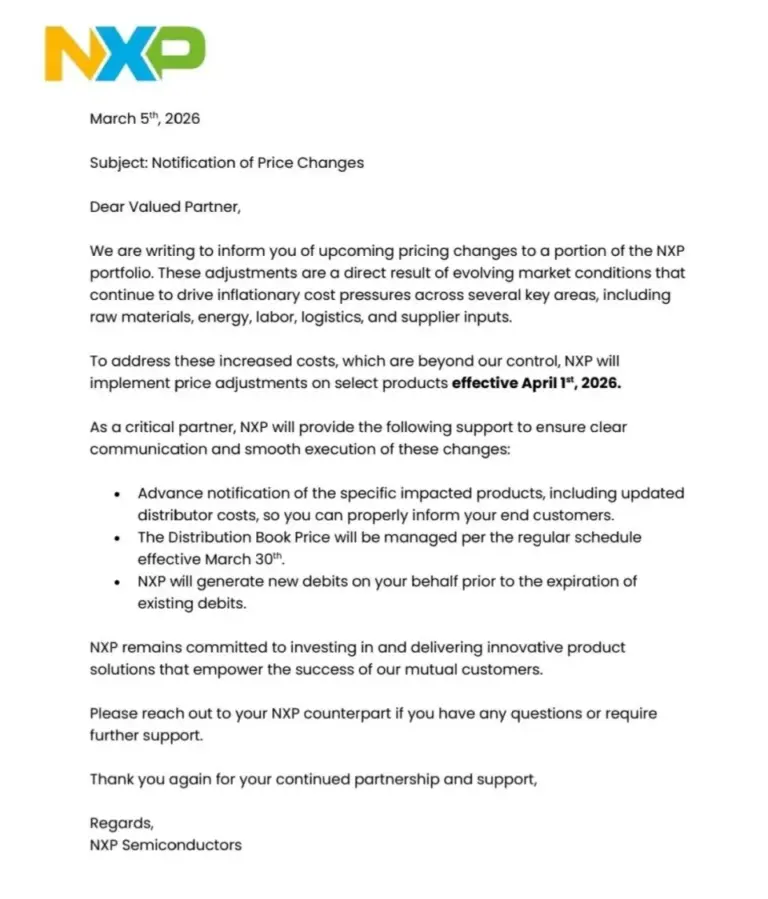
NXP Semiconductors (NASDAQ: NXPI), a global leader in automotive, industrial, and IoT semiconductors, has officially notified customers of an upcoming price adjustment for select…
Read More
Understand how oscillators generate timing signals, how they differ from crystals, and which frequency, output and stability specs matter when choosing one.
Read More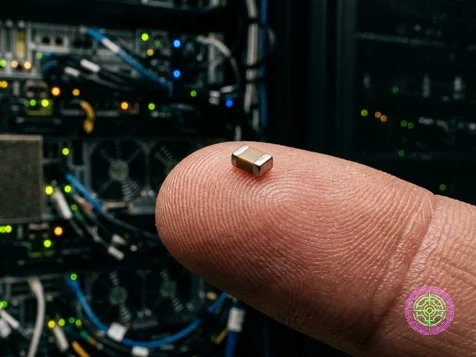
The multilayer ceramic capacitor (MLCC) market has fallen into a severe structural supply crunch in the third quarter of 2026, driven by explosive demand…
Read More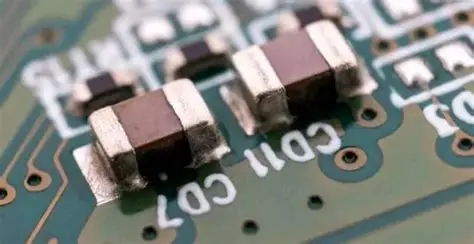
Recently, a survey by the Electronic Components Industry Association (ECIA) revealed that the sales sentiment of global electronic components remained optimistic in the third…
Read More
Learn why PTC resistance rises with temperature, how it differs from NTC, and which ratings matter for sensing and protection.
Read More
Embedded Integrated Circuit Modules: The Backbone of Modern Technology Embedded Integrated Circuit Modules (EICMs) have become an indispensable part of modern technology. Serving as…
Read More
Understand how a comparator switches at a voltage threshold, why hysteresis prevents chatter, and which output and input specs matter.
Read More
Learn how a pressure transducer converts pressure into voltage, current, or digital output, and compare pressure references and key selection specs.
Read More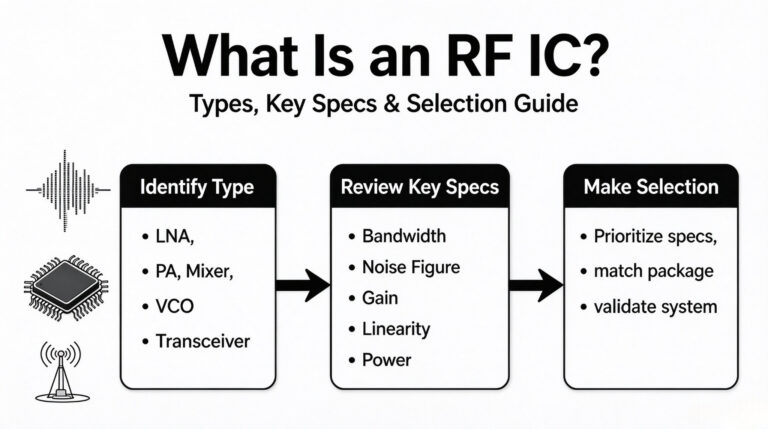
An RF IC, or radio-frequency integrated circuit, is a chip that processes wireless signals between the antenna and the baseband processor. Instead of building…
Read More
Recently, global semiconductor manufacturers have been constantly making moves in aspects such as technological cooperation, product manufacturing processes, and market layout, demonstrating the rapid…
Read More
Recently, the global electronic component market has witnessed a series of new developments. The strategic layouts and market collaborations of major enterprises are constantly…
Read More
Compare RC, crystal and MEMS oscillator circuits. Check ppm, jitter, load capacitance, startup margin and output compatibility before choosing a clock source.
Read More
The activity of extra discounts on wholesale prices is in full swing…
Please fill in your contact information and we will send you the latest wholesale price list.

